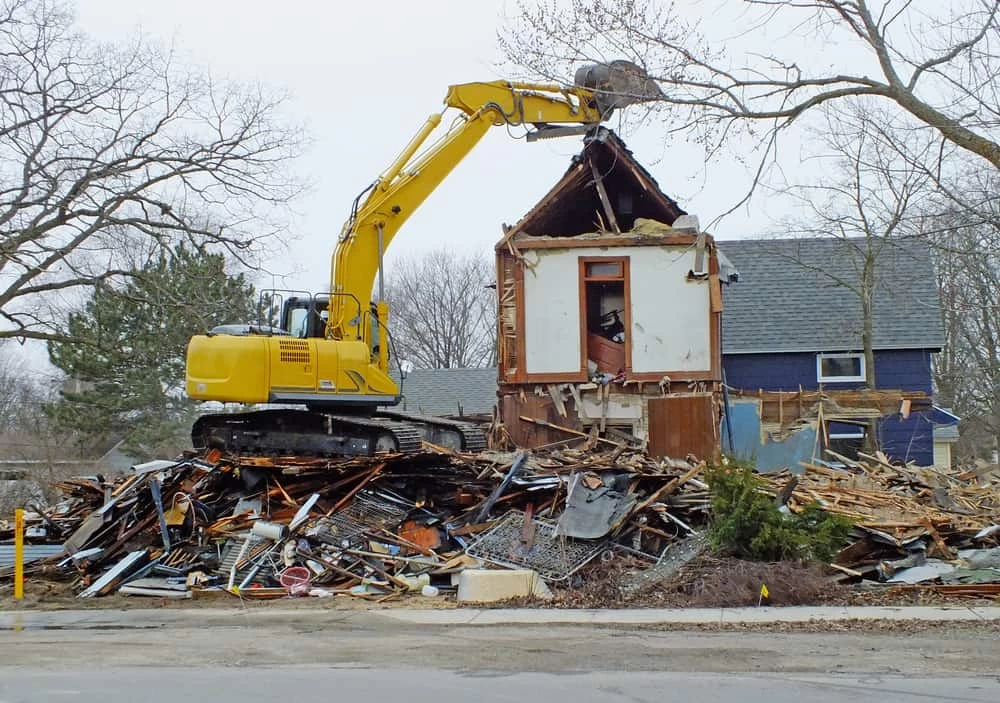
Springfield Gardens Homes Are Old. Tearing One Down Takes More Than a Wrecking Crew.
Most of the homes in Springfield Gardens were built decades before today’s safety codes existed. House demolition here means asbestos surveys, NYC permits, and compliance requirements and we handle all of it under one roof.
I needed a professional consultation explanation of procedure for safe removal of Asbestos in my apartment complex. Without having an account yet, I was very impressed with the caring, knowledgeable and generous advice offered by Jessica, and will look forward to doing business in the future. Thank you so much! I feel much more informed about a sometimes scary endeavor. Peace. Nancy Silva Mineola, NY.
Mia Munoz
Used this company to clean up some water flood in my house. They were fast and easy to work with.very professional, Would recommend to anyone!
Nini Valle
Great company, had a flood and they responded quickly and efficiently. Billed my insurance company directly. I highly recommend this company!
joe colapietro, jr
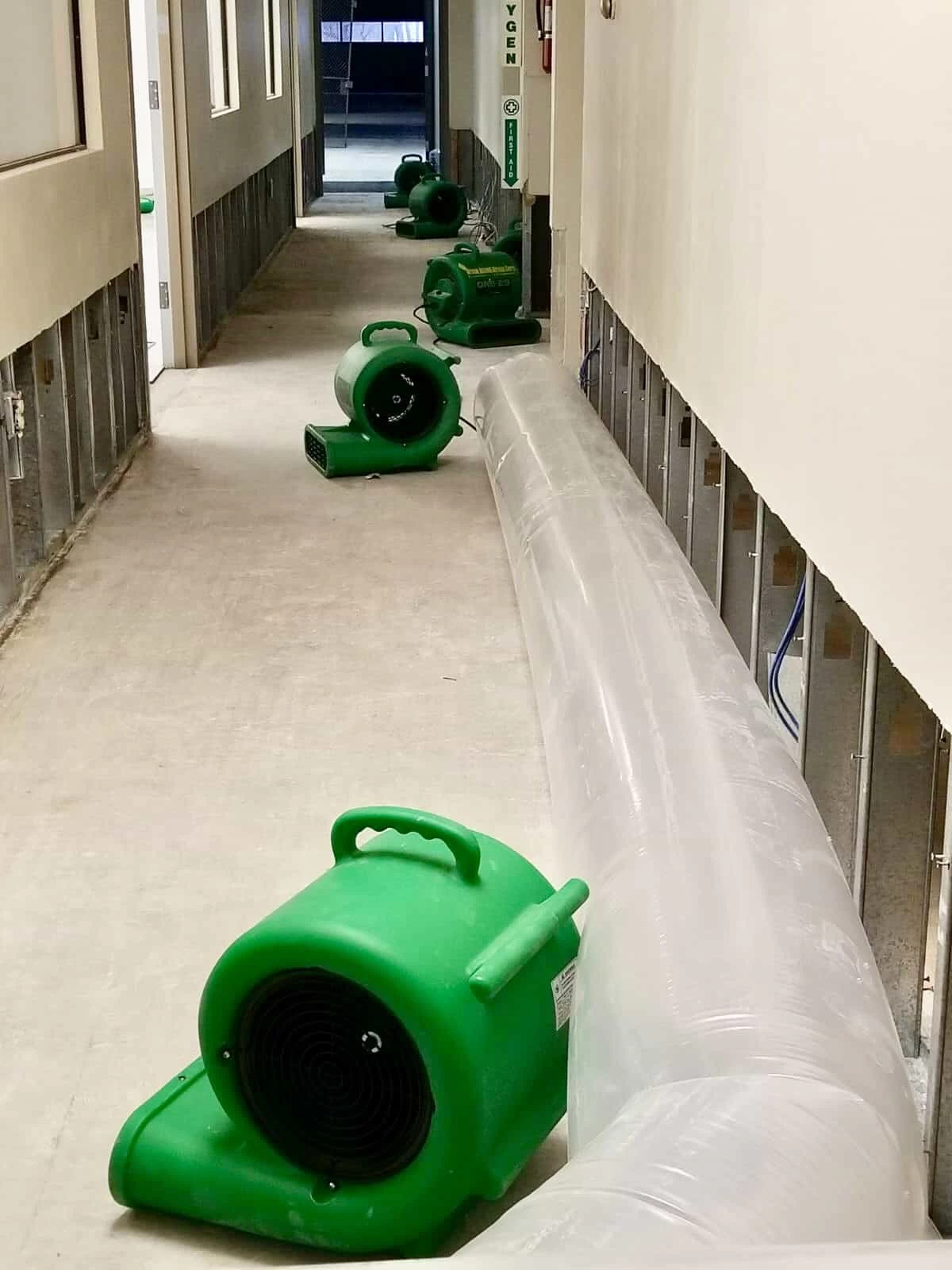
I had pipe freeze in my basement right before a snow storm and they made to within an hour to help start the clean up process. They we by our side throughout the entire process and even helped with the insurance company. They did such a great job with the cleanup, repair, remidiation, I contracted them to perform the repairs and finishes in the basement. They came with enough manpower and material to get the job done. Leo and Jessica were nothing but a pleasure to deal with!!
Cristian Arredondo c
I had some water damage in my home and Green Island was able to take care of my issue quickly and effectively. I am very pleased with the work they did. They responded quickly and were very professional.
Michael M
Outstanding service! From the office to the field crew everyone was friendly, helpful and responsive. I highly recommend Green Island Group.
Residential Demolition Services Springfield Gardens
What Changes When You Hire a Full-Service Demolition Contractor in Springfield Gardens
When you hire a demolition contractor who only does demolition, you’re setting yourself up for a hard stop the moment asbestos turns up and in Springfield Gardens, it almost always does. The neighborhood’s housing stock is predominantly pre-1950s construction: brick colonials, bungalows, vinyl-sided homes that were built when asbestos was standard in pipe insulation, floor tiles, and roofing materials. State law requires a certified asbestos survey before any demolition begins, full stop. If your contractor isn’t certified to handle it, work stops until someone who is can be found. That delay costs time, money, and momentum.
When you work with a contractor who is both licensed for demolition and certified for asbestos abatement, the project moves in one continuous line. The survey happens first, abatement follows if needed, and demolition proceeds without a gap in the schedule. That’s not a small thing when you’re trying to break ground on a rebuild before winter, or when you’re managing an insurance claim on a flood-damaged structure in a neighborhood where 69% of properties carry severe long-term flood risk.
Beyond the hazmat piece, there’s the permit reality. Springfield Gardens falls under New York City DOB jurisdiction not a county building department. Full demolition permits in NYC require safety plans, dust control plans, asbestos compliance documentation, and formal neighbor notification. Getting any of that wrong triggers a Stop Work Order and fines that start at $2,500. When you’ve done this across Queens for over 12 years, those aren’t surprises they’re just steps in the process.
Licensed Demolition Contractors Springfield Gardens NY
12 Years In, 5,000 Projects Deep We Know Springfield Gardens
We’ve been operating in New York State for over 12 years, with more than 5,000 completed projects across the five boroughs and beyond. Demolition, asbestos abatement, lead remediation, full site clearance that’s all we do, and it’s all in-house under one license.
We’ve worked throughout southeastern Queens on the same pre-war bungalows and mid-century two-families that line the streets near Springfield Park and along Farmers Boulevard. We know what Queens Community Board 12 projects look like on paper and in the field. We know the DOB NOW filing process, the NYC DEP asbestos notification timeline, and what it takes to keep a project moving in a dense residential neighborhood where your neighbors are ten feet away.
If your project is insurance-driven a flood-damaged structure, a fire loss, a condemned property we bill carriers directly and help you navigate the claims process. You don’t have to be the go-between.
House Demolition Process Springfield Gardens Queens
No Surprises Here's Exactly How a Springfield Gardens Demo Runs
It starts with a site assessment. Before anything gets scheduled, we look at the structure, document the scope, and determine what the project actually involves. For homes in Springfield Gardens most of which were built before 1978 that assessment includes identifying materials that require a certified asbestos survey under New York State DOL Industrial Code Rule 56. That survey has to happen before a demolition permit is issued. We handle it in-house, so there’s no waiting on a third party.
Once the survey is complete and any abatement work is done, we move into the permit phase. In NYC, that means filing through DOB NOW, submitting a safety plan and dust control plan, and providing formal notification to adjacent neighbors for full demolitions. If your property is in the southern portion of Springfield Gardens near the JFK boundary, there may be additional considerations around crane or elevated equipment use given the proximity to airport airspace. We account for all of it before work begins, not after.
Demolition itself is coordinated around your timeline and the neighborhood. After-hours work requires a variance from the DOB something we’re familiar with managing in residential Queens neighborhoods where noise impacts matter. When the structure is down, debris is removed and the site is cleared. You’re left with a clean lot and documentation of completed work, ready for whatever comes next.
Building Demolition Services Springfield Gardens NY
What's Actually Included When You Hire Us for Springfield Gardens Demolition
House demolition in Springfield Gardens isn’t a single task it’s a sequence of regulated steps, and what you’re hiring for matters. With us, the scope covers the full sequence: certified asbestos survey, abatement if required, lead-safe work practices for pre-1978 structures under the EPA RRP Rule, NYC DOB permit filing, utility disconnection coordination, the demolition itself, debris removal, and final site clearance. That’s the whole project, not a piece of it.
For homeowners dealing with a teardown-rebuild which is one of the most common projects in Springfield Gardens given the neighborhood’s 2005 rezoning that limits density expansion the goal is a clean lot that your builder can move onto without delay. For homeowners dealing with a flood-damaged or fire-damaged structure, the goal is a documented, compliant clearance that satisfies your insurance carrier and the city. We handle both, and the process is the same: thorough, permitted, and done right.
Partial interior demolition is also available for homeowners who are renovating rather than rebuilding entirely. Whether you need walls taken down, a kitchen gutted, or a basement cleared before a contractor comes in, the same hazmat protocols apply in a pre-war Springfield Gardens home and we’re equipped to handle those properly too. One call covers the assessment, the compliance work, and the demolition itself.
Do I need a permit for house demolition in Springfield Gardens, NY?
Yes and in Springfield Gardens, that permit comes from the New York City Department of Buildings, not a county office. Because the neighborhood falls within NYC limits, all demolition work is governed by the DOB, which requires a formal demolition permit application filed through their DOB NOW electronic system. Full demolitions require a safety plan, a dust control plan, and documentation of asbestos compliance before the permit is issued. Partial or interior demolitions may require an Alt-2 permit depending on the scope of work.
Beyond the permit itself, full demolitions in NYC require formal notification to adjacent neighbors before work begins. If any asbestos abatement is involved which is common in Springfield Gardens’ older housing stock the NYC Department of Environmental Protection must be notified at least seven days before abatement activity starts. Skipping any of these steps can result in a Stop Work Order and fines starting at $2,500 for a first offense. We handle the permit process as part of the project, so you’re not navigating it alone.
What happens if asbestos is found during a house demolition in Springfield Gardens?
If asbestos-containing materials are discovered during a demolition project in Springfield Gardens, work must stop until a certified abatement contractor completes the removal under proper containment and disposal protocols. This is where a lot of homeowners get caught off guard they hire a demolition-only contractor, asbestos turns up, and suddenly they’re scrambling to find a second company while the project sits idle.
In Springfield Gardens specifically, this isn’t a rare scenario. The neighborhood’s housing stock is predominantly pre-1950s construction, and asbestos was commonly used in pipe insulation, floor and ceiling tiles, roofing materials, and textured coatings during that era. New York State DOL Industrial Code Rule 56 requires a certified asbestos survey before any demolition begins meaning the survey should happen before the permit is even filed, not after demolition is underway. We’re certified for both asbestos abatement and demolition, so the survey, any required abatement, and the demolition itself all happen under one contract with no gap in the timeline.
How much does it cost to demolish a house in Springfield Gardens, NY?
House demolition costs in New York City generally range from $6,000 to $25,000 for a residential structure, with the average falling around $15,000 to $16,000 for a typical 2,000 square foot home. That range shifts based on several factors: the size and construction type of the structure, whether hazardous materials like asbestos or lead are present, the complexity of the permit process, debris volume, and site access.
In Springfield Gardens, the pre-war and mid-century construction common throughout the neighborhood tends to involve hazardous materials that add to the overall project cost but also make proper abatement non-negotiable. It’s also worth noting that NYC permit fees alone can reach into the thousands of dollars for full demolitions, and those costs should be factored into any estimate you receive. Be cautious of bids that seem unusually low they often don’t account for permits, asbestos surveys, or debris removal, and those costs surface later. A comprehensive estimate upfront protects you from surprises mid-project.
Can you bill my insurance company for flood or fire demolition in Springfield Gardens?
Yes and for many Springfield Gardens homeowners, this is one of the most important things to know before making a call. If your demolition is the result of flood damage, fire, or a storm event, the project is almost certainly insurance-driven, and the claims process can be difficult to manage on your own while also coordinating a contractor.
We bill insurance carriers directly and help homeowners work through the documentation and communication that the claims process requires. This matters in a neighborhood like Springfield Gardens, where 69% of properties face severe flooding risk over the next 30 years and hundreds of homes are already likely to be significantly affected. A flood-damaged structure that needs to be demolished and cleared before a rebuild isn’t a hypothetical scenario here it’s a situation that comes up regularly in this neighborhood. Having a contractor who handles the insurance side as part of the service means you’re not acting as the go-between while also trying to manage a major construction project.
How long does the house demolition process take from start to finish?
The physical demolition of a residential structure typically takes one to three days depending on the size and construction type. But the full timeline from first call to cleared lot is longer, because the permit and compliance steps happen before any demolition work begins.
In Springfield Gardens, that pre-demolition phase includes a certified asbestos survey, any required abatement work, NYC DOB permit filing, and neighbor notification for full demolitions. The DOB permit process for full demolitions in NYC can take four to eight weeks depending on the complexity of the filing and the current review queue. Asbestos abatement, if required, adds additional time before demolition can proceed. The practical advice for Springfield Gardens homeowners who want to demolish in spring or early summer the peak season for construction starts in New York is to begin the process in the fall or early winter. Starting the permit and survey process early is the single most effective way to control your overall timeline.
What's the difference between full demolition and interior demolition for a Springfield Gardens home?
Full demolition means the entire structure is taken down to the foundation or slab the building is gone. This is what most people picture when they think of a teardown-rebuild, which is a common project in Springfield Gardens given that the neighborhood’s 2005 rezoning limits density expansion. If you want more space for a growing household and can’t build out or up within the existing zoning envelope, demolishing and rebuilding within the allowed footprint is often the only path forward.
Interior demolition is more targeted it involves removing specific elements inside the structure while the shell remains standing. That might mean gutting a kitchen, removing walls to open a floor plan, clearing a basement, or stripping a space down before a full renovation. Both types of demolition in Springfield Gardens require the same asbestos and lead compliance steps for pre-1978 homes, because disturbing those surfaces regardless of whether you’re taking down the whole building or just a section of it triggers the same regulatory requirements under state and federal law. The permit type differs, but the safety protocols don’t.