Steinway's Pre-War Buildings Need More Than a Wrecking Crew
Most homes in Steinway were built before 1940. That means asbestos, lead paint, and a permit process that stops projects cold unless your demolition contractor knows how to handle all of it before the first wall comes down.
I needed a professional consultation explanation of procedure for safe removal of Asbestos in my apartment complex. Without having an account yet, I was very impressed with the caring, knowledgeable and generous advice offered by Jessica, and will look forward to doing business in the future. Thank you so much! I feel much more informed about a sometimes scary endeavor. Peace. Nancy Silva Mineola, NY.
Mia Munoz
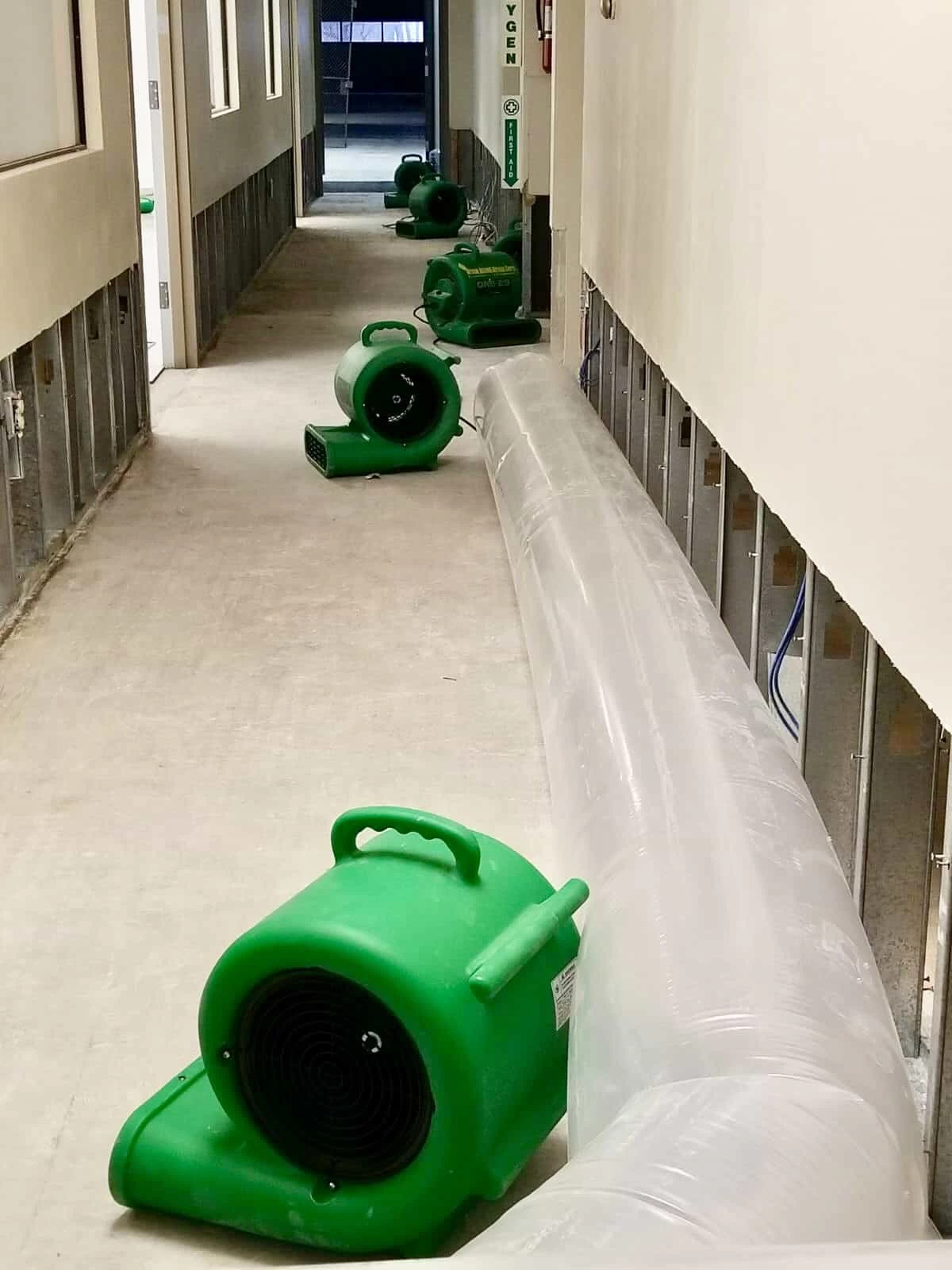
Used this company to clean up some water flood in my house. They were fast and easy to work with.very professional, Would recommend to anyone!
Nini Valle
Great company, had a flood and they responded quickly and efficiently. Billed my insurance company directly. I highly recommend this company!
joe colapietro, jr
I had pipe freeze in my basement right before a snow storm and they made to within an hour to help start the clean up process. They we by our side throughout the entire process and even helped with the insurance company. They did such a great job with the cleanup, repair, remidiation, I contracted them to perform the repairs and finishes in the basement. They came with enough manpower and material to get the job done. Leo and Jessica were nothing but a pleasure to deal with!!
Cristian Arredondo c
I had some water damage in my home and Green Island was able to take care of my issue quickly and effectively. I am very pleased with the work they did. They responded quickly and were very professional.
Michael M
Outstanding service! From the office to the field crew everyone was friendly, helpful and responsive. I highly recommend Green Island Group.
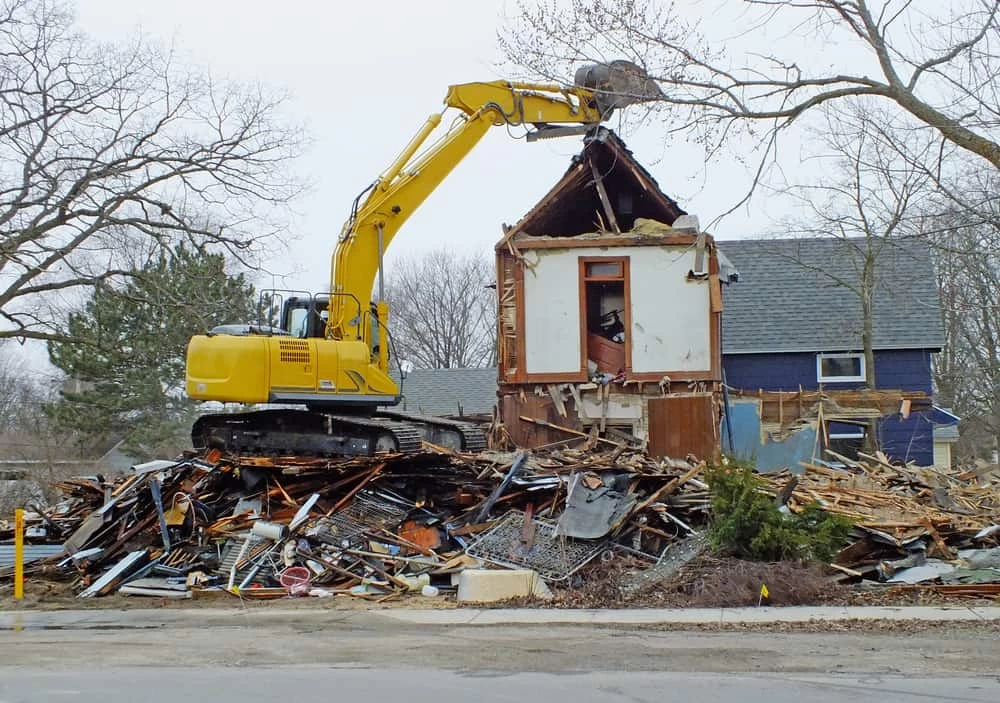
When you hire us for demolition in Steinway, you’re not just paying to knock something down. You’re paying to get through New York City’s permitting process without a Stop Work Order landing on your property, without a second contractor showing up late to handle the asbestos, and without surprise costs surfacing after the estimate. That’s the version of this that goes wrong. The version that goes right looks like this: we manage everything from the initial asbestos assessment through the final site clearance, the NYC Department of Buildings has everything it needs before work begins, and your neighbors’ attached walls are still standing when it’s over.
Steinway’s housing stock is genuinely old. The majority of homes here were built before 1940, which means virtually every demolition project in this neighborhood triggers mandatory asbestos certification under NYC DOB rules. It also means lead paint is essentially a given. These aren’t edge cases they’re the baseline. A contractor who handles only the demolition and hands you off to someone else for the hazmat work is handing you a scheduling problem and a gap in accountability that you’ll feel in your timeline and your budget.
The other thing worth understanding is the physical reality of this neighborhood. Steinway’s residential blocks are dense. Rowhouses share walls. Lots are narrow. Demolishing one structure here without proper containment and structural awareness affects the building next door. That’s not a hypothetical it’s the reason NYC DOB’s adjacent property protection requirements exist. When the job is done right, your property is cleared, your permits are closed, and your neighbors still have a functioning wall.
12 Years In, and the Process Still Runs Through the Owner
Green Island Group has been handling demolition and environmental work across New York for over 12 years including throughout Queens, where the DOB’s permitting requirements are a different animal than what you’d face in Nassau or Suffolk County. The company is owned and operated by Leopoldo Torres, and that means the person accountable for your Steinway project isn’t a call center or a franchise coordinator. It’s him.
The work covers the full scope: asbestos assessment and abatement, lead-safe demolition practices, permit filing with NYC DOB and DEP notification, debris removal, and site clearance. Everything under one roof. That matters in a neighborhood like Steinway, where the Ditmars blocks are dense, the buildings are old, and the city’s enforcement presence is real. A Stop Work Order here isn’t just a delay it’s visible, it’s public, and it costs you.
With more than 5,000 completed projects across New York State and a 4.7-star rating built from real, named reviews, the track record speaks clearly. We serve all five NYC boroughs, and we know exactly what a Steinway demolition project requires from day one.
No Surprises Here's How a Steinway Demolition Actually Unfolds
It starts with a site assessment. Before anything is filed or scheduled, we evaluate the structure, identify any hazardous materials present asbestos, lead paint, or both, which in Steinway’s pre-war housing stock is almost always the case and give you a comprehensive estimate that includes permit fees, abatement costs if needed, demolition, debris removal, and site clearance. No line items that appear later. No bids that look low until they don’t.
From there, the permitting process begins. In New York City, that means filing with the NYC Department of Buildings, submitting the ACP-5 asbestos certification, and if abatement is required notifying the NYC DEP at least seven days before work begins. Utility disconnections are coordinated with Con Edison and NYC DEP for water service. This step is where inexperienced contractors lose time. We’ve been through this process hundreds of times in the five boroughs, and the paperwork moves because we know exactly what each office needs.
Once permits are in place and utilities are confirmed disconnected, demolition begins. For a standard residential structure in Steinway, the physical work typically takes one to five days. If hazmat remediation was required first, add time for that phase. When the structure is down, debris is removed and the site is cleared. You’re left with a clean lot and closed permits ready for whatever comes next.
House demolition in Steinway isn’t a single task it’s a sequence of regulated steps, and what’s included in the scope matters as much as who’s swinging the equipment. Our demolition service covers the full chain: asbestos inspection and abatement by certified in-house technicians, ACP-5 and ACP-7 filing with NYC DOB and DEP, lead-safe work practices under EPA RRP Rule compliance, utility disconnection coordination, the physical demolition, debris hauling, and final site clearance. You’re not assembling a team of separate contractors to cover each phase. We handle all of it.
For Steinway properties specifically, the asbestos component is almost never optional. The NYC DOB requires an ACP-5 form confirming the building is either free of asbestos-containing materials or that abatement has been completed before a full demolition permit is issued. Given that virtually every structure in this neighborhood predates 1987, that step applies to nearly every project. We perform the assessment and, if materials are found, handle the abatement in-house before demolition proceeds. No referrals, no waiting on a second company’s schedule.
For property owners dealing with fire or flood damage which in Steinway’s low-lying waterfront terrain is a real scenario we also work directly with insurance carriers. If your project is insurance-driven, we can bill your carrier directly and handle the documentation your adjuster needs. Costs for house demolition in the NYC area typically run between $6,000 and $25,000 depending on size and scope, with NYC permit fees adding to that total. Every estimate from us accounts for all of it upfront.
Do I need a permit to demolish a house in Steinway, NY?
Yes and in New York City, the permit process is more involved than most people expect. You’ll need a demolition permit from the NYC Department of Buildings, and before that permit is issued, you’ll need to submit an ACP-5 form confirming that the structure is free of asbestos-containing materials, or that a full abatement project has already been completed. For pre-1987 buildings which covers essentially every structure in Steinway an asbestos inspection by a Certified Asbestos Inspector is required as part of that process.
Beyond the DOB permit, if asbestos is found and abatement is required, the NYC Department of Environmental Protection must be notified at least seven days before abatement work begins. Utility disconnections also need to be confirmed before demolition can start. Skipping or shortcutting any of these steps puts you at risk of a Stop Work Order, with fines starting at $2,500 for a first offense. Working with a contractor who manages the full permit process from the start is the most reliable way to keep your project on schedule.
How much does house demolition cost in Queens, NY?
For a typical residential structure in Queens, house demolition generally runs between $6,000 and $25,000, with the average landing around $15,800 for a 2,000-square-foot home. Per square foot, that’s roughly $4 to $17 depending on the size of the structure, what materials are present, and how complex the site conditions are. In New York City specifically, permit fees can add significantly to that total in some cases $10,000 or more which is why a complete, itemized estimate matters before you agree to anything.
In Steinway, the age of the housing stock is the biggest variable. Most homes here were built before 1940, which means asbestos assessment and potentially asbestos abatement are almost always part of the scope. Contractors who leave those costs out of their initial estimate aren’t giving you a competitive bid they’re giving you an incomplete one. Make sure any estimate you receive accounts for the full project: inspection, abatement if needed, permits, demolition, debris removal, and site clearance.
What is an ACP-5 form and why does it matter for demolition in NYC?
An ACP-5 is an asbestos certification form required by the NYC Department of Buildings for full demolition permit applications. It confirms either that the building contains no asbestos-containing materials, or that any ACM present has been fully abated before demolition begins. Without a completed ACP-5, the DOB will not issue a full demolition permit which means your project cannot legally proceed.
In Steinway, this form is relevant to virtually every demolition project. The NYC DOB requires an asbestos assessment for any building constructed before 1987, and the vast majority of Steinway’s residential and commercial buildings were built decades before that threshold. If the assessment finds asbestos, an ACP-7 notification must be filed with the NYC DEP at least seven days before abatement begins, and completion forms (ACP-20 or ACP-21) must be submitted to the DOB once abatement is done. It’s a layered process, but it’s manageable when your contractor knows the sequence and handles the filings directly.
How long does house demolition take from start to finish in Steinway?
The physical demolition of a standard residential structure in Steinway typically takes one to five days once all permits are in place and utilities are disconnected. The bigger variable is the time it takes to get to that point. In New York City, the permitting process asbestos assessment, ACP-5 filing, DOB permit application, and DEP notification if abatement is required can add several weeks to the overall timeline depending on how quickly paperwork moves and whether hazmat remediation is needed.
If asbestos abatement is required, the DEP’s mandatory seven-day notification window applies before abatement work can begin, and the abatement itself adds additional time before demolition can proceed. For Steinway properties, where pre-war construction is the norm, budgeting for this full timeline upfront is the practical approach. Contractors who promise unusually fast turnarounds in NYC are typically skipping steps that will catch up with you later. A realistic timeline, managed by someone who knows the DOB and DEP process, keeps the project moving without the stops.
What happens to asbestos and lead paint found during a Steinway demolition?
If asbestos-containing materials are identified during the pre-demolition inspection, they have to be removed and disposed of by a licensed abatement contractor before any structural demolition begins. In New York City, that means filing an ACP-7 notification with the NYC DEP, completing the abatement according to NYS DOL Industrial Code Rule 56 standards, and submitting completion forms to the DOB before the demolition permit can be activated. The materials are sealed, contained, and transported to a licensed disposal facility they don’t get mixed into general demolition debris.
Lead paint is handled under the federal EPA Renovation, Repair, and Painting Rule, which requires certified contractors and lead-safe work practices on any pre-1978 home. In Steinway, where most homes were built well before 1940, both asbestos and lead paint are common findings not surprises. We handle both in-house, which means you’re not waiting on a separate abatement company to clear the site before the demolition crew can start. The sequence moves as one coordinated project.
Can Green Island Group handle demolition if my Steinway home was damaged by fire or flooding?
Yes, and this is actually one of the more common scenarios in this part of Queens. Steinway’s flat, low-lying terrain near the East River waterfront means basement flooding and storm-related water damage are real risks for properties in this neighborhood. Fire damage is an equally urgent situation. In either case, a structure can become unsafe quickly, and the need for emergency demolition whether partial or full doesn’t wait for a convenient scheduling window. We’re available 24 hours a day, seven days a week, and multiple customers have confirmed in their reviews that a crew arrived within hours of the initial call.
For insurance-driven projects, we work directly with your insurance carrier and can bill them directly, handling the documentation your adjuster needs. That matters when you’re already managing a displacement situation and don’t have the bandwidth to play intermediary between a contractor and an insurance company. The scope of work hazmat assessment, permits, demolition, debris removal is the same regardless of what caused the damage. The difference is the urgency, and that’s something we’re set up to handle.