One Crew Handles Everything Permits, Hazmat, and the Teardown
Most Stony Brook homeowners don’t realize how many moving parts go into a legal demolition until they’re already in it. We handle the asbestos survey, the Town of Brookhaven permits, the abatement if needed, and the full structural teardown under one contract.
I needed a professional consultation explanation of procedure for safe removal of Asbestos in my apartment complex. Without having an account yet, I was very impressed with the caring, knowledgeable and generous advice offered by Jessica, and will look forward to doing business in the future. Thank you so much! I feel much more informed about a sometimes scary endeavor. Peace. Nancy Silva Mineola, NY.
Mia Munoz
Used this company to clean up some water flood in my house. They were fast and easy to work with.very professional, Would recommend to anyone!
Nini Valle
Great company, had a flood and they responded quickly and efficiently. Billed my insurance company directly. I highly recommend this company!
joe colapietro, jr
I had pipe freeze in my basement right before a snow storm and they made to within an hour to help start the clean up process. They we by our side throughout the entire process and even helped with the insurance company. They did such a great job with the cleanup, repair, remidiation, I contracted them to perform the repairs and finishes in the basement. They came with enough manpower and material to get the job done. Leo and Jessica were nothing but a pleasure to deal with!!
Cristian Arredondo c
I had some water damage in my home and Green Island was able to take care of my issue quickly and effectively. I am very pleased with the work they did. They responded quickly and were very professional.
Michael M
Outstanding service! From the office to the field crew everyone was friendly, helpful and responsive. I highly recommend Green Island Group.
A Clean Site, No Surprises, and Nothing Left Behind
When the project is done, you shouldn’t be left chasing paperwork, coordinating between three different contractors, or wondering if something was handled correctly. You should have a clean, permit-closed site and documentation that protects you.
That matters especially in Stony Brook, where the Town of Brookhaven issues demolition permits with a 90-day validity window. Miss that window and you’re back in line at the Building Division. We’ve run enough projects in the Three Villages area to know how to schedule around that clock, coordinate utility disconnections with PSEG Long Island and National Grid, and keep the job moving without stalling your builder or your closing date.
The housing stock here also tells a specific story. A significant portion of Stony Brook homes were built during the Ward Melville development era the 1950s through 1970s which puts them squarely in the peak window for asbestos-containing materials and lead paint. When you know what you’re dealing with before demolition starts, the project runs cleaner, faster, and without the budget shocks that catch people off guard mid-job.
Why a Stony Brook-Based Contractor Knows Your Home's Actual Risks
We’re based in Stony Brook and have been serving Suffolk County homeowners, estate executors, and developers across the Three Villages area and beyond. This isn’t a franchise operation or a Nassau County contractor who occasionally crosses the county line we’re a local team that knows the Brookhaven Building Division, knows the neighborhoods along Route 25A and Nicolls Road, and knows what’s typically inside the walls of a mid-century Cape Cod near Stony Brook Harbor.
What separates us from most demolition contractors in the area is licensing depth. We hold the NYS Department of Labor Asbestos Contractor License, the NYS DOL Mold Remediation Contractor License, the EPA Lead RRP Certification, and the Suffolk County Home Improvement Contractor License among others. That means every phase of your project, from the initial hazmat survey through structural demolition and licensed debris disposal, is handled legally and in-house. No handoffs. No gaps in accountability.
The process starts before anything gets torn down. New York State law requires an asbestos survey before any demolition no exceptions, regardless of how old or how small the structure is. We conduct that survey in-house with a licensed inspector. If asbestos-containing materials are found and in Stony Brook’s mid-century housing stock, they often are abatement is completed under our NYS DOL license before a single wall comes down. You’ll know exactly what was found, where it was, and what it costs to address before work begins.
Once the site is cleared for demolition, we handle the permit application with the Town of Brookhaven Building Division and coordinate all required utility disconnections. That includes gas, electric, water, and sewer each of which has to be formally signed off before equipment moves in. We track the 90-day permit window and schedule the work to stay inside it.
Demolition itself is straightforward from your end we show up, we do the work, we leave the site clean. Debris is removed and disposed of at licensed facilities, and you receive documentation confirming proper disposal. If your project involves subsequent construction, we can coordinate timing with your builder so the site is ready when they need it. For properties near Stony Brook Harbor or in low-lying areas affected by the 2022 North Shore flooding, we also assess for moisture intrusion and mold before finalizing the scope because what’s behind the walls in a flood-affected structure can change the picture quickly.
A complete house demolition in Stony Brook isn’t just a crew with an excavator. It’s a sequenced project that touches environmental law, municipal code, utility coordination, and licensed waste disposal and every one of those phases has to be handled correctly or the whole thing stalls.
We cover the full sequence: pre-demolition asbestos and lead survey, mold assessment where conditions warrant it (particularly relevant for Stony Brook properties near Stony Brook Harbor or Grist Mill Pond that saw water intrusion during the August 2022 flooding), permit application and management with the Brookhaven Building Division, utility disconnection coordination, structural demolition, and licensed debris removal with full disposal documentation. For homeowners managing an estate or coordinating a teardown-rebuild in the Three Village Central School District area, we can also work directly with your attorney, architect, or builder to align the project timeline with whatever comes next.
Financing is available, including 0% APR options which matters more than people expect in situations like estate settlements or post-storm damage where the cost lands without much warning. The scope is always defined upfront. You’ll have a written estimate before any work begins, and if the survey turns up something that changes the picture, you’ll hear about it before it affects your budget not after.
Do I need a permit to demolish a house in Stony Brook, NY?
Yes a demolition permit is required for any structural demolition in the Town of Brookhaven, and there are no exceptions for residential properties. Stony Brook falls under Brookhaven’s jurisdiction, so the Brookhaven Building Division is the office you’re dealing with.
One thing that catches a lot of Stony Brook homeowners off guard is the permit’s validity window. Once the Town of Brookhaven issues your demolition permit, it’s valid for 90 days from the date of issue. That’s a tighter window than many people expect, which is why scheduling the actual demolition work promptly after permit issuance is important. If the window closes before the work is done, you’ll need to go back through the renewal process. We manage the permit application and track that timeline so you don’t have to.
Does my Stony Brook home need an asbestos test before demolition?
Yes, and this is not optional. New York State’s Industrial Code Rule 56 requires an asbestos survey before any demolition, regardless of the building’s age or condition.
In Stony Brook specifically, this matters because a large portion of the local housing stock was built between the 1950s and 1970s during the Ward Melville development era. Homes from that period commonly contain asbestos in floor tiles particularly the 9″x9″ vinyl tiles found in kitchens and bathrooms pipe insulation, boiler wrap, roofing materials, joint compound, and attic vermiculite. If the survey finds asbestos-containing materials, a licensed abatement contractor must address them before demolition proceeds. We hold the NYS DOL Asbestos Contractor License, so the survey, any required abatement, and the demolition itself all happen under one contract. You’re not coordinating between separate firms or waiting for one company to finish before another can start.
How much does house demolition cost in Stony Brook, NY?
In the New York metro area, full residential demolition typically runs somewhere in the range of $15,000 to $50,000 or more depending on the size of the structure, site conditions, and what the pre-demolition survey turns up. Stony Brook projects can sit toward the higher end of that range because of the regulatory requirements involved asbestos abatement, licensed debris disposal, and Brookhaven permit fees all factor into the final number.
The biggest variable is hazmat. If the survey finds asbestos or lead paint which is common in the Three Villages housing stock abatement adds cost, but it’s a fixed, scoped cost that you’ll know upfront before any demolition begins. We provide written estimates after the survey so the full scope is defined before you commit. Financing is also available, including 0% APR, for homeowners who need flexibility on timing.
What happens if my Stony Brook home was damaged in the 2022 flooding?
The August 2022 North Shore flooding event which brought up to 10 inches of rain, destroyed the century-old dam at Harbor Road and Grist Mill Pond, and damaged multiple homes in Stony Brook left some properties in a complicated position. Flood-damaged structures may need emergency demolition, partial teardown, or at minimum a thorough structural and environmental assessment before any repair or rebuild can happen.
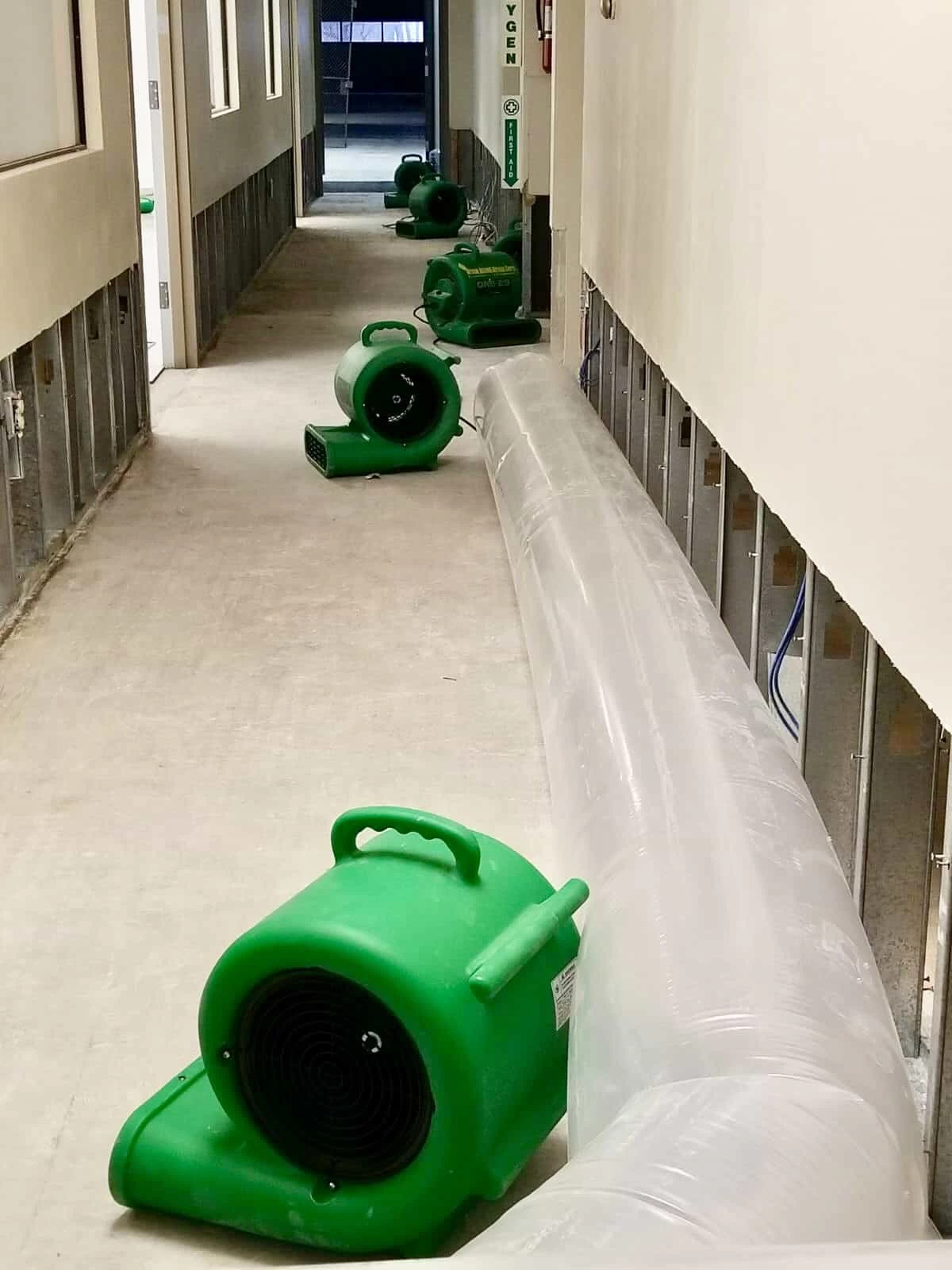
The specific concern with flood-damaged homes is mold. When water intrudes into an older structure, mold growth can begin within 24 to 72 hours and in Stony Brook’s pre-1980 housing stock, that mold often develops behind walls, under flooring, and in crawl spaces where it isn’t immediately visible. New York State Article 32 requires a licensed mold remediation contractor for any mold remediation above 10 square feet. We hold that license. If your property was affected by flooding whether in 2022 or a more recent storm we assess for mold and moisture intrusion as part of the pre-demolition process, so nothing gets missed before the structure comes down.
Can I demolish my house in winter in Stony Brook?
Yes, and in some cases it’s actually a smart time to move. Winter demolition on Long Island is technically straightforward frozen ground can improve equipment access on lots that are soft or waterlogged during other seasons, which is relevant for properties near Stony Brook Harbor or in low-lying areas around Mill Pond. The Brookhaven Building Division processes permits year-round, and there’s no seasonal restriction on demolition work in this area.
The practical advantage of a winter demolition is that it positions you for a spring construction start. If you’re planning a teardown-rebuild which is an active pattern in the Three Villages area, where lot values are high relative to the age of the existing structure getting the old structure down in January or February means your builder can break ground as soon as conditions allow in March or April. We can walk you through the timing and help you plan around your builder’s start date.
How do I verify that a demolition contractor in Stony Brook is properly licensed?
The most important licenses to verify for a demolition project in New York are the NYS Department of Labor Asbestos Contractor License and the Suffolk County Home Improvement Contractor License. Both are publicly searchable the NYS DOL license database is accessible online, and Suffolk County maintains its own contractor registry. If a contractor can’t provide a license number you can look up, that’s a significant red flag.
In the Stony Brook market, the gap in licensing among local demolition contractors is real. A contractor without environmental remediation credentials either has to subcontract those phases out adding coordination risk and cost or skip them entirely, which creates legal liability for you as the property owner. Our full license stack is verifiable, and we’ll provide documentation before you sign anything.