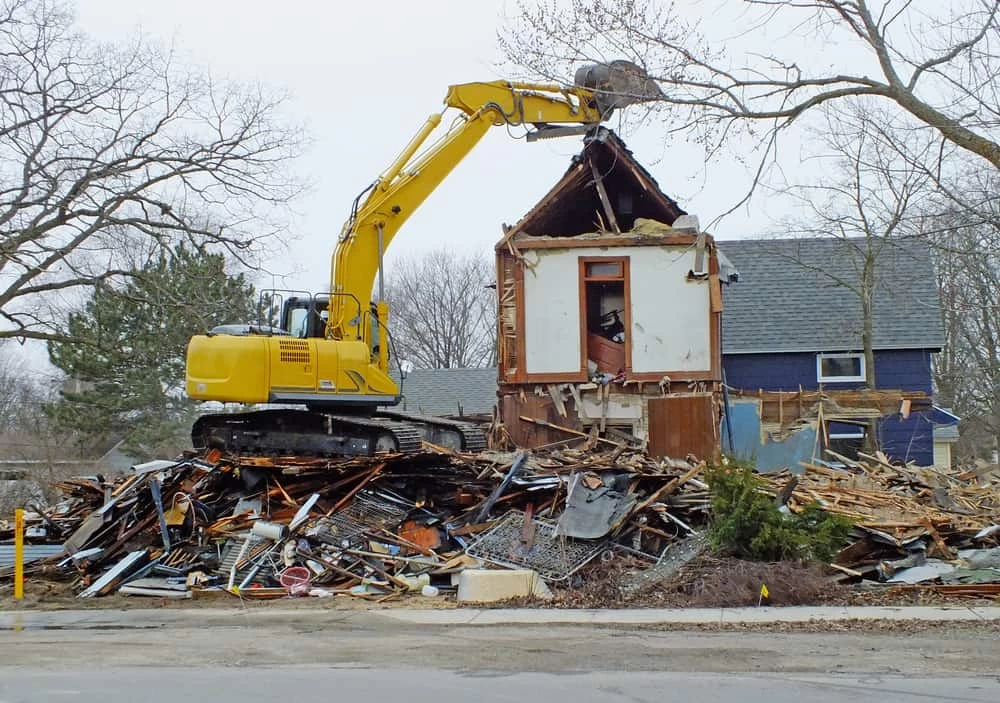
Most homes in Sunnyside were built before 1940 and demolishing them the right way means handling asbestos, permits, and NYC regulations before a single wall comes down. We manage the full process so you don’t have to navigate it alone.
I needed a professional consultation explanation of procedure for safe removal of Asbestos in my apartment complex. Without having an account yet, I was very impressed with the caring, knowledgeable and generous advice offered by Jessica, and will look forward to doing business in the future. Thank you so much! I feel much more informed about a sometimes scary endeavor. Peace. Nancy Silva Mineola, NY.
Mia Munoz
Used this company to clean up some water flood in my house. They were fast and easy to work with.very professional, Would recommend to anyone!
Nini Valle
Great company, had a flood and they responded quickly and efficiently. Billed my insurance company directly. I highly recommend this company!
joe colapietro, jr
I had pipe freeze in my basement right before a snow storm and they made to within an hour to help start the clean up process. They we by our side throughout the entire process and even helped with the insurance company. They did such a great job with the cleanup, repair, remidiation, I contracted them to perform the repairs and finishes in the basement. They came with enough manpower and material to get the job done. Leo and Jessica were nothing but a pleasure to deal with!!
Cristian Arredondo c
I had some water damage in my home and Green Island was able to take care of my issue quickly and effectively. I am very pleased with the work they did. They responded quickly and were very professional.
Michael M
Outstanding service! From the office to the field crew everyone was friendly, helpful and responsive. I highly recommend Green Island Group.
Demolition in Sunnyside isn’t like tearing down a house in the suburbs. You’re dealing with attached rowhouses, shared walls, narrow streets, and a building stock that’s almost entirely pre-war. That combination creates real exposure regulatory, structural, and financial if the contractor you hire doesn’t understand what they’re walking into.
The biggest thing most homeowners don’t expect is how much happens before the actual demolition begins. In New York City, you need a full demolition permit from the NYC Department of Buildings. If your property sits within the Sunnyside Gardens Historic District one of the city’s most significant planned communities, built between 1924 and 1928 you’ll also need a special permit from the NYC Landmarks Preservation Commission before anything is touched. Miss that step and you’re looking at a stop-work order and fines starting at $2,500.
Then there’s asbestos. Under New York State Industrial Code Rule 56, a certified asbestos survey is required before any demolition or renovation work on any building period. In Sunnyside, where most homes predate 1940, asbestos isn’t a maybe. It’s almost always there, in the pipe insulation, floor tiles, plaster, or roofing. When your demolition contractor is also a certified asbestos abatement company, you don’t lose weeks waiting for a third party to clear the site. The survey, the abatement, and the teardown move as one continuous process.
12 Years Working Inside Sunnyside and Queens' Regulatory Environment
We’ve been doing demolition and environmental remediation work across New York City and Long Island for over 12 years. That’s more than 5,000 completed projects in all five boroughs, Nassau County, and Suffolk County. We’re not a Long Island contractor who occasionally crosses into Queens. We operate inside NYC’s regulatory environment every day, which means we know the DOB permit process, the NYCDEP asbestos filing requirements, and what it takes to work in dense western Queens neighborhoods like Sunnyside where the margin for error is tight.
Owner Leo Torres runs the operation directly. When you call, you’re not getting a call center. You’re getting someone who can actually answer your questions about your specific project whether that’s a rowhouse on 46th Street, a co-op building near Queens Boulevard, or a property inside the Sunnyside Gardens Historic District that requires LPC review before work begins.
We’re fully licensed, certified for asbestos abatement under NYS DOL, and carry the insurance coverage required to work on attached urban structures. We also work directly with insurance carriers so if your demolition is tied to a fire or water damage claim, we handle that process so you don’t have to fight it alone.
The first conversation is straightforward. You describe the property, the scope, and what’s driving the project. From there, we assess what permits are required, whether an asbestos survey is needed (in Sunnyside, it almost always is), and whether the property falls within the Sunnyside Gardens Historic District because that changes the permit path entirely and needs to be identified early.
Once the scope is confirmed, the asbestos survey happens first. A certified inspector assesses the structure for asbestos-containing materials before any demolition work begins this is a legal requirement in New York State, not optional. If abatement is needed, we handle it in-house, with proper containment and NYCDEP notification filed as required. There’s no waiting on a separate subcontractor to finish before the demolition crew can start.
After abatement clearance, the demolition permit is pulled from the NYC DOB and the physical work begins. For attached structures which is most of Sunnyside adjacent building protection is part of the plan from day one. Debris is removed, the site is cleared, and a post-demolition inspection is completed with the DOB. What you end up with is a clean, compliant site and a documented paper trail that protects you at every step.
We handle residential and commercial demolition in Sunnyside and across Queens County. That includes full house demolition, partial or selective demolition, interior demolition, and emergency teardown when a structure has been damaged by fire, flooding, or a sudden failure. The service isn’t just the physical work it’s everything that has to happen before and after.
For Sunnyside specifically, asbestos abatement is built into our process, not billed as a surprise at the end. The DOB permit application is handled correctly the first time, including any additional LPC review required for properties in the Sunnyside Gardens Historic District. Utility disconnection is coordinated before work begins, adjacent structures are protected throughout, and the site is left in a condition that passes post-demolition inspection.
For homeowners dealing with an insurance claim alongside the demolition which is common after fire or water damage we bill insurance carriers directly. That’s not a small thing when you’re already managing temporary housing, adjusters, and a timeline that feels out of your control. We’re also available 24/7, so if something happens on a Friday night on a block off Queens Boulevard or anywhere else in Sunnyside, you can reach a real person and get the process started right away. One team, one timeline, one point of contact from start to finish.
Do I need a permit to demolish a house in Sunnyside, NY?
Yes and in New York City, the permit process involves more steps than most homeowners expect. For a full teardown in Sunnyside, you need a demolition permit from the NYC Department of Buildings. Before that permit is issued, you’re required to demonstrate that asbestos abatement has been addressed, which means a certified asbestos survey must happen first. Utilities need to be disconnected and signed off by the relevant providers before the DOB will move forward.
If your property is located within the Sunnyside Gardens Historic District the planned community built between 1924 and 1928, now a designated NYC Landmarks Preservation Commission historic district you also need a special permit from the NYC Planning Commission before any demolition or substantial structural alteration can take place. That’s a separate process from the standard DOB permit, and it adds time to the project timeline. An experienced contractor will identify this requirement upfront and factor it into the schedule, not discover it after work has already started.
How much does house demolition cost in Queens, NY?
Nationally, house demolition runs between $6,000 and $25,000, with most homeowners landing around $15,000 to $16,000 for a standard 2,000-square-foot home. In New York City, expect to be toward the higher end of that range and then add the costs that are specific to NYC. Permit fees alone can reach $10,000 to $12,000. If asbestos abatement is required which it almost certainly will be in a pre-war Sunnyside home that adds to the total as well.
The honest answer is that the final number depends on the size of the structure, the scope of the work, what hazardous materials are present, and whether the property has any historic district complications. Getting a firm estimate means having a contractor who can assess all of those factors, not just the square footage. A low bid that doesn’t account for asbestos abatement or LPC permitting isn’t actually a low bid it’s a number that’s going to change on you mid-project.
My Sunnyside home was built in the 1920s is asbestos definitely a concern?
Almost certainly, yes. Homes built before 1940 which covers the majority of Sunnyside’s residential stock, including most of Sunnyside Gardens were constructed during an era when asbestos was used routinely in insulation, pipe wrapping, floor tiles, ceiling tiles, plaster, and roofing materials. It’s not a question of whether asbestos might be present. In most pre-war Sunnyside homes, it is present somewhere in the structure.
Under New York State Industrial Code Rule 56, a certified asbestos survey is legally required before any demolition or renovation work begins regardless of how small the project is. If regulated asbestos-containing materials are found, abatement must be completed by a licensed contractor and NYCDEP must be notified in advance. Skipping this step doesn’t just create health risks it exposes you to stop-work orders, project delays, and fines that can reach tens of thousands of dollars. Working with a contractor who handles both the asbestos abatement and the demolition in-house means you’re not managing two separate timelines and two separate sets of paperwork.
What happens if my neighbor's house shares a wall with mine?
Shared walls which are extremely common in Sunnyside’s attached rowhouse blocks require a different approach than freestanding home demolition. Before work begins, a structural assessment is done to understand how the two structures interact. In many cases, temporary shoring is required to support the adjacent building while the demolition is underway, protecting it from any movement or settling that could occur when the shared wall is disturbed.
Dust containment, vibration management, and debris control are all part of the plan for attached-building demolition. The NYC DOB has specific requirements around adjacent building protection, and those requirements are enforced. A contractor who works regularly in dense western Queens neighborhoods where attached structures are the norm, not the exception will have these protocols already built into their process. It’s not something you want to be a contractor’s first time figuring out on your block.
How long does house demolition take from start to finish in NYC?
The physical demolition of a single-family home typically takes anywhere from a few days to about a week, depending on the size and complexity of the structure. But the full timeline from initial assessment to cleared site is longer in New York City than in most other markets, because of the permit and abatement requirements that have to happen first.
The asbestos survey takes a few days to complete and get results back. If abatement is needed, that adds time depending on the scope. The DOB permit review process can take several weeks, and if LPC review is required for a property in the Sunnyside Gardens Historic District, that adds additional time to the front end of the project. Realistically, you should plan for a total project timeline of four to eight weeks from first call to final site clearance though emergency situations can sometimes be expedited. A contractor who’s transparent about the timeline upfront, including the permit and abatement phases, is one you can actually plan around.
Can Green Island Group handle demolition tied to a fire or water damage insurance claim?
Yes, and this is one of the more common situations we’re called into. When a Sunnyside home has been damaged by fire, a burst pipe, or flooding, demolition is often part of the remediation process either to remove a structurally compromised section or to clear the site entirely before rebuilding. In those cases, the demolition work is typically covered under the homeowner’s insurance policy, and we bill the insurance carrier directly.
What that means practically is that you’re not fronting the cost and waiting for reimbursement, and you’re not spending hours on the phone with adjusters trying to explain what work needs to be done and why. We handle the documentation, the billing, and the back-and-forth with the carrier. That matters a lot when you’re already dealing with displacement, temporary housing, and everything else that comes with a major property loss. We’re available 24 hours a day, seven days a week so if something happens at an inconvenient hour on a block near Queens Boulevard or anywhere else in Sunnyside, you can reach a real person and get the process started right away.