Your Financial District Kitchen Deserves More Than a 2002 Conversion Finish
Most kitchens in Bowling Green and the surrounding Financial District were installed when these office towers first went residential and they’ve been overdue ever since. We handle kitchen remodeling from design through permits, built for the way Manhattan apartment renovations actually work.
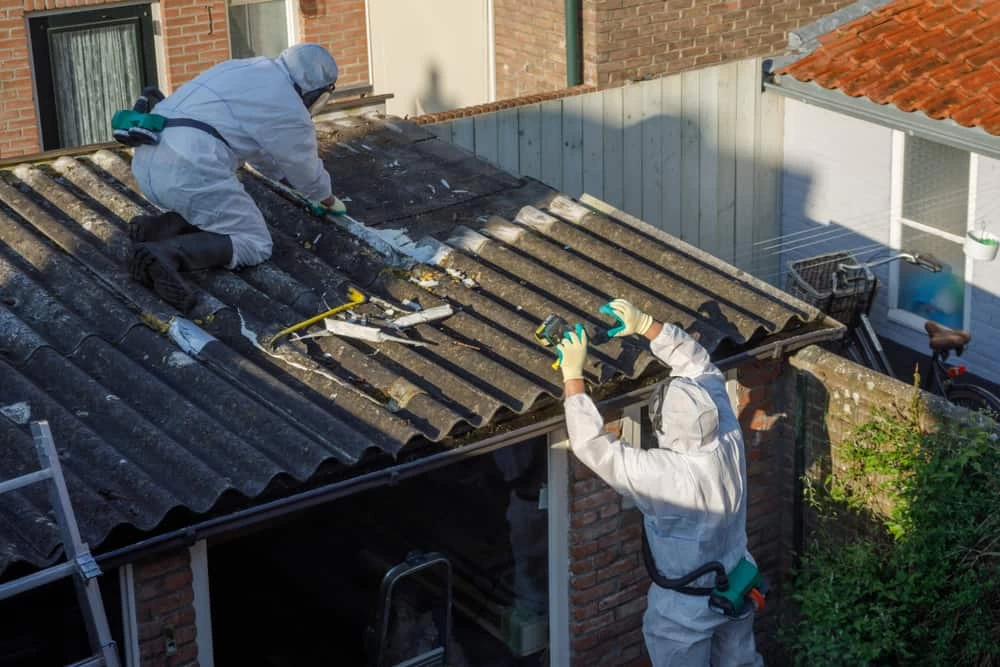
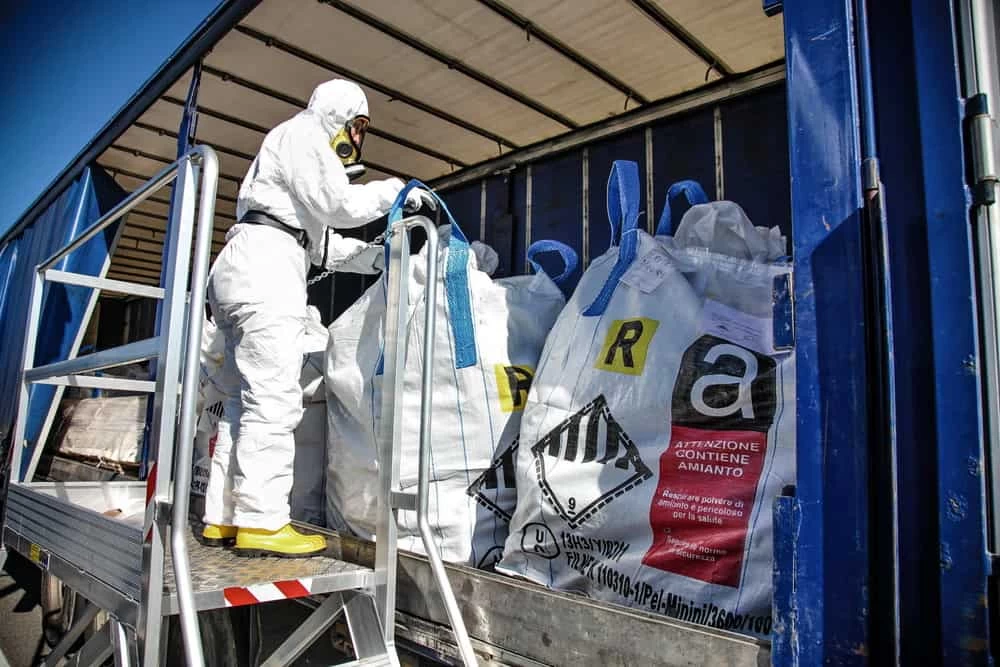
I needed a professional consultation explanation of procedure for safe removal of Asbestos in my apartment complex. Without having an account yet, I was very impressed with the caring, knowledgeable and generous advice offered by Jessica, and will look forward to doing business in the future. Thank you so much! I feel much more informed about a sometimes scary endeavor. Peace. Nancy Silva Mineola, NY.
Mia Munoz
Used this company to clean up some water flood in my house. They were fast and easy to work with.very professional, Would recommend to anyone!
Nini Valle
Great company, had a flood and they responded quickly and efficiently. Billed my insurance company directly. I highly recommend this company!
joe colapietro, jr
I had pipe freeze in my basement right before a snow storm and they made to within an hour to help start the clean up process. They we by our side throughout the entire process and even helped with the insurance company. They did such a great job with the cleanup, repair, remidiation, I contracted them to perform the repairs and finishes in the basement. They came with enough manpower and material to get the job done. Leo and Jessica were nothing but a pleasure to deal with!!
Cristian Arredondo c
I had some water damage in my home and Green Island was able to take care of my issue quickly and effectively. I am very pleased with the work they did. They responded quickly and were very professional.
Michael M
Outstanding service! From the office to the field crew everyone was friendly, helpful and responsive. I highly recommend Green Island Group.
What Changes When Your Kitchen Finally Matches the Building You Live In
Living in a building with concierge service, rooftop amenities, and Hudson River views and then walking into a laminate kitchen from 2003 creates a disconnect that’s hard to ignore. A well-executed kitchen renovation closes that gap. Not just visually, but functionally. Better storage, better workflow, better materials that hold up to daily use in a space where every square foot is doing real work.
The Financial District residential stock is unique. Most of these buildings started as commercial towers and got converted to condos and co-ops after 9/11. That means the kitchens were installed during a conversion wave, often quickly, often to a standard that made sense then but doesn’t anymore. If you’ve been in your unit for more than a few years, there’s a good chance your kitchen is the one thing that hasn’t kept pace with everything else in your life.
Beyond the aesthetics, a renovated kitchen in a building where units average over $1.6 million in value is a real financial move. In a market this liquid, buyers notice kitchens immediately. A modern, high-quality kitchen is one of the clearest factors separating a listing that sits from one that moves and minor kitchen remodels nationally return close to 96% of their cost at resale. In Lower Manhattan, that math gets even stronger.
Over 5,000 Projects in Lower Manhattan, and We Know What's Inside These Walls
We’ve been completing restoration and remodeling projects across New York State since 2012 over 5,000 of them. That includes high-rise residential work in Bowling Green and throughout Lower Manhattan, emergency water damage responses in Manhattan buildings, and full kitchen renovations where the project started with a burst pipe and ended with a completely rebuilt space.
What makes that relevant to you specifically is this: a lot of kitchens in Bowling Green and Battery Park City don’t start with a design inspiration. They start with a water event. A pipe failure. A leak from the unit above. We handle both sides of that the remediation and the rebuild without you having to coordinate two separate contractors, two separate timelines, and two separate headaches.
Our team is reachable around the clock, named contacts included. Reviews across Angi, Yelp, and Birdeye call out Leo and Jessica by name, and that kind of personal accountability is not something you find easily in this market. We’re a certified MWBE contractor and an approved vendor for New York State agencies a level of institutional vetting that most residential remodelers can’t claim.
The Process Laid Out Clearly, Before You Commit to Anything
Renovating a kitchen in a Bowling Green co-op or condo involves more steps than a suburban gut renovation and a contractor who doesn’t know that going in will cost you time and money. Here’s how we approach it.
It starts with a full design consultation and 3D modeling. Before anything is ordered or filed, you’ll see exactly what your kitchen will look like layout, cabinetry, countertops, lighting, backsplash in a rendered preview. This isn’t a courtesy step. In a space where you’re spending $75,000 or more, seeing it before it’s built is how decisions should be made.
From there, the permitting process begins. In NYC, that means filing with the Department of Buildings through DOB NOW, and as of new 2026 attestation rules coordinating your co-op or condo board’s formal approval before a permit can even be filed. We manage that entire process. Board alteration agreements, DOB filings, building management coordination, work hour compliance all of it is handled without you having to chase paperwork or translate city bureaucracy. Once approvals are in place, construction follows a clear milestone schedule, with communication built in at every stage so you’re never left wondering where things stand.
Built for Manhattan Apartments, Not Suburban Square Footage
Kitchen remodeling in a Financial District or Battery Park City apartment is a fundamentally different project than a suburban kitchen renovation. The spaces are compact. The buildings have rules. The logistics elevator scheduling, material deliveries, work hour windows require a contractor who’s done this before, not one figuring it out on your job.
Our kitchen remodeling services cover the full scope: custom cabinetry built to specification with soft-close hardware, quartz and granite countertop installation, hand-laid tile backsplashes, hardwood and tile flooring, under-cabinet lighting, plumbing modifications for sinks and dishwasher lines, and open-concept layout conversions where the building structure allows. Every project starts with 3D design and blueprints, so the finished product matches what you approved not a close approximation.
For kitchens that are starting from a damage event water intrusion, a pipe failure, residual moisture from a building-wide issue our restoration background means we can assess what’s actually inside your walls before the remodel begins. That matters in buildings where the structure is 80 to 100 years old and the residential conversion happened decades ago. We also work directly with insurance companies when a claim is involved, handling the billing and documentation on your behalf so the process doesn’t fall on you.
Do I need a DOB permit for a kitchen renovation in a Bowling Green condo?
In most cases, yes. Any kitchen renovation in New York City that involves electrical work, plumbing modifications, or changes to the building’s mechanical systems requires a permit filed with the NYC Department of Buildings through their DOB NOW portal. This typically means an Alt-2 permit for interior work involving multiple trades. Unpermitted work in a NYC apartment isn’t just a code issue it becomes a real problem when you go to sell or refinance, and building inspectors in Lower Manhattan are active.
There’s also a layer that’s specific to co-op and condo buildings in Bowling Green and the Financial District: as of January 2026, new DOB attestation rules require your board to formally confirm approval in DOB NOW before a contractor can even file for a permit. That means the permitting process now starts with your building, not the city. We manage both sides of this the board coordination and the DOB filing so you’re not navigating two separate bureaucracies on your own.
How long does a kitchen renovation typically take in a Manhattan high-rise apartment?
The honest answer is that the timeline depends heavily on how long the pre-construction approvals take and in a NYC co-op or condo, that process can take longer than the construction itself. Board review, alteration agreement sign-off, DOB filing, and permit issuance can collectively add four to eight weeks before a single tool is lifted. If you’re planning a renovation in Bowling Green, building that into your timeline from the start will save you a lot of frustration.
Once permits are in place and approvals are secured, a standard kitchen renovation in a Manhattan apartment typically runs four to six weeks of active construction. That timeline assumes no major surprises inside the walls which, in buildings that are 80 to 100 years old at the structural level, isn’t always guaranteed. Our restoration background means we’re equipped to handle what we find without stopping the project cold and starting over on a plan.
What does a kitchen remodel actually cost in the Financial District or Battery Park City?
NYC kitchen remodeling costs run higher than national averages for a few compounding reasons: city labor rates, DOB permit fees (which are often calculated as a percentage of total construction cost), building management fees and renovation deposits that can run $5,000 to $25,000 before construction even begins, and the high-rise logistics costs that come with elevator scheduling, material deliveries, and strict work hour windows.
For a mid-range kitchen renovation in a Lower Manhattan apartment custom cabinetry, stone countertops, new flooring, updated plumbing and electrical you’re typically looking at $75,000 to $150,000 depending on scope and materials. Upscale renovations in this market can exceed that. In a neighborhood where the average unit value is over $1.6 million, that investment is not out of proportion it’s protecting and improving a significant asset. The more important number than the upfront cost is the cost overrun risk, which is why transparent, milestone-based pricing matters more than a low opening quote.
Can Green Island Group handle a kitchen remodel that started because of water damage?
Yes and this is actually one of the more common starting points for kitchen renovations in this part of Manhattan. High-rise residential buildings in the Financial District and Battery Park City deal with water intrusion events regularly: burst pipes, HVAC condensate leaks, inter-unit water migration, and in some cases, residual moisture from older building infrastructure that was never fully resolved.
When a kitchen remodel starts with a water event, you typically need someone who can assess and remediate the damage before the renovation begins otherwise you’re installing new cabinetry over a moisture problem that will resurface. We handle both sides of this in a single engagement. We do the remediation, confirm the walls are clean, and then proceed with the full kitchen renovation. We also work directly with insurance companies, handling billing and claims documentation on your behalf, which takes a significant piece of the administrative burden off your plate.
How do I get my co-op board to approve a kitchen renovation in Bowling Green?
Co-op board approval for a kitchen renovation typically requires submitting a detailed scope of work with architect-stamped drawings, documentation showing how any changes affecting plumbing stacks are properly designed, proof of contractor insurance that meets the building’s specific requirements, a proposed work schedule that complies with the building’s rules (most Manhattan buildings restrict work to weekdays, generally 9 AM to 5 PM), and a signed alteration agreement from the unit owner.
The board review process varies by building some move quickly, others take several weeks. The most common reason for delays is incomplete documentation from the contractor’s side. We prepare the full submission package, including the drawings and insurance documentation, and manage the back-and-forth with the board so the process moves as efficiently as possible. Given the 2026 DOB attestation rule change, board approval is now a formal prerequisite to permit filing not just an internal building formality which makes getting it right the first time even more important.
Is a kitchen cabinet renovation enough, or does the whole kitchen need to be redone?
It depends on what’s actually driving the problem. If your layout works, your plumbing and electrical are in good shape, and your main frustration is with how the kitchen looks, a cabinet renovation or refacing project can make a significant difference without the cost and timeline of a full gut renovation. New cabinetry with updated hardware, a new countertop, and a fresh backsplash can transform the feel of a kitchen in a Battery Park City or Financial District apartment without triggering a full DOB permit process.
That said, a lot of kitchens in Bowling Green were installed during the post-9/11 residential conversion wave and are now 20 to 25 years old. At that age, it’s worth having someone assess what’s behind the cabinets before you invest in a surface-level update especially in buildings with older plumbing stacks or any history of moisture. We can walk through your specific kitchen and give you an honest read on whether a targeted renovation makes sense or whether a more complete remodel would serve you better in the long run.