When your kitchen sits inside a SoHo cast-iron loft or a pre-war walk-up off Bowery, a standard remodel approach doesn’t cut it. These buildings were built between the 1860s and early 1900s, and what’s inside the walls old plumbing stacks, outdated wiring, asbestos-era materials can stop an unprepared contractor cold. The difference between a smooth project and a stalled one is whether your contractor has actually been inside buildings like yours before.
We have. Our background in disaster restoration means we’ve opened walls in some of New York’s most complex residential buildings and kept working. When a kitchen remodel in a Tribeca warehouse conversion or a Chinatown tenement turns up a cracked cast-iron drain or moisture damage behind the tile, that’s not a crisis it’s Tuesday. The project moves forward because our team already has the certifications and experience to handle what’s there.
The end result is a kitchen that functions the way your space actually demands designed around open loft sightlines, high ceilings, exposed columns, or the tight footprint of a pre-war unit and finished at a standard that belongs in a building where the median condo price clears $1.6 million. That’s not a luxury upgrade. In this market, it’s the baseline.
We’ve been operating since 2012 and have completed over 5,000 restoration and construction projects across New York State. We serve Canal Street and the surrounding neighborhoods SoHo, Tribeca, Chinatown, Little Italy, Hudson Square as part of a documented NYC service area, not as an afterthought to a suburban business model.
What separates us in this market is our dual expertise. We are not just kitchen remodelers we are a licensed restoration and remodeling company that has worked inside the full range of New York City’s building stock, from converted cast-iron lofts to rent-stabilized tenements. When your building has a history, we have the experience to work with it.
We are also a New York State-certified Minority and Woman-Owned Business Enterprise (MWBE) a credential that requires formal state vetting, not just self-reporting. Named team members Leo and Jessica are cited by name in multiple verified reviews for their responsiveness and accountability. That kind of personal ownership is rare in this space, and it matters when you’re managing a co-op board timeline and a DOB permit clock at the same time.
It starts with a consultation where we assess your space, your goals, and the specific constraints of your building. Near Canal Street, that means understanding your building type co-op, condo, loft conversion, or pre-war rental and what approval process applies before a single tool comes out. Co-op and condo boards in this area can add four to eight weeks to a project timeline, and we build that into the plan from day one, not as a surprise halfway through.
From there, the design phase produces a full 3D model and blueprint of your new kitchen before any construction begins. You see exactly what you’re getting cabinet placement, countertop edges, lighting, layout in the context of your actual space. For a loft with exposed columns or a galley kitchen in a pre-war unit, that visualization step is not optional. It’s how you avoid expensive mid-project changes.
Once the design is approved, we file all required NYC Department of Buildings permits typically an ALT-2 permit for kitchens involving plumbing, electrical, or structural changes, with permit fees running $2,500 to $5,000. We handle freight elevator scheduling, noise restriction compliance, and material delivery coordination with your building. Demo, construction, cabinetry, countertops, backsplash, electrical, plumbing, and all finish work are managed under one team. When the project is complete, you do a final walkthrough together. If anything isn’t right, it gets fixed before we leave.
Ready to get started?
A kitchen remodel with us covers the full scope custom cabinetry built to the specific dimensions of your space, quartz and granite countertop installation, backsplash work, under-cabinet lighting, open-concept layout conversions, plumbing modifications, and flooring. Everything is handled in-house by one team. In a Canal Street building with strict noise windows, freight elevator scheduling, and a co-op board watching the work, managing three separate subcontractors who’ve never worked together is a problem you don’t need. One team, one point of contact, one accountable outcome.
For buildings in the SoHo Cast-Iron Historic District or other designated areas near Canal Street, we understand the regulatory environment that comes with those designations. We also handle insurance billing directly for kitchen remodels that follow water damage or pipe events which matters in a neighborhood built on the filled-in remnants of Collect Pond, where aging plumbing infrastructure in older buildings creates real and ongoing moisture risk.
If your remodel follows a damage event, our restoration background means the scope doesn’t split between two companies. The remediation and the rebuild happen with the same team, on the same timeline. And if your building’s alteration agreement restricts plumbing fixture relocation a common co-op rule in this area we know that before the design is drawn, not after demolition has started.
Yes, and it’s more involved than a standard permit pull. In New York City, any kitchen remodel that touches plumbing, electrical, or structural elements requires an Alteration Type 2 (ALT-2) permit filed through the NYC Department of Buildings and it must be filed by a Registered Architect or Professional Engineer, not just a general contractor. Budget $2,500 to $5,000 in permit fees for a typical kitchen scope.
On top of the DOB permit, co-op and condo boards in the Canal Street area require their own approval before work begins. That means submitting renovation plans to the board, signing an alteration agreement specific to your building, and sometimes waiting four to eight weeks for board review. Some buildings also require proof of contractor insurance at specific coverage levels before they’ll allow work to start. We manage all of this the DOB filing, the board submission package, and the alteration agreement compliance so you’re not chasing paperwork while trying to run your life.
The honest range for a mid-scope Manhattan kitchen remodel is $30,000 to $75,000. High-end remodels in SoHo lofts or Tribeca warehouse conversions where custom cabinetry, waterfall quartz islands, and integrated appliances are the expectation regularly run $75,000 to $150,000 or more. SoHo gut renovations broadly can exceed $500 per square foot when you factor in the full scope of what these buildings require.
Permit fees alone add $2,500 to $5,000 before any construction begins. Material delivery logistics in a Manhattan building freight elevator scheduling, building protection requirements, debris removal add cost that suburban projects don’t carry. What matters in this market is not finding the lowest number. It’s finding a contractor who can execute cleanly in a co-op or loft environment without surprises that inflate the final invoice. At a median condo value of $1.6 million in the Canal Street zip code, a well-executed kitchen remodel is one of the highest-returning investments you can make in your existing space.
Sometimes, but not always and the answer depends on your specific building’s alteration agreement, not just the NYC Building Code. Many co-op boards in the Canal Street area prohibit relocating wet areas, including kitchen sinks, because of the wet-over-dry rule: you cannot place a wet area above a dry area in the unit below without board approval, and many boards simply won’t allow it at all. This is a co-op governance issue, not a city code issue, which means it varies building by building.
Before any layout is designed, we review your building’s alteration agreement to understand what’s permitted. There’s no point designing a kitchen around a relocated island sink if the board is going to reject it. If your building does allow plumbing relocation, it requires a licensed plumber, DOB permits, and in some cases a wet-over-dry inspection. All of that is handled in-house you’re not coordinating between a designer who doesn’t know your building’s rules and a plumber who’s never worked in a co-op.
For a mid-scope kitchen remodel new cabinetry, countertops, backsplash, updated electrical and plumbing the construction phase typically runs four to eight weeks. But near Canal Street, the total project timeline is longer because of the regulatory layers that come before construction starts. Co-op or condo board approval alone can take four to eight weeks after you submit your renovation plans. Add DOB permit processing time on top of that, and a project that starts planning in September may not break ground until November or December.
The practical implication is that if you want a finished kitchen before the holidays a common goal for Tribeca and SoHo residents who entertain in the fall you need to start the planning and board approval process in late summer at the latest. We map the full timeline from the first consultation, including the board approval window, so you’re not caught off guard by a process that most contractors don’t warn you about until it’s already causing delays.
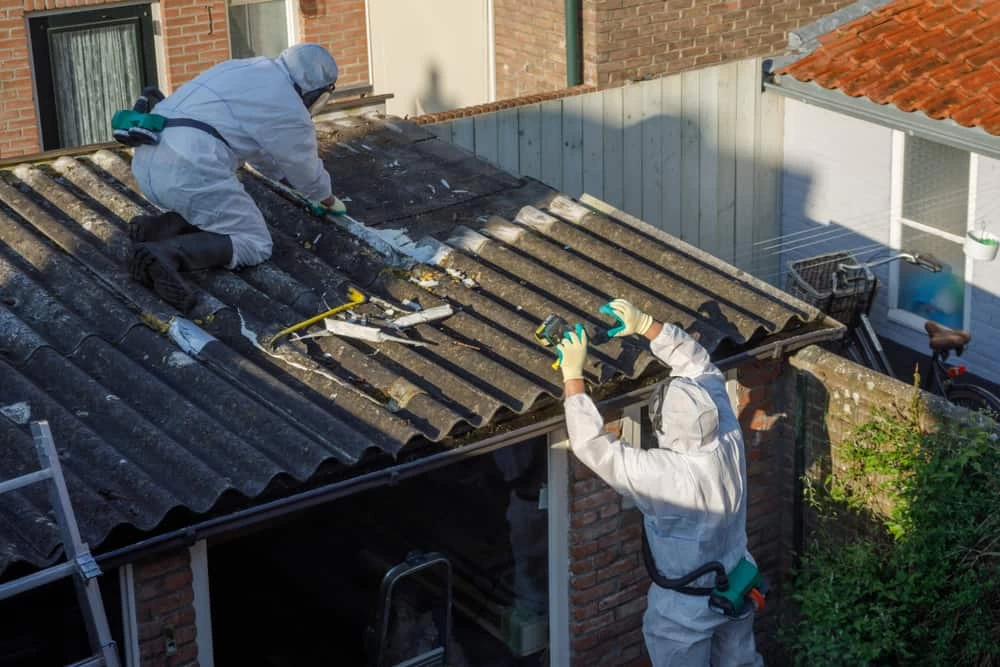
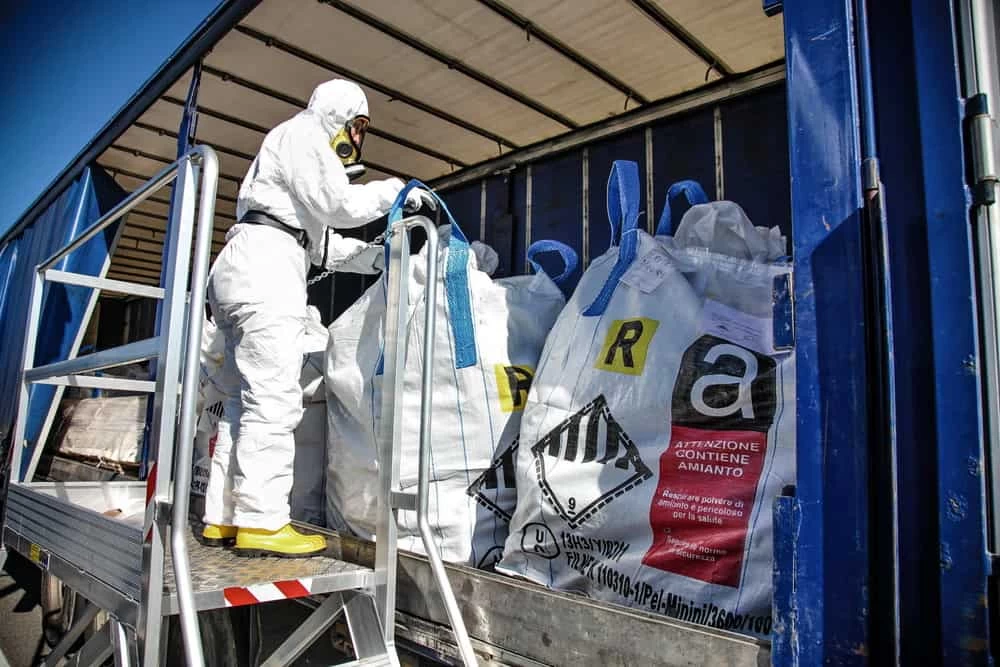
In buildings along the Canal Street corridor many of which were built between the 1860s and early 1900s finding something unexpected inside the walls is not unusual. It’s common. Asbestos-containing materials were used in floor tiles, pipe insulation, and ceiling finishes well into the mid-20th century. Cast-iron drain stacks in older buildings crack and corrode. Moisture infiltration in buildings sitting on the historically swampy ground of lower Manhattan the very land that once drained into the canal this street is named for creates mold conditions that can be hidden behind perfectly intact tile.
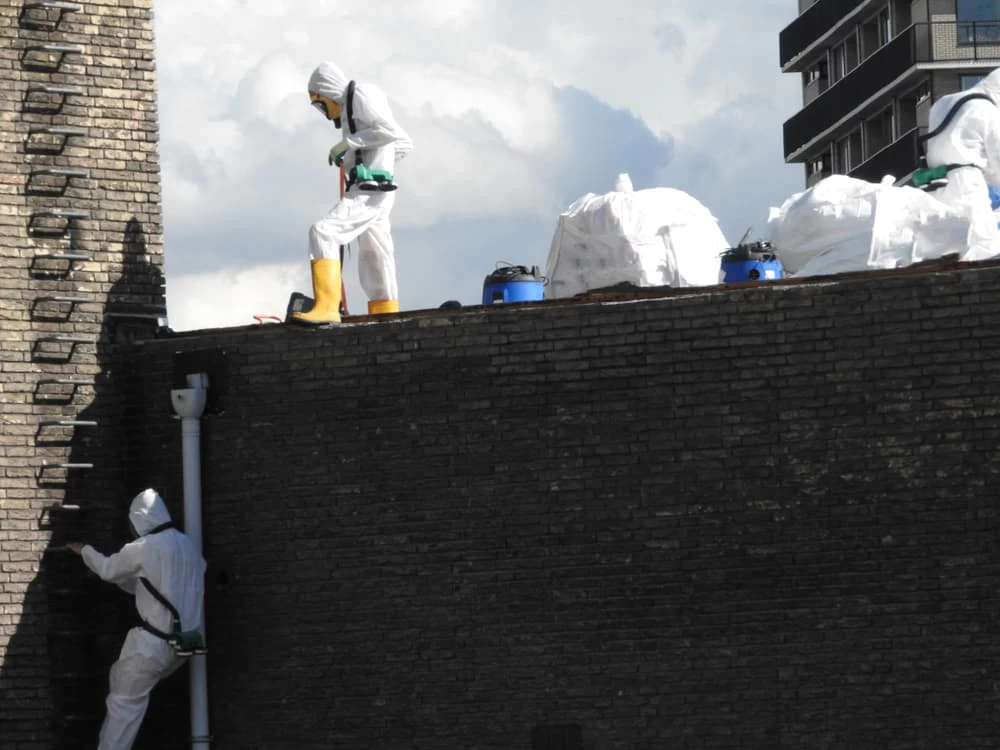
Most kitchen remodelers stop when they find this. They don’t have the certifications, the equipment, or the experience to handle it, so the project goes on hold while you scramble to find someone who does. Our restoration background means we hold the certifications for asbestos abatement, mold remediation, and water damage repair. When something turns up inside your walls, the project doesn’t pause it continues, handled by the same team that was already there.
Yes, and this is one of the more common ways kitchen remodel projects start in this part of Manhattan. The aging plumbing infrastructure in Canal Street’s surrounding buildings pre-war tenements, cast-iron lofts, converted warehouses creates real and recurring risk of pipe bursts, slow leaks, and moisture infiltration. When a kitchen takes water damage, the remodel that follows isn’t just cosmetic. It involves assessing what was damaged structurally, remediating any mold or moisture, and then rebuilding the space from the inside out.
We handle the full sequence restoration and remodel under one roof, and we bill insurance directly for the damage portion of the work. You’re not managing two separate contractors with two separate scopes, two separate invoices, and two separate timelines. The team that remediates the damage is the same team that designs and builds your new kitchen. For homeowners in older Canal Street-area buildings who’ve dealt with a pipe event, that continuity is not a small thing. It’s the difference between a clean, coordinated project and months of back-and-forth between companies that have never worked together.
Useful Links