Tenement Kitchens in Chinatown Deserve Better Than a Quick Fix
If your Chinatown kitchen has been functional but never quite right, you’re not alone and the fix is more available than you think. We handle full kitchen renovations in pre-war Manhattan apartments, permits and all.
I needed a professional consultation explanation of procedure for safe removal of Asbestos in my apartment complex. Without having an account yet, I was very impressed with the caring, knowledgeable and generous advice offered by Jessica, and will look forward to doing business in the future. Thank you so much! I feel much more informed about a sometimes scary endeavor. Peace. Nancy Silva Mineola, NY.
Mia Munoz
Used this company to clean up some water flood in my house. They were fast and easy to work with.very professional, Would recommend to anyone!
Nini Valle
Great company, had a flood and they responded quickly and efficiently. Billed my insurance company directly. I highly recommend this company!
joe colapietro, jr
I had pipe freeze in my basement right before a snow storm and they made to within an hour to help start the clean up process. They we by our side throughout the entire process and even helped with the insurance company. They did such a great job with the cleanup, repair, remidiation, I contracted them to perform the repairs and finishes in the basement. They came with enough manpower and material to get the job done. Leo and Jessica were nothing but a pleasure to deal with!!
Cristian Arredondo c
I had some water damage in my home and Green Island was able to take care of my issue quickly and effectively. I am very pleased with the work they did. They responded quickly and were very professional.
Michael M
Outstanding service! From the office to the field crew everyone was friendly, helpful and responsive. I highly recommend Green Island Group.
What Changes When Your Chinatown Kitchen Finally Works for You
Most kitchens in Chinatown weren’t designed for the way people actually cook. They were built for density, not function and decades of patched plumbing, outdated wiring, and cramped layouts have made them harder to work around than they should be. When that changes, the whole apartment feels different.
Counter space that actually fits your prep work. Storage that doesn’t require stacking things in the living room. Lighting that doesn’t make the room feel like a storage closet. These aren’t luxury upgrades they’re the basics that pre-war tenement buildings never delivered, and that a proper kitchen remodel finally can.
Living in one of the most densely built neighborhoods in Manhattan means your kitchen footprint probably isn’t going to grow. But the way it’s laid out, how the cabinets are configured, where the appliances sit all of that can change. And in a building where your unit might be worth $748,000 or more, getting that kitchen right isn’t just about comfort. It’s a smart investment in a market that’s appreciated roughly 5% per year for the past five years.
We've Worked in These Buildings We Know What's Inside Them
We’ve been completing renovation and restoration projects across New York State since 2012 over 5,000 of them. That includes Manhattan apartments, pre-war co-ops, and the kind of older residential buildings that line the blocks between Mott Street and East Broadway in Chinatown. This isn’t a company figuring out NYC construction on the fly.
What makes the difference here, specifically, is that we’re also a licensed disaster restoration contractor. Asbestos abatement, mold remediation, deteriorated plumbing these aren’t surprises that stop a project. They’re handled in-house, because they’ve been handled thousands of times before. In a neighborhood where most of the housing stock predates 1930, that matters more than it would almost anywhere else in the city.
We’re also a New York State-certified MWBE a designation that requires real vetting, not just a checkbox. Available 24/7, fully licensed, and experienced in the specific permit process that Manhattan DOB requires.
No Surprises Here's Exactly How Your Chinatown Kitchen Remodel Goes
It starts with a consultation and a 3D design walkthrough. Before anything is removed or ordered, you’ll see your kitchen in full layout, cabinetry, countertops, lighting so you’re approving something real, not a verbal description. In a small Manhattan kitchen where every inch is accounted for, that step isn’t optional. It’s how you avoid ending up with a result that almost works.
Once the design is locked, we handle the permit side. Most kitchen renovations in Manhattan that involve moving appliances, altering walls, or changing plumbing or electrical require an ALT2 permit filed by a licensed professional engineer through the NYC Department of Buildings. That process takes six to twelve weeks in Manhattan and it has to be done right, or work stops. We file it, coordinate the engineering, and manage the timeline so you’re not navigating DOB on your own.
If your building is a co-op or condo, the board package comes next proof of insurance, license documentation, scope of work, construction schedule. Then demolition begins. If anything unexpected turns up inside the walls and in a pre-war Chinatown building, it’s a real possibility it gets handled before the build-out moves forward. Custom cabinetry, countertops, tile, flooring, lighting, and plumbing fixtures go in according to the approved design. Final inspection closes the permit. You get a finished kitchen that was done legally and built to last.
Full-Scope Kitchen Remodeling Built for Pre-War Manhattan Apartments
A kitchen remodel with us covers the full scope not just the visible finish. Custom cabinetry built to the exact dimensions of your space, because stock cabinets weren’t made for tenement floor plans. Quartz and granite countertop installation. Backsplash tile work. Flooring. Under-cabinet lighting and electrical updates. Plumbing modifications for sinks and dishwashers. Open-concept layout conversions where the building structure allows. And full permit management from ALT2 filing through final DOB sign-off.
For Chinatown specifically, that last piece is where a lot of renovations go sideways. Unpermitted work in NYC can result in fines up to $10,000 and create real problems when you go to sell. We don’t hand you a permit application and wish you luck we handle it, including coordination with a licensed PE and any expediting that’s needed to keep the project moving.
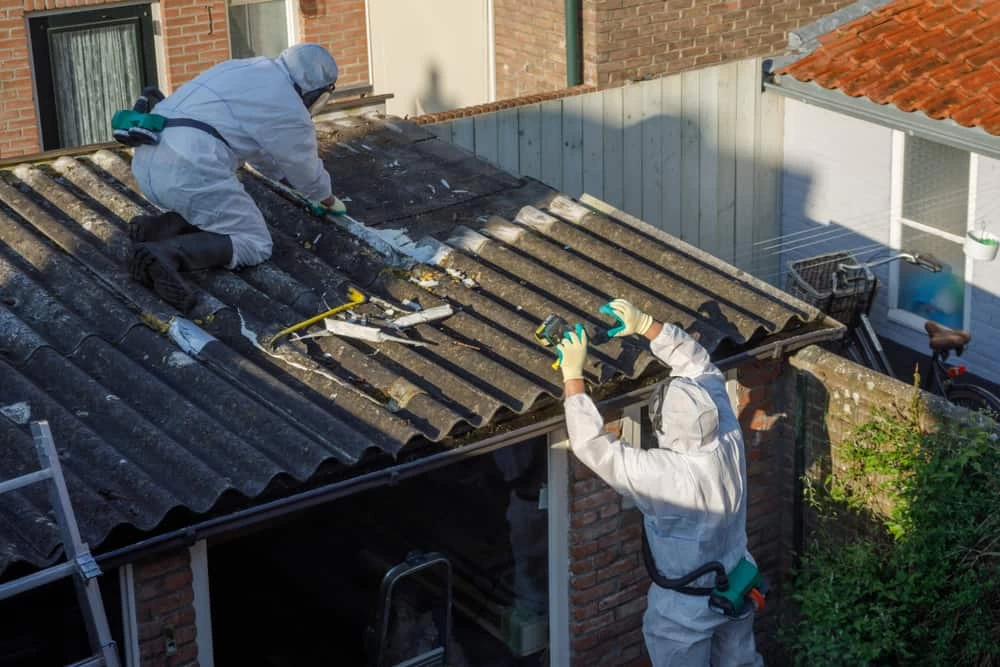
If demolition reveals asbestos-containing materials which is common in pre-1980 NYC construction, and especially in pre-war tenement buildings we’re licensed to abate it. No subcontractor delay, no surprise invoice for a separate scope. It gets handled as part of the project. That’s the practical advantage of working with a contractor who has been doing restoration and renovation work in New York buildings for over a decade.
How much does a kitchen remodel actually cost in Chinatown, Manhattan?
The honest range for a kitchen renovation in a Chinatown apartment is roughly $35,000 on the lower end for a straightforward refresh new cabinets, countertops, and fixtures in a space with no major structural or infrastructure changes up to $100,000 or more for a full gut renovation that involves moving plumbing, updating electrical, and replacing everything down to the subfloor. In Manhattan specifically, experienced contractor labor runs $150 to $250 per hour, and that’s before materials, permits, or engineering fees.
Permit and engineering costs in NYC add another $2,000 to $6,000 or more depending on the scope. If asbestos or lead is discovered during demolition which is genuinely common in pre-war Chinatown buildings abatement adds to the total. The standard advice is to budget at least 20% above any initial estimate for a pre-war apartment renovation. The contractors who give you a number significantly below market rate are almost always the ones who find ways to add it back in later.
Do I need a permit to remodel my kitchen in a Manhattan apartment?
For most kitchen renovations in Manhattan that go beyond cosmetic changes meaning anything that involves relocating appliances, altering walls, or modifying plumbing or electrical yes, you need a permit. Specifically, an ALT2 permit filed through the NYC Department of Buildings by a licensed professional engineer or registered architect. This isn’t a technicality you can skip. Unpermitted work in New York City can result in fines up to $10,000, stop-work orders, and legal complications when you sell your unit.
The permit process in Manhattan is also slower than most people expect. DOB processing for major projects can take six to twelve weeks. That timeline needs to be built into your project schedule from the start, not discovered after you’ve already signed a contract. Working with a contractor who handles the entire permit process filing, engineering coordination, expediting, and final inspection is the difference between a project that moves on schedule and one that stalls in bureaucracy for months.
What happens if asbestos is found during my kitchen renovation in Chinatown?
It’s a real possibility, not a remote one. Pre-war buildings in Chinatown many built before 1930 commonly contain asbestos in floor tiles, pipe insulation, joint compound, and other materials that were standard construction practice at the time. When a contractor opens a wall or pulls up a floor in one of these buildings, they may encounter it.
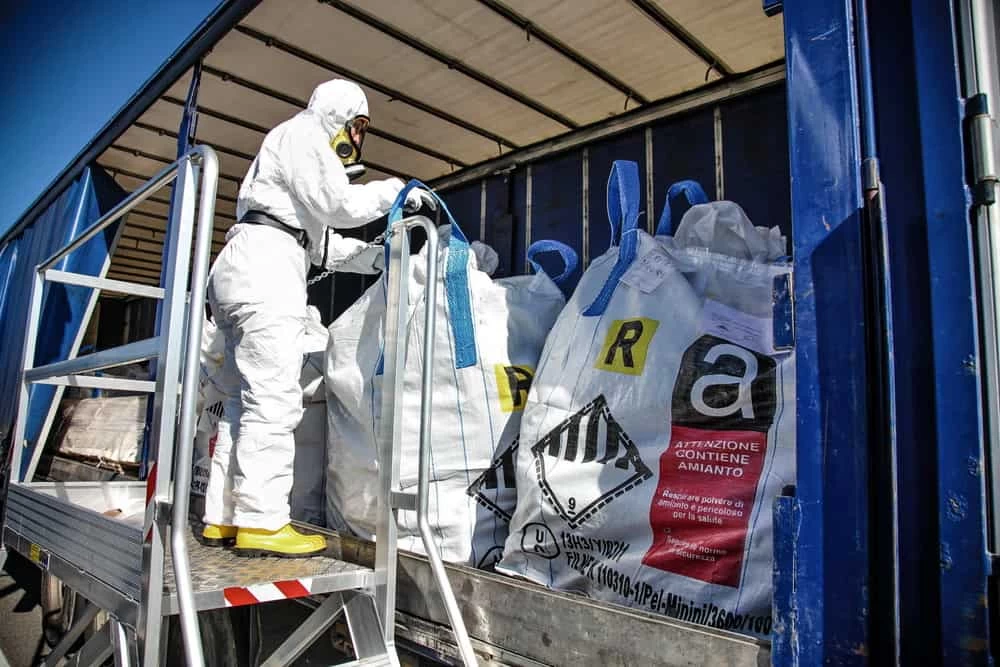
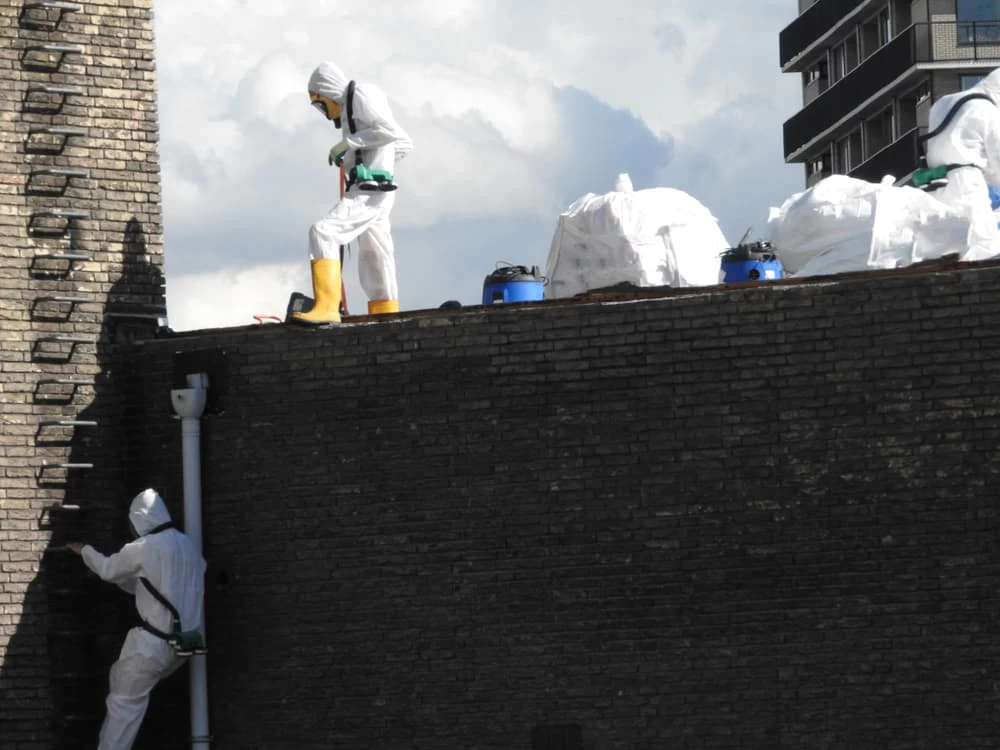
The right response is licensed abatement not covering it back up, and not removing it without proper containment and disposal protocols. In New York City, asbestos abatement must be performed by a licensed contractor following strict EPA and NYC DEP guidelines. We hold that license and handle abatement in-house. That means if it’s found during your kitchen demo, the project doesn’t stop while you search for a separate abatement contractor. It gets addressed, documented, and cleared and the renovation continues. For anyone remodeling in a pre-war Chinatown building, this is one of the most important questions to ask any contractor before signing anything.
How does a co-op or condo board approval affect my kitchen remodel timeline in NYC?
If you live in a co-op or condo and a significant portion of Chinatown’s residential buildings are one or the other your renovation cannot begin until the board approves it and you’ve signed an alteration agreement. That process typically adds two to four weeks to your timeline before a single cabinet is touched. The board will require proof of the contractor’s insurance, their license documentation, a detailed scope of work, and usually a construction schedule that confirms work will happen only during permitted hours, which in most NYC residential buildings means 8 AM to 5 PM on weekdays.
Contractors who aren’t familiar with this process create friction with your building management, with your neighbors, and with your timeline. The alteration agreement itself often includes specific requirements around dust containment, elevator usage, and debris removal that have to be followed throughout the project. Getting all of that documentation together correctly and quickly is part of what keeps a renovation moving rather than sitting in a holding pattern waiting for board sign-off.
How long does a full kitchen remodel take in a Chinatown apartment?
For a full gut kitchen renovation in a Manhattan apartment one that involves new layout, custom cabinetry, plumbing and electrical work, and new finishes throughout the realistic timeline from signed contract to finished kitchen is four to six months. That accounts for the design and approval phase, the NYC DOB permit process (which runs six to twelve weeks for major projects in Manhattan), co-op or condo board approval if applicable, material lead times for custom cabinetry, and the actual construction phase.
The construction phase itself, once permits are in hand and materials are on site, typically runs four to eight weeks depending on scope. Smaller renovations cabinet replacement, countertops, backsplash, and fixtures without major plumbing or electrical changes can move faster, sometimes completing in six to ten weeks total. The biggest variable in Chinatown specifically is what’s found inside the walls during demolition. Pre-war buildings can reveal conditions that require additional work before the build-out can proceed, and accounting for that possibility in your planning is the difference between a realistic timeline and a frustrating one.
Does Green Island Group handle kitchen remodels in older Chinatown buildings specifically?
Yes and that’s not a generic answer. The majority of residential buildings in Chinatown are pre-war tenement structures, many built before 1920, and they present a specific set of renovation challenges that not every contractor is equipped for. Non-standard kitchen footprints, original cast iron drain lines, outdated electrical panels, and the real possibility of asbestos or lead paint behind the walls are all common realities in these buildings. A contractor who has only worked in newer construction or suburban single-family homes is going to encounter those conditions unprepared.
Our background in disaster restoration including licensed asbestos abatement, mold remediation, and structural repair means we’ve been inside buildings like this for over a decade. We know what pre-war NYC construction looks like behind the drywall, and we know how to handle what we find without stopping the project or dramatically repricing it mid-scope. Combined with full NYC permit management and experience navigating Manhattan co-op and condo board requirements, it’s a practical fit for the specific conditions that Chinatown kitchen renovations actually involve.