Your Manhattan Kitchen Deserves More Than Builder-Grade
Church Street condos are selling at $1.3M and up your kitchen should reflect that. We handle the design, the permits, the board submission, and the build.
I needed a professional consultation explanation of procedure for safe removal of Asbestos in my apartment complex. Without having an account yet, I was very impressed with the caring, knowledgeable and generous advice offered by Jessica, and will look forward to doing business in the future. Thank you so much! I feel much more informed about a sometimes scary endeavor. Peace. Nancy Silva Mineola, NY.
Mia Munoz
Used this company to clean up some water flood in my house. They were fast and easy to work with.very professional, Would recommend to anyone!
Nini Valle
Great company, had a flood and they responded quickly and efficiently. Billed my insurance company directly. I highly recommend this company!
joe colapietro, jr
I had pipe freeze in my basement right before a snow storm and they made to within an hour to help start the clean up process. They we by our side throughout the entire process and even helped with the insurance company. They did such a great job with the cleanup, repair, remidiation, I contracted them to perform the repairs and finishes in the basement. They came with enough manpower and material to get the job done. Leo and Jessica were nothing but a pleasure to deal with!!
Cristian Arredondo c
I had some water damage in my home and Green Island was able to take care of my issue quickly and effectively. I am very pleased with the work they did. They responded quickly and were very professional.
Michael M
Outstanding service! From the office to the field crew everyone was friendly, helpful and responsive. I highly recommend Green Island Group.
What Changes When Your Kitchen Actually Works for You
A lot of Church Street residents moved into their unit excited and then realized the kitchen was an afterthought. Builder-grade cabinets, counters that don’t match the quality of the rest of the space, layouts that weren’t designed for how anyone actually cooks. That gap between what you paid for the unit and what the kitchen looks like is exactly what a kitchen remodel closes.
When the renovation is done right, the difference is immediate. You’re not working around a kitchen anymore it works for you. Custom cabinetry built to your ceiling height, countertops that hold up to daily use, lighting that actually illuminates the workspace. In a Manhattan apartment where the kitchen is often visible from the living area, that upgrade changes the entire feel of the space.
There’s also the financial side. In a market where the median condo in the Financial District is over $1.3 million, a well-executed kitchen renovation isn’t just cosmetic it protects your equity. Buyers in this corridor expect move-in-ready kitchens. Units that need work get discounted. Units with quality renovations sell faster and closer to asking. And for the residents who moved into one of the newer office-to-residential conversions along Church Street, upgrading from a builder-grade kitchen is one of the most impactful investments you can make in the first few years of ownership.
We've Worked in Manhattan's Most Complicated Buildings
We’ve been operating across New York City and Long Island since 2012 over 5,000 completed projects, including restoration and remodeling work throughout Lower Manhattan. That’s not a marketing number. It means we’ve opened walls in pre-war buildings along Church Street and throughout the Financial District, navigated DOB filings, handled co-op board submissions, and dealt with every hidden condition Manhattan’s older and converted buildings tend to produce.
Working in the Financial District and along the Church Street corridor specifically requires more than construction skill. The buildings here have history some date back to the early 1900s, others are recently converted office towers with mechanical systems that weren’t designed for residential use. We know what to look for before it becomes a problem mid-project.
We’re also a New York State certified MWBE, which matters to building boards and management companies that vet contractors carefully. Our team including named project contacts you can actually reach handles everything from the initial design to the final inspection. You don’t have to manage the process. That’s the point.
From Board Approval to Final Walk-Through Here's the Real Process
The first thing most Church Street residents don’t realize is how much happens before construction even starts. In a co-op or condo building which covers nearly every residential unit in this corridor you need your building’s alteration agreement reviewed, a board submission package prepared, and an ALT-2 permit filed with the NYC Department of Buildings if your renovation involves any plumbing, electrical, or structural changes. That process alone typically takes two to four months. We handle all of it.
Once approvals are in place, we move into design. You’ll see your kitchen in 3D before a single cabinet comes down layout, materials, lighting, everything. That step matters because Manhattan kitchens are compact, and decisions made on paper don’t always translate the way you’d expect. Seeing it modeled first eliminates surprises and lets you make changes before they cost anything.
Construction follows the building’s approved work schedule typically weekday business hours, which we plan around from day one. If we open a wall and find something unexpected outdated wiring, old plumbing, or moisture from a past water event we address it as part of the project, not as a separate conversation. Lower Manhattan’s older building stock makes that kind of discovery more common than people expect, and having a team with restoration experience means it doesn’t derail your timeline.
Kitchen Cabinet Renovation and Remodel Services, Church Street
Everything the Job Needs Not Just the Parts You Can See
A kitchen remodel in a Church Street apartment isn’t just about cabinets and countertops though we do both, custom. It includes the full scope: 3D design and blueprints, custom cabinetry with soft-close hardware, quartz or granite countertop installation, backsplash, under-cabinet lighting, flooring, and plumbing or electrical modifications where needed. Every element is planned to work together, not assembled from separate vendors with separate timelines.
What sets this apart from a standard renovation company is the regulatory side. We prepare and submit your complete board package insurance certificates, contractor licensing, detailed work schedules, noise and debris protocols the kind of documentation that gets approved by Manhattan co-op and condo boards rather than sent back for revisions. We also file directly with the NYC Department of Buildings and coordinate with your building’s management throughout the project.
For residents in buildings with landmark designation or proximity to a historic district and Church Street borders several, given St. Paul’s Chapel and the surrounding Financial District we’re familiar with the additional review layers that can apply. And for any renovation that starts with water damage or a prior flooding event, which is not uncommon in Lower Manhattan’s older building stock, we can assess, document, and work directly with your insurance company before transitioning into the remodel itself.
Do I need a permit to remodel my kitchen in a Church Street condo?
It depends on the scope of the work. If you’re doing a straight cabinet replacement with no changes to plumbing, electrical, or walls, you may not need a DOB permit but you still need a licensed contractor, and your co-op or condo board will almost certainly require a formal approval process regardless. Any kitchen renovation that involves moving a sink, upgrading electrical service, relocating gas lines, or removing walls requires an Alteration Type 2 (ALT-2) permit filed by a registered architect or licensed professional engineer with the NYC Department of Buildings.
In Lower Manhattan specifically, DOB permit review times have increased significantly reports from mid-2024 noted roughly a 70% increase in average review times. That makes it even more important to file correctly the first time. An incomplete or incorrect filing adds weeks, sometimes months, to your start date. We handle the entire permit process, including the architectural filing, so you’re not chasing paperwork while your renovation sits on hold.
How long does a kitchen renovation typically take in a Manhattan apartment?
The construction phase of a typical kitchen remodel in a Church Street apartment runs three to six weeks, depending on scope. But the full timeline from the day you decide to move forward to the day the job is done is usually four to six months when you account for the co-op or condo board approval process, DOB permit review, and material lead times.
Board approval alone typically takes two to four months in most Manhattan buildings. That clock starts when you submit a complete package architectural drawings, contractor insurance, licensing documentation, a detailed work schedule, and sometimes a board interview. Buildings along the Church Street corridor and throughout the Financial District tend to have thorough review processes, especially for any work involving plumbing or gas. Planning for that timeline upfront, rather than being surprised by it, is one of the most important things you can do before starting a renovation.
What does a kitchen remodel actually cost in a Lower Manhattan condo?
Kitchen renovation costs in Manhattan are meaningfully higher than in suburban markets labor rates, permit fees, building logistics, and material delivery in a high-rise environment all contribute. A mid-range kitchen remodel in a Manhattan apartment typically runs $50,000 to $100,000. Larger kitchens, premium materials, or significant layout changes including plumbing relocation or electrical upgrades can push costs above $150,000.
The more useful question is what you’re getting for that investment. In the Financial District, where the median condo price is over $1.3 million and buyers expect quality finishes, a well-executed kitchen renovation isn’t discretionary spending it’s equity protection. Units with updated kitchens sell faster and with fewer price concessions than units that need work. We’ll give you a clear, itemized estimate before anything starts so you know exactly what’s included and why it costs what it costs.
My Church Street building is a converted office tower does that affect the renovation?
Yes, and it’s worth understanding before you start. Office-to-residential conversions and there are several along the Church Street corridor, including 250 Church Street itself, which was approved for condo conversion in 2025 often have mechanical systems that were originally designed for commercial use. Electrical panels may be sized differently, plumbing stacks may not be where you’d expect them, and HVAC configurations can create constraints that don’t exist in purpose-built residential buildings.
The practical impact is that your renovation plan needs to account for what’s actually there, not just what the floor plan suggests. We assess the existing conditions before finalizing the design which is why our 3D design and blueprint process happens after an initial site evaluation, not before. It also means that if you’re in a recently converted building with builder-grade kitchen finishes, we’re not starting from a blank slate. We’re starting from what the conversion left behind, and designing around it intelligently.
What happens if water damage or mold is found during my kitchen remodel?
It happens more often than people expect in Lower Manhattan. Buildings throughout the Financial District and along the Church Street corridor sustained water damage during Hurricane Sandy in 2012, and residual moisture issues in utility spaces, behind walls, and under flooring have shown up in renovations in the years since. Older pre-war buildings also have long histories of plumbing leaks, and office-to-residential conversions sometimes reveal conditions that weren’t visible during the purchase inspection.
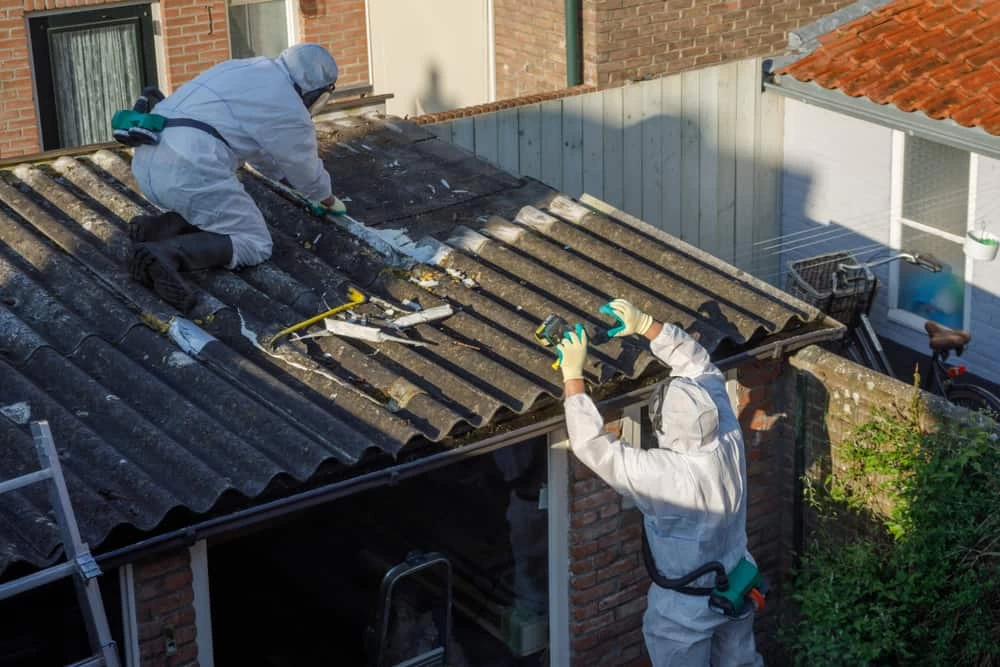
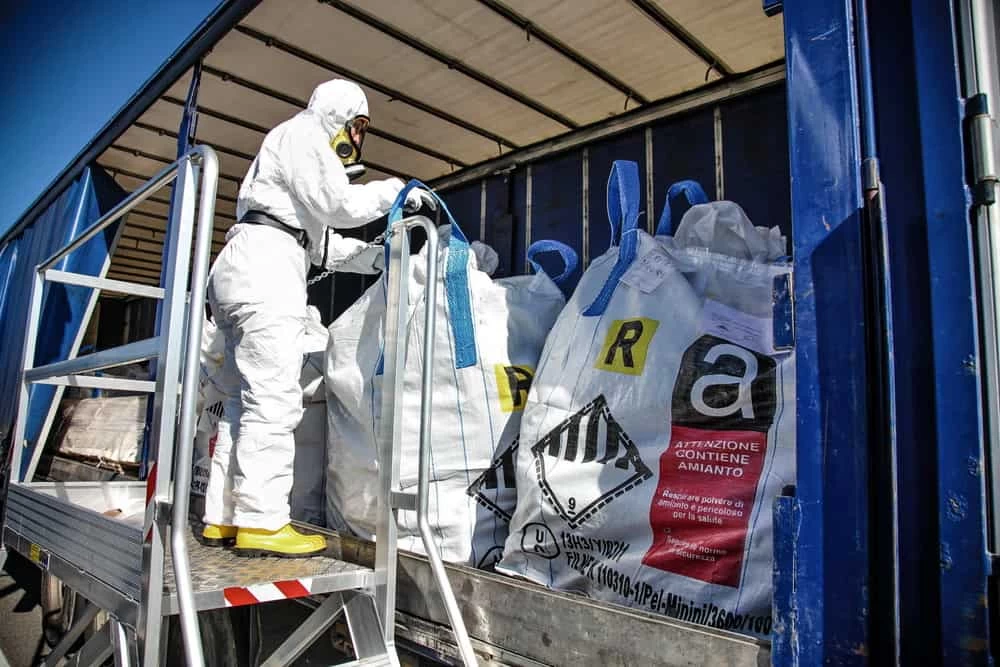
When we open a wall and find moisture, mold, or water damage, we don’t stop the project and hand you a separate problem to manage. We hold restoration certifications asbestos abatement, mold remediation, water damage restoration so we can address what we find and continue the renovation without bringing in a second contractor. If the damage is covered by your homeowner’s insurance, we can document it and work directly with your insurer. That continuity matters when you’re already living through a kitchen renovation in a Manhattan apartment.
How do I know if my building's kitchen renovation rules allow what I want to do?
Every co-op and condo building in Manhattan operates under its own alteration agreement a legally binding document that outlines exactly what renovation work is permitted, what requires board approval, what contractors must provide, and what work hours are allowed. Some buildings prohibit gas line relocation entirely. Others enforce strict wet-over-dry rules that prevent moving a kitchen to a location above a non-wet space on the floor below. Work hours are typically restricted to weekday business hours, often 8am to 5pm or 9am to 5pm, with additional blackout periods around holidays.
The right starting point is always the alteration agreement, not assumptions based on what a neighbor did or what a contractor says is possible. We review the alteration agreement before we quote, design, or commit to anything because a renovation plan that conflicts with your building’s rules isn’t a plan, it’s a delay. Buildings along Church Street and throughout the Financial District tend to have detailed alteration agreements, and understanding them upfront is what keeps your project on schedule from day one.