Pre-War Kitchens Deserve a Contractor Who Knows What's Inside the Walls
Cooper Square’s century-old buildings hide surprises. We’ve opened enough Manhattan walls to know exactly how to handle them and keep your renovation on track.
I needed a professional consultation explanation of procedure for safe removal of Asbestos in my apartment complex. Without having an account yet, I was very impressed with the caring, knowledgeable and generous advice offered by Jessica, and will look forward to doing business in the future. Thank you so much! I feel much more informed about a sometimes scary endeavor. Peace. Nancy Silva Mineola, NY.
Mia Munoz
Used this company to clean up some water flood in my house. They were fast and easy to work with.very professional, Would recommend to anyone!
Nini Valle
Great company, had a flood and they responded quickly and efficiently. Billed my insurance company directly. I highly recommend this company!
joe colapietro, jr
I had pipe freeze in my basement right before a snow storm and they made to within an hour to help start the clean up process. They we by our side throughout the entire process and even helped with the insurance company. They did such a great job with the cleanup, repair, remidiation, I contracted them to perform the repairs and finishes in the basement. They came with enough manpower and material to get the job done. Leo and Jessica were nothing but a pleasure to deal with!!
Cristian Arredondo c
I had some water damage in my home and Green Island was able to take care of my issue quickly and effectively. I am very pleased with the work they did. They responded quickly and were very professional.
Michael M
Outstanding service! From the office to the field crew everyone was friendly, helpful and responsive. I highly recommend Green Island Group.
A Kitchen That Finally Works for How You Actually Live
Most East Village kitchens haven’t been touched since the 1980s or longer. The cabinets don’t close right, the layout makes no sense for cooking, and the lighting makes the whole room feel smaller than it already is. A well-planned kitchen remodel fixes all of that, and in a Manhattan apartment, where every square foot pulls double duty, getting it right matters more than it does anywhere else.
Here’s what changes after the work is done: you have a kitchen that actually fits your life. Custom cabinetry built to your exact dimensions not off-the-shelf boxes that leave dead corners. Countertops that hold up to real daily use. Under-cabinet lighting that opens the room up. And a layout that makes sense, whether that means a cleaner galley flow or an open-concept conversion where the building structure allows it.
For Cooper Square residents specifically, there’s also the financial side of this. One- and two-bedroom co-ops in the East Village regularly trade at $1 million or more. A renovated kitchen doesn’t just improve your day-to-day it protects what you’ve already invested in this property. In a market where buyers scrutinize kitchens closely, this is one of the smartest upgrades you can make before a sale or simply as a long-term owner who’s staying put.
Over a Decade of Work Inside New York's Most Complicated Buildings
We’ve been doing restoration and remodeling work across New York since 2012 more than 5,000 projects, from water damage emergencies to full kitchen gut renovations. That background isn’t just a number. It means our team has worked inside pre-war tenements, post-war co-ops, and everything in between. When you’re renovating in a Cooper Square building that dates back to the early 1900s, that experience is the difference between a smooth project and one that falls apart the moment something unexpected turns up inside a wall.
We hold a NYC Department of Consumer and Worker Protection Home Improvement Contractor license, carry general liability insurance at the levels co-op and condo boards require, and are certified as a Minority and Woman-Owned Business Enterprise by New York State. That’s not marketing it’s institutional vetting. And when you need someone on the phone, you’re reaching Leo or Jessica directly, not a call center.
It starts with a design conversation, not a sales pitch. We walk through your kitchen, understand how you use the space, and build out a full 3D model so you can see the finished result before a single cabinet comes down. That step matters more in a Manhattan apartment than almost anywhere else because once the walls are open, changing your mind gets expensive fast.
From there, we handle the permit side. If your renovation involves plumbing changes, electrical upgrades, or any layout modifications which most meaningful kitchen remodels in this area do that means filing an Alteration Type 2 application with the NYC Department of Buildings. We coordinate with a licensed architect for plan submissions, track the approval timeline, and manage the DOB process from start to finish. For buildings in the Cooper Square area, that approval window typically runs four to eight weeks, and we plan the full project schedule around it rather than treating it as an afterthought.
Once permits are in hand and your building board has signed off on the alteration agreement, construction begins. Demolition, custom cabinet installation, countertop work, backsplash, lighting, plumbing tie-ins all of it is managed under one roof. No subcontractor juggling, no gaps in communication between trades. When the job is done, it’s inspected, cleaned, and handed back to you.
Everything the Job Needs Including What Most Contractors Miss
A kitchen remodel in a Cooper Square co-op or condo isn’t the same as a renovation in a suburban house, and the scope of work reflects that. We cover the full range: custom cabinetry built to specification, quartz and granite countertop installation, backsplash and flooring, under-cabinet lighting, plumbing modifications for relocated sinks and dishwasher connections, and open-concept conversions where the structure allows. Every element is selected with your building’s specific constraints in mind working hours set by your alteration agreement, elevator padding requirements, material delivery logistics in a dense residential building.
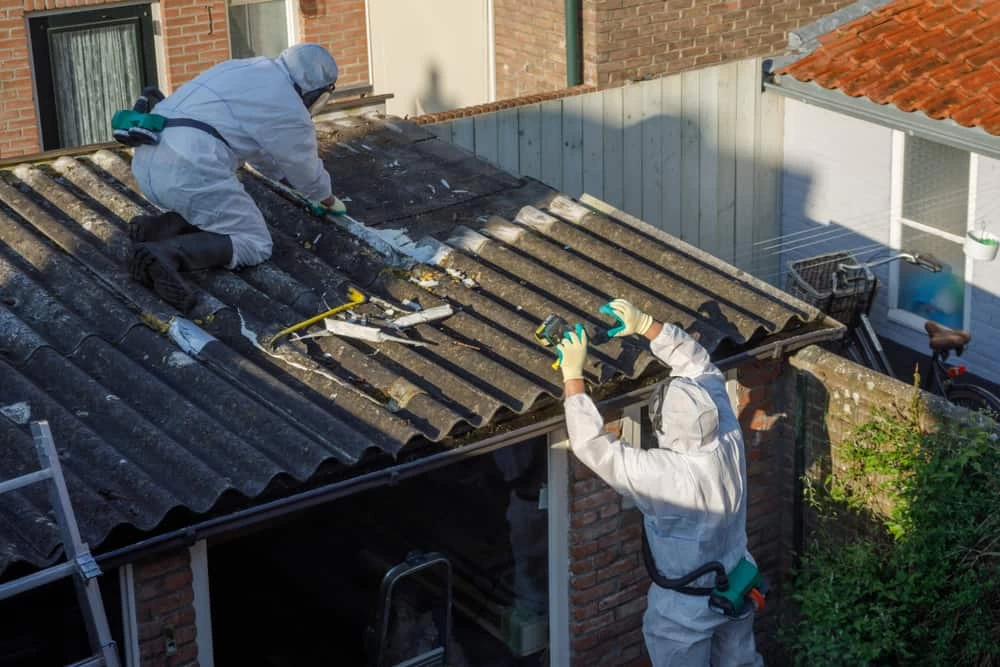
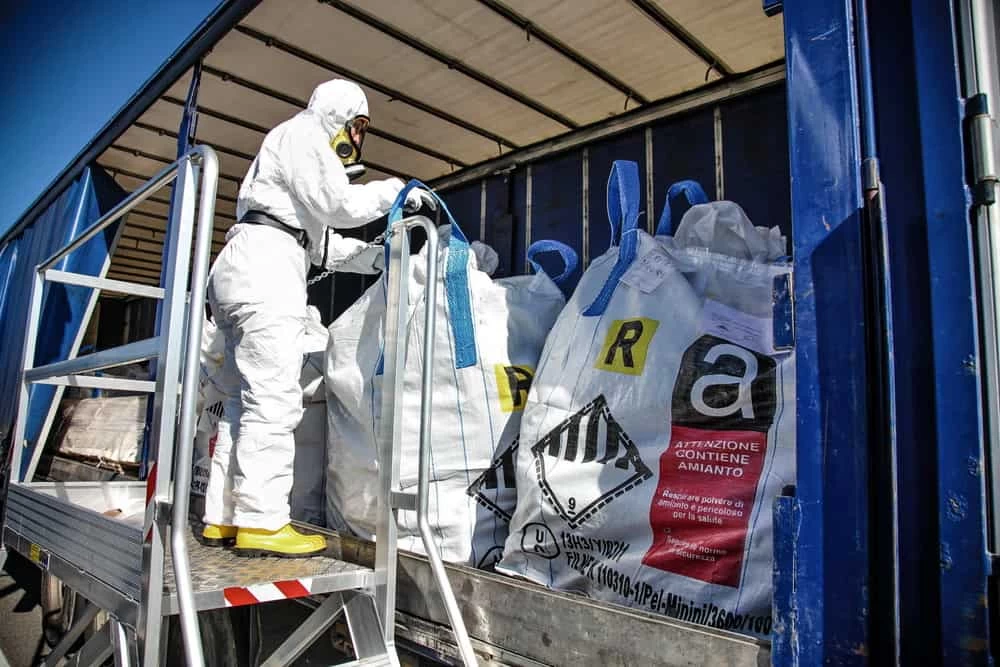
What separates us from a standard kitchen contractor is our restoration background. Pre-war buildings along the streets surrounding Cooper Square some dating to the 1870s regularly contain knob-and-tube wiring, cast-iron plumbing that’s past its service life, and in some cases, pipe insulation or floor tile adhesive that contains asbestos. We hold the licenses and certifications to assess and handle those conditions directly. You don’t have to stop the project, find a separate remediation contractor, and restart weeks later. We manage it in one continuous engagement.
For residents navigating a water damage event that led them to consider a renovation in the first place, we also work directly with insurance companies handling the billing coordination so you’re not stuck in the middle of a claims process while also trying to plan a kitchen remodel.
Do I need DOB permits for a kitchen renovation in a Cooper Square apartment?
It depends on the scope of work. If you’re doing purely cosmetic updates swapping out cabinet doors, replacing countertops, painting a DOB work permit isn’t required, though your contractor still needs to hold a valid NYC Home Improvement Contractor license from the Department of Consumer and Worker Protection. That’s a non-negotiable baseline for any renovation work in a New York City apartment.
The moment your project involves plumbing changes, electrical upgrades, or any layout modifications, you’re in permit territory. In most East Village and Cooper Square kitchens, a meaningful remodel one that actually changes how the kitchen functions touches at least one of those categories. That typically means filing an Alteration Type 2 application with the NYC Department of Buildings, which requires plans prepared by a licensed architect or professional engineer. We coordinate that entire process, including the architect relationship, the DOB submission, and the inspection scheduling. You don’t have to figure out the permit system on your own.
How does co-op board approval work for a kitchen renovation in Cooper, NY?
Before any work starts in a co-op building which covers the majority of residential units in the Cooper Square and East Village area you need written approval from your board. That process involves submitting your renovation plans, your contractor’s credentials and insurance certificates, and often a security deposit that the building holds until the work is completed and the common areas are confirmed to be undamaged.
Once the board approves the project, you’ll sign an alteration agreement. That document sets the rules: working hours (typically 9 AM to 5 PM on weekdays), how materials get delivered, how the elevator gets used, and what neighbor notification looks like. Most co-op boards in Cooper Square also require contractors to carry $1 million to $2 million in general liability coverage and to name the co-op corporation as an additional insured on the policy. We meet those requirements and are familiar with the alteration agreement process in Manhattan co-op buildings so the board review doesn’t become a roadblock that delays your project by months.
How long does a kitchen remodel take in a Manhattan apartment?
The construction phase of a kitchen remodel in a Manhattan apartment once permits are approved and board sign-off is in hand typically runs three to six weeks depending on the scope. A full gut renovation with custom cabinetry, new plumbing rough-in, electrical upgrades, and new flooring takes longer than a cabinet-and-countertop refresh. That’s straightforward enough.
What catches people off guard is the pre-construction timeline. In the Cooper Square area, where most buildings are co-ops or condos, you’re looking at four to eight weeks for DOB permit approval on an ALT-2 filing, plus whatever time your building board needs to review and approve the alteration agreement. That can add six to twelve weeks before a single tool comes out. An experienced contractor plans the full project schedule around those windows from day one not as an afterthought. We build the permit and board timelines into the project plan upfront so nothing comes as a surprise.
What happens if asbestos or old wiring is found during my kitchen renovation?
This is one of the most common concerns for anyone renovating in a pre-war building, and it’s a legitimate one. Buildings in and around Cooper Square that date to the early 1900s and some that predate the 1901 Tenement House Act were constructed with materials that are now known hazards. Pipe insulation, floor tile adhesive, and certain ceiling materials from that era can contain asbestos. Knob-and-tube electrical wiring was standard in buildings of that age and is still present in some units that haven’t been fully updated.
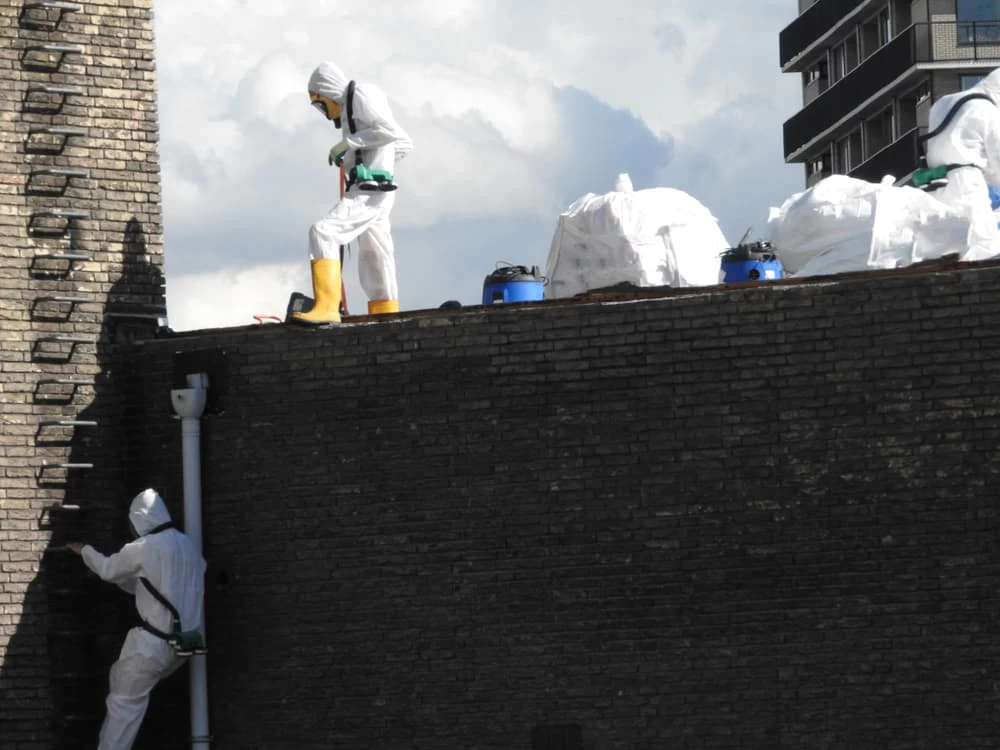
When we open a wall or floor and find a condition like this, the project doesn’t stop and you don’t have to go find a separate contractor. We hold the licenses and certifications required to assess and handle asbestos-containing materials and to coordinate electrical remediation within the scope of the renovation. The discovery gets documented, the appropriate protocol gets followed, and the project continues. For a Cooper Square property owner investing in a kitchen renovation, this integrated capability is one of the most important things to confirm before you hire anyone.
How much does a kitchen renovation cost in a Manhattan co-op or condo?
Kitchen renovation costs in Manhattan vary significantly based on scope, building type, and material selections but it helps to have a realistic baseline. A modest update in an East Village apartment, covering cabinet refacing or replacement, new countertops, and appliance upgrades without moving plumbing or electrical, typically starts in the $30,000 to $50,000 range. A full gut remodel with custom cabinetry, new plumbing rough-in, electrical upgrades, new flooring, and a layout change runs $75,000 to $150,000 or more depending on the materials and the complexity of the building’s existing conditions.
Pre-war buildings near Cooper Square add a layer of cost variability that’s worth planning for. Opening walls in a building from the 1910s or 1920s can reveal conditions outdated plumbing, old wiring, or materials that require remediation that add cost to the project. A contractor who has restoration experience and has worked in buildings like these can give you a more accurate picture of what’s realistic before the work starts, rather than hitting you with change orders after the walls are open. Our 3D design and planning process is built specifically to minimize those surprises.
Can you handle kitchen renovations in Cooper Square buildings with landmark or historic considerations?
Cooper Square itself is not a designated NYC landmark district, so interior kitchen renovations in most residential buildings in the immediate area don’t require Landmarks Preservation Commission review. That said, portions of the surrounding East Village and NoHo neighborhoods do fall within or adjacent to areas where the LPC has jurisdiction over exterior alterations and some individual buildings carry their own landmark designations that can affect what’s permissible even for interior work.
Our permit management process includes confirming the landmark status of your specific building before any plans are submitted to the DOB. If your building does have a designation that affects the renovation which is more relevant for NoHo loft buildings and certain historic structures along the Bowery corridor than for standard East Village residential buildings we coordinate with the appropriate review process from the start rather than discovering the issue mid-project. The Cooper Square area’s architectural history, from the pre-law tenements of the 1870s to the adaptive reuse projects along the Bowery, means building-specific due diligence isn’t optional it’s just part of doing the job correctly here.