Co-Op Kitchen Renovations Without the Board Headaches
In Cooperative Village, a kitchen remodel isn’t just a construction job it’s a board approval process, a permit filing, and a renovation all at once. We handle every layer so you don’t have to figure it out alone.
I needed a professional consultation explanation of procedure for safe removal of Asbestos in my apartment complex. Without having an account yet, I was very impressed with the caring, knowledgeable and generous advice offered by Jessica, and will look forward to doing business in the future. Thank you so much! I feel much more informed about a sometimes scary endeavor. Peace. Nancy Silva Mineola, NY.
Mia Munoz
Used this company to clean up some water flood in my house. They were fast and easy to work with.very professional, Would recommend to anyone!
Nini Valle
Great company, had a flood and they responded quickly and efficiently. Billed my insurance company directly. I highly recommend this company!
joe colapietro, jr
I had pipe freeze in my basement right before a snow storm and they made to within an hour to help start the clean up process. They we by our side throughout the entire process and even helped with the insurance company. They did such a great job with the cleanup, repair, remidiation, I contracted them to perform the repairs and finishes in the basement. They came with enough manpower and material to get the job done. Leo and Jessica were nothing but a pleasure to deal with!!
Cristian Arredondo c
I had some water damage in my home and Green Island was able to take care of my issue quickly and effectively. I am very pleased with the work they did. They responded quickly and were very professional.
Michael M
Outstanding service! From the office to the field crew everyone was friendly, helpful and responsive. I highly recommend Green Island Group.
A Kitchen That Works And a Process That Doesn't Derail Your Life
Most people in Cooperative Village aren’t renovating because they’re bored. They’re doing it because the kitchen hasn’t been touched since the 1970s, the layout doesn’t work, and they’ve finally decided it’s time. What you want on the other side of this is simple: a kitchen that functions the way you actually live, in an apartment you’re proud of without a Stop Work Order, a board conflict, or a contractor who disappeared mid-project.
That matters more here than it does almost anywhere else in New York. Your apartment is in a building that was constructed between 1930 and 1960. When a wall opens up in Amalgamated Dwellings or East River Housing, you’re dealing with pre-war plumbing, aging electrical, and materials that require licensed handling not guesswork. A contractor who hasn’t worked in buildings like yours will hit those conditions and stall. One who has will keep moving.
The other thing that changes here is the governance layer. You’re a shareholder, not a homeowner. Your renovation needs board sign-off, alteration agreement documentation, and DOB permits before anyone touches a cabinet. When that process is managed correctly from the start, the project runs clean. When it isn’t, it stops. The outcome you’re looking for starts with getting that part right.
Kitchen Remodel Contractors Serving Cooperative Village
We've Been Inside Cooperative Village's Walls Long Before the Cabinets Went In
We’ve been doing restoration and remodeling work across New York City and Long Island since 2012 over 5,000 completed projects, including work in Manhattan’s most complex multi-unit residential buildings. That background isn’t just a number. It means the team that walks into your apartment in Cooperative Village has already seen what’s behind your walls, and we know how to handle it.
We’re also a New York State certified MWBE contractor a designation that requires real vetting, not just a registration fee. In a community like Cooperative Village, where collective accountability is built into the culture, that kind of institutional credibility carries weight. It’s the same standard your co-op board expects from the people working in the building.
What makes the difference on a project like this isn’t just construction skill. It’s knowing how co-op alteration agreements work, what your building’s managing agent needs before approving a contractor, and how to keep the project on schedule when the DOB process gets slow. That’s the kind of experience that actually protects you.
Kitchen Remodeling Process in Cooperative Village, NY
From Board Submission to Final Walkthrough Here's What to Expect
It starts before any construction begins. In Cooperative Village, that means a full design consultation where you work through layout, cabinetry, countertops, lighting, and materials and we produce 3D drawings that show you exactly what the finished kitchen will look like. Those drawings serve double duty: they give you confidence in the outcome, and they’re the documentation your co-op board needs to approve the project. You’re not submitting a vague scope of work you’re submitting a complete plan.
Once the board approves the alteration agreement and the NYC Department of Buildings permits are filed, the physical work begins. In a building like Hillman Housing or Seward Park Housing, that means coordinating elevator access, working within the building’s permitted noise hours, and protecting hallways and common areas throughout the job. We manage all of that directly with building staff you don’t have to play middleman between us and your super.
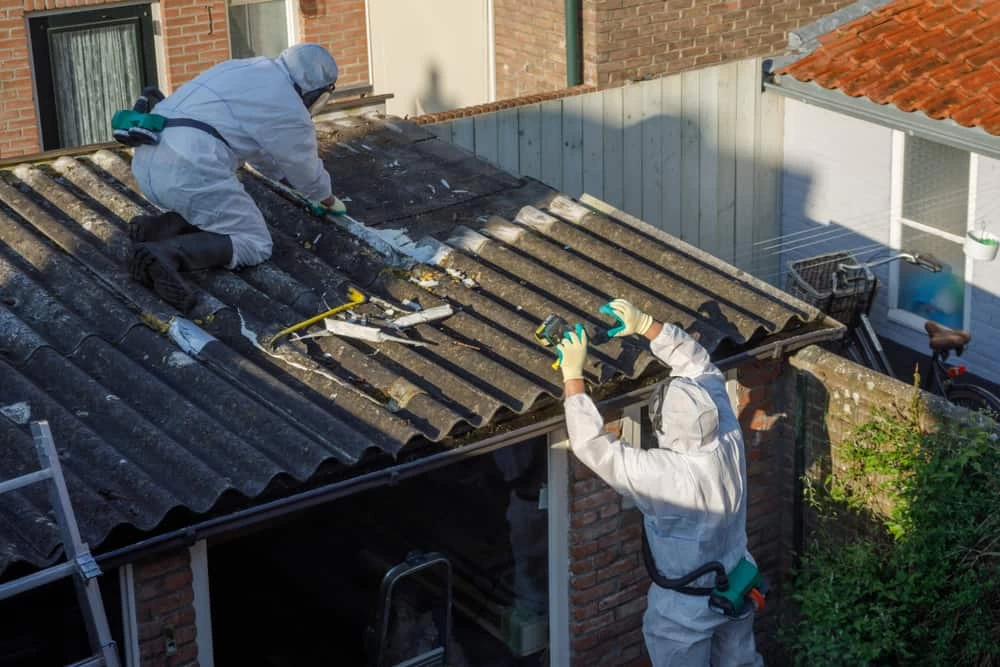
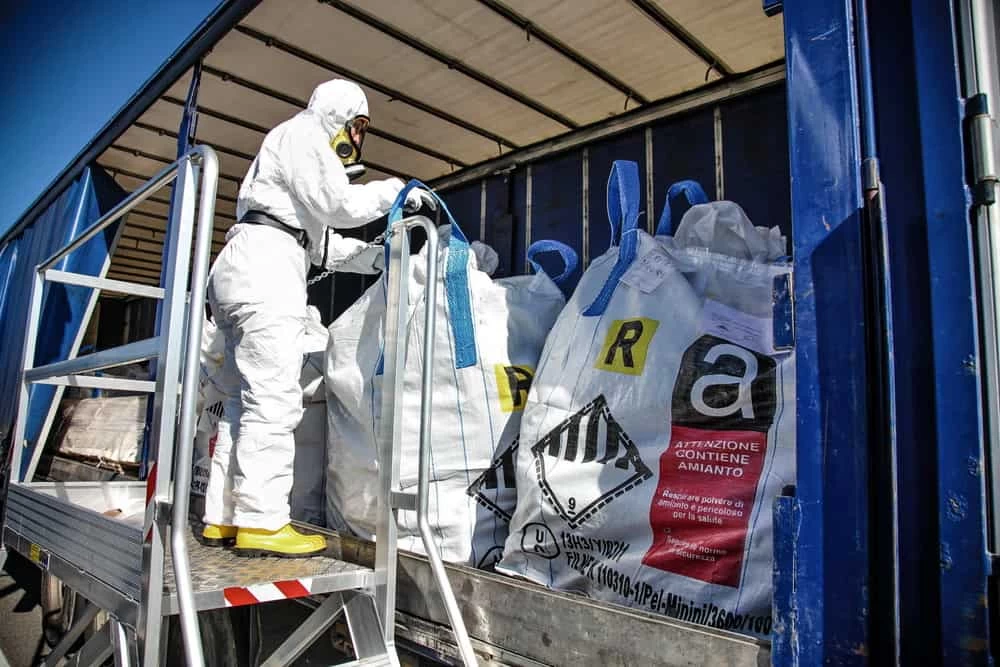
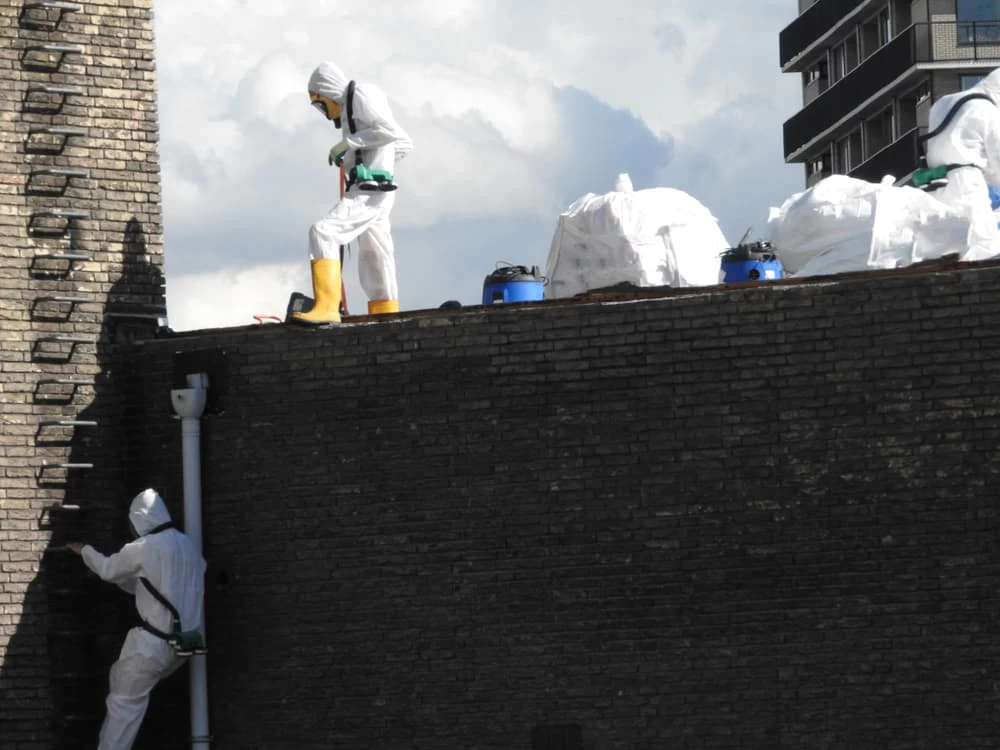
If the demo phase turns up something unexpected and in buildings from the 1940s and 1950s, it sometimes does we’re licensed for asbestos abatement and hazardous material handling. That means the project doesn’t stop. It adapts. From there, it’s installation, inspection, final walkthrough, and a kitchen that’s ready to use.
Kitchen Cabinet Renovation and Redesign in Cooperative Village
Every Detail Accounted For Including the Ones Most Contractors Miss
A kitchen renovation in Cooperative Village covers more ground than most people expect when they first start pricing it out. On the construction side, that includes custom cabinetry built to the actual dimensions of your apartment not stock sizes that leave gaps in a galley layout along with quartz or granite countertops, hand-laid tile backsplash, under-cabinet lighting, plumbing modifications, flooring, and full appliance integration. Every trade is coordinated under one roof, which matters in a building where scheduling conflicts between subcontractors can create real problems with building management.
On the administrative side, we handle the alteration agreement submission, the DOB permit filings, and the insurance certificates your building requires most co-op boards in Manhattan require $2 to $5 million in general liability coverage, and that threshold is met before anything is submitted. Soft costs like alteration fees, security deposits, and permit filing fees are part of the conversation upfront, not a surprise at the end. In a market where full kitchen gut renovations in Manhattan typically run $40,000 to well over $80,000, knowing the complete picture before you commit matters.
For residents in Cooperative Village whose kitchens were affected by water damage a real consideration given the neighborhood’s proximity to the East River and documented flood history we also handle the remediation side before the renovation begins. One contractor, one process, one point of contact.
Does my Cooperative Village co-op board need to approve a kitchen renovation?
Yes and that approval process is separate from any NYC Department of Buildings permits you’ll also need. In Cooperative Village, whether you’re in Amalgamated Dwellings, Hillman Housing, East River Housing, or Seward Park, you’re a shareholder in a cooperative corporation. That means the board has authority over what happens inside your apartment, and any renovation that touches plumbing, electrical, or structural elements requires a signed alteration agreement before work begins.
The board review process typically involves submitting architectural drawings, a scope of work, contractor insurance certificates, and sometimes a security deposit that can range from $5,000 to $15,000. Board approval alone can take four to eight weeks depending on when the board meets and whether they request revisions. Getting the submission right the first time with complete documentation is the fastest way through that process. We prepare and manage all of that so the approval doesn’t become the bottleneck.
How much does a kitchen remodel typically cost in a Manhattan co-op apartment?
For a Manhattan co-op kitchen, a cosmetic refresh new cabinet fronts, countertops, backsplash, and fixtures without moving anything starts around $40,000. A full gut renovation that reconfigures the layout, replaces plumbing, upgrades electrical, and installs all-new cabinetry and appliances typically runs $80,000 to over $100,000. Those numbers reflect Manhattan labor rates, the complexity of working in a multi-unit building, and the cost of materials at a quality level that holds up over time.
What most estimates don’t include upfront are the soft costs and in Cooperative Village, those add up. Alteration agreement fees average $1,000 to $5,000. NYC Department of Buildings permits run $400 to $1,500. Security deposits required by the co-op board can be $5,000 to $15,000. Knowing the full number before you start is the only way to budget accurately. We walk through all of it in the initial consultation so there are no surprises once the project is underway.
What happens if asbestos is found during my kitchen renovation in Cooperative Village?
In buildings constructed between 1930 and 1960 which covers every cooperative in Cooperative Village asbestos-containing materials are a documented possibility. Floor tile adhesive, pipe insulation, ceiling compounds, and wall materials from that era may all contain asbestos. Under New York City law, any renovation work that disturbs those materials requires licensed asbestos abatement before construction can continue. This isn’t optional, and it’s not something a general contractor can handle without the proper credentials.
We hold asbestos abatement licensing, which means if the demo phase turns up a problem, the project doesn’t stop it gets handled correctly and keeps moving. Most kitchen remodelers don’t carry that credential, which means they either miss the issue entirely (creating a legal and health liability for you) or they stop the job and refer you elsewhere, costing you weeks of delay. Having a contractor who can manage that in-house is a practical advantage in a building stock as old as Cooperative Village’s.
Can I move my kitchen plumbing or change the layout in a co-op apartment?
You can, but it requires more planning than a standard layout change would in a single-family home. In a cooperative building, plumbing modifications need to align with the building’s existing stack and riser system you can’t simply move a sink or dishwasher drain to a new wall without confirming that the new location is compatible with the building’s plumbing infrastructure. Most co-op boards also require that any plumbing changes be reviewed by the building’s architect before the alteration agreement is approved.
There’s also the wet-over-dry consideration. If you want to move the kitchen’s position within the apartment and the new location would place plumbing directly above a neighbor’s bedroom or living space, the board may restrict that change outright. These aren’t obstacles that make a layout change impossible they’re constraints that need to be designed around from the start. Our design process accounts for your building’s plumbing diagram and co-op restrictions before the plan is finalized, so you’re not redesigning the kitchen after the board comes back with questions.
How long does a kitchen renovation take in a Cooperative Village apartment?
The construction phase of a kitchen renovation demo through final installation typically takes three to six weeks depending on the scope of work. But in Cooperative Village, the full timeline from decision to finished kitchen is longer than that, because the board approval and permit process runs before any physical work begins. Board review alone can take four to eight weeks. DOB permit processing adds additional time. Realistically, you should plan for a total timeline of three to five months from initial design consultation to project completion.
That timeline can be compressed if the documentation is submitted correctly the first time and the board doesn’t request revisions. It can also be extended if unexpected conditions deteriorating plumbing, electrical that needs upgrading, or hazardous materials are discovered during demo. We set realistic expectations upfront and communicate throughout the process, including directly with building management when scheduling or access issues arise. In a building where your neighbors are affected by the work, keeping that communication tight matters.
What contractor insurance is required to work in a Cooperative Village co-op building?
Most cooperative boards in Manhattan, including those in Cooperative Village, require contractors to carry a minimum of $2 million to $5 million in general liability insurance before they’re permitted to work in the building. Some buildings also require workers’ compensation coverage documentation and may ask to be named as an additional insured on the policy. If a contractor doesn’t meet those thresholds, the building can bar them from entering regardless of how far along the renovation planning is.
This is one of the most common reasons projects get delayed before they even start. A shareholder hires a contractor, submits the alteration agreement, and then the board rejects the insurance certificate because the coverage limits are too low. We carry the insurance credentials required to work in NYC cooperative buildings and provide the certificates as part of the initial documentation package before anything is submitted to your board. It’s one less thing to chase down, and it keeps the approval timeline on track from the beginning.