Manhattan Kitchens Deserve More Than a Suburban Contractor
If your kitchen is stuck in 1987 and your co-op board is already making the process feel impossible, you need someone who’s done this before in Manhattan buildings, not just Long Island ranch homes.
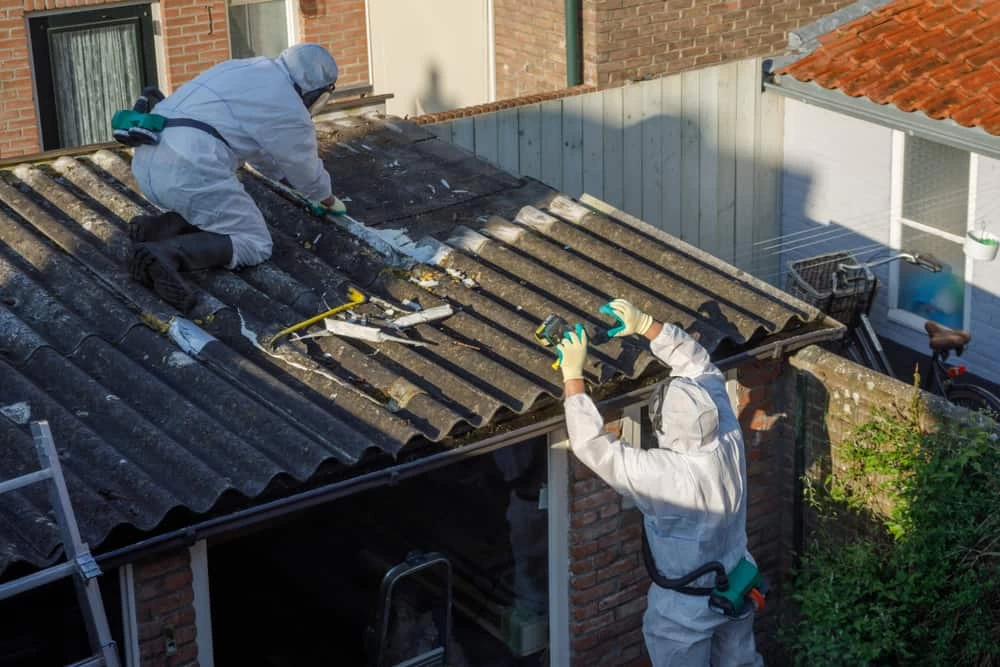
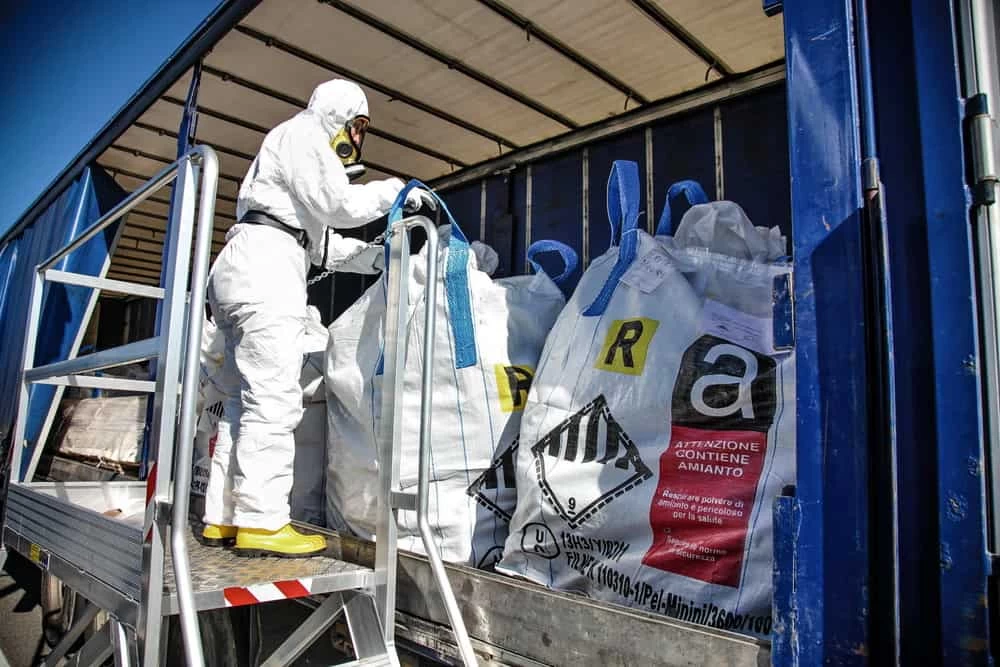
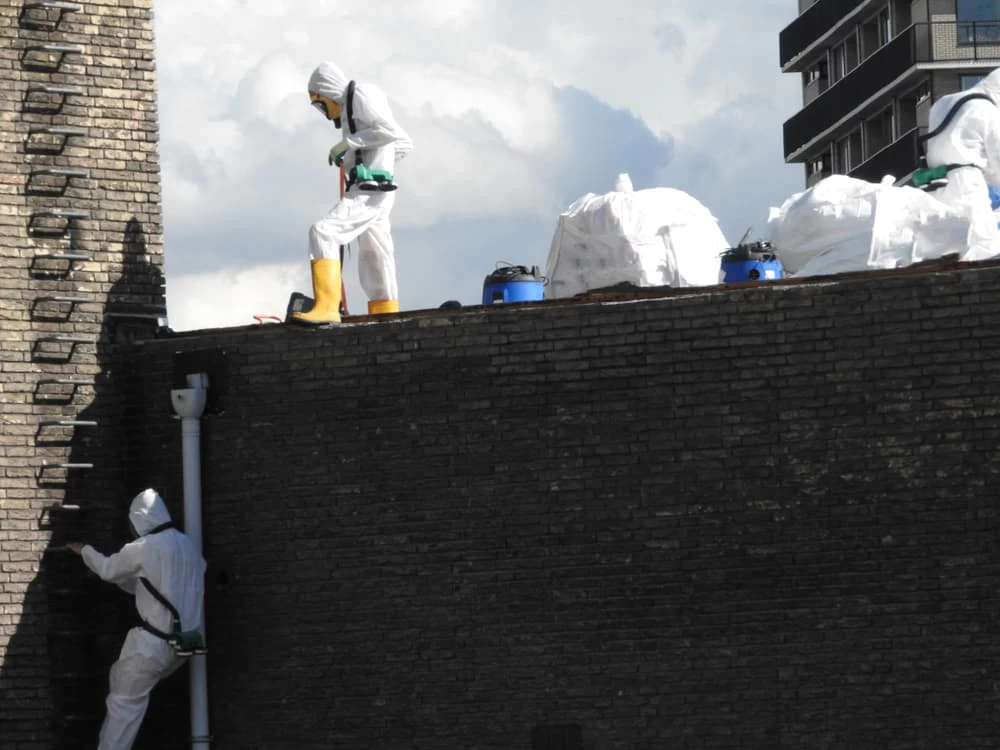
I needed a professional consultation explanation of procedure for safe removal of Asbestos in my apartment complex. Without having an account yet, I was very impressed with the caring, knowledgeable and generous advice offered by Jessica, and will look forward to doing business in the future. Thank you so much! I feel much more informed about a sometimes scary endeavor. Peace. Nancy Silva Mineola, NY.
Mia Munoz
Used this company to clean up some water flood in my house. They were fast and easy to work with.very professional, Would recommend to anyone!
Nini Valle
Great company, had a flood and they responded quickly and efficiently. Billed my insurance company directly. I highly recommend this company!
joe colapietro, jr
I had pipe freeze in my basement right before a snow storm and they made to within an hour to help start the clean up process. They we by our side throughout the entire process and even helped with the insurance company. They did such a great job with the cleanup, repair, remidiation, I contracted them to perform the repairs and finishes in the basement. They came with enough manpower and material to get the job done. Leo and Jessica were nothing but a pleasure to deal with!!
Cristian Arredondo c
I had some water damage in my home and Green Island was able to take care of my issue quickly and effectively. I am very pleased with the work they did. They responded quickly and were very professional.
Michael M
Outstanding service! From the office to the field crew everyone was friendly, helpful and responsive. I highly recommend Green Island Group.
Living a block from the Empire State Building means your apartment is one of the most valuable pieces of real estate in the country. Your kitchen should reflect that. When the renovation is done right, you’re not just looking at new cabinets you’re looking at a space that actually functions for how you live, adds real value to your unit, and holds up to the demands of Manhattan apartment life.
Pre-war buildings in Midtown South come with real constraints. Limited electrical capacity, galvanized plumbing tucked behind plaster walls, layouts that were designed before dishwashers existed. A kitchen renovation here isn’t the same project it would be in a new construction home on Long Island. The surprises are real, and they require a contractor who knows how to handle them without derailing the timeline or blowing up the budget.
The other thing worth knowing: Manhattan co-op and condo boards don’t forgive sloppy work. A renovation that damages a hallway floor, triggers a building violation, or runs past the alteration agreement deadline can cost you hundreds of dollars a day in penalties and your standing with the board. When this is done correctly, you get a kitchen you’re proud of and a process that didn’t make your neighbors hate you.
5,000 Projects Deep and We Know What's in Your Walls
We’ve been operating across New York State since 2012, with over 5,000 completed projects under our belt. We’re based in Bohemia on Long Island the same LIRR line that connects Penn Station to the rest of the metro area and we’ve been active in New York City long enough to understand what Manhattan renovations actually require. For residents in Empire State and the surrounding Midtown South neighborhoods, that experience translates directly into smoother board approvals and fewer surprises during construction.
This isn’t a team that learned co-op board submissions by accident. We hold the NYC DCWP Home Improvement Contractor license required for Manhattan work, along with Nassau and Suffolk County HIC licenses including H13 for kitchens and baths. We’re also certified as a Minority and Woman-Owned Business Enterprise by New York State a credential that carries real weight when a co-op board’s managing agent starts reviewing your contractor package.
Leo and Jessica lead the client experience, and if you’ve read the reviews on Angi or Birdeye, their names come up constantly. Not because of marketing because we actually answer the phone and follow through. In a market where communication is the number one complaint homeowners have about contractors, that matters more than most people realize until it’s too late.
No Guesswork Here's What a Kitchen Remodel Actually Looks Like in Empire State
It starts with a design consultation where the focus is on how you actually use your kitchen not just what looks good in a photo. From there, we build out a 3D design and blueprint so you can see the finished layout, cabinetry, countertops, and lighting before a single permit gets filed. You approve the design. Then the work begins.
Before construction starts, the board package gets prepared alteration agreement submission, contractor insurance documentation, scope of work, and any architectural drawings your building requires. If an ALT-2 DOB filing is needed for multi-trade work involving plumbing, electrical, and structural changes, we handle that too. Most buildings in the Empire State area require this for a full kitchen renovation, and the filing process typically runs four to eight weeks for approval. That timeline gets built into the project schedule from day one so there are no surprises.
Once work is underway, we manage service elevator scheduling with building management, install hallway floor protection, and keep noise within your building’s approved hours typically 8 AM to 5 PM on weekdays. Debris gets removed on a coordinated schedule, not left in the hallway. When the project is done, it goes through final inspection and DOB sign-off. The goal is to hand you a finished kitchen and a closed permit not a punch list that drags on for weeks.
Everything Your Manhattan Kitchen Needs Under One Contractor
A full kitchen remodel with us covers the complete scope: custom cabinetry with soft-close hardware built to maximize storage in compact Manhattan layouts, quartz and granite countertop installation, backsplash tile work, under-cabinet lighting, plumbing modifications, electrical updates, and open-concept layout conversions where the building’s structure allows. Everything is handled in-house across trades one contract, one insurance certificate for the board package, one person accountable for the outcome.
For apartments in Empire State and the surrounding neighborhoods Murray Hill, NoMad, Hell’s Kitchen, Gramercy the storage conversation is especially important. Manhattan kitchens are small by design, and 94% of real estate experts identify thoughtfully designed storage as the number one priority for buyers. Vertical cabinet runs, pull-out organizers, and custom configurations built around your specific unit’s dimensions can transform a cramped galley kitchen into something that actually works.
If your renovation was triggered by water damage a leak from the unit above, a failed dishwasher, moisture behind the walls our restoration background means we can handle the full continuum from damage remediation to finished kitchen. We work directly with insurance carriers on claims, which is a capability most kitchen remodelers in this market simply don’t have. That dual expertise is particularly relevant in pre-war buildings throughout the Empire State area, where decades of plumbing history tend to leave their mark.
Do I need co-op board approval for a kitchen remodel in Empire State, NY?
In almost every case, yes. Manhattan co-op and condo boards require a formal alteration agreement submission before any renovation work begins and that’s separate from whatever the NYC Department of Buildings requires. The board package typically includes a detailed scope of work, contractor insurance certificates, and sometimes architectural drawings depending on what’s being changed. If you’re relocating plumbing, adding electrical circuits, or modifying the layout in any structural way, expect the board to require a vote before approving the alteration agreement.
The important thing to understand is that board approval and DOB permits are two different tracks running simultaneously. Your contractor needs to be prepared to navigate both. Buildings in Empire State particularly the older co-op stock along the side streets in the 30s often have their own specific house rules about what requires board approval beyond the standard DOB permit threshold. Working with a contractor who has done this in Manhattan buildings before, not just suburban homes, is the difference between a smooth process and a project that stalls before it starts.
What permits are required for a kitchen renovation in a Manhattan apartment?
It depends on the scope. Purely cosmetic work replacing cabinet doors, painting, swapping out a faucet generally doesn’t require a DOB permit. But the moment you’re moving a sink, adding electrical circuits, relocating a gas line, or touching anything structural, you’re looking at a Department of Buildings work permit. For full kitchen renovations involving multiple trades, that typically means an Alteration Type 2 (ALT-2) filing, which covers interior work that doesn’t change occupancy or structural elements. ALT-2 approvals generally take four to eight weeks after filing.
One thing that surprises a lot of apartment owners: even when DOB permits aren’t technically required for the scope of work, your co-op or condo board may still require licensed and insured tradespeople and a board-approved scope before they’ll sign off on the alteration agreement. So the regulatory picture in Manhattan is always two layers the city’s requirements and the building’s requirements and they don’t always line up neatly. A contractor who understands both layers from the start will save you significant time and stress.
How long does a kitchen remodel take in a Midtown South Manhattan co-op?
The construction itself for a full gut kitchen renovation in a Manhattan apartment typically runs four to eight weeks depending on scope. But the total timeline from start to finish is longer once you account for the pre-construction process. Design and planning usually takes two to four weeks. Board package preparation and alteration agreement approval can take another two to six weeks depending on how frequently your building’s board meets. If an ALT-2 DOB filing is required, add another four to eight weeks for permit approval after submission.
Realistically, you’re looking at a three-to-five-month process from first consultation to final DOB sign-off for a full kitchen renovation in the Empire State area. That’s not a contractor being slow that’s the Manhattan approval process doing what it does. The key is building that timeline into the project plan from day one so you’re not caught off guard. Most alteration agreements in NYC co-op buildings also impose a hard completion deadline with daily financial penalties for overruns sometimes $500 or more per day so having a contractor who respects the schedule isn’t optional. It’s a financial necessity.
Can I move my kitchen sink or change the layout in my Manhattan co-op?
You can, but it depends on a few things specific to your building. The biggest constraint in Manhattan co-ops is the wet-over-dry rule most buildings prohibit installing plumbing in a location directly above a dry room in the unit below. So if you want to move your sink to a new wall, the first question is what’s beneath that wall in the apartment downstairs. If it’s a bedroom or living room, your building may not allow it regardless of what the DOB says.
Beyond wet-over-dry, any plumbing relocation in a Manhattan co-op requires a licensed plumber, a DOB permit, and typically explicit board approval as part of the alteration agreement process. Some buildings also have restrictions on kitchen relocations altogether particularly if it involves changing the building’s riser stack configuration, which affects every unit on your line. The design process with us starts by identifying these building-specific constraints before any plans are drawn, so you’re not designing a layout that the board will reject three months later.
How much does a kitchen remodel cost in the Empire State area of Manhattan?
Kitchen remodel costs in Manhattan vary significantly based on scope, materials, and the specific conditions of your apartment. A cosmetic refresh new cabinet faces, countertops, backsplash, and hardware without moving plumbing or electrical can run $15,000 to $35,000. A mid-range full renovation with custom cabinetry, new appliances, updated plumbing and electrical, and quality countertop materials typically falls in the $40,000 to $80,000 range. A high-end gut renovation with premium materials, layout changes, and full permit management in a Midtown Manhattan co-op can reach $100,000 or more.
Manhattan costs are higher than national averages for legitimate reasons: union labor rates, the logistics of working in a high-rise building with service elevator restrictions, DOB filing fees, the cost of architectural drawings when required by the board, and premium material sourcing in an urban market. The ROI, however, is real minor kitchen remodels nationally return up to 96% of their cost, and in a market where Manhattan co-op prices average $860,000 to $1 million and condos average $1.65 million or more, a well-executed kitchen renovation meaningfully impacts both resale value and time-to-sale. You’re not just improving your kitchen you’re investing in your most significant asset.
How do I find a licensed kitchen remodeling contractor for my Manhattan co-op building?
Start with licensing. Any contractor doing home improvement work in New York City must hold a valid NYC Department of Consumer and Worker Protection (DCWP) Home Improvement Contractor license this is separate from Long Island county licenses, and a contractor licensed only in Nassau or Suffolk County is not automatically authorized to work in Manhattan. Ask for the license number and verify it directly on the NYC DCWP website before signing anything.
Beyond licensing, your building’s managing agent will likely have their own requirements minimum insurance coverage amounts, specific certificate of insurance language naming the building as an additional insured, and sometimes a pre-approved contractor list. Make sure your contractor has done this paperwork before, in Manhattan buildings specifically, not just in suburban homes. We hold the NYC DCWP license, carry the required insurance, and are certified as a Minority and Woman-Owned Business Enterprise by New York State a credential that signals institutional vetting well beyond a basic county registration. That combination tends to move through board review cleanly.