Prewar Kitchens Along the FDR Deserve Better Than a Facelift
We handle kitchen renovation in Franklin D Roosevelt from the first board package to the final cabinet pull no surprises, no hand-holding required on your end.
I needed a professional consultation explanation of procedure for safe removal of Asbestos in my apartment complex. Without having an account yet, I was very impressed with the caring, knowledgeable and generous advice offered by Jessica, and will look forward to doing business in the future. Thank you so much! I feel much more informed about a sometimes scary endeavor. Peace. Nancy Silva Mineola, NY.
Mia Munoz
Used this company to clean up some water flood in my house. They were fast and easy to work with.very professional, Would recommend to anyone!
Nini Valle
Great company, had a flood and they responded quickly and efficiently. Billed my insurance company directly. I highly recommend this company!
joe colapietro, jr
I had pipe freeze in my basement right before a snow storm and they made to within an hour to help start the clean up process. They we by our side throughout the entire process and even helped with the insurance company. They did such a great job with the cleanup, repair, remidiation, I contracted them to perform the repairs and finishes in the basement. They came with enough manpower and material to get the job done. Leo and Jessica were nothing but a pleasure to deal with!!
Cristian Arredondo c
I had some water damage in my home and Green Island was able to take care of my issue quickly and effectively. I am very pleased with the work they did. They responded quickly and were very professional.
Michael M
Outstanding service! From the office to the field crew everyone was friendly, helpful and responsive. I highly recommend Green Island Group.
A Kitchen That Finally Works for How You Actually Live
Most kitchens in the Midtown East corridor were designed for a completely different era. The galley layout made sense in 1952. It doesn’t make sense now not when you’re cooking real meals, working from home, and hosting in a space that hasn’t been touched in decades. A proper kitchen remodel doesn’t just update the look. It fixes the function, modernizes the infrastructure, and makes the room actually usable.
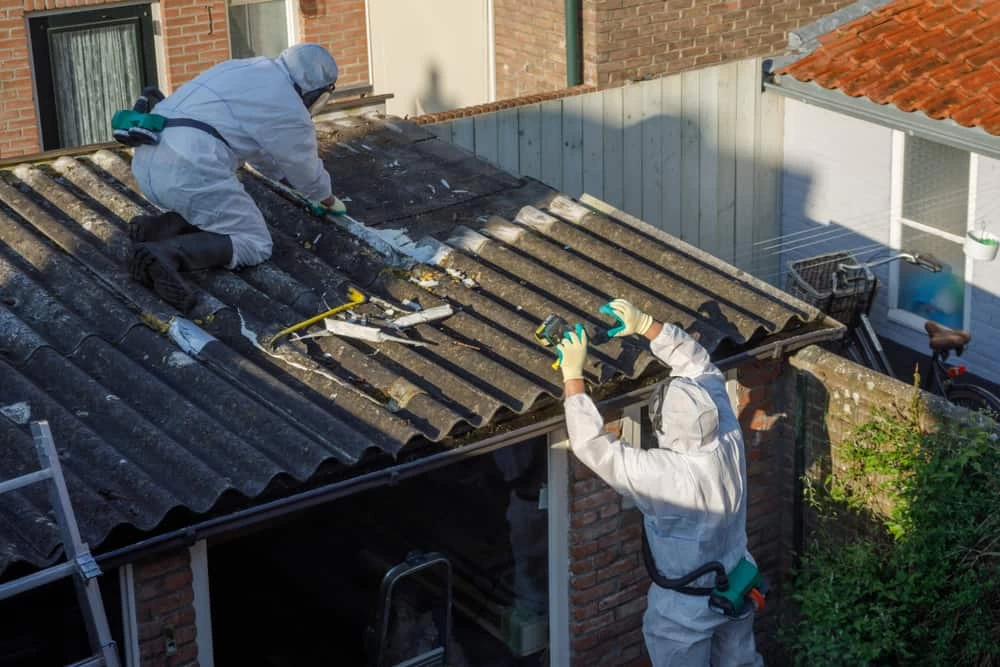
In buildings along the FDR Drive near Franklin D Roosevelt Sutton Place, Turtle Bay, Beekman Place the walls hide things that cosmetic contractors aren’t equipped to handle. Outdated electrical panels that can’t support a modern refrigerator. Plumbing stacks that limit where your sink can go. Materials from the 1940s that require proper abatement before renovation can even begin. Our background in restoration means none of that stops the job. We handle what’s behind the walls the same way we handle what’s in front of them.
When the project is done, you get a kitchen that fits your building, clears your board’s requirements, and actually reflects the value of a $1M+ Manhattan apartment. That’s the outcome not just new cabinets, but a kitchen that works on every level.
5,000 Projects Deep Across New York, With Deep Roots in Franklin D Roosevelt's Prewar Buildings
We’ve been completing restoration and remodeling projects across New York State since 2012 over 5,000 of them. That volume isn’t a marketing number. It means we’ve opened enough walls in enough prewar Manhattan buildings to know what’s waiting inside, and we have the licensing, insurance, and process to deal with it without derailing your timeline. In Franklin D Roosevelt and the surrounding Midtown East corridor, we’ve completed dozens of kitchen renovations in buildings with the exact structural and regulatory challenges you’re facing.
We’re a certified Minority and Woman-Owned Business Enterprise through New York State not just county-registered, but institutionally vetted. That matters when your Sutton Place or Turtle Bay co-op board is reviewing our contractor credentials as part of the alteration agreement process. It matters even more when your building requires $1M–$5M in general liability coverage with the co-op named as additionally insured. We already meet that bar.
Clients cite Leo and Jessica by name across verified reviews not for flashy pitches, but for showing up, communicating clearly, and following through. In a market where contractor reliability is the number one concern, that kind of consistency is worth more than any credential.
From Board Package to Final Walkthrough Here's How We Handle It
It starts with a detailed consultation where the scope of your kitchen remodel gets mapped out layout changes, cabinetry, countertops, electrical, plumbing, finishes. From there, we build out a full 3D design so you can see the finished kitchen before anything is ordered or installed. In a Manhattan apartment where a layout mistake can cost tens of thousands to correct, that preview isn’t optional it’s how you avoid regret.
Once the design is approved, we handle the board package preparation and submission. That includes the alteration agreement documentation, insurance certificates naming your building, contractor credentials, and the DOB ALT-2 permit filing coordinated with a licensed PE or RA. Most Midtown East co-op and condo boards require this entire package before construction can begin and getting it wrong means starting over. We’ve done this before, in buildings like yours throughout Franklin D Roosevelt, and we know what Midtown East boards expect to see.
Construction follows once approvals are in place. We work within your building’s freight elevator schedule, noise restrictions, and floor protection requirements the logistics that trip up contractors who haven’t worked in Manhattan high-rises before. If you’re out of the city during the renovation, that’s not a problem. We manage the project and keep you informed throughout. You come back to a finished kitchen, not a work in progress.
Full-Scope Kitchen Remodeling Built for Manhattan's Regulatory Reality
We handle kitchen remodeling as a complete scope not a series of disconnected trades you have to coordinate yourself. Custom cabinetry, quartz and granite countertops, backsplash, flooring, under-cabinet lighting, electrical upgrades, and plumbing modifications are all managed under one contract with one point of contact. In a Midtown East co-op where every trade needs to be on the approved contractor list and every phase of work needs to comply with your alteration agreement, that single-scope approach saves real time and eliminates real risk.
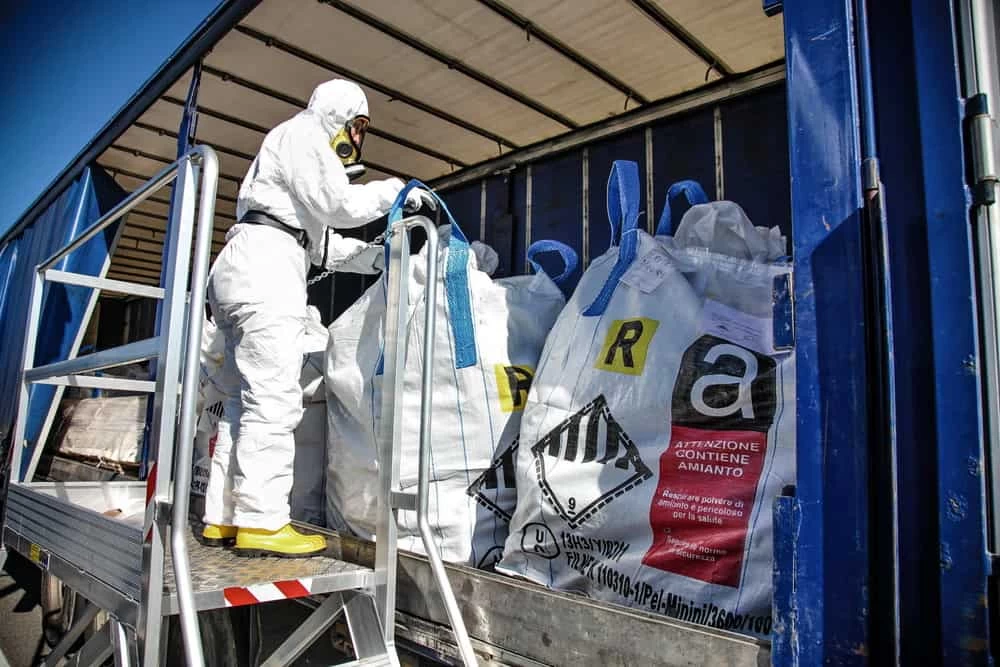
Our restoration background is built directly into how we approach kitchen remodels in Franklin D Roosevelt and the surrounding area. If asbestos-containing floor tiles show up under your 1950s kitchen floor which they do, regularly, in ZIP 10022 buildings we’re licensed to handle abatement as part of the same project. If there’s moisture damage behind the walls near the plumbing stack, we remediate it before the new cabinetry goes in. Most kitchen remodelers stop at the wall surface. We’re equipped to go deeper.
For Midtown East property owners managing a renovation remotely whether you’re at a second home or traveling our 24/7 availability and named project contacts mean you’re never out of the loop. The project gets managed in your absence, and the finished kitchen is ready when you are.
Do I need my co-op board's approval before starting a kitchen remodel in Franklin D Roosevelt?
Yes in virtually every co-op and condo building in the Midtown East area, including Franklin D Roosevelt, board approval is required before any construction begins. The process involves submitting a full board package that includes your contractor’s credentials, insurance certificates, a detailed scope of work, architectural plans if required, and a signed alteration agreement. That agreement defines permitted work hours, noise restrictions, floor and wall protection requirements, and contractor insurance minimums typically $1M to $5M in general liability coverage, with the co-op corporation named as additionally insured.
This process can take weeks, depending on when your board meets and how complete your submission is. Submitting an incomplete package missing insurance documentation, unlicensed contractor credentials, or insufficient scope detail means starting over at the next meeting cycle. We prepare and submit the full board package as part of the project scope, so you’re not navigating that process alone or risking a rejection that costs you a month.
How much does a kitchen remodel typically cost in a Manhattan apartment?
Kitchen remodeling costs in Manhattan are among the highest in the country, and for good reason labor rates, permit fees, building logistics, and the layered approval process all add to the total. A basic cosmetic refresh in a Franklin D Roosevelt or Midtown East apartment typically starts around $30,000. A mid-range full remodel new cabinetry, countertops, updated plumbing and electrical generally runs $60,000 to $100,000. High-end gut renovations in buildings along the FDR Drive corridor can reach $150,000 to $250,000 or more depending on scope and finishes.
On a per-square-foot basis, $400 is widely accepted as the baseline for NYC kitchen work, with high-end projects running $600 to $800 or more. Beyond construction costs, budget for DOB permit fees ($500 to $2,000 for significant work), alteration agreement fees ($1,000 to $5,000 depending on your building), and building architect oversight if your project requires an ALT-2 filing. We provide itemized quotes upfront so you know exactly what you’re committing to before anything starts.
What is an ALT-2 permit and does my kitchen renovation in NYC require one?
An ALT-2 permit Alteration Type 2 is the NYC Department of Buildings permit category for interior renovations that change a space without altering its use or occupancy. For kitchen remodels, an ALT-2 is typically required when the work involves relocating appliances, modifying or extending plumbing, upgrading the electrical panel, or altering walls. It must be filed by a licensed Professional Engineer or Registered Architect, which adds a coordination step and associated fees to the project.
Purely cosmetic work swapping cabinet faces, replacing countertops, or installing new flooring without touching plumbing or electrical may not require a DOB permit, but it almost always still requires board approval in a Midtown East co-op or condo. As of 2026, the DOB also requires written attestation from the co-op or condo board confirming authorization before processing a permit application an additional procedural step that makes contractor-board coordination more important than ever. We manage the ALT-2 filing and all DOB coordination as part of the renovation process.
Can I move my sink or change my kitchen layout in a Franklin D Roosevelt co-op?
It depends on your building’s rules and the location of your plumbing stack. Many Manhattan co-op and condo boards enforce what’s commonly called the “wet-over-dry” rule which prohibits relocating wet areas like kitchens or bathrooms to positions directly above dry areas (living rooms, bedrooms) in the unit below. This means that moving your sink to a different wall isn’t always a straightforward decision. It requires knowing where your building’s plumbing stacks are located and whether the proposed change conflicts with your alteration agreement.
Before designing anything, we review your building’s specific restrictions and identify the plumbing stack locations that will constrain or enable layout changes. The goal is to design a kitchen that you’ll love and that your board will approve not one that gets rejected and has to be redesigned from scratch. In Franklin D Roosevelt buildings throughout Sutton Place and Turtle Bay, these constraints are common, and working around them effectively is a matter of knowing the rules before the pencil hits the paper.
How long does a kitchen remodel take from start to finish in a Manhattan building?
The honest answer is that the construction phase of a kitchen remodel is often the shortest part of the timeline in Manhattan. A mid-range kitchen renovation typically takes three to six weeks of active construction once work begins. But the full timeline from initial design through board approval, permit filing, and construction completion is commonly three to five months when you factor in board meeting cycles, DOB processing, and material lead times.
Board packages need to be submitted ahead of your building’s monthly meeting, which means timing matters. If you miss a submission deadline, you’re waiting another month for the next meeting. DOB ALT-2 permit approval for minor jobs typically takes two to four weeks; more complex projects can take longer. The best approach for Franklin D Roosevelt and Midtown East residents is to start the planning and board submission process well before you want construction to begin particularly if you’re targeting a summer renovation window when you’re out of the city. We map out the full timeline at the start so there are no surprises.
What should I look for when hiring a kitchen remodel contractor for my Midtown East co-op?
The first things to verify are licensing and insurance. In New York City, contractors performing residential renovation work must hold both an NYC General Contractor license and a Home Improvement Contractor license from the NYC Department of Consumer and Worker Protection. Your building will also require proof of general liability insurance typically $1M to $5M with the co-op corporation named as additionally insured. A contractor who can’t produce that certificate on request cannot legally work in your building.
Beyond credentials, look for direct experience in Manhattan co-op and condo buildings specifically. Working in a Midtown East high-rise is logistically different from working in a suburban house freight elevator scheduling, restricted work hours, floor and wall protection requirements, and alteration agreement compliance all require familiarity that comes from having done it before. Ask whether the contractor handles board package preparation and DOB permit filing, or whether that falls on you. In a building where the approval process is as complex as the construction itself, a contractor who manages the full scope paperwork included is worth the investment.