Pre-War Kitchens in Midtown Deserve a Real Upgrade
Your kitchen was designed for a different era. We handle the full renovation design, permits, board coordination, and build so you don’t have to manage any of it.
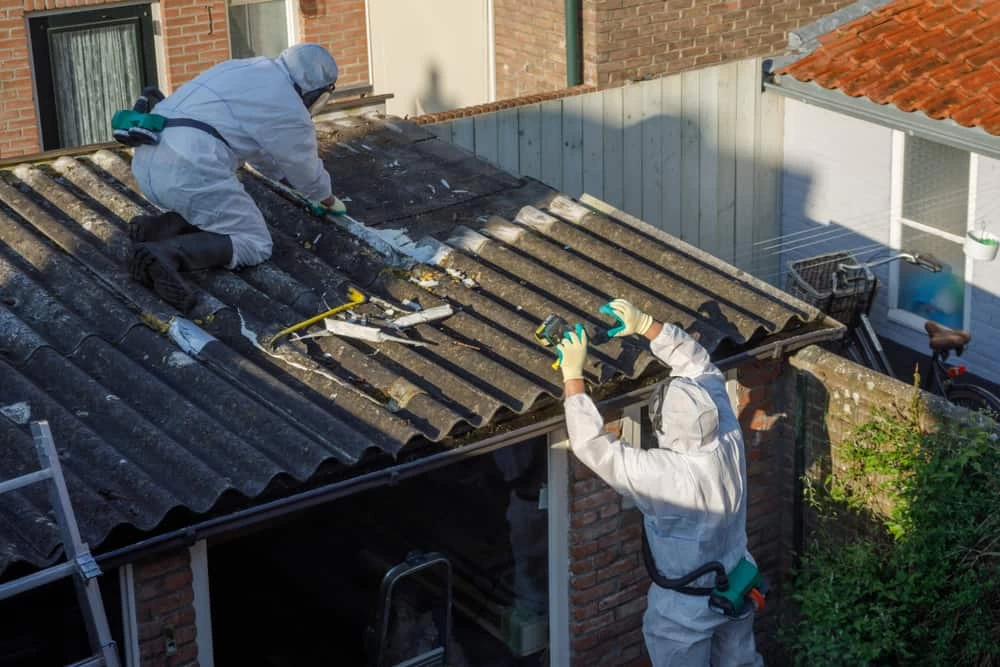
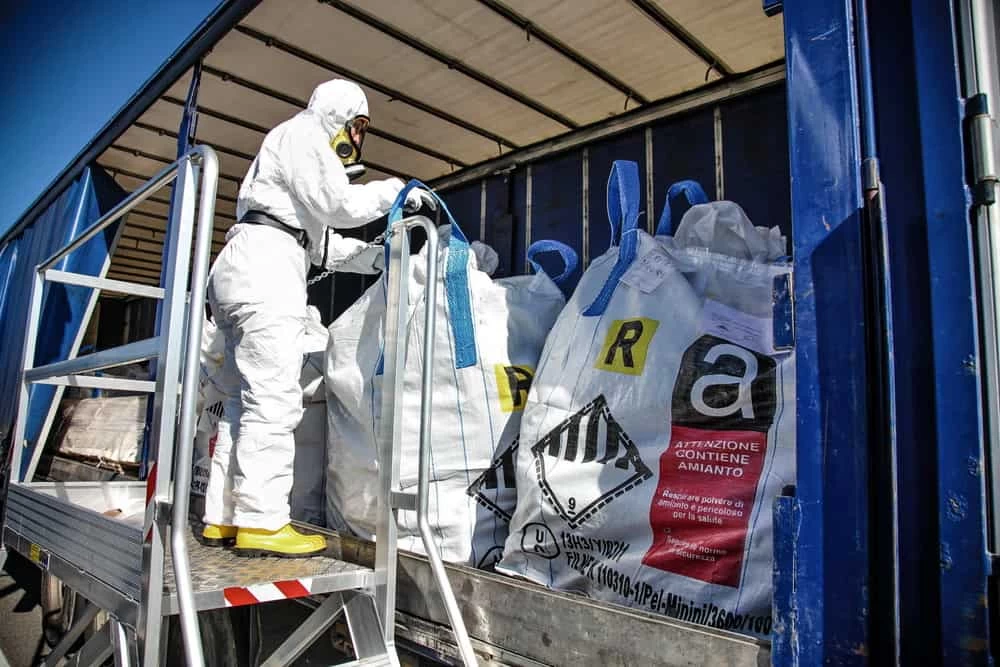
I needed a professional consultation explanation of procedure for safe removal of Asbestos in my apartment complex. Without having an account yet, I was very impressed with the caring, knowledgeable and generous advice offered by Jessica, and will look forward to doing business in the future. Thank you so much! I feel much more informed about a sometimes scary endeavor. Peace. Nancy Silva Mineola, NY.
Mia Munoz
Used this company to clean up some water flood in my house. They were fast and easy to work with.very professional, Would recommend to anyone!
Nini Valle
Great company, had a flood and they responded quickly and efficiently. Billed my insurance company directly. I highly recommend this company!
joe colapietro, jr
I had pipe freeze in my basement right before a snow storm and they made to within an hour to help start the clean up process. They we by our side throughout the entire process and even helped with the insurance company. They did such a great job with the cleanup, repair, remidiation, I contracted them to perform the repairs and finishes in the basement. They came with enough manpower and material to get the job done. Leo and Jessica were nothing but a pleasure to deal with!!
Cristian Arredondo c
I had some water damage in my home and Green Island was able to take care of my issue quickly and effectively. I am very pleased with the work they did. They responded quickly and were very professional.
Michael M
Outstanding service! From the office to the field crew everyone was friendly, helpful and responsive. I highly recommend Green Island Group.
What Changes When Your Kitchen Finally Works for You
Most kitchens in the buildings surrounding Grand Central Tudor City, Turtle Bay, Sutton Place were built in the 1920s and 1930s. They were designed around iceboxes and gas burners, not induction ranges, dishwashers, or the way people actually cook and live today. The layout feels tight. The storage doesn’t make sense. The lighting is an afterthought. And every time you use the kitchen, you’re reminded that it was never really designed for you.
When a kitchen renovation is done right, that changes completely. You get a space that’s functional, not just renovated one where the layout actually reflects how you move through a kitchen, the storage is where you need it, and the finishes hold up to real daily use. In a Midtown co-op or condo where your property value already exceeds a million dollars, a well-executed kitchen is one of the smartest investments you can make. Minor kitchen remodels returned around 96% of their cost at resale in 2024, and in a market as competitive as Midtown East, a renovated kitchen can be the deciding factor when it’s time to sell.
Beyond value, there’s just the everyday reality of living in a space that works. No more working around a kitchen that was designed for someone else’s life, in a different decade, with different expectations. That’s what a real renovation delivers.
5,000 Projects In We Know What's Behind These Walls
We’ve been doing restoration and remodeling work across New York State since 2012. Over 5,000 completed projects, including extensive work throughout Manhattan and New York City, with deep experience in the pre-war buildings that define the Grand Central neighborhood. That background matters more in a neighborhood like this than almost anywhere else, because the buildings here the pre-war co-ops in Turtle Bay, the classic towers along Park Avenue, the historic residences near Sutton Place don’t always reveal what’s inside them until you open a wall.
Before we became a kitchen remodeling company, we were a first-responder restoration contractor. That means our crews have spent years opening walls in New York City buildings and handling whatever they found asbestos, mold, outdated plumbing, deteriorated wiring before the real work even started. That experience doesn’t go away when the project shifts to a kitchen remodel. It comes with us.
We’re licensed and insured for New York City work, MWBE-certified by New York State, and we operate 24/7. For a Midtown East resident who needs a contractor that can actually work within the rules of their building and the expectations of their neighborhood, that combination is hard to find.
From Board Approval to Final Install Here's the Process
A kitchen renovation in a Grand Central co-op or condo doesn’t start with demolition. It starts with paperwork and that’s actually a good thing when you have a contractor who knows how to handle it. Before any work begins, we walk through your building’s specific requirements: the alteration agreement, the insurance documentation your managing agent will need, and whether your building’s wet-over-dry rules affect your layout options. Getting this right upfront is what keeps the project from stalling three weeks in.
From there, the design phase begins. You’ll see your kitchen in 3D before a single cabinet comes down. This isn’t just a visual it’s the documentation your co-op or condo board needs to approve the alteration. We prepare board-ready drawings and coordinate the DOB filing process, including the Alteration Type 2 permit required for any kitchen work involving plumbing, electrical, or layout changes. As of 2026, co-op and condo boards also need to provide formal attestation in DOB NOW before permits can be filed, and that’s factored into the timeline from day one.
Once approvals are in place, construction is sequenced around your building’s construction hours typically weekdays between 8 AM and 5 PM in most Midtown East buildings. The work moves in a logical order: demo, rough plumbing and electrical, cabinetry, countertops, backsplash, flooring, lighting, and final trim. You’re kept informed throughout, and the job doesn’t close until everything is done right.
Everything Your Grand Central Kitchen Renovation Includes
A kitchen remodel with us covers the full scope not just the visible work, but everything behind it. That means 3D design and blueprinting before construction starts, custom cabinetry with soft-close hardware, quartz and granite countertop installation, backsplash and flooring, under-cabinet lighting and electrical modifications, plumbing adjustments for sinks and dishwashers, and complete permit management from DOB filing through final sign-off. If your renovation requires an open-concept layout conversion something many Turtle Bay and Murray Hill apartment owners are doing to modernize their pre-war floor plans that’s handled too.
What makes the service different for a building in this part of Manhattan is the regulatory layer that comes with it. Most co-op buildings near Grand Central require contractors to carry a minimum of $2 million in general liability insurance per occurrence, with the building’s management company named as an additional insured. We meet that standard and provide the documentation your building will ask for before work starts. We also understand the wet-over-dry restrictions common in pre-war buildings, which affect what layout changes are actually possible and we’ll tell you upfront what’s feasible before you fall in love with a design your board won’t approve.
Kitchen renovation costs in Manhattan typically range from $75,000 to $150,000 for mid-range projects, with full gut renovations in higher-end buildings running $200,000 and above. We provide transparent, detailed estimates so you know exactly what you’re committing to before the project starts.
Do I need board approval to remodel my kitchen in a Grand Central co-op?
Yes and in most buildings near Grand Central, board approval comes before anything else. Before you can file for a DOB permit, your co-op or condo board needs to review and approve the scope of work through an alteration agreement. This typically requires architectural drawings, a contractor certificate of insurance naming the building and management company as additional insureds, and a detailed description of the work being done. Some boards also require a refundable damage deposit before construction begins.
As of January 2026, there’s an additional step: condo and co-op boards are now required to provide formal attestation in DOB NOW before a permit filing can proceed. This is a newer procedural requirement that affects project timelines, and it’s something your contractor needs to account for upfront. If you’re working with someone who isn’t familiar with this process, you’ll find out the hard way usually when your project stalls waiting on documentation that should have been prepared weeks earlier.
What permits are required for a kitchen renovation in New York City?
For most kitchen renovations in Manhattan anything that involves changes to plumbing, electrical systems, gas lines, or the layout of the space you’ll need an Alteration Type 2 permit from the NYC Department of Buildings. This requires a registered architect or professional engineer to prepare and submit construction plans for DOB review before a contractor can pull work permits. It’s not a quick process, and it’s not optional.
The permit requirement exists for good reason. In a pre-war building near Grand Central, the plumbing stack may serve multiple units above and below yours. Electrical panels in buildings from the 1930s and 1940s weren’t designed for modern appliances. The DOB review process is what ensures the work is done safely and doesn’t create problems for the rest of the building. A contractor who suggests skipping permits or doing the work without filing is not someone you want working in your apartment or your building.
How long does a kitchen renovation typically take in a Manhattan apartment?
The honest answer is that the construction itself demo through final install usually takes four to eight weeks for a mid-range kitchen renovation. But the full timeline from start to finish is longer than that, because the pre-construction phase in a Manhattan co-op or condo adds time that most people don’t account for.
Board approval alone can take two to six weeks depending on how frequently your board meets and how quickly they turn around alteration agreements. DOB permit review adds additional time on top of that. If you’re planning a renovation for a specific date before the holidays, before a summer rental, before you list the apartment you need to start the process earlier than feels necessary. A realistic timeline from initial consultation to a finished kitchen in a Midtown East co-op is typically three to five months when you factor in design, approvals, permitting, and construction. Starting the conversation early is the single most effective thing you can do to keep that timeline on track.
Can I relocate my kitchen or change the layout in a pre-war co-op building near Grand Central?
It depends on your building, and the answer matters before you get too far into the design process. Many pre-war co-op buildings in the Grand Central area particularly those built in the 1920s and 1930s in neighborhoods like Turtle Bay and Sutton Place have what’s known as a wet-over-dry restriction. This rule prohibits relocating kitchens or bathrooms above areas that are classified as dry spaces, like bedrooms or living rooms in the unit below. The concern is water damage: if a relocated kitchen develops a leak, the unit below has no protection.
Beyond wet-over-dry rules, some buildings restrict changes to plumbing stacks entirely, meaning you can update everything within your existing kitchen footprint but can’t move the sink to a different wall. The right contractor will review your building’s alteration agreement and your unit’s existing plumbing configuration before presenting layout options not after. That way, the design you fall in love with is one you can actually build.
What does a kitchen remodel cost in the Grand Central area of Manhattan?
Kitchen renovation costs in Manhattan vary significantly depending on scope, materials, and the specific conditions inside your building. For a mid-range renovation new cabinetry, countertops, appliances, backsplash, lighting, and updated plumbing and electrical most projects in the Midtown East area fall between $75,000 and $150,000. Full gut renovations that involve layout changes, structural work, or high-end custom finishes can run $200,000 and above.
A few factors specific to this part of Manhattan tend to affect cost. Older buildings in the Grand Central area sometimes reveal conditions inside the walls outdated wiring, corroded pipes, or materials that require remediation that add scope to a project. Construction hour restrictions in most Midtown East co-op buildings mean work can only happen on weekdays during specific hours, which affects how quickly a project moves and how labor is scheduled. And the permitting process in New York City including architectural drawings, DOB filing fees, and the time built into the approval process adds cost that doesn’t exist in a suburban renovation. A detailed estimate upfront, with those factors accounted for, is the only way to budget accurately.
Is summer a good time to do a kitchen renovation in a Midtown East apartment?
For a lot of Grand Central area residents, summer is actually the best time to renovate and it’s not just a matter of preference. Many Midtown East co-op buildings see a significant drop in occupancy during July and August, when residents head to the Hamptons, Connecticut, or upstate. Some building boards actively encourage summer scheduling for renovation work because fewer neighbors are present to be affected by construction noise and elevator traffic.
From a practical standpoint, summer renovations also give you the cleanest separation between your daily life and the job site. If you’re spending time at a second home or traveling for work, the renovation can move forward without disrupting your routine. The key is starting the planning process in late winter or early spring ideally February or March so that board approval and DOB permitting are complete before summer begins. By the time July arrives, you’re ready to start construction, not still waiting on paperwork. Our project management process is built around exactly this kind of timeline planning, so the window you’re counting on doesn’t get eaten up by avoidable delays.