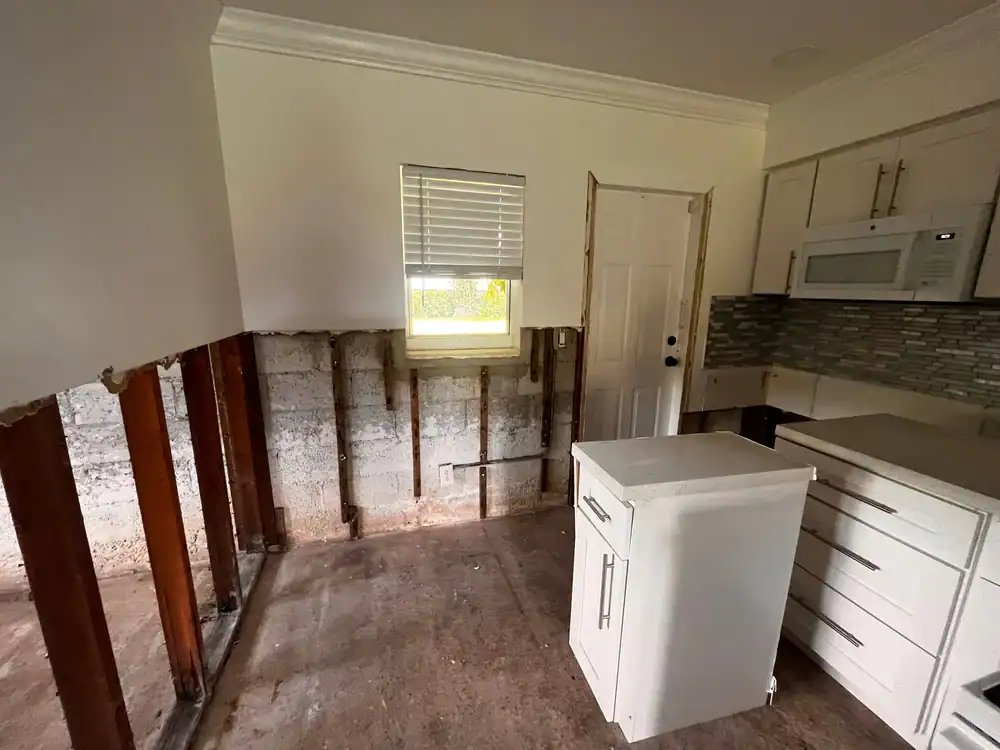
Your home on the Great Neck Peninsula is worth too much to have a kitchen that doesn’t keep up. We handle the full kitchen remodel — design through final inspection — so you don’t have to manage it yourself.
I needed a professional consultation explanation of procedure for safe removal of Asbestos in my apartment complex. Without having an account yet, I was very impressed with the caring, knowledgeable and generous advice offered by Jessica, and will look forward to doing business in the future. Thank you so much! I feel much more informed about a sometimes scary endeavor. Peace. Nancy Silva Mineola, NY.
Mia Munoz
Used this company to clean up some water flood in my house. They were fast and easy to work with.very professional, Would recommend to anyone!
Nini Valle
Great company, had a flood and they responded quickly and efficiently. Billed my insurance company directly. I highly recommend this company!
joe colapietro, jr
I had pipe freeze in my basement right before a snow storm and they made to within an hour to help start the clean up process. They we by our side throughout the entire process and even helped with the insurance company. They did such a great job with the cleanup, repair, remidiation, I contracted them to perform the repairs and finishes in the basement. They came with enough manpower and material to get the job done. Leo and Jessica were nothing but a pleasure to deal with!!
Cristian Arredondo c
I had some water damage in my home and Green Island was able to take care of my issue quickly and effectively. I am very pleased with the work they did. They responded quickly and were very professional.
Michael M
Outstanding service! From the office to the field crew everyone was friendly, helpful and responsive. I highly recommend Green Island Group.
What Changes When the Kitchen Finally Matches the House
A lot of homes in Great Neck Estates are sitting on $1.6 million in value with a kitchen that was last touched in 1988. The bones of the house are solid — Tudor millwork, original hardwood, real architectural character — but the kitchen tells a different story. That gap is exactly what a well-executed renovation closes.
When you’re living on the peninsula, coastal conditions work against your kitchen faster than most homeowners realize. Manhasset Bay to the east, Little Neck Bay to the west — the ambient humidity and salt air that come with that geography accelerate wear on cabinetry, grout, and subfloor materials in ways that inland Nassau County homes simply don’t experience at the same rate. What looks like a cosmetic issue often has moisture behind it.
The result of getting this right isn’t just a better-looking kitchen. It’s a home that functions the way it should for the way you actually live — whether that’s hosting the family gatherings that Great Neck Estates residents are known for, or simply having a space that reflects what you’ve built here. And when it comes time to sell, a renovated kitchen in this market is one of the clearest ways to separate your listing from everything else sitting on Middle Neck Road.
We’re a Long Island-based kitchen remodeling contractor — not a franchise, not a lead generation site, not a national brand with a local phone number. When you hire us, you get a single team managing your project from demolition through the final walkthrough with the Village of Great Neck Estates Building Department.
That last part matters more here than in most places. Great Neck Estates is an incorporated village with its own permit authority — separate from Nassau County and the Town of North Hempstead. We know how to file with the village, what the Building Department needs, and how to keep your project moving without the compliance delays that catch other contractors off guard.
We’ve worked in older homes across the North Shore — Colonials, Tudors, mid-century Ranches — and we know what tends to be hiding behind the walls before the demo hammer swings. That experience means your budget stays realistic and your timeline stays honest.
From the First Conversation to the Final Inspection
It starts with a consultation at your home. We walk the kitchen with you, talk through what’s working, what isn’t, and what you actually want out of the space. For a lot of homeowners in Great Neck Estates, that conversation has been a long time coming — they’ve had ideas for years but never had a contractor who could take the whole thing off their plate. That’s what we’re here to do.
Once we’ve aligned on scope and design direction, we handle the permit application with the Village of Great Neck Estates Building Department. All construction plans go through licensed review and village approval before a single tool comes out. This isn’t optional in an incorporated village — and it protects you at resale, keeps your insurance valid during construction, and ensures there are no unpermitted surprises down the road.
From there, our team manages demolition, rough work — electrical, plumbing, structural if needed — cabinetry installation, countertops, flooring, lighting, and finish work in sequence. One project manager, one point of contact. When the work is done, we close out the permit and walk through the finished kitchen with you. That’s what start-to-finish accountability looks like.
Everything the Kitchen Needs — Nothing Handed Off to Someone Else
A kitchen remodel in Great Neck Estates isn’t a single trade job. It’s cabinetry, countertops, flooring, electrical, plumbing, lighting, ventilation, and finish work — all of which have to be coordinated, sequenced, and executed in a home that has real architectural character worth preserving. We handle all of it under one contract.
For homes along streets like Deepdale Drive, McKnight Drive, or Amherst Road — where the housing stock ranges from 1911-era original construction through mid-century builds — we start every project with an honest assessment of what’s behind the walls. Older homes in this village can carry aging plumbing, outdated electrical panels, and subfloor conditions that need to be addressed before the finish work begins. We find those things early, not after the cabinets are already ordered.
Whether you’re doing a full kitchen redesign with layout reconfiguration and custom cabinetry, a cabinet renovation and countertop replacement, or a focused kitchen makeover that modernizes the space without moving walls, the scope is built around your home and what it actually needs. We don’t sell you a package that doesn’t fit. What we do is give you a clear proposal, a realistic timeline, and a team that shows up and finishes what they started — in a village where your neighbors will notice either way.
Do I need a permit for a kitchen remodel in Great Neck Estates?
Yes — and this is one of the most important things to understand before you hire anyone. Great Neck Estates is an incorporated village with its own Building Department, which means permit authority here sits with the village, not Nassau County or the Town of North Hempstead. Any kitchen renovation that involves electrical work, plumbing changes, structural modifications, or HVAC requires a building permit filed directly with the Village of Great Neck Estates.
The village follows the New York State Building Code, and all construction plans must be prepared by a licensed architect or engineer and approved before work begins. Licensed contractors are required to carry out the construction — verbal agreements with unlicensed workers don’t cut it here, and the village enforces this. Skipping permits isn’t just a legal risk — it creates real problems at resale, can void your homeowner’s insurance during the project, and may require you to tear out completed work if a violation is discovered. We handle the full permit process on your behalf, so you don’t have to navigate the village’s Building Department on your own.
How much does a kitchen remodel typically cost in Great Neck Estates, NY?
The honest answer is that it depends on scope, but here’s a realistic range for this market. A focused kitchen makeover — new countertops, cabinet refacing, updated fixtures and lighting — typically runs $25,000 to $50,000. A full kitchen renovation with new cabinetry, countertops, appliances, flooring, and lighting lands between $60,000 and $120,000. If you’re reconfiguring the layout, moving plumbing or electrical, adding structural changes, or going with custom cabinetry and premium appliances, you’re looking at $120,000 to $250,000 or more.
Labor and material costs in the New York metro area run 25 to 40 percent above national averages — that’s just the reality of working on Long Island with licensed trades. But in a market where the median home value in Great Neck Estates exceeds $1.6 million, a well-executed kitchen renovation returns a significant portion of that investment at resale. Buyers in this market notice the kitchen immediately. A dated one costs you at the negotiating table; a renovated one closes the gap.
How long does a full kitchen remodel take from start to finish?
For a full kitchen renovation in Great Neck Estates, you should plan for a total timeline of 10 to 16 weeks from signed contract to completed project — and that includes the permit process with the village’s Building Department, which adds time upfront that many homeowners don’t factor in. The village requires plan review and approval before any work begins, and that process typically takes two to four weeks depending on project complexity and current department volume.
Once permits are approved, the active construction phase for a full kitchen remodel — demo, rough trades, cabinetry, countertops, flooring, and finish work — generally runs six to ten weeks. Cabinet lead times are one of the biggest variables; custom and semi-custom cabinetry ordered from the manufacturer can take four to eight weeks to arrive after the order is placed, which is why we get that process started as early as possible. A focused kitchen makeover with no structural changes and in-stock materials can move significantly faster. We’ll give you a specific timeline in your proposal based on your actual scope.
What should I watch out for in older Great Neck Estates homes before starting a kitchen remodel?
Homes in Great Neck Estates range from 1911-era original construction through mid-century builds, and the older the home, the more likely you are to find conditions behind the walls that need to be addressed before finish work can begin. The most common ones we encounter are aging plumbing that needs reconfiguration or replacement, electrical panels and wiring that predate modern appliance load requirements, and subfloor damage — particularly around sink areas and exterior walls — from years of moisture exposure.
The peninsula’s coastal geography plays into this more than most homeowners expect. The humidity and salt air from Manhasset Bay and Little Neck Bay accelerate moisture infiltration in older building envelopes, and kitchens adjacent to exterior walls or with older windows are especially vulnerable. What looks like a cosmetic cabinet issue can have a compromised subfloor underneath it. We assess all of this before the project begins — not after cabinets are already ordered and demo has started. An honest pre-project assessment is one of the clearest ways to keep your budget and timeline from going sideways.
Can a kitchen remodel in Great Neck Estates increase my home's resale value?
In this market, yes — and the math is fairly straightforward. Kitchen remodels in the Northeast return approximately 85 to 96 cents on the dollar at resale, which is among the highest returns of any home improvement project. In Great Neck Estates, where median home values exceed $1.6 million and homes have been selling within 30 days in recent market data, a renovated kitchen isn’t a luxury — it’s a competitive advantage.
Buyers touring homes in Great Neck Estates are sophisticated. They’ve seen what renovated kitchens look like in neighboring Kings Point, in new construction along the peninsula, and in the luxury listings they’ve been tracking online. A dated kitchen in a $2 million home creates immediate doubt about what else hasn’t been updated. A well-executed kitchen renovation removes that doubt and supports your asking price. If you’re planning to sell in the next two to five years, the timing of a kitchen renovation matters — doing it far enough in advance to actually enjoy the space before you list is the move most homeowners wish they’d made sooner.
How do I know if a kitchen remodeling contractor is properly licensed to work in Great Neck Estates?
Start by asking for their Nassau County Home Improvement Contractor license number and a current Certificate of Insurance — general liability and workers’ compensation — before you sign anything. A legitimate contractor hands those over without hesitation. If there’s any reluctance or vague reassurance instead of actual documentation, that’s your answer.
Beyond the county license, Great Neck Estates requires that all construction work be carried out by licensed contractors who pull permits through the village’s own Building Department. A contractor who isn’t familiar with village-level permitting in incorporated Nassau County communities — or who suggests that certain work doesn’t need a permit — is a contractor who will create problems for you down the road. Ask directly: have you pulled permits with the Village of Great Neck Estates Building Department before? Have you completed kitchen remodels in incorporated villages on the North Shore? Those questions separate contractors who know this market from those who are figuring it out on your dime. We carry all required credentials and can provide documentation before any agreement is signed.