Midtown Kitchens Deserve More Than a Quick Refresh
Most kitchen remodelers show up with a tape measure and a price. We show up with a full plan design, permits, board approval, and a team that’s done this in Manhattan buildings before.
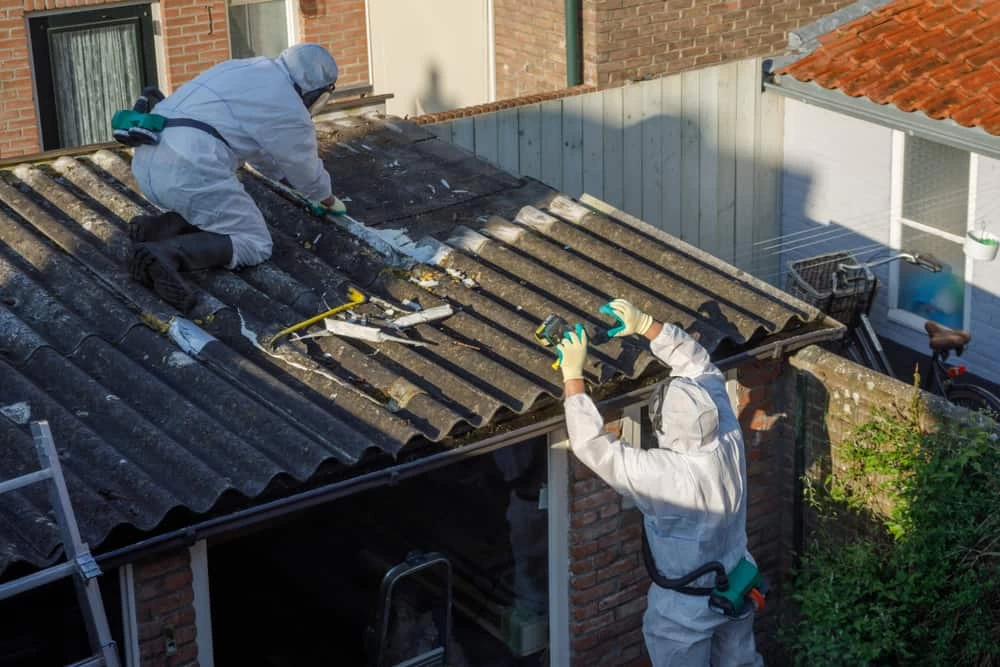
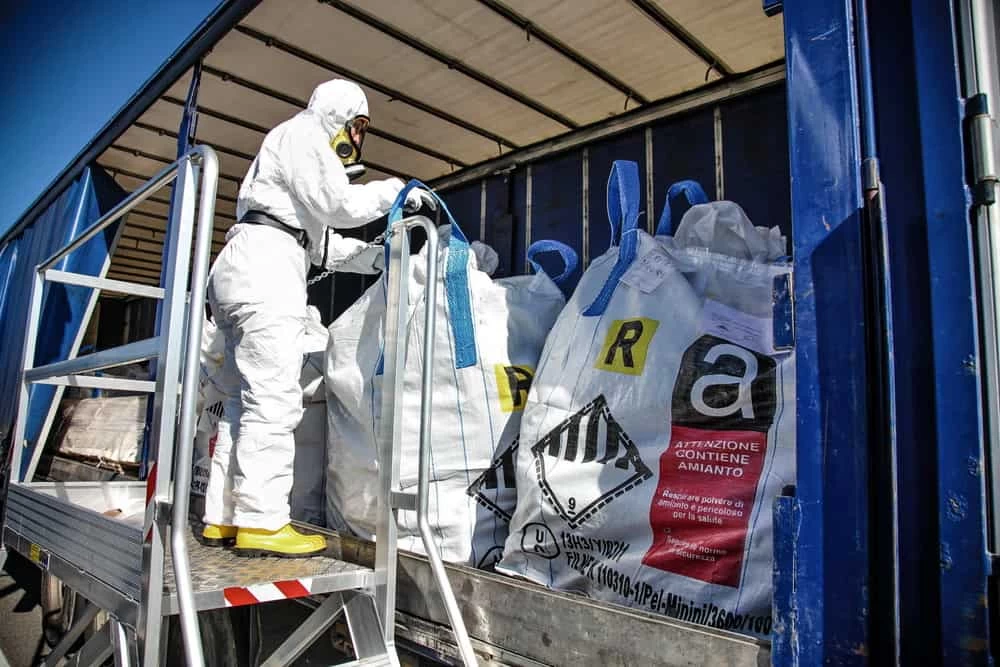
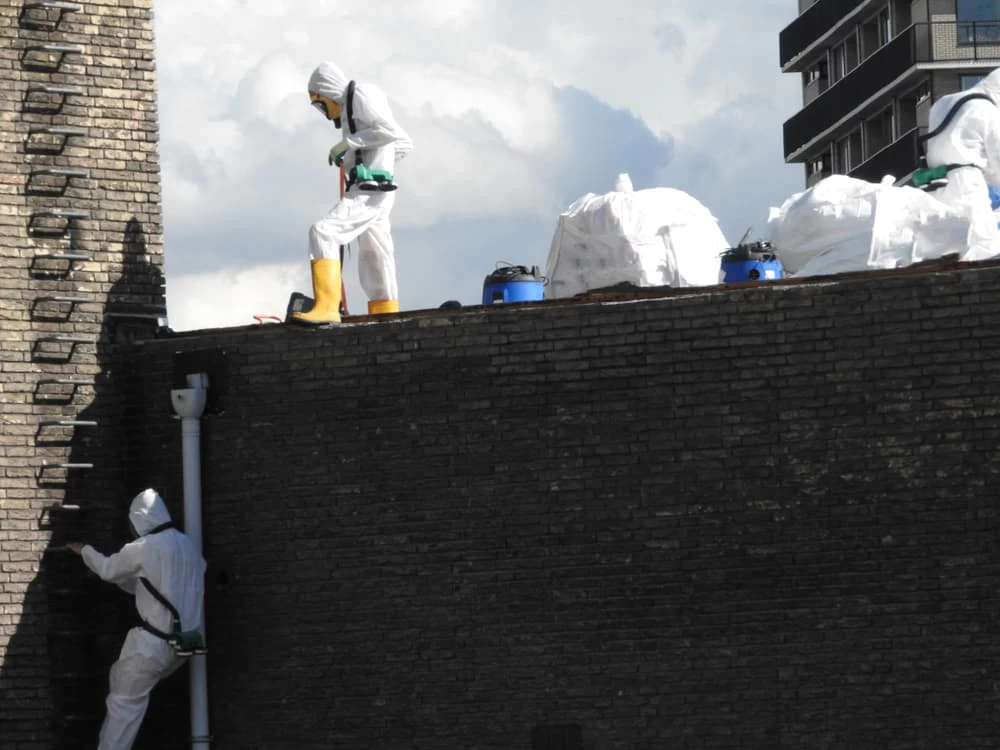
I needed a professional consultation explanation of procedure for safe removal of Asbestos in my apartment complex. Without having an account yet, I was very impressed with the caring, knowledgeable and generous advice offered by Jessica, and will look forward to doing business in the future. Thank you so much! I feel much more informed about a sometimes scary endeavor. Peace. Nancy Silva Mineola, NY.
Mia Munoz
Used this company to clean up some water flood in my house. They were fast and easy to work with.very professional, Would recommend to anyone!
Nini Valle
Great company, had a flood and they responded quickly and efficiently. Billed my insurance company directly. I highly recommend this company!
joe colapietro, jr
I had pipe freeze in my basement right before a snow storm and they made to within an hour to help start the clean up process. They we by our side throughout the entire process and even helped with the insurance company. They did such a great job with the cleanup, repair, remidiation, I contracted them to perform the repairs and finishes in the basement. They came with enough manpower and material to get the job done. Leo and Jessica were nothing but a pleasure to deal with!!
Cristian Arredondo c
I had some water damage in my home and Green Island was able to take care of my issue quickly and effectively. I am very pleased with the work they did. They responded quickly and were very professional.
Michael M
Outstanding service! From the office to the field crew everyone was friendly, helpful and responsive. I highly recommend Green Island Group.
Living near Greeley Square means you’re surrounded by some of the most valuable real estate in the country. The median home price in Midtown Manhattan sits around $1.3 million. That context matters when you’re deciding whether to invest in your kitchen because a well-executed renovation here isn’t just about aesthetics. It directly supports your apartment’s value, its competitiveness when you’re ready to sell, and frankly, how you feel coming home after a long day in one of the busiest corridors in the city.
The buildings around Greeley Square prewar co-ops, converted Garment District lofts, luxury rentals like Herald Towers on 34th Street each come with their own set of renovation realities. Older building stock often hides outdated plumbing, undersized electrical panels, or materials that need proper handling before new work can begin. A contractor who’s only done suburban kitchens won’t see those things coming. One who’s worked in Manhattan buildings for over a decade will.
When the renovation is done right, you get a kitchen that fits the way you actually live functional, clean, modern, and built to last in a building that has its own rules about how work gets done. That’s the difference between a rushed job and one that holds up.
We’ve been doing restoration and remodeling work across New York since 2012 over 5,000 completed projects, including extensive work throughout Manhattan and the neighborhoods around Greeley Square. We’re MWBE-certified through New York State, hold the required NYC Home Improvement Contractor license, and have navigated the DOB filing process and co-op board alteration agreements more times than most contractors have even heard of them.
What makes our team different isn’t just the credentials. We come from a restoration background water damage, mold remediation, asbestos abatement which means when we open a wall in a prewar building two blocks from Korea Way and find something unexpected, we know exactly what to do. That’s not a capability most kitchen remodelers in this market have.
You’ll work with real people Leo and Jessica are cited by name across verified reviews on multiple platforms. In a neighborhood where everything operates at scale, that kind of direct accountability is rare and worth something.
It starts with a conversation about what you actually want, followed by an on-site assessment of your space. From there, we build out a 3D design model so you can see the finished kitchen before anything gets moved. In a Manhattan apartment where every square foot counts, that step isn’t optional it’s how you avoid expensive decisions you can’t undo.
Once the design is approved, the permit work begins. For most kitchen renovations in NYC, that means an Alteration Type 2 (Alt-2) filing with the NYC Department of Buildings, coordination with a licensed architect or engineer for plan approval, and if you’re in a co-op, which covers about 60% of Manhattan properties a formal alteration agreement with your building board. We handle all of that. You don’t have to figure out what the board needs or how to file with the DOB. That’s part of the job.
Construction follows a clear schedule built around your building’s work hour rules typically Monday through Friday, 8 AM to 5 PM in most Manhattan co-ops and condos. We protect common areas, respect elevator restrictions, and run a clean site. When the work is done, it gets inspected, signed off, and closed out properly. No loose ends.
A kitchen renovation through us covers the full scope cabinet design and installation, countertop selection and fabrication, plumbing for sink and dishwasher lines, electrical upgrades for modern appliances and lighting, flooring, tile work, and finish details. Everything is coordinated under one team. No subcontractor hand-offs, no scheduling gaps between trades, and no finger-pointing when something needs to be sorted out.
For buildings in the Greeley Square area whether you’re in a prewar co-op near Koreatown, a converted loft in the Garment District, or a luxury rental along the 34th Street corridor our service is built around what Manhattan renovations actually require. That includes low-flow fixture compliance per NYC Plumbing Code, proper ventilation planning for kitchens in enclosed apartment layouts, and material choices that hold up in buildings where humidity and limited airflow are real factors.
If your renovation starts with a water damage situation a slow leak behind the refrigerator, a pipe issue from the unit above we can assess, remediate, and transition directly into the kitchen remodel. That dual capability means you’re not coordinating two separate contractors or waiting for one job to close before the next one opens. It’s handled, start to finish, by one team.
Do I need a permit to remodel my kitchen in a Greeley Square co-op?
In most cases, yes. Kitchen renovations in New York City that involve plumbing relocation, electrical upgrades, or gas work require an Alteration Type 2 (Alt-2) permit filed with the NYC Department of Buildings. Even if you’re keeping the same general layout, upgrading your electrical panel or replacing old plumbing lines can trigger that requirement. A licensed architect or professional engineer needs to submit approved construction plans before work can begin.
On top of the DOB filing, if you’re in a co-op near Greeley Square which covers roughly 60% of Manhattan properties in this area your building board needs to approve a formal alteration agreement before any permit can even be filed. That process involves submitting contractor insurance certificates, a scope of work, and a construction timeline for board review. It adds time to the pre-construction phase, but skipping it isn’t an option. Unpermitted work in a co-op can block a future sale and create real liability. We manage both the DOB filings and the board approval process as part of every kitchen renovation.
How much does a kitchen remodel typically cost in Midtown Manhattan?
Kitchen renovation costs in Manhattan vary significantly depending on the scope of work, the condition of the existing space, and the finishes you choose. For a standard mid-range renovation new cabinets, countertops, appliances, updated plumbing and electrical you’re generally looking at $35,000 to $80,000. Larger gut renovations in luxury condos or buildings with more complex permitting situations can exceed $100,000.
A few factors specific to the Greeley Square area tend to affect cost. Older buildings prewar co-ops and mid-century conversions common throughout Midtown South sometimes have conditions inside the walls that need to be addressed before new work can go in: aging plumbing, undersized electrical panels, or materials that require proper handling. Those discoveries don’t have to derail the budget if your contractor is equipped to deal with them. Our restoration background means those situations get handled in-house, without bringing in a separate contractor or inflating the timeline unnecessarily.
How long does a kitchen renovation take in a Manhattan apartment?
The honest answer is that it depends on two phases: pre-construction and construction. Pre-construction design approval, DOB permit filing, co-op or condo board alteration agreement can take anywhere from four to twelve weeks depending on how quickly the board reviews your application and how complex the DOB filing is. This phase is often longer than people expect, and it’s the one that catches homeowners off guard when they’re planning a timeline.
The construction phase for a standard kitchen renovation in a Manhattan apartment typically runs four to eight weeks. Buildings in the Greeley Square area like most Midtown co-ops and condos restrict work to Monday through Friday during daytime hours, usually 8 AM to 5 PM. That limits how much can be done each day and means the construction timeline is longer than an equivalent suburban project. We build that reality into the schedule upfront, so you’re not getting a promise of three weeks that quietly becomes three months.
What happens if your contractor finds mold or water damage during the renovation?
This comes up more often than people expect, especially in older Manhattan buildings. A slow leak behind a refrigerator, water intrusion from the unit above, or years of condensation in a poorly ventilated kitchen can leave hidden damage inside walls and under flooring. In a prewar building near Greeley Square, it’s not unusual to open a wall and find conditions that need to be addressed before new work can go in.
Most kitchen remodelers treat that as someone else’s problem they stop work, tell you to find a remediation company, and wait. We don’t operate that way. Our background in water damage restoration and mold remediation means we can assess what’s there, remediate it properly, and continue directly into the kitchen renovation without handing you off to a separate contractor. If the damage qualifies for an insurance claim, we can also work directly with your insurance company on that portion of the project. It keeps the timeline intact and removes one of the most stressful parts of an unexpected mid-renovation discovery.
Can I renovate my kitchen if I rent in a building near Greeley Square?
If you’re a renter, kitchen renovations are generally not something you can initiate on your own that work belongs to the building owner or landlord. However, if you own your unit in a co-op or condo in the area, you have the right to renovate subject to your building’s alteration agreement process and the applicable NYC DOB permits.
For condo owners, the process is somewhat more straightforward than for co-op shareholders. Co-ops require board approval through a formal alteration agreement before any DOB filing can begin, and boards have significant discretion in what they approve. Condo boards typically have a right of first refusal but less authority to block renovations outright. Either way, the process involves paperwork, insurance requirements, and coordination with building management all of which we handle as a standard part of every Manhattan kitchen renovation. If you’re unsure what your building requires, that’s a good first question to bring to the consultation.
How do I know if a kitchen remodeling contractor is licensed to work in New York City?
New York City requires all residential contractors doing kitchen renovation work to hold a Home Improvement Contractor (HIC) license issued by the NYC Department of Consumer and Worker Protection. This is separate from a general contractor’s license and specific to residential work in the five boroughs. You can verify any contractor’s HIC license directly through the DCWP’s online license lookup tool it takes about thirty seconds and tells you whether the license is active and in good standing.
Beyond the HIC license, permitted kitchen work in NYC requires a licensed architect or professional engineer to stamp and file construction plans with the Department of Buildings. A contractor who tells you permits aren’t necessary for your scope of work or who suggests skipping the board alteration agreement to save time is a red flag, not a shortcut. In a co-op or condo building near Greeley Square, unpermitted work can surface during a future sale, trigger board action, and create personal liability for the unit owner. We hold the required NYC licensure and manage the full permit and approval process as a standard part of every project.