Kensington Kitchens Deserve More Than a Quick Refresh
Your home was built to last a century. Your kitchen should reflect that. We handle kitchen remodels in Kensington, NY from the first design conversation to the final inspection — one team, no chaos.
I needed a professional consultation explanation of procedure for safe removal of Asbestos in my apartment complex. Without having an account yet, I was very impressed with the caring, knowledgeable and generous advice offered by Jessica, and will look forward to doing business in the future. Thank you so much! I feel much more informed about a sometimes scary endeavor. Peace. Nancy Silva Mineola, NY.
Mia Munoz
Used this company to clean up some water flood in my house. They were fast and easy to work with.very professional, Would recommend to anyone!
Nini Valle
Great company, had a flood and they responded quickly and efficiently. Billed my insurance company directly. I highly recommend this company!
joe colapietro, jr
I had pipe freeze in my basement right before a snow storm and they made to within an hour to help start the clean up process. They we by our side throughout the entire process and even helped with the insurance company. They did such a great job with the cleanup, repair, remidiation, I contracted them to perform the repairs and finishes in the basement. They came with enough manpower and material to get the job done. Leo and Jessica were nothing but a pleasure to deal with!!
Cristian Arredondo c
I had some water damage in my home and Green Island was able to take care of my issue quickly and effectively. I am very pleased with the work they did. They responded quickly and were very professional.
Michael M
Outstanding service! From the office to the field crew everyone was friendly, helpful and responsive. I highly recommend Green Island Group.
Most Kensington homes were built between the 1920s and 1950s. The architecture is beautiful — the original kitchens, not so much. Closed-off layouts, undersized footprints, outdated wiring that can’t support a modern range — these aren’t cosmetic problems. They’re functional ones, and they affect how you live in the home every single day.
When the kitchen is done right, you stop working around it. The layout actually supports how your household cooks and gathers. There’s counter space where you need it, storage that makes sense, and appliances that don’t trip a breaker. For families in Kensington who use the kitchen as a real gathering space — not just a place to heat things up — that shift is significant.
There’s also the financial side. With median home values in Kensington sitting around $1.41 million, a dated kitchen isn’t just inconvenient — it’s a liability when it comes time to sell. A well-executed kitchen renovation in this market consistently returns strong value at resale. Buyers paying over a million dollars notice the kitchen immediately. So do their agents.
Kitchen Remodel Contractors Serving Kensington, NY
We Know What's Behind the Walls of a Kensington Home
We’re a New York-based renovation contractor that works in Nassau County homes — including the kind of pre-war Colonials and Tudor-style properties that define Kensington’s residential streets. We know what’s typically behind the walls of a home built in the 1930s. Knob-and-tube wiring, plaster walls, cast iron pipes — these aren’t surprises to us. They’re part of the job, and we plan for them upfront.
We hold the Nassau County Home Improvement Contractor License required for all residential renovation work in the county. We carry general liability and workers’ compensation insurance, and we’ll provide the certificate before you sign anything. For homes built before 1978 — which covers a significant portion of Kensington’s housing stock — we also hold EPA Lead-Safe certification, which federal law requires for renovation work that disturbs lead paint.
If you’ve worked with contractors before and felt like you were managing them more than they were managing the project, that’s exactly what we’re built to fix.
It starts with a consultation. We walk through your kitchen, talk through what’s working and what isn’t, and give you an honest read on what the project involves — including what we’re likely to find once demolition starts in a home of your age and construction type. No vague estimates. No surprises we pretend we couldn’t have anticipated.
From there, we move into design and material selection. This is where layout decisions get made — whether you’re opening up a wall, reconfiguring the footprint, or working within the existing structure. We help you navigate cabinet styles, countertop materials, and finish choices that complement the architectural character of your home rather than clashing with it. A kitchen in a 1940s Kensington Colonial has different proportions and design needs than a new construction build, and the selections should reflect that.
Once design is locked, we handle the permit application with the Town of North Hempstead. This step matters more than most homeowners realize — unpermitted work in a home at this price point creates real problems at resale. We manage the submission, the review process, and the inspections at each stage. Construction runs on a timeline we set with you at the start, not an optimistic guess that gets revised every two weeks. When we say a project takes eight weeks, we mean eight weeks.
Full Kitchen Remodels Built for Homes With History
A kitchen remodel in Kensington isn’t a simple cabinet swap. The homes here were built in an era when kitchens were separate rooms — not the open, connected spaces that modern households expect. That means most full renovations involve some combination of layout reconfiguration, electrical upgrades, plumbing work, and structural changes, all of which require permits from the Town of North Hempstead and coordination between trades that actually know how to work together.
We manage the full scope under one contract. Cabinet design and installation, countertop fabrication and fitting, tile work, lighting, plumbing fixture updates, and finish carpentry — it’s all handled by one team with one project manager as your point of contact. You don’t coordinate between a cabinet company, a separate electrician, and a tile sub who doesn’t know what the other two are doing. That’s how projects drag on and budgets blow up.
For Kensington homeowners with Iranian, Israeli, or other heritage backgrounds where the kitchen is a serious cooking and entertaining space — not just a functional afterthought — we also work on larger-scope projects that expand the kitchen footprint, add high-capacity appliance configurations, and create layouts designed for real, substantial meal preparation. Whatever the scope, the work is permitted, inspected, and done to a standard that holds up in a home worth what yours is worth.
Do I need a permit for a kitchen remodel in Kensington, NY?
In most cases, yes. If your kitchen remodel involves any electrical work, plumbing changes, or structural modifications — including removing a wall — you’ll need a building permit from the Town of North Hempstead, which is the governing municipality for Kensington. The permitting process in North Hempstead involves plan submission, a review period, and inspections at multiple stages of construction.
Skipping the permit might seem like a way to save time, but it creates a serious problem down the road. In a market where Kensington homes sell for $1.4 million or more, unpermitted work surfaces during the buyer’s inspection or title review and can derail a sale, require costly remediation, or reduce your appraised value. It’s not worth the shortcut. We handle the entire permit process on your behalf — application, follow-up, and scheduling inspections — so you don’t have to navigate North Hempstead’s building department on your own.
How much does a kitchen remodel typically cost in Kensington, NY?
Kitchen remodel costs in Kensington vary depending on scope, but a full gut renovation in a North Shore Nassau County home typically runs between $60,000 and $150,000 or more. The higher end of that range reflects the reality of working in older homes — pre-war construction in Kensington often requires electrical panel upgrades, plumbing rerouting, and structural work before a single cabinet goes in. Those aren’t add-ons; they’re part of doing the job correctly.
Labor costs in the New York metro area are also higher than national averages, and material selections in a home at this price point tend to reflect the quality of the surrounding architecture. The return on investment in Kensington is real. In a market where buyers are paying over a million dollars for a home, a renovated kitchen is a genuine competitive advantage, not just a personal upgrade.
How long does a kitchen remodel take in an older Kensington home?
For a full kitchen renovation in Kensington, a realistic timeline from permit approval to project completion is typically six to ten weeks of active construction. But the full project timeline — from your first consultation through design, permitting, material ordering, and construction — is usually three to five months when you account for permit processing at the Town of North Hempstead and lead times on custom cabinetry or specialty materials.
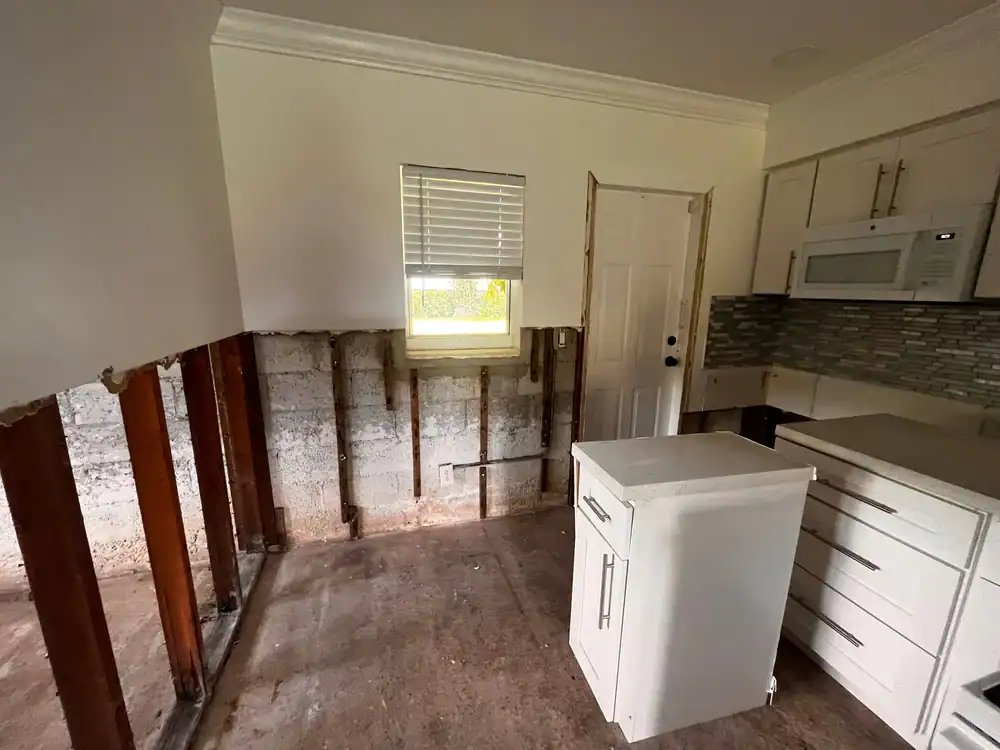
Older homes add a layer of complexity that affects scheduling. When you’re working in a home built in the 1930s or 1940s, there’s a real possibility that demolition reveals something that needs to be addressed before construction continues — outdated wiring, plumbing that doesn’t meet current code, or structural elements that require assessment. We account for this in the project plan upfront rather than treating it as a surprise that pushes your timeline back. The goal is a schedule you can actually plan your household around, not an optimistic number that gets revised every few weeks.
What does EPA Lead-Safe certification mean and why does it matter for my Kensington home?
If your Kensington home was built before 1978 — which includes a significant portion of the village’s housing stock — federal law under the EPA’s Renovation, Repair, and Painting Rule requires that any contractor disturbing painted surfaces during renovation use EPA Lead-Safe certified practices. This applies to kitchen remodels that involve demo work, wall removal, or any work that disturbs existing painted surfaces.
The reason this matters is straightforward: lead exposure during renovation is a real health risk, particularly for children. The certification requires specific containment, work practices, and cleanup procedures that minimize that risk. Many contractors either don’t hold this certification or don’t think to bring it up. We hold EPA Lead-Safe certification, and we apply those practices on every applicable project in Kensington. If you’re interviewing other contractors, ask them directly for their EPA certification number. If they hesitate or can’t provide it, that’s a problem — both legally and for the safety of your family.
Can a kitchen remodel in Kensington open up the layout of an older home?
Yes, and it’s one of the most common requests we get in homes of this era. Kitchens in Kensington’s pre-war Colonials and Tudor-style homes were designed as closed, separate rooms — a reflection of how households functioned a century ago. Opening up the layout, whether by removing a non-load-bearing wall or creating a pass-through, is absolutely achievable and dramatically changes how the space feels and functions.
That said, structural assessment is a required first step before any wall comes down. In a home built in the 1920s or 1940s, you can’t assume a wall is non-load-bearing based on its location alone. We assess the structure before the project begins, identify what’s feasible, and design the layout change around what the home can actually support. When it’s done correctly — with permits pulled and structural work properly executed — an open-concept kitchen conversion in a Kensington home is one of the most impactful renovations you can make, both for daily livability and long-term resale value.
How do I choose the right kitchen remodel contractor in Kensington, NY?
Start with credentials. Any contractor doing home improvement work in Nassau County must hold a valid Nassau County Home Improvement Contractor License from the Department of Consumer Affairs. Without it, the contract isn’t legally enforceable under New York law. Ask for the license number and verify it. Ask for a current Certificate of Insurance showing general liability and workers’ compensation coverage — if a worker gets injured on your property and the contractor doesn’t carry workers’ comp, you could be on the hook. For homes built before 1978, confirm EPA Lead-Safe certification as well.
Beyond credentials, pay attention to how the contractor communicates during the conversation before you sign anything. In a village as tightly connected as Kensington, a contractor’s local reputation travels fast. Ask for references from completed projects in comparable homes — pre-war construction on the North Shore, not new builds in a different market. The right contractor will answer these questions without hesitation, provide documentation before you ask twice, and give you a project timeline that accounts for North Hempstead’s permit process rather than pretending it doesn’t exist.