Pre-War Kitchens in Madison Square Deserve a Modern Renovation Done Right
Most Manhattan apartments weren’t designed for the way you actually cook and live today. We renovate kitchens in Madison Square’s co-ops, condos, and converted lofts handling everything from DOB permits to custom cabinetry, start to finish.
I needed a professional consultation explanation of procedure for safe removal of Asbestos in my apartment complex. Without having an account yet, I was very impressed with the caring, knowledgeable and generous advice offered by Jessica, and will look forward to doing business in the future. Thank you so much! I feel much more informed about a sometimes scary endeavor. Peace. Nancy Silva Mineola, NY.
Mia Munoz
Used this company to clean up some water flood in my house. They were fast and easy to work with.very professional, Would recommend to anyone!
Nini Valle
Great company, had a flood and they responded quickly and efficiently. Billed my insurance company directly. I highly recommend this company!
joe colapietro, jr
I had pipe freeze in my basement right before a snow storm and they made to within an hour to help start the clean up process. They we by our side throughout the entire process and even helped with the insurance company. They did such a great job with the cleanup, repair, remidiation, I contracted them to perform the repairs and finishes in the basement. They came with enough manpower and material to get the job done. Leo and Jessica were nothing but a pleasure to deal with!!
Cristian Arredondo c
I had some water damage in my home and Green Island was able to take care of my issue quickly and effectively. I am very pleased with the work they did. They responded quickly and were very professional.
Michael M
Outstanding service! From the office to the field crew everyone was friendly, helpful and responsive. I highly recommend Green Island Group.
What Changes When Your Madison Square Kitchen Finally Works for You
A kitchen remodel in a Madison Square apartment isn’t just about aesthetics. It’s about making a space that was designed a hundred years ago actually function for the way you live now better storage, smarter layout, and finishes that match what you paid for this property.
The pre-war buildings throughout Madison Square and the surrounding Flatiron and NoMad areas are beautiful, but their original kitchens were built for a different era. Galley layouts with no counter space, cabinets that don’t close properly, outdated plumbing tucked behind walls that haven’t been touched in decades these are real, everyday frustrations in Madison Square apartments. A properly executed kitchen renovation fixes all of that while working within the structural reality of your building.
And in a market where median condo prices hover around $1.6 million, a renovated kitchen isn’t a luxury upgrade it’s a value protection move. Buyers in Madison Square walk past outdated kitchens. A well-executed remodel keeps your property competitive, and the numbers back it up: minor kitchen remodels return up to 96% of their cost at resale. In Manhattan real estate, that math matters.
Kitchen Remodel Contractors Serving Madison Square
Over a Decade of Madison Square Renovations, No Surprises
We’ve been completing restoration and remodeling projects across New York State since 2012 over 5,000 completed projects, including kitchens in Manhattan’s most demanding buildings. We’re a New York State certified MWBE, fully licensed, and insured to work in NYC co-ops and condominiums, including the pre-war stock that defines Madison Square and the surrounding Flatiron District.
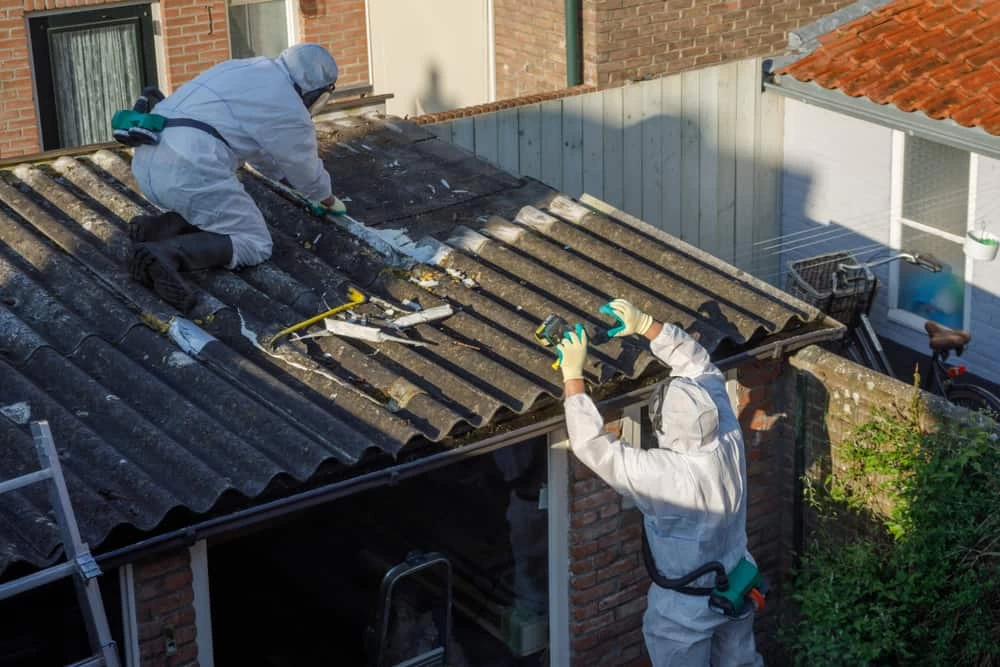
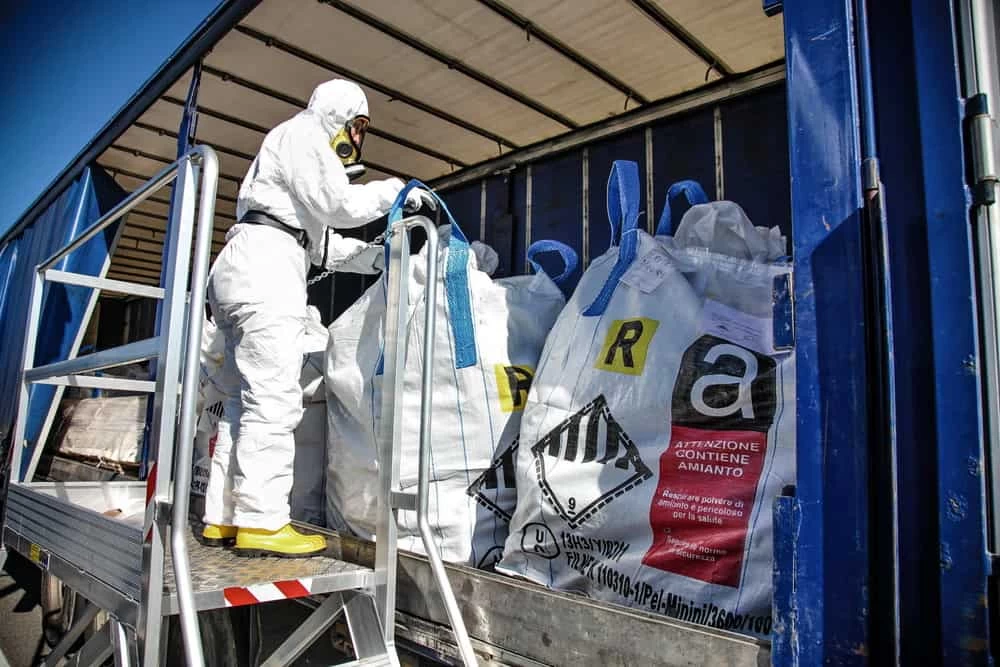
What separates us from a generic contractor is our background in restoration. Water damage, mold remediation, asbestos abatement we’ve worked inside the walls of older New York buildings for years. When a kitchen remodel in a 1920s co-op near Madison Square reveals outdated pipes or aging wiring, we handle it in-house. No stopping the project. No calling in a third party. No surprise invoice that doubles your budget.
We operate 24/7, hold the NYC Home Improvement Contractor license required for city work, and carry the insurance with building-specific endorsements that Manhattan building management actually accepts.
From Board Approval to Final Walkthrough The Madison Square Kitchen Remodel Process
If you live in a co-op or condo near Madison Square Park, your renovation doesn’t start when the contractor shows up it starts weeks before that, with board approval. We understand this. We help you prepare the full alteration agreement package: architect-stamped drawings, scope of work, construction schedule, building protection plan, and Certificates of Insurance with the specific endorsements your building requires. One missing line on a COI can delay a Manhattan renovation by six weeks. We’ve done this enough times to get it right the first time.
Once approvals are in place, the project starts with a 3D design walkthrough. You’ll see your finished kitchen cabinet placement, countertop material, lighting, layout before anything is removed. That’s not a sales tool, it’s a practical step that prevents expensive changes mid-project. In a Madison Square apartment where every decision is permanent and space is limited, seeing it first matters.
From there, the build follows a clear sequence: demolition and prep, any plumbing or electrical modifications, custom cabinetry installation, countertop and backsplash work, flooring, lighting, and final finish. Work is scheduled within your building’s permitted hours, common areas are protected, and you have a named point of contact throughout. When the project wraps, you do a walkthrough together before anything is signed off.
Full Kitchen Renovation Built for Madison Square's Pre-War Conditions
Our kitchen remodeling scope covers the full project not just the visible parts. That means custom cabinetry built to your actual dimensions (not catalog sizes), quartz and granite countertops, hand-laid tile backsplashes, under-cabinet lighting, new flooring, and plumbing modifications where needed. In pre-war buildings throughout Madison Square, standard cabinet sizes rarely fit correctly. Everything is built to spec for your specific space.
Because we carry a restoration background alongside our remodeling work, we’re equipped for what older Manhattan buildings tend to hide. If your Madison Square kitchen walls contain aging plumbing, outdated electrical, or materials that need remediation before the renovation can continue safely, that work is handled in-house. You’re not stuck coordinating between multiple contractors or renegotiating your budget because something unexpected turned up behind the drywall.
We also manage the full NYC DOB permit process including ALT2 applications, which are required for most kitchen renovations involving plumbing, electrical, or layout changes in Manhattan. If you’re in a co-op along Park Avenue South, a converted loft near the Flatiron Building, or a newer condo tower on East 22nd Street, the permit and approval process is part of what we handle not something we leave for you to figure out. One contract, one team, every trade covered.
Do I need board approval to remodel my kitchen in a Madison Square co-op?
Yes and this is one of the most important things to understand before you hire anyone. If you live in a co-op in Madison Square, the Flatiron District, or the NoMad area, your building’s board must approve your renovation before any work begins. That approval process typically requires architect-stamped drawings, a detailed scope of work, a construction schedule, a building protection plan, and a Certificate of Insurance that names your building as an additional insured with specific endorsements that vary by building management.
The timeline from submission to approval is usually four to eight weeks, and that’s when the package is complete and correct. A missing endorsement or an incomplete application can push that timeline out significantly. Working with a contractor who understands the Madison Square co-op approval process and can help you prepare a compliant package the first time saves you weeks of unnecessary delay before your renovation even begins.
What permits are required for a kitchen renovation in Manhattan, NY?
Most kitchen renovations in Manhattan require an ALT2 permit, filed with the NYC Department of Buildings by a licensed Professional Engineer or Registered Architect. This applies any time your renovation involves more than one trade which is almost always the case in a full kitchen remodel. If you’re relocating your sink, rerouting gas, adding electrical outlets, or knocking down a wall to open up your layout, permits are required. Even moving a single appliance can trigger a filing requirement depending on what’s involved.
Beyond the DOB permit, you’ll also need your building’s alteration agreement approved before work starts if you’re in a co-op or condo. These are two separate processes with separate timelines. A contractor who handles only the construction side and leaves the permit and approval process to you is setting you up for delays. We manage both the DOB filings and the building approval documentation so you’re not left navigating city bureaucracy on your own.
How much does a kitchen remodel typically cost in a Manhattan apartment?
Costs vary based on scope, but here’s a realistic range for Manhattan. A cosmetic refresh cabinet refacing, new countertops, updated fixtures typically runs $15,000 to $40,000. A mid-range remodel with new cabinetry, countertops, appliances, flooring, and lighting generally falls between $50,000 and $100,000. A full gut renovation involving layout changes, new plumbing and electrical, custom cabinetry, and premium finishes can run $100,000 to $200,000 or more, depending on the size of the space and the complexity of the work.
Manhattan pricing reflects the real cost of working in occupied city buildings restricted work hours, elevator and hallway protection requirements, permit and professional fees, and the premium labor rates that NYC trades command. Quotes that come in significantly below these ranges are usually missing something: permits, proper insurance, or the actual scope of work required to do the job right. In a pre-war building near Madison Square Park, cutting corners on a kitchen remodel creates problems that cost more to fix than they would have to avoid.
How long does a full kitchen renovation take in a Madison Square apartment?
The construction phase of a kitchen remodel in a Madison Square apartment typically takes three to six weeks, depending on the scope of work. But in the Flatiron District and surrounding neighborhoods, the total project timeline is longer because of the approval steps that happen before construction begins. Co-op board approval alone takes four to eight weeks from submission, and DOB permit processing adds additional time on top of that.
Realistically, from the point you sign a contract to the day your kitchen is finished, you should plan for three to five months if you’re in a Madison Square co-op with a full alteration agreement process. Condos can move faster depending on their management requirements. The key is starting the approval process as early as possible not waiting until the design is finalized to begin the board submission. An experienced contractor will run these tracks in parallel to compress the overall timeline wherever possible.
What kitchen materials hold up best in older Manhattan buildings?
Pre-war buildings in Madison Square and the NoMad area have specific conditions that affect material performance. Older buildings often have higher humidity levels, especially in kitchens with original plumbing and limited ventilation. Solid wood cabinetry can expand and contract significantly in these conditions, which leads to warping and finish issues over time. For older Manhattan apartments, high-quality plywood-box cabinetry with a durable finish tends to perform better than solid wood in fluctuating humidity environments.
For countertops, quartz is generally the better choice over natural stone in a high-use Manhattan kitchen it’s non-porous, doesn’t require sealing, and holds up well to the daily demands of a kitchen that gets real use. For flooring, large-format porcelain tile or engineered hardwood performs better than solid hardwood in buildings with radiant heat or older HVAC systems. These aren’t upsells they’re material choices that hold up in the actual conditions of a pre-war Manhattan building, which is a different environment than a new construction home.
Can Green Island Group handle unexpected issues found during a Madison Square kitchen remodel?
Yes and in pre-war buildings throughout Madison Square, the Flatiron District, and the NoMad area, unexpected discoveries are common enough that you should plan for them. Opening a kitchen wall in a building that dates to the early 1900s can reveal cast-iron pipes that need replacement, knob-and-tube wiring that can’t support a modern kitchen’s electrical load, original plaster in poor condition, or in some cases, materials that require remediation before the renovation can continue safely.
Most contractors stop the project when this happens, bring in outside specialists, and hand you a change order that blows your budget. Our restoration background water damage, mold remediation, asbestos abatement means we have the in-house expertise to handle these conditions without stopping your project or outsourcing the problem. We’ve been inside the walls of older New York buildings for over a decade. What surprises other contractors is something we’ve seen before, and we can address it within the same project scope rather than treating it as a separate emergency.