Manhattan Kitchens Are Complicated. Your Contractor Shouldn't Be.
From prewar co-ops on the Upper West Side to Harlem brownstones and FiDi condos, kitchen remodeling in Manhattan comes with layers most contractors aren’t built for. We are.
I needed a professional consultation explanation of procedure for safe removal of Asbestos in my apartment complex. Without having an account yet, I was very impressed with the caring, knowledgeable and generous advice offered by Jessica, and will look forward to doing business in the future. Thank you so much! I feel much more informed about a sometimes scary endeavor. Peace. Nancy Silva Mineola, NY.
Mia Munoz
Used this company to clean up some water flood in my house. They were fast and easy to work with.very professional, Would recommend to anyone!
Nini Valle
Great company, had a flood and they responded quickly and efficiently. Billed my insurance company directly. I highly recommend this company!
joe colapietro, jr
I had pipe freeze in my basement right before a snow storm and they made to within an hour to help start the clean up process. They we by our side throughout the entire process and even helped with the insurance company. They did such a great job with the cleanup, repair, remidiation, I contracted them to perform the repairs and finishes in the basement. They came with enough manpower and material to get the job done. Leo and Jessica were nothing but a pleasure to deal with!!
Cristian Arredondo c
I had some water damage in my home and Green Island was able to take care of my issue quickly and effectively. I am very pleased with the work they did. They responded quickly and were very professional.
Michael M
Outstanding service! From the office to the field crew everyone was friendly, helpful and responsive. I highly recommend Green Island Group.
A Kitchen That Finally Works for How You Live in Manhattan
Manhattan kitchens weren’t designed for the way people actually use them today. A 60-square-foot galley in a prewar co-op with no dishwasher rough-in, outdated wiring, and cabinetry from the 1970s that’s not a minor inconvenience. That’s a daily frustration in one of the most expensive homes in the country. A well-executed kitchen renovation fixes that, and it does it in a way that holds up to the scrutiny of Manhattan’s real estate market when it’s time to sell.
In a borough where the median condo is worth over $1.6 million, your kitchen isn’t just a room it’s a significant portion of your asset. Minor kitchen remodels nationally return close to 96 cents on every dollar at resale. In Manhattan, where buyers are sophisticated and kitchen quality drives purchase decisions, that return is often even more pronounced. You’re not spending money on a renovation. You’re investing in the place you live every single day.
What changes after a real kitchen renovation isn’t just the look. It’s the function. Custom cabinetry built to your actual wall dimensions not off-the-shelf sizes that waste three inches on either side. Countertops that don’t chip or stain. Lighting that makes the space feel twice as large. And a layout that actually makes sense for the way you cook, entertain, and live in New York City.
We've Worked Inside Manhattan's Walls. We Know What's There.
We’ve been completing restoration and construction projects across Manhattan since 2012. With over 5,000 completed projects, we’ve worked in prewar co-ops along the Upper East Side, brownstones in Harlem, loft conversions in Tribeca, and condo units throughout Midtown. That range of experience isn’t a marketing line. It’s what makes the difference when a wall gets opened and something unexpected is behind it.
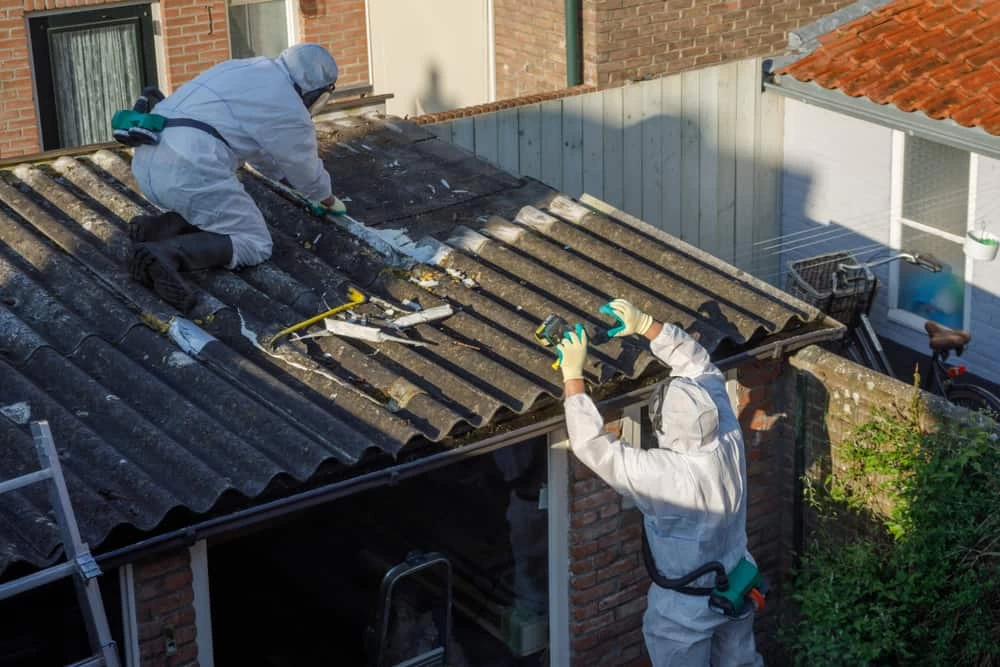
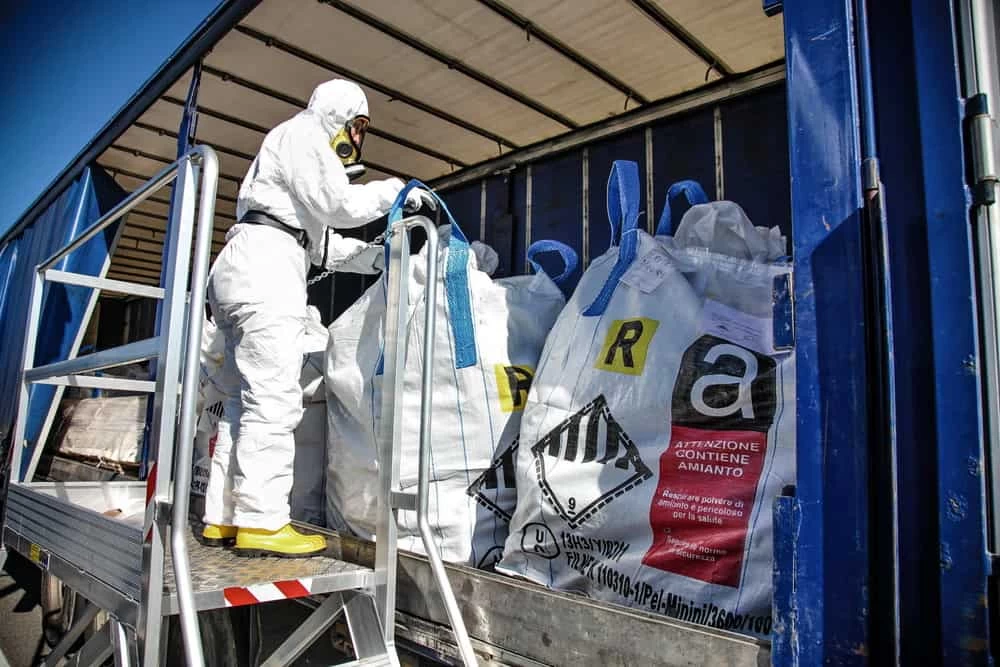
What sets our team apart in Manhattan specifically is our dual background in disaster restoration and remodeling. We’re certified in asbestos abatement and mold remediation which matters enormously in buildings constructed before 1980, where those materials are common and a contractor who isn’t certified creates real liability. We don’t subcontract that work out and hope for the best. We handle it directly.
Green Island Group is also a New York State certified MWBE a credential that requires institutional vetting, not just a self-designation. We carry the insurance levels Manhattan co-op and condo boards require, and we hold the NYC Home Improvement Contractor license needed to work legally in the five boroughs. When your building’s managing agent asks for documentation, it’s ready.
No Guesswork. No Surprises. Here's What to Expect.
It starts with a consultation where we assess your kitchen, your building type, and your goals. We’ll ask about your board’s requirements, your building’s work-hour restrictions, and whether you’re dealing with any existing damage or aging infrastructure. This isn’t a sales call it’s a real conversation about what your project actually involves.
From there, we move into 3D design and blueprints. Before a single cabinet is removed, you’ll see exactly what your finished kitchen looks like layout, cabinetry, countertops, lighting, storage. This is especially important in Manhattan, where co-op boards often require detailed renovation drawings as part of the alteration agreement process. The design phase isn’t just for you it’s documentation your building needs.
Once the design is approved by you and, where required, by your board permitting begins. Most Manhattan kitchen remodels involving plumbing changes, electrical upgrades, or structural modifications require an ALT-2 filing with the NYC Department of Buildings. We manage that process, coordinate with licensed engineers where required, and schedule work around your building’s freight elevator windows and weekday work-hour rules. Construction then moves forward with one integrated team handling every trade: cabinetry, countertops, plumbing, electrical, flooring, and finishes. One point of contact from start to finish, and a project that wraps on a real timeline not whenever it gets around to it.
Everything a Manhattan Kitchen Renovation Actually Requires
A kitchen remodel in Manhattan isn’t just a cosmetic upgrade. It’s a multi-layered project that touches plumbing, electrical, structural elements, building compliance, and board governance often all at once. Our kitchen remodeling service is built around that reality.
On the design side, every project starts with 3D modeling and custom blueprints. Custom cabinetry is built to your kitchen’s exact dimensions not adapted from a stock size that wastes space in a room where every inch counts. Countertop options include quartz and granite, with full installation. Backsplash, flooring, under-cabinet lighting, and soft-close hardware are all included in the scope, not treated as add-ons. For kitchens where the layout itself is the problem a closed galley that needs to open up, or a sink location that doesn’t work we handle plumbing modifications and, where structurally feasible and board-approved, open-concept conversions.
On the compliance side, we manage DOB permit filings, coordinate with your building’s managing agent, and prepare the documentation your co-op or condo board requires for alteration agreement review. If the project uncovers asbestos floor tiles, deteriorated plumbing, or evidence of water damage from a neighboring unit which happens regularly in Manhattan’s prewar buildings that gets handled directly, not handed off. We’re also available 24/7 for emergency situations, which means if a pipe failure damages your kitchen on a Saturday night, the same team that stabilizes the damage can rebuild the kitchen when the time comes.
Do I need board approval to renovate my kitchen in a Manhattan co-op?
In almost every Manhattan co-op, yes and the process is more involved than most people expect going in. Before any work begins, you’ll need to submit detailed renovation plans to your board, sign an alteration agreement (which is a legal contract between you and the building governing the scope, timeline, and liability of the project), and provide proof that your contractor carries the insurance levels the building requires. Alteration agreement fees typically run between $1,000 and $5,000, and some buildings charge an additional oversight fee of $8,000 to $12,000 for their building architect to review and supervise the work.
The good news is that this process, while time-consuming, is manageable when your contractor has done it before. We prepare the documentation boards need including the detailed drawings that most alteration agreements require and coordinate directly with your building’s managing agent so you’re not the one chasing paperwork. Condominiums in Manhattan have a similar but often less restrictive process, depending on the building’s rules.
What permits are required for a kitchen remodel in Manhattan, NY?
The permit type depends on the scope of work. If your renovation involves plumbing changes relocating a sink, adding a dishwasher line, or modifying supply and drain connections or electrical upgrades like new circuits or panel work, or any structural modification like removing a wall, you’ll most likely need an ALT-2 permit filed with the NYC Department of Buildings. An ALT-2 must be prepared and filed by a licensed Professional Engineer or Registered Architect, and permit fees for significant kitchen work typically range from $500 to $2,000.
If you’re replacing cabinets and countertops only, with no changes to plumbing, electrical, or structure, a DOB permit may not be required but your contractor still needs to hold a valid NYC Home Improvement Contractor license from the Department of Consumer and Worker Protection. That’s a separate credential from the county-level licenses used in Nassau or Suffolk, and it’s required for any home improvement work in the five boroughs. We hold all required NYC licensing and manage the full permit process as part of every kitchen renovation engagement.
How much does a kitchen renovation cost in a Manhattan apartment?
The honest range is wide, and it depends heavily on your building type, your kitchen’s current condition, and how much of the layout you’re changing. For a mid-range renovation new cabinetry, countertops, updated appliances, fresh finishes, and minor plumbing or electrical work you’re generally looking at $40,000 to $80,000 in Manhattan. A complete gut renovation with layout changes, custom millwork, premium stone countertops, and integrated appliances typically runs $80,000 to $120,000 or more.
What drives cost up in Manhattan specifically beyond material quality is the regulatory layer. ALT-2 permit fees, alteration agreement costs, potential building architect oversight fees, and the logistical complexity of working within a building’s freight elevator schedule and work-hour restrictions all add to the real cost of a project here. A quote that seems significantly lower than these ranges usually means something isn’t being accounted for either the scope is narrower than you think, or permits aren’t being pulled. Both create problems down the road, especially when it comes time to sell.
Can I move my kitchen sink or change the layout in a Manhattan co-op?
Often yes, but there’s an important constraint to understand first: most Manhattan buildings enforce what’s informally called the “wet over dry” rule. This means you cannot relocate plumbing a sink, a dishwasher drain, a refrigerator water line to a position that places it directly over a dry space (bedroom or living room) in the apartment below. It’s a building rule designed to protect neighbors from water damage risk, and boards take it seriously.
If your proposed layout change keeps wet elements over existing wet zones meaning the kitchen stays within its current footprint, or expands into an adjacent wet area it’s usually approvable. The key is having a contractor who understands this rule before the design phase begins, not after the board rejects the plans. We review your building’s alteration agreement requirements and discuss layout feasibility before any drawings are produced, so you’re not spending money on a design that can’t be approved.
How long does a kitchen renovation take in a Manhattan apartment?
The construction phase of a typical Manhattan kitchen renovation runs four to eight weeks, depending on scope. But the full timeline from initial consultation to finished kitchen is usually longer, because of the pre-construction steps that Manhattan specifically requires. Board approval alone can take anywhere from two to six weeks depending on your building’s review schedule. DOB permit processing adds additional time on top of that.
What this means practically is that you should plan for a total project timeline of two to four months from start to finish for most mid-range renovations. Starting the process earlier than you think you need to is almost always the right call. If you’re hoping to have your kitchen finished before the holidays, for example, you’d want to be in the design and board submission phase by late summer at the latest. We walk through realistic timelines during the initial consultation so you’re not caught off guard by the pre-construction process.
What happens if the contractor finds asbestos or water damage during my kitchen renovation?
In Manhattan’s prewar buildings which make up a significant portion of the housing stock on the Upper East Side, Upper West Side, Harlem, and throughout much of the borough finding asbestos in floor tiles, pipe insulation, or joint compound is not unusual. Neither is finding evidence of past water damage behind walls, especially in buildings with aging plumbing stacks. These discoveries don’t have to derail your project, but they do require a contractor who is certified to handle them.
We hold certifications in both asbestos abatement and mold remediation, which means when something unexpected turns up behind a wall or under a floor, we handle it directly not by stopping the job and calling someone else. We document the findings, remediate according to New York State and NYC regulations, and keep the project moving. If the damage is covered by your homeowner’s or building insurance, we also have experience billing insurers directly and navigating that process on your behalf. It’s a capability that matters in a borough where what’s inside the walls is often as important as what’s on them.