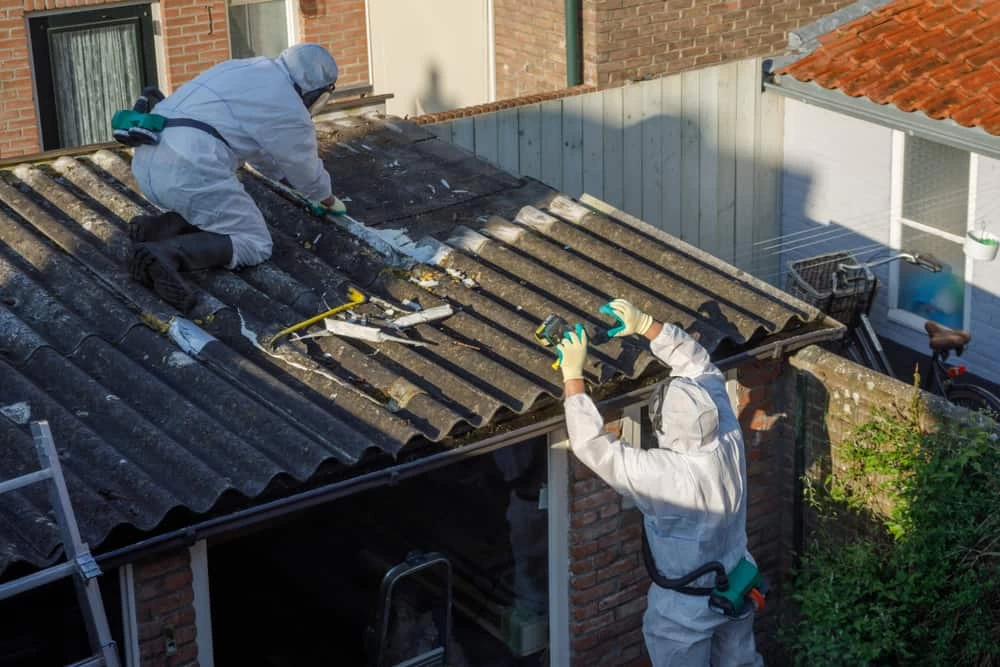
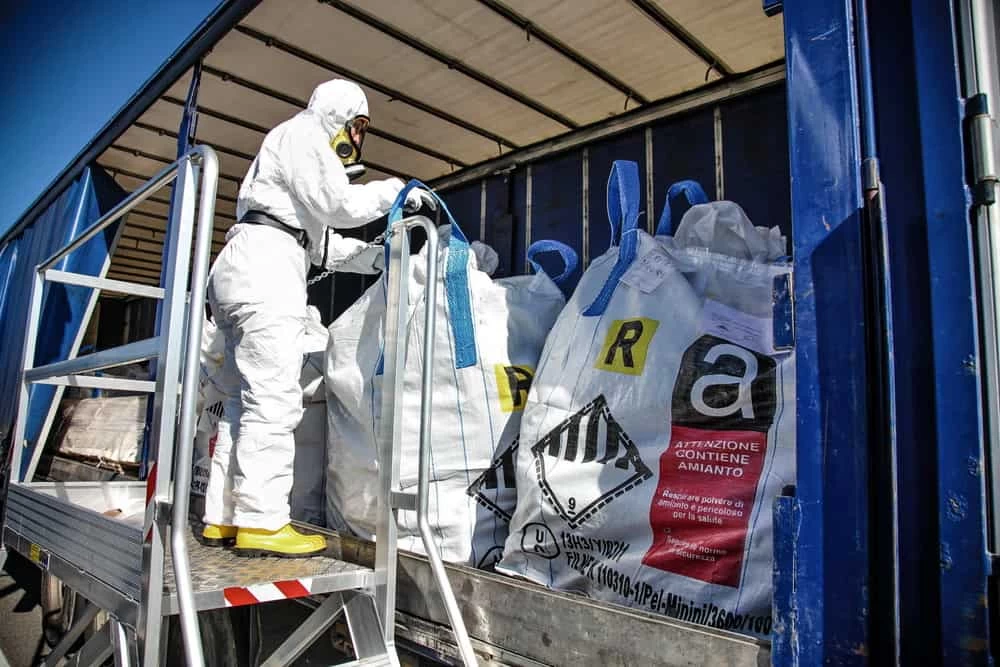
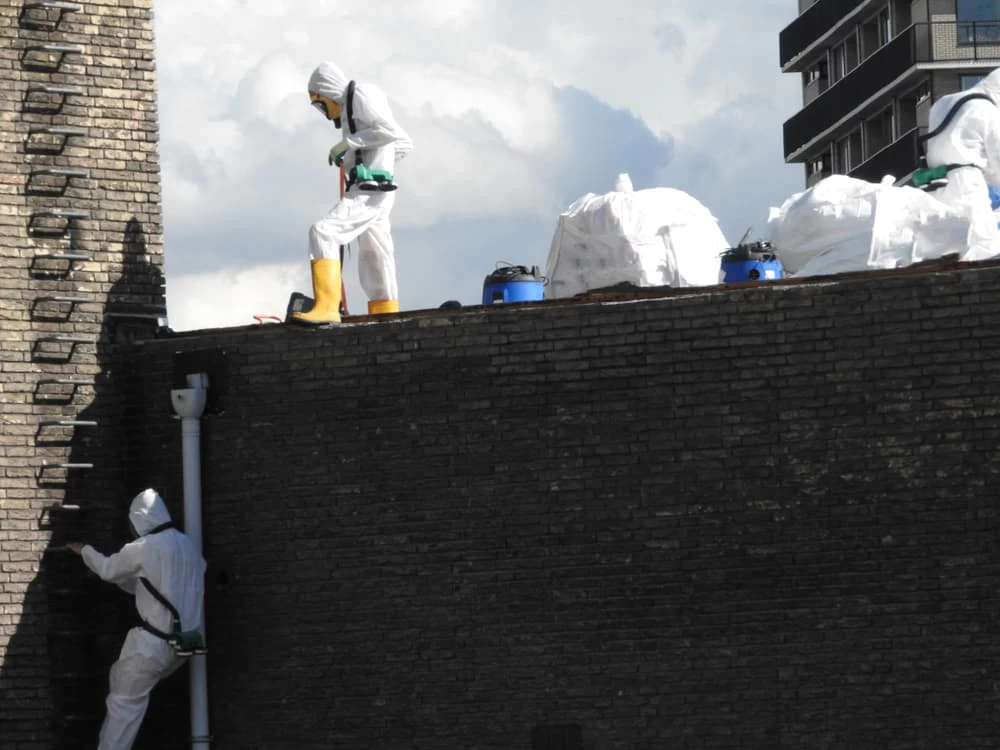
I needed a professional consultation explanation of procedure for safe removal of Asbestos in my apartment complex. Without having an account yet, I was very impressed with the caring, knowledgeable and generous advice offered by Jessica, and will look forward to doing business in the future. Thank you so much! I feel much more informed about a sometimes scary endeavor. Peace. Nancy Silva Mineola, NY.
Mia Munoz
Used this company to clean up some water flood in my house. They were fast and easy to work with.very professional, Would recommend to anyone!
Nini Valle
Great company, had a flood and they responded quickly and efficiently. Billed my insurance company directly. I highly recommend this company!
joe colapietro, jr
I had pipe freeze in my basement right before a snow storm and they made to within an hour to help start the clean up process. They we by our side throughout the entire process and even helped with the insurance company. They did such a great job with the cleanup, repair, remidiation, I contracted them to perform the repairs and finishes in the basement. They came with enough manpower and material to get the job done. Leo and Jessica were nothing but a pleasure to deal with!!
Cristian Arredondo c
I had some water damage in my home and Green Island was able to take care of my issue quickly and effectively. I am very pleased with the work they did. They responded quickly and were very professional.
Michael M
Outstanding service! From the office to the field crew everyone was friendly, helpful and responsive. I highly recommend Green Island Group.
What Changes When the Right Contractor Handles Your NYC Kitchen
A kitchen renovation in New York City isn’t just a construction project. It’s a regulatory process, a building management negotiation, and a design challenge all happening inside a space that’s probably smaller than your contractor’s truck. When it’s handled right, the result is a kitchen that actually works for the way you live: functional, well-designed, and built to the exact dimensions of your apartment or brownstone, not a showroom floor plan.
One of the most common things NYC homeowners tell us is that they were afraid to start. Afraid the co-op board would push back, afraid the DOB would slow everything down, afraid of what might be inside the walls of a pre-war building. That fear is legitimate and it’s exactly why the contractor you choose matters more here than anywhere else. A kitchen remodel that stalls because of an unprepared contractor costs you time, money, and a lot of unnecessary stress.
New York City’s housing stock is among the oldest in the country. A significant portion of owner-occupied units in Manhattan and Brooklyn were built before 1950, and what’s inside those walls knob-and-tube wiring, cast-iron plumbing, asbestos pipe insulation can derail a standard kitchen renovation fast. The difference is having a contractor who doesn’t stop when that happens. We hold asbestos abatement and mold remediation certifications specifically because, in this city, finding something unexpected behind the plaster is not the exception. It’s part of the job.
Over 5,000 Projects Across NYC. Zero Surprises We Couldn't Handle.
We’ve been doing restoration and remodeling work across New York State since 2012 more than 5,000 completed projects, including kitchens throughout the five boroughs of New York City. Based in Bohemia on Long Island and directly connected to Manhattan via the LIRR to Penn Station, we’ve spent years working in the kinds of buildings that define NYC: pre-war co-ops on the Upper West Side, brownstones in Park Slope, condos in Astoria, and everything in between.
What makes our team different isn’t a tagline. It’s the combination of services under one roof. Most kitchen remodelers in NYC are exactly that kitchen remodelers. When they open a wall in a 1920s co-op and find asbestos or water damage, they stop. We don’t. Our restoration background means we handle the remediation and keep the renovation moving, under the same contract, with the same team.
We’re also a New York State certified MWBE contractor a credential that requires formal state vetting, not just a self-declaration. That matters to co-op boards, condo associations, and homeowners throughout NYC who want to know the contractor they’re trusting with a $60,000 kitchen renovation has been vetted at the institutional level.
From Board Approval to Final Walkthrough Here's the Real NYC Process
It starts with a consultation where we look at your space, talk through what you want, and give you an honest picture of what’s involved including permit requirements, board documentation, and realistic timelines. From there, we move into 3D design. You’ll see a fully rendered model of your new kitchen before anything is touched. In a small NYC apartment where every inch counts, this step isn’t optional. It’s how you avoid committing to a layout that doesn’t work.
Once the design is locked, we handle the permit and board documentation process. That means preparing and filing the DOB ALT-2 application, coordinating with your building’s managing agent on the alteration agreement, formatting insurance certificates to your co-op’s exact requirements, and managing the back-and-forth so you don’t have to. DOB permit review times in New York City have increased significantly planning for six to twelve weeks for approval is realistic, and we factor that into your project timeline from the start.
When permits are approved and the board signs off, construction begins. We work within your building’s daily work-hour restrictions most NYC buildings require contractors to wrap by 3:45 or 4:00 PM and we coordinate elevator usage, debris removal, and hallway protection with building management directly. If we open a wall and find something that needs remediation before we can continue, we handle it. No referrals, no delays, no starting over with a separate contractor. Final walkthrough happens with you, not just a punch list handed off to a super.
NYC kitchens don’t come in standard sizes. Pre-war apartments in Manhattan have irregular dimensions, angled walls, and load-bearing columns that eat into usable space. Brownstones in Carroll Gardens or Crown Heights have galley kitchens that were designed for a different era of cooking. Stock cabinets don’t fit these spaces and a kitchen renovation that doesn’t account for the actual footprint of your apartment isn’t really a renovation. It’s a workaround.
Every kitchen remodel we do in New York City is built around your specific space. Custom cabinetry is designed to your exact measurements soft-close hardware, optimized storage configurations, built-in solutions for galley and L-shaped layouts. Countertop selections range from entry-level quartz to Calacatta marble and Taj Mahal quartzite for homeowners in premium Manhattan and Brooklyn neighborhoods who expect finishes that match the investment. Appliance coordination, lighting layouts, and plumbing relocations are all handled in-house or with our licensed trade partners.
For homeowners in landmarked buildings and New York City has more than 37,000 individually landmarked structures and 158 historic districts we manage the additional Landmarks Preservation Commission approval layer before DOB filing, which can add three to six months to a project timeline if it’s not planned for upfront. We plan for it upfront. Kitchen cabinet renovation, full gut remodels, open-concept conversions, and targeted kitchen redesigns are all within scope. If your building requires a licensed architect’s oversight as part of the alteration agreement, we coordinate that too.
Do I need a DOB permit to remodel my kitchen in New York City?
It depends on the scope of work, but for most kitchen renovations in NYC anything involving plumbing relocation, electrical upgrades, structural changes, or layout reconfigurations you’ll need an Alteration Type 2 (ALT-2) permit from the NYC Department of Buildings. This application has to be filed by a licensed Professional Engineer or Registered Architect, and permit review times have increased significantly in recent years. As of mid-2024, review times were up roughly 70% from prior years, so planning for six to twelve weeks for approval is realistic.
Even for work that doesn’t require a DOB permit like replacing cabinets without moving plumbing or walls any contractor working in New York City must hold a Home Improvement Contractor license issued by the NYC Department of Consumer and Worker Protection. If unpermitted work is later discovered during a sale or inspection, it can trigger fines, stop-work orders, and legal complications that can block a transaction for years. In NYC, skipping permits is never worth it.
How does the co-op board approval process work for a kitchen renovation?
Before any renovation work begins in a New York City co-op, you need board approval and in many buildings, that requirement applies even to cosmetic updates. The process typically involves submitting an alteration agreement package that outlines the full scope of work, your contractor’s license and insurance documentation, a construction timeline, and sometimes architectural drawings. The board reviews the package, may request revisions, and only then issues written approval. The whole process usually takes four to eight weeks, though it can run longer depending on the building’s meeting schedule and how complete your initial submission is.
The costs add up quickly. Alteration agreement fees average between $1,000 and $5,000. Some buildings require a building architect to oversee the renovation, which can add $8,000 to $12,000 to the project budget. Non-refundable processing deposits of $250 to $500 are common. Your contractor also needs to carry general liability insurance at the level your building requires typically $1 million to $2 million with the co-op and managing agent named as additionally insured. Getting the insurance certificate formatted correctly from the start saves weeks of back-and-forth with the managing agent.
What happens if asbestos or mold is found during my NYC kitchen remodel?
This is one of the most common concerns for homeowners in pre-war buildings throughout Manhattan and Brooklyn and it’s a legitimate one. New York City’s housing stock is among the oldest in the country, and buildings constructed before 1978 frequently contain asbestos in floor tiles, pipe insulation, and wall plaster. When a standard kitchen remodeler opens a wall and finds it, the project stops. They’re not certified to handle it, so they refer you out, and now you’re coordinating a separate remediation contractor while your kitchen sits half-demolished.
We hold asbestos abatement and mold remediation certifications. When something is found behind the walls and in pre-war NYC buildings, it happens more often than most contractors will tell you upfront we handle the remediation and continue the renovation without stopping the project or handing you off to someone else. Same team, same contract, no gap in the work. For homeowners in buildings along the brownstone corridors of Brooklyn or the pre-war co-op towers of the Upper West Side, this continuity isn’t a bonus feature. It’s the reason the project gets finished.
How much does a kitchen remodel cost in New York City?
Kitchen renovation costs in NYC are significantly higher than national averages, and the gap is driven by factors that are specific to this city: union labor rates, DOB permit fees ($500 to $2,000 for significant plumbing, electrical, or structural work), co-op board fees, building architect oversight, and the logistical complexity of working in occupied multi-unit residential buildings with restricted daily work hours. A mid-range kitchen remodel in NYC typically falls between $35,000 and $60,000. A full overhaul with premium materials custom millwork, stone countertops, high-end appliances runs $60,000 to well over $100,000, with Manhattan co-op renovations commonly landing between $40,000 and $80,000 for mid-range finishes.
The most important thing to understand about NYC kitchen renovation costs is what’s not visible in the initial estimate. Board fees, architect oversight fees, permit filing costs, and contingency for what’s found inside the walls are real line items that affect your total budget. An honest contractor gives you a detailed, itemized estimate that includes all of it not a low number designed to get you to sign and then grow from there. That’s the conversation we have before any work begins.
Can I remove a wall to open up my kitchen in a NYC apartment?
Sometimes yes, sometimes no and the answer matters a lot before you commit to an open-concept kitchen design. In New York City, removing a wall in an apartment requires determining whether the wall is load-bearing, which requires a structural engineering review. If it is load-bearing, the removal requires a licensed engineer’s stamp on the drawings and a DOB permit before work begins. In co-ops and condos, the board alteration agreement must also reflect the structural change, and some buildings prohibit it outright.
There’s also the wet-over-dry rule that many NYC co-op boards enforce: kitchens and bathrooms cannot be relocated above a neighbor’s dry living space or bedroom. If your open-concept conversion involves moving plumbing shifting a sink to a new island location, for example you need to confirm your building’s rules on this before the design is finalized. Getting this wrong after the alteration agreement is submitted means restarting the board approval process. We walk through all of these constraints during the design phase so the layout you commit to is one that can actually be built in your specific building.
How long does a kitchen remodel typically take in a NYC co-op or condo?
The construction phase of a typical NYC kitchen remodel runs four to eight weeks, depending on scope. But the full project timeline from signed contract to finished kitchen is almost always longer, because of the regulatory steps that come before construction can begin. DOB permit review currently runs six to twelve weeks. Co-op board approval typically takes four to eight weeks. If your building is in one of New York City’s 158 historic districts or involves a landmarked structure, Landmarks Preservation Commission review adds another three to six months before the DOB will even accept your permit application.
When you add it up, a well-planned NYC kitchen renovation from start to finish realistically takes four to eight months for a standard project, and longer for landmark buildings or complex structural changes. The homeowners who run into the worst delays are usually the ones who didn’t account for the regulatory timeline upfront or whose contractor wasn’t familiar enough with the NYC process to set accurate expectations. We build the full timeline into the project plan from day one, including permit lead times, board meeting schedules, and any remediation contingencies, so you know what you’re working with before the first wall is touched.