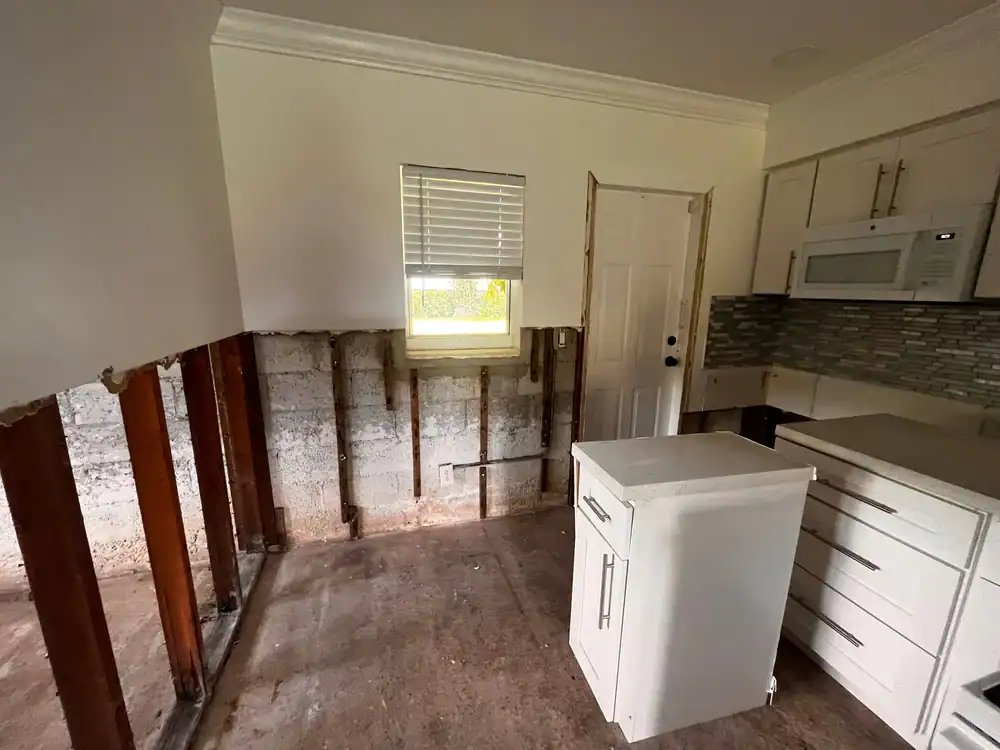
North Shore Homes Deserve More Than a Generic Kitchen
Oyster Bay kitchens carry real history — and real expectations. We handle the full kitchen remodel from permits to final finish, so nothing falls through the cracks.
I needed a professional consultation explanation of procedure for safe removal of Asbestos in my apartment complex. Without having an account yet, I was very impressed with the caring, knowledgeable and generous advice offered by Jessica, and will look forward to doing business in the future. Thank you so much! I feel much more informed about a sometimes scary endeavor. Peace. Nancy Silva Mineola, NY.
Mia Munoz
Used this company to clean up some water flood in my house. They were fast and easy to work with.very professional, Would recommend to anyone!
Nini Valle
Great company, had a flood and they responded quickly and efficiently. Billed my insurance company directly. I highly recommend this company!
joe colapietro, jr
I had pipe freeze in my basement right before a snow storm and they made to within an hour to help start the clean up process. They we by our side throughout the entire process and even helped with the insurance company. They did such a great job with the cleanup, repair, remidiation, I contracted them to perform the repairs and finishes in the basement. They came with enough manpower and material to get the job done. Leo and Jessica were nothing but a pleasure to deal with!!
Cristian Arredondo c
I had some water damage in my home and Green Island was able to take care of my issue quickly and effectively. I am very pleased with the work they did. They responded quickly and were very professional.
Michael M
Outstanding service! From the office to the field crew everyone was friendly, helpful and responsive. I highly recommend Green Island Group.
A Kitchen That Finally Matches the Rest of Your Home
There’s a specific frustration that comes with owning a well-maintained home in Oyster Bay — a home with real character, real history, maybe a harbor view or a lot that backs up to something beautiful — and walking into a kitchen that doesn’t belong there. Dated cabinets, a layout that made sense in 1962, countertops that have seen better decades. The rest of the house tells one story. The kitchen tells another.
A full kitchen renovation fixes that disconnect. Better layout, better materials, better use of the space you already have. In Oyster Bay’s real estate market, where homes are moving in under three weeks and buyers come in with high expectations, a renovated kitchen isn’t just a lifestyle upgrade — it’s a competitive advantage at resale.
Many homes in and around Oyster Bay were built before 1978, which means older wiring, older plumbing, and surfaces that may contain lead paint. That’s not a reason to avoid renovating — it’s a reason to work with a contractor who knows how to handle it properly. Waterfront properties near the harbor come with their own layer of complexity too, including flood zone requirements that affect how a kitchen renovation is scoped and permitted. We already know this territory, so the process moves faster and nothing blindsides you mid-project.
We’re a Long Island–based general contractor that handles kitchen renovations from the first consultation through the final inspection. No subcontractor handoffs, no finger-pointing between trades, no moment where you’re left wondering who’s actually responsible for the outcome. One team, one contract, one point of contact.
We pull permits through the Town of Oyster Bay Building Division on Audrey Avenue, carry the Nassau County Home Improvement Contractor License required to legally work in this area, and hold EPA Lead-Safe certification — which matters in a town where a significant portion of the housing stock predates 1978. These aren’t extras. They’re the baseline for doing this work correctly in Oyster Bay.
If you’re in Oyster Bay Cove, near East Norwich, or anywhere along the North Shore corridor, you’re in our regular service area. We know what these homes look like, what they require, and what it takes to deliver work that holds up — both to daily use and to scrutiny at resale.
No Surprises — Here's What the Process Actually Looks Like
It starts with a consultation where we walk the space together. We’re looking at your layout, your existing plumbing and electrical, what the walls might be hiding, and what your goals are — whether that’s a full redesign or a targeted upgrade that gets you most of the way there. For older homes in Oyster Bay, this walkthrough matters more than people realize. Opening walls in a 1940s or 1950s home sometimes reveals outdated wiring or plumbing that needs to be addressed before anything cosmetic can happen. Better to know that upfront than three weeks into the project.
From there, we handle the design and material selection with you, then pull the required permits through the Town of Oyster Bay before any work begins. If your property sits in a flood hazard zone near the harbor, we factor in the elevation requirements that the Town’s code mandates for kitchen renovations in those areas — that’s not something you want to discover after the fact. Once permits are in hand, the build begins: demo, rough trades, inspections, cabinets, countertops, finish work, final walkthrough.
The whole process is managed under one roof. You’re not coordinating between a plumber, a cabinet installer, and an electrician who’ve never met each other. Everything moves together on a single timeline, and you have one person to call if anything needs to be adjusted.
Full Kitchen Remodels Built for How You Actually Live
A kitchen remodel with us covers the full scope — layout reconfiguration, cabinet installation, countertop selection and installation, tile work, plumbing and electrical coordination, lighting, and finish details. If the project calls for opening walls, relocating a sink, or converting a closed galley into something that actually functions for a family, we handle all of it under one contract.
For Oyster Bay homeowners specifically, material selection matters more than people expect. Homes near the harbor deal with salt air exposure year-round, which accelerates wear on cabinet hardware and certain finishes. We steer clients toward materials that hold up in coastal conditions — not just what looks good in a showroom on day one. If your home is on or near the water in areas like Centre Island, Mill Neck, or along the Oyster Bay Cove corridor, that’s a conversation worth having early in the process.
We also handle the full permitting process with the Town of Oyster Bay, including any flood zone compliance requirements that apply to properties in designated hazard areas near the harbor. Every project is inspected and documented — which protects you not just today, but when it comes time to sell. Unpermitted work in a market where homes are scrutinized closely at closing is a liability. Properly permitted work is an asset.
Do I need a permit for a kitchen remodel in Oyster Bay, NY?
For most kitchen remodels in Oyster Bay, yes — permits are required. The Town of Oyster Bay Building Division handles permit applications for projects that involve structural changes, electrical upgrades, plumbing relocation, or HVAC modifications. The main office is located on Audrey Avenue in Oyster Bay. If your project is limited to cosmetic work — like replacing cabinet doors or swapping out a countertop without touching plumbing — you may not need a permit. But if you’re moving anything, opening walls, or upgrading your electrical panel to support modern appliances, a permit is required and inspections will be scheduled at key stages of the build.
This matters more than some homeowners realize. Unpermitted work in Oyster Bay’s real estate market creates real problems at closing. Buyers’ attorneys and home inspectors flag it, lenders sometimes won’t finance it, and you can end up having to open finished walls to prove compliance before a sale can proceed. Pulling permits correctly from the start isn’t just a legal requirement — it’s protection for your investment.
How much does a kitchen remodel typically cost in Oyster Bay?
Kitchen remodel costs in Oyster Bay generally run higher than national averages — labor and materials on Long Island’s North Shore can run 25 to 40 percent above the national median. For a mid-range kitchen renovation in Oyster Bay, most homeowners are looking at somewhere between $40,000 and $80,000 depending on scope, materials, and what’s discovered once walls are opened. Higher-end projects in the estate and waterfront segment — particularly in areas like Centre Island or Oyster Bay Cove — can run well above that.
The variables that move the number most are layout changes (relocating plumbing or electrical adds cost), cabinet quality, countertop material, and the condition of what’s behind the walls in older homes. In a pre-1978 home, you may encounter outdated wiring or plumbing that needs to be brought up to code — that’s not a surprise we create, it’s a reality we prepare you for during the initial walkthrough. The best way to get an accurate number is a consultation where we can actually see the space.
How long does a kitchen renovation take from start to finish?
A typical kitchen renovation runs four to eight weeks from the start of construction, depending on scope. That timeline doesn’t include the planning and permitting phase, which in the Town of Oyster Bay can add two to four weeks before any physical work begins. If you’re working toward a specific deadline — a holiday, a listing date, a family event — that lead time matters, and it’s one of the first things we talk through during the consultation.
The variables that extend timelines most often are material lead times (custom cabinets can take four to six weeks to fabricate), permit approval timelines, and discoveries inside the walls of older homes that require additional work before the finish phase can begin. In Oyster Bay’s housing stock, where many homes date from the mid-20th century or earlier, those discoveries happen often enough that we build contingency into every schedule. The goal is to give you a realistic timeline upfront — not an optimistic one that falls apart two weeks in.
What should I know about remodeling a kitchen in an Oyster Bay flood zone?
If your property sits in a designated special flood hazard area near Oyster Bay Harbor, there are additional requirements that apply to a major kitchen renovation. The Town of Oyster Bay’s flood damage prevention ordinance requires that kitchens in these zones be elevated to or above the base flood elevation when a substantial renovation is undertaken. This affects the scope of the project, the structural approach, and the overall cost — and it’s something that needs to be addressed in the planning phase, not discovered mid-build.
Hurricane Sandy made this relevant in a very direct way for Oyster Bay’s waterfront community. Properties along West Shore Road and other harbor-adjacent areas were significantly impacted, and the Town’s flood zone regulations have been applied more strictly in the years since. If you’re not sure whether your property falls in a designated flood hazard area, we can help you determine that early in the process. Working with a contractor who already understands these requirements means you’re not learning the rules at your own expense.
My Oyster Bay home was built before 1978 — does that affect the renovation?
It can, and it’s worth knowing about before work begins. Homes built before 1978 may contain lead-based paint, and federal law under the EPA’s Renovation, Repair, and Painting Rule requires that contractors disturbing those surfaces use certified Lead-Safe practices. We hold EPA Lead-Safe certification, which means the demolition and renovation process follows the required containment and disposal protocols. If you have children in the home, this is especially important — lead exposure during a renovation is a real risk when the right precautions aren’t taken.
Beyond lead paint, older homes in Oyster Bay sometimes have electrical panels that aren’t sized for modern kitchen appliances, galvanized plumbing that’s reached end of life, or structural elements that weren’t built to current code. None of these are dealbreakers — they’re just things that need to be identified and addressed in the right order. The initial walkthrough is where we look for all of this, so you know what you’re working with before any commitments are made.
How do I know if a kitchen remodeling contractor in Oyster Bay is actually licensed?
Any contractor performing home improvement work in Oyster Bay is required to hold a valid Nassau County Home Improvement Contractor License issued by the Nassau County Department of Consumer Affairs. You can verify any contractor’s license directly through the Nassau County DCA website — it’s a public database and takes about two minutes to check. If a contractor can’t give you a license number or asks you to pay in cash without a written contract, those are clear warning signs.
Beyond the Nassau County license, look for general liability insurance and workers’ compensation coverage. Ask for a Certificate of Insurance before signing anything — a legitimate contractor provides this without hesitation. We carry all required licensure and insurance for work in Oyster Bay and throughout Nassau County, and we provide documentation upfront. In a town where homes are valued well into seven figures and real estate transactions are scrutinized closely, the contractor you hire needs to be someone whose work can withstand that scrutiny — starting with whether they’re legally permitted to do the job in the first place.