Your space has 12-foot ceilings, cast-iron windows, and a building that’s been standing since the 1880s. Your kitchen should match that. We handle kitchen remodels throughout Prince and the surrounding Prince Street corridor permits, board approvals, old building surprises, and all.
I needed a professional consultation explanation of procedure for safe removal of Asbestos in my apartment complex. Without having an account yet, I was very impressed with the caring, knowledgeable and generous advice offered by Jessica, and will look forward to doing business in the future. Thank you so much! I feel much more informed about a sometimes scary endeavor. Peace. Nancy Silva Mineola, NY.
Mia Munoz
Used this company to clean up some water flood in my house. They were fast and easy to work with.very professional, Would recommend to anyone!
Nini Valle
Great company, had a flood and they responded quickly and efficiently. Billed my insurance company directly. I highly recommend this company!
joe colapietro, jr
I had pipe freeze in my basement right before a snow storm and they made to within an hour to help start the clean up process. They we by our side throughout the entire process and even helped with the insurance company. They did such a great job with the cleanup, repair, remidiation, I contracted them to perform the repairs and finishes in the basement. They came with enough manpower and material to get the job done. Leo and Jessica were nothing but a pleasure to deal with!!
Cristian Arredondo c
I had some water damage in my home and Green Island was able to take care of my issue quickly and effectively. I am very pleased with the work they did. They responded quickly and were very professional.
Michael M
Outstanding service! From the office to the field crew everyone was friendly, helpful and responsive. I highly recommend Green Island Group.
In a SoHo or NoLita loft near Prince, the kitchen isn’t tucked away in a back corner it lives right in the middle of everything. When it doesn’t work, you feel it every single day. When it does work, the whole space opens up. That’s the real outcome here: a kitchen that actually fits how you live, not one that was retrofitted into a factory floor fifty years ago and never touched since.
The buildings on and around Prince Street are beautiful, but they carry history inside their walls. Pre-war plumbing. Outdated electrical. Sometimes asbestos in the pipe insulation or the original floor tiles. Most kitchen remodelers hit one of those and the project stalls. We come from a restoration background over 5,000 completed projects across New York State so we’ve seen it, handled it, and kept moving. The renovation doesn’t stop because something unexpected showed up behind the wall.
And because every square foot in a Manhattan loft costs real money, there’s no room for guesswork. You’ll see the finished kitchen in 3D before a single cabinet comes down. Layout, materials, storage, flow all of it confirmed before construction starts. That’s not a luxury in a space like this. It’s the only responsible way to begin.
One Team That Knows What's Behind the Wall in Prince's Historic Buildings
We’ve been doing restoration and remodeling work across New York State since 2012. That background matters here more than it would almost anywhere else. The buildings in Prince, SoHo, and NoLita the cast-iron lofts along Prince Street, the pre-war co-ops near St. Patrick’s Old Cathedral on Mulberry, the converted warehouse spaces throughout the SoHo-Cast Iron Historic District these aren’t standard renovation environments. They require a contractor who’s comfortable with the unexpected.
Leo and Jessica lead the team, and their names come up consistently in reviews not for flashy marketing, but for actually answering the phone, keeping homeowners informed, and not disappearing mid-project. We’re MWBE-certified through New York State and operate 24 hours a day, seven days a week. When your building super has a concern at 7 PM, someone picks up.
From Board Approval to Final Walkthrough Here's the Sequence
A kitchen renovation in a SoHo or NoLita building doesn’t start with demolition. It starts with paperwork and that’s not a complaint, it’s just the reality of working in one of the most regulated renovation environments in the country. We handle the NYC Department of Buildings permit filing, coordinate any required Landmarks Preservation Commission review for buildings within the SoHo-Cast Iron Historic District, and prepare the full documentation package your co-op or condo board needs before they’ll approve anything. That process typically takes three to five months. Getting it right the first time is what keeps your timeline intact.
Once approvals are in place, the 3D design gets finalized. You see exactly what the finished kitchen looks like cabinet placement, countertop material, appliance integration, lighting before any physical work begins. That confirmation step exists because changing your mind after demolition in a Manhattan loft is expensive in a way that’s hard to overstate.
Construction runs on a coordinated schedule that respects your building’s work hour rules, elevator access protocols, and neighbor considerations. All trades plumbing, electrical, cabinetry, countertops, flooring, backsplash are handled under one roof. One project manager, one point of contact, no subcontractor coordination falling on you. When the work is done, a final walkthrough confirms everything matches what was designed and approved. That’s the handoff.
Kitchen remodeling in Prince and the surrounding Prince Street area covers a lot of ground depending on what you’re starting with. Some lofts have a functional kitchen that just needs a full refresh new custom cabinetry, quartz or stone countertops, updated lighting, and a backsplash that actually belongs in the space. Others need a more significant overhaul: moving plumbing rough-ins, upgrading the electrical panel to handle modern appliances, addressing moisture or water damage that’s been sitting inside the walls, and redesigning the layout entirely to integrate the kitchen into the open floor plan rather than fighting against it.
For buildings in the SoHo-Cast Iron Historic District, any scope that triggers a DOB permit may also require LPC review. We manage both. We also carry the insurance documentation that Manhattan co-op and condo boards require typically $2 million in general liability coverage and can provide that paperwork quickly so board approval doesn’t become a bottleneck.
Costs for a kitchen renovation in this market range from around $20,000 to $30,000 for a targeted refresh without layout changes, up to $75,000 to $150,000 or more for a complete overhaul with custom features and high-end materials. Every project starts with an itemized written quote. No vague estimates, no surprises when the invoice arrives.
Do I need a permit to remodel my kitchen in a SoHo loft near Prince?
In most cases, yes and the permit type depends on the scope of work. If your kitchen renovation involves moving plumbing, upgrading electrical, or making any structural changes, you’ll need an Alt-Type 2 permit from the NYC Department of Buildings. That’s the standard for multi-trade work in Manhattan apartments and lofts. If you’re doing something more limited replacing cabinets in the same location or swapping fixtures without moving rough-ins an Alt-Type 3 may apply instead.
The additional layer specific to buildings in and around Prince is the Landmarks Preservation Commission. If your building sits within the SoHo-Cast Iron Historic District, any work that requires a DOB permit may also need LPC review, even if the renovation is entirely interior. Many interior-only projects qualify for expedited landmark review, but it still needs to happen before construction starts. We handle both filings DOB and LPC so you’re not navigating two separate city agencies on your own.
Does my co-op board need to approve my kitchen renovation before work starts?
Yes, and the timeline for that approval varies by building. Most co-op and condo boards in the Prince, SoHo, and NoLita area require you to submit a full renovation plan including contractor credentials, insurance documentation, and a detailed scope of work before they’ll give the green light. Some boards move quickly. Others take weeks. Either way, this step happens before any permits are filed and well before any physical work begins.
The insurance requirements alone can trip up contractors who don’t regularly work in Manhattan buildings. Most boards require a minimum of $2 million in general liability coverage and proof of workers’ compensation. We carry both and can provide the documentation package your building management needs without delay. Getting that paperwork right the first time is what keeps the approval process from dragging out and pushing your entire project timeline back.
How much does a kitchen remodel typically cost near Prince Street in Manhattan?
The honest range is wide, because the scope of work in a SoHo or NoLita loft can vary significantly depending on what you’re starting with. A targeted kitchen refresh new cabinetry, countertops, backsplash, and lighting without changing the layout typically runs $20,000 to $30,000. A full overhaul with layout changes, plumbing relocation, electrical upgrades, custom cabinetry, and premium materials can run $75,000 to $150,000 or more. Labor in NYC runs $150 to $250 per hour, and DOB permit fees for high-end projects generally fall between $1,000 and $5,000.
What tends to push costs higher in pre-war buildings is what gets discovered once the walls are open. Old plumbing that needs replacing. Asbestos-containing materials in pipe insulation or floor tiles that require proper abatement before renovation can continue. Electrical panels that can’t support modern appliances. We’re upfront about these possibilities before the project starts and handle remediation in-house rather than subcontracting it out which keeps both cost and timeline more predictable than they’d otherwise be.
How long does a kitchen renovation take in a Manhattan co-op or condo?
The construction phase for a kitchen remodel typically takes four to eight weeks once work begins. But in a Manhattan co-op or condo especially in a building within the SoHo-Cast Iron Historic District near Prince the pre-construction phase is often longer than the build itself. Between architectural planning, board approval, DOB permit filing, and any required LPC review, it’s realistic to plan for three to five months before a single tool is lifted.
That timeline isn’t unique to us it’s the reality of renovating in this regulatory environment. What matters is that the pre-construction work is done correctly and completely the first time. Incomplete permit applications get rejected. Board submissions with missing documentation get sent back. Either one adds weeks to your timeline. We manage the full pre-construction process and keep you informed at each stage so you always know where things stand and what’s coming next.
What happens if asbestos or water damage is found during my kitchen renovation?
It’s more common than most people expect in the buildings around Prince Street. Cast-iron lofts and pre-war co-ops in SoHo and NoLita were built with materials that predate modern safety standards asbestos-containing pipe insulation, floor tiles, and wall compounds were standard at the time. Water damage from decades of aging plumbing is also a routine discovery once walls come open. In buildings this old, finding one or both during a kitchen renovation isn’t a worst-case scenario. It’s a realistic possibility worth planning for.
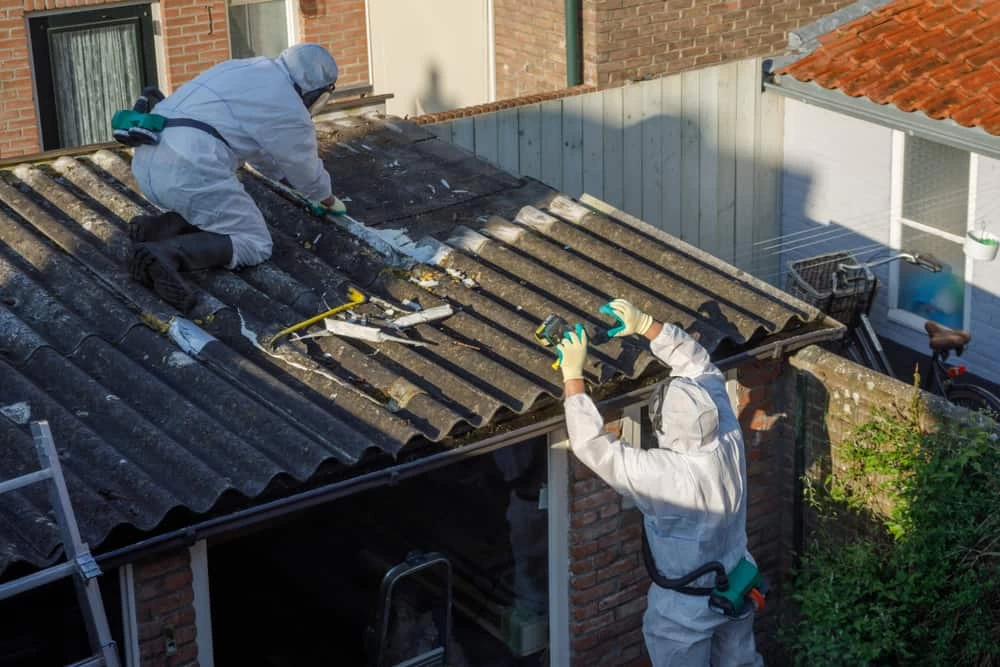
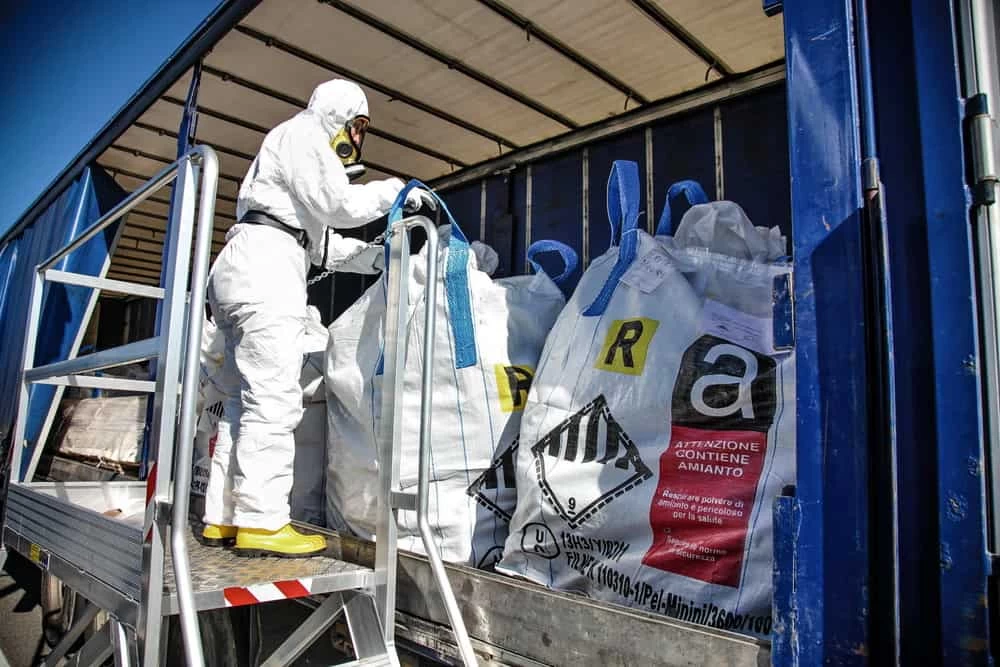
Most kitchen remodeling contractors don’t handle remediation in-house. When they find something, they stop work, bring in a third-party abatement company, and the project goes on hold while schedules get coordinated. We’re a licensed asbestos abatement and water damage restoration contractor in addition to being a kitchen remodeler. We handle it directly, document it properly for the DOB, and keep the renovation moving without the project stalling while you wait on outside vendors.
How do I know the kitchen design will actually work in my SoHo loft's open floor plan?
This is one of the most important questions to ask before committing to any contractor, because the open floor plan in a SoHo or NoLita loft creates design challenges that a standard kitchen renovation doesn’t face. The kitchen isn’t enclosed it lives in full view of the living space. That means the cabinetry height, the countertop material, the appliance integration, and even the hardware finish all need to work visually with the surrounding architecture: exposed brick, cast-iron windows, high ceilings, and wide-open sightlines. A design that looks fine on paper can feel completely wrong once it’s built into the space.
We use a 3D design and blueprint process that shows you the finished kitchen accurately rendered within your actual space before construction begins. You’re not approving a floor plan on a flat drawing. You’re seeing how the cabinets interact with the ceiling height, how the island anchors the open plan, how the materials read against the existing finishes. Changes made at the design stage cost nothing. Changes made after demolition cost significantly more. The 3D process exists specifically to protect you from that outcome.