Your Roosevelt Island Apartment Deserves a Kitchen That Actually Works for You
Roosevelt Island kitchens come with real constraints tight layouts, co-op board rules, aging building systems. We know how to navigate all of it and deliver a kitchen renovation that holds up.
I needed a professional consultation explanation of procedure for safe removal of Asbestos in my apartment complex. Without having an account yet, I was very impressed with the caring, knowledgeable and generous advice offered by Jessica, and will look forward to doing business in the future. Thank you so much! I feel much more informed about a sometimes scary endeavor. Peace. Nancy Silva Mineola, NY.
Mia Munoz
Used this company to clean up some water flood in my house. They were fast and easy to work with.very professional, Would recommend to anyone!
Nini Valle
Great company, had a flood and they responded quickly and efficiently. Billed my insurance company directly. I highly recommend this company!
joe colapietro, jr
I had pipe freeze in my basement right before a snow storm and they made to within an hour to help start the clean up process. They we by our side throughout the entire process and even helped with the insurance company. They did such a great job with the cleanup, repair, remidiation, I contracted them to perform the repairs and finishes in the basement. They came with enough manpower and material to get the job done. Leo and Jessica were nothing but a pleasure to deal with!!
Cristian Arredondo c
I had some water damage in my home and Green Island was able to take care of my issue quickly and effectively. I am very pleased with the work they did. They responded quickly and were very professional.
Michael M
Outstanding service! From the office to the field crew everyone was friendly, helpful and responsive. I highly recommend Green Island Group.
What Changes When Your Roosevelt Island Kitchen Finally Gets Done Right
A kitchen renovation on Roosevelt Island isn’t like remodeling a house in the suburbs. You’re working inside a building with rules, neighbors on the other side of your walls, and a board that has to sign off before anyone picks up a tool. When that process is managed correctly permits filed, alteration agreement submitted, timeline built around your building’s working-hour restrictions the project actually finishes. That’s not a given with every contractor, and you probably already know that.
For owners in the Northtown buildings like Westview or Island House, the stakes are even higher. These are 1970s-era apartments. Behind those original cabinet faces, you might find galvanized plumbing that hasn’t been touched in decades, electrical panels that can’t support a modern kitchen, or flooring materials that require an asbestos survey before demolition can even start. A contractor who isn’t prepared for that is going to stop your project cold the moment they open a wall.
What you get on the other side of a well-executed kitchen remodel is a space that functions the way your life actually works storage that makes sense, appliances that fit, lighting that doesn’t make the room feel like a closet. And in a market where Roosevelt Island condos and co-ops are selling between $800,000 and $1.5 million, a renovated kitchen isn’t just an upgrade. It’s a real investment in the value of your unit.
Over a Decade of Projects on Roosevelt Island and Across New York
We’ve been completing restoration and remodeling projects across New York State since 2012 more than 5,000 jobs completed, including renovation work throughout New York City and specifically on Roosevelt Island. We’re a New York State certified MWBE contractor, which means we’ve been vetted and approved at a level most residential remodelers never reach.
What makes us different on Roosevelt Island specifically is what we bring beyond the design work. Our background in asbestos abatement, water damage restoration, and structural assessment means that when we open a wall in a 50-year-old Northtown co-op and find something unexpected, we don’t stop the job and hand you a problem. We handle it under the same contract, the same timeline, and the same point of contact you’ve had from day one.
You’ll have a real person to call throughout your project. Not a call center. Not a rotating crew with no accountability. Clients have called out Leo and Jessica by name in reviews because we actually pick up, follow up, and treat your renovation like it matters because it does.
From Board Package to Final Walkthrough Here's What to Expect on Roosevelt Island
It starts with a conversation about what you actually want your layout goals, your budget, your timeline, and any building-specific constraints your management has already communicated to you. From there, we move into design. You’ll see a 3D rendering of your new kitchen before any work is scheduled. That’s how you catch the things you’d regret later the cabinet configuration that doesn’t quite work, the countertop material that looks different at scale before they’re already installed.
Once the design is locked in, we handle the permit and board approval process. For most kitchen renovations in Roosevelt Island’s co-op and condo buildings, that means filing an Alteration Type 2 permit with the NYC Department of Buildings and preparing a complete alteration agreement package for your building’s board contractor licensing documentation, insurance certificates, architect-stamped drawings, and a detailed scope of work. Boards here are thorough, and they should be. We submit packages that don’t come back with missing items.
Construction is scheduled around your building’s approved working hours typically weekday daytime windows and we coordinate material deliveries and crew access through the Roosevelt Island Bridge from Queens. Your building’s common areas are protected throughout. When we’re done, we walk the finished space with you before we consider the job complete.
Every Roosevelt Island Kitchen We Touch Gets the Full Scope of Attention
A kitchen remodel with us covers the full range custom cabinetry built to the exact dimensions of your unit, countertop installation, lighting design, plumbing fixture updates, flooring, and appliance integration. For Northtown apartments in buildings like Rivercross or Eastwood, we also include an upfront assessment of the existing electrical and plumbing systems, because in a building constructed in 1975 or 1976, what’s behind the walls matters just as much as what goes on top of them.
For owners in the newer Riverwalk and Southtown buildings, the scope shifts toward premium finishes quartz countertops, soft-close custom cabinetry, under-cabinet lighting, and the kind of material selections that match what the building itself is positioned as. These are luxury residences, and a builder-grade kitchen in a Riverwalk unit stands out for the wrong reasons.
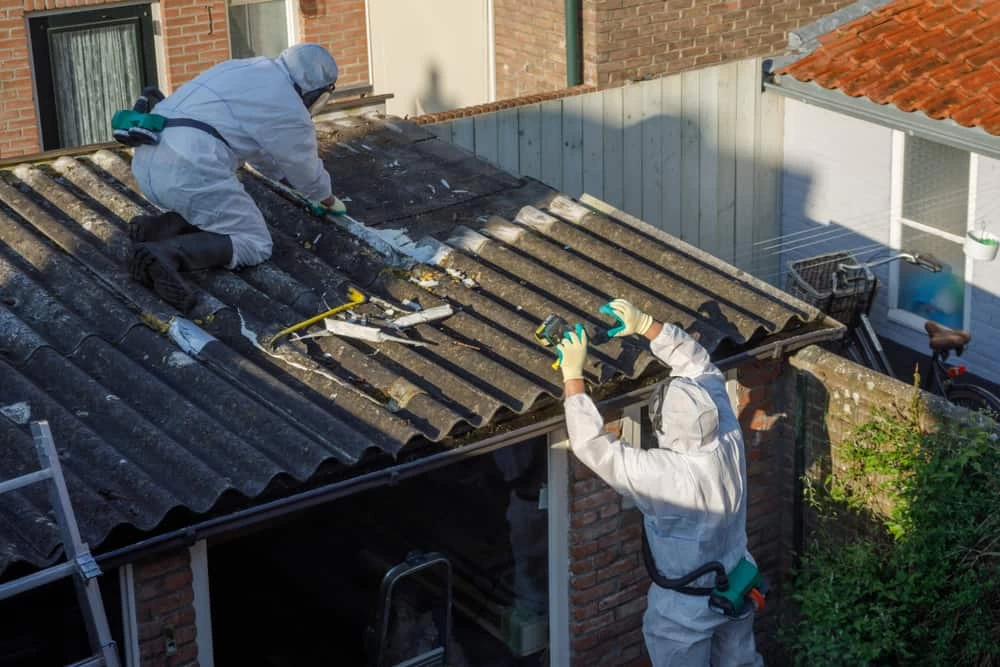
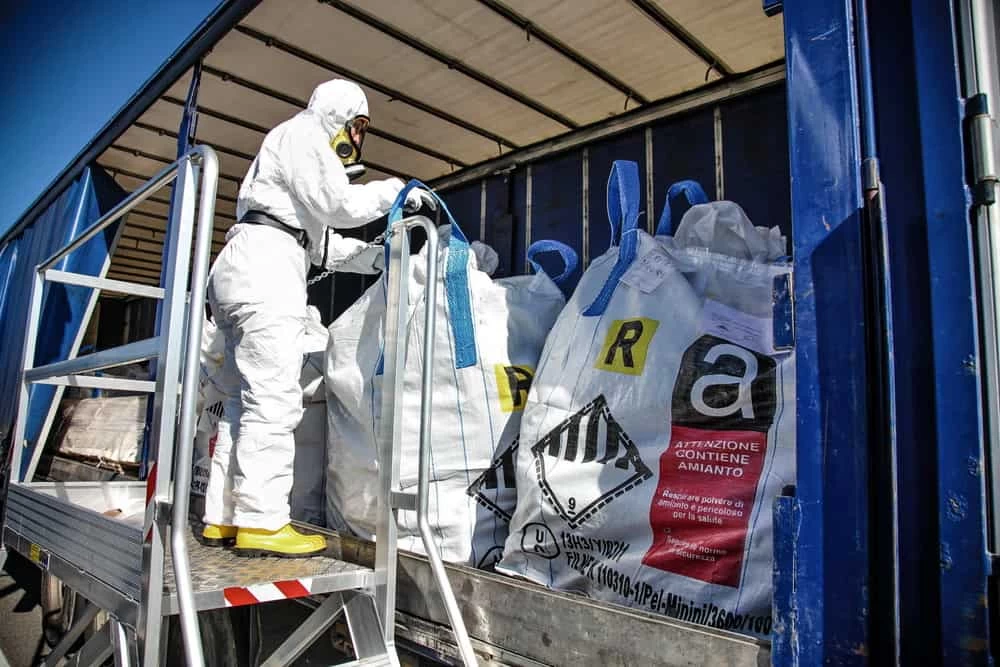
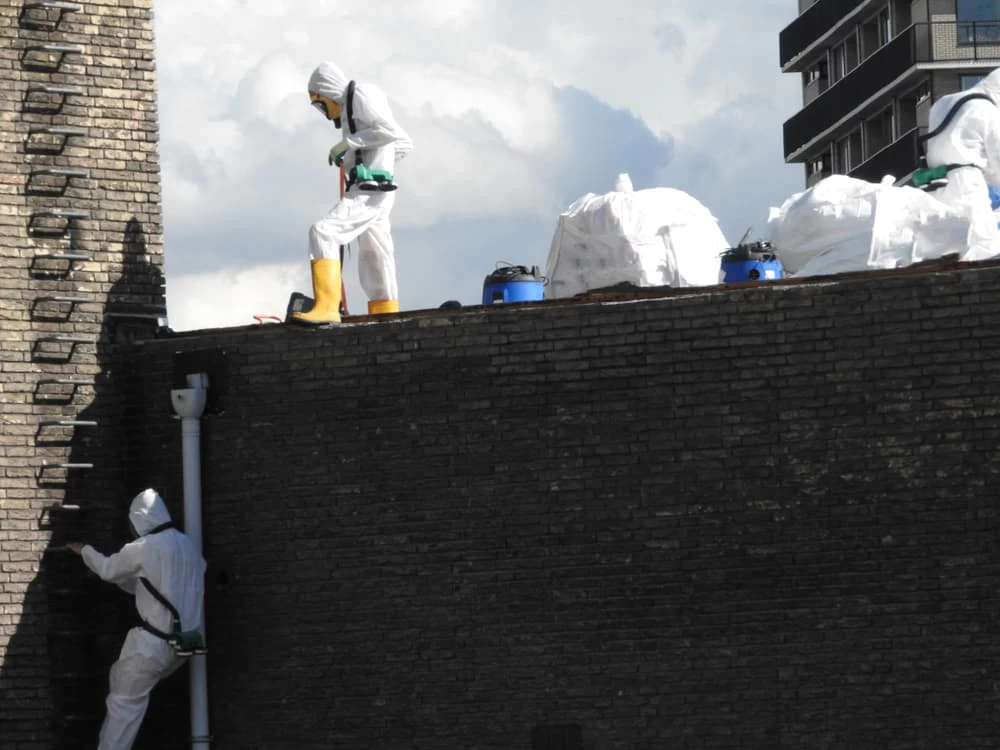
If an asbestos survey is required before demolition which NYC regulations mandate for buildings built before 1987, meaning every Northtown building on Roosevelt Island we manage that process directly. We’re not handing you a referral and a delay. We hold abatement capability in-house, which means your project timeline doesn’t get derailed by a third-party scheduling gap. From kitchen cabinet remodel to full kitchen renovation, the process stays under one roof.
Do I need board approval to remodel my kitchen in a Roosevelt Island co-op?
Yes and it’s one of the most important steps to get right before any work begins. In Roosevelt Island’s co-op buildings, your board has to approve the renovation before a single contractor sets foot in your unit. That approval comes through an alteration agreement, which is a building-level document that outlines the scope of work, the contractor’s credentials, insurance minimums, working-hour restrictions, elevator protection requirements, and how waste will be managed during the project.
The alteration agreement process runs parallel to and often before the NYC Department of Buildings permit process. Most boards want to see a complete package: your contractor’s license documentation, certificates of insurance, architect or engineer-stamped drawings, and a detailed written scope. An incomplete submission gets sent back, and that delay pushes your start date. We prepare and submit complete board packages as a standard part of every Roosevelt Island project, so you’re not navigating that process alone or learning it as you go.
What permits are actually required for a kitchen renovation in Roosevelt Island, NY?
It depends on what’s changing in the kitchen. If you’re replacing cabinet fronts, installing new countertops in the same location, or repainting no DOB permit is required, though your contractor still needs a valid NYC Home Improvement Contractor license from the Department of Consumer and Worker Protection. The moment you’re moving plumbing, adding electrical circuits, or touching any structural element, you’re into Alteration Type 2 territory, which requires a licensed architect or professional engineer to file construction documents with the NYC Department of Buildings through the DOB NOW system.
New York City’s permit process is fundamentally different from what contractors deal with in Nassau or Suffolk County. The DOB NOW filing, the licensed design professional requirement, the inspection scheduling, the permit closeout it’s a multi-step process that takes time and requires someone who knows the system. We manage the full DOB filing process on your behalf from submission through final inspection, so you’re not left figuring out what an Alt-2 means in the middle of a renovation.
Is there asbestos in Roosevelt Island apartments, and how does that affect my renovation?
It’s a real possibility in the Northtown buildings. Westview, Island House, Rivercross, and Eastwood were all built in 1975 and 1976, and buildings of that era commonly contain asbestos in floor tiles, pipe insulation, and joint compound. Under New York City regulations, any demolition or disturbance work in a building constructed before 1987 requires an asbestos survey before work begins. That’s not optional it’s a legal requirement, and skipping it creates liability for both the contractor and the homeowner.
If the survey comes back clean, you move forward. If it doesn’t, the affected materials need to be abated by a licensed contractor before demolition can continue. What separates us from most kitchen remodelers is that we hold asbestos abatement capability directly. We don’t have to pause your project, find a third-party abatement company, wait for their availability, and then restart. We handle it ourselves, which keeps your timeline intact and your project under one point of contact. For anyone renovating in a Northtown co-op on Roosevelt Island, this is one of the most practical questions to ask any contractor before you sign anything.
How long does a kitchen remodel typically take in a Roosevelt Island apartment?
The honest answer is that the construction phase of a kitchen remodel the actual demo, installation, and finishing work usually runs two to six weeks depending on the scope. A cabinet refresh and countertop replacement is on the shorter end. A full gut renovation with plumbing relocation, electrical upgrades, and new flooring takes longer. But the construction timeline is only part of the picture on Roosevelt Island.
The pre-construction phase design finalization, board package submission, board approval, and DOB permit filing can add several weeks to a few months before a single tool comes out. Board review timelines vary by building, and DOB permit processing has its own queue. The best thing you can do to protect your timeline is start that process early and submit a complete package the first time. We plan for the full timeline from day one, including the approval process, so your expectations are set accurately from the beginning not adjusted mid-project when delays are already happening.
How much does a kitchen remodel cost in Roosevelt Island, NY?
Kitchen remodeling costs in the New York City metro area run higher than almost anywhere else in the country. A mid-range major kitchen remodel in this market typically starts around $50,000 to $75,000. Upscale renovations custom cabinetry, premium countertops, high-end appliances, full plumbing and electrical updates regularly exceed $100,000 to $150,000 in Manhattan and the surrounding boroughs.
On Roosevelt Island specifically, the cost is also shaped by the logistical realities of the island itself. Material deliveries come across the Roosevelt Island Bridge from Queens. Crew access requires coordination with building management. If an asbestos survey reveals materials that need abatement, that adds to the scope. None of that is a reason to avoid the renovation in a market where Roosevelt Island units are valued between $800,000 and $1.5 million, a well-executed kitchen remodel is one of the highest-return investments you can make in your unit. What matters is getting an accurate, detailed estimate upfront so there are no surprises once the walls come open.
Can contractors actually access Roosevelt Island for renovation work, and how does that work?
Yes but it requires more planning than a standard Manhattan job, and any contractor who hasn’t thought through the logistics before showing up is going to create problems for you. Roosevelt Island has no highway access. There’s no FDR Drive on-ramp, no direct connection to the BQE or LIE. Contractor vehicles, material deliveries, and equipment all come across the Roosevelt Island Bridge, which connects the island to Queens near Astoria and Long Island City.
Beyond the bridge, there are building-level logistics to coordinate: elevator protection, approved working hours set by your building’s alteration agreement, and RIOC’s own protocols for construction access on the island. Dumpsters, staging areas, and parking for crew vehicles all need to be planned in advance through building management and RIOC’s facilities department. We factor all of this into the project plan before day one delivery schedules, crew access windows, common area protection. The island’s car-limited design and tight community culture mean that how a contractor conducts themselves in your building’s hallways and elevator matters just as much as the finished kitchen. We take both seriously.