Financial District Kitchens Built for How You Actually Live
Your kitchen should work as hard as you do and in Trinity, that means navigating co-op boards, DOB permits, and freight elevators before a single cabinet comes down. We handle all of it.
I needed a professional consultation explanation of procedure for safe removal of Asbestos in my apartment complex. Without having an account yet, I was very impressed with the caring, knowledgeable and generous advice offered by Jessica, and will look forward to doing business in the future. Thank you so much! I feel much more informed about a sometimes scary endeavor. Peace. Nancy Silva Mineola, NY.
Mia Munoz
Used this company to clean up some water flood in my house. They were fast and easy to work with.very professional, Would recommend to anyone!
Nini Valle
Great company, had a flood and they responded quickly and efficiently. Billed my insurance company directly. I highly recommend this company!
joe colapietro, jr
I had pipe freeze in my basement right before a snow storm and they made to within an hour to help start the clean up process. They we by our side throughout the entire process and even helped with the insurance company. They did such a great job with the cleanup, repair, remidiation, I contracted them to perform the repairs and finishes in the basement. They came with enough manpower and material to get the job done. Leo and Jessica were nothing but a pleasure to deal with!!
Cristian Arredondo c
I had some water damage in my home and Green Island was able to take care of my issue quickly and effectively. I am very pleased with the work they did. They responded quickly and were very professional.
Michael M
Outstanding service! From the office to the field crew everyone was friendly, helpful and responsive. I highly recommend Green Island Group.
A Kitchen That Finally Matches the Building Around It
Most kitchens in Trinity’s converted office towers were designed as afterthoughts. The building got a stunning lobby, premium amenities, and floor-to-ceiling windows and then someone dropped in a galley kitchen with stock cabinets and called it done. That gap between what your building looks like and what your kitchen looks like is exactly what a well-executed renovation fixes.
When you’re living in a building along Trinity Place or anywhere in the Financial District, you’re not just upgrading a kitchen you’re investing in a space that needs to hold up against real urban conditions. The humidity off the Hudson, the salt air from the harbor, the temperature swings that come with high-rise living these things wear on cabinet finishes, grout lines, and hardware faster than most people expect. The right materials, installed correctly, make a difference that shows up years later when everything still looks the way it did on day one.
Beyond the aesthetics, there’s the practical side. A renovated kitchen in a neighborhood where median home values sit above a million dollars isn’t just a lifestyle upgrade it’s one of the highest-returning investments you can make before a sale. Minor kitchen remodels return close to 96 cents on every dollar at resale. In a market as competitive as Lower Manhattan, a kitchen that photographs well and functions beautifully can be the difference between a listing that moves and one that sits.
5,000 Projects In. We Know What's Inside These Walls.
We’ve been doing this since 2012 over 5,000 completed projects across New York, including New York City. That’s not a number to impress you. It’s context for what it means when something unexpected turns up inside a wall during your kitchen renovation in Trinity, which in a converted Financial District building, happens more often than not. Asbestos pipe insulation from the original commercial construction. Outdated wiring. Non-standard plumbing from a building that was never designed to be someone’s home. We’ve seen it, and we handle it in-house without stopping the project or sending you a revised estimate that doubles your budget.
We’re MWBE-certified through New York State, licensed and insured for NYC work, and carry the H13 specialty license for kitchens and baths. When you submit your alteration agreement to your building’s management company, our paperwork holds up. That matters in a neighborhood where boards reject contractors for incomplete credentials before the project even starts.
No Surprises Here's What the Process Actually Looks Like
It starts with a consultation where the focus is on your space, your building’s requirements, and what you actually want out of the renovation. From there, we move into the design phase and before any construction begins, you’ll see a full 3D rendering of your new kitchen. Cabinet layout, countertop material, backsplash, lighting, hardware all of it visualized and approved before anyone touches a wall. In a converted office building with unconventional floor plans and non-standard dimensions, this step isn’t optional. It’s how you avoid spending $80,000 on a kitchen that fights your space instead of working with it.
Once the design is locked, we handle the regulatory layer and in Trinity, that layer is real. An ALT2 permit through NYC’s Department of Buildings is required for any kitchen renovation involving plumbing, gas, or electrical changes. That filing has to go through DOB NOW and be submitted by a licensed Professional Engineer or Registered Architect. On top of that, your co-op or condo board needs a formal alteration agreement before work can begin, which means insurance certificates, scope documentation, and compliance with your building’s working-hour restrictions. We manage all of it. You don’t have to become an expert in New York City building code to get a new kitchen.
Construction runs with your building’s schedule in mind freight elevator reservations, weekday working hours, noise restrictions. When the job is done, you do a final walkthrough together. If something isn’t right, it gets fixed before we leave.
A kitchen remodel in Trinity isn’t a single trade job. It’s plumbing, electrical, gas, carpentry, tile, and finishing work all happening in a building with strict working-hour rules, shared building systems, and a management company watching every step. We cover the full scope under one roof. No subcontracting the parts we don’t want to deal with. No gaps in accountability when something needs to be addressed mid-project.
Our work includes full kitchen gut renovations, cabinet design and installation, countertop fabrication and installation, backsplash tile, plumbing fixture relocation, electrical updates, and appliance integration. If you’re looking at a high-end build custom cabinetry, integrated appliances, quartz or marble countertops we work at that level. If your renovation was triggered by a pipe burst or water damage from a building system failure, we handle the restoration side too and can bill your insurance directly, which is more common in Financial District high-rises than most people realize.
One detail worth knowing: Lower Manhattan’s proximity to the Hudson River and the harbor creates real humidity conditions that affect material longevity. We select cabinet materials, hardware, and sealants specifically suited to coastal urban environments. A kitchen built for a suburban house and a kitchen built for a building near Rector Street are not the same thing and the difference shows up a few years down the road.
Do I need a DOB permit to remodel my kitchen in Trinity, NY?
In most cases, yes if your renovation involves moving or adding plumbing fixtures, relocating gas lines, or making electrical changes, you’ll need an ALT2 permit filed through NYC’s Department of Buildings. That filing has to be submitted by a licensed Professional Engineer or Registered Architect through the DOB NOW platform, and it triggers a plan review and inspections at multiple stages of construction. Skipping this step isn’t a gray area unpermitted work in New York City carries fines ranging from $500 to $25,000, and open violations show up on your property title, which can block a sale or refinancing down the road.
The one exception is cosmetic work that stays entirely within the existing footprint swapping out cabinets and appliances without touching plumbing, gas, or electrical. That typically doesn’t require a DOB permit, but it still needs your building board’s approval through an alteration agreement before anyone starts work. We handle the permit filings and board submissions as part of the standard process, so you’re not navigating that on your own.
How do I get co-op or condo board approval for a kitchen renovation in Trinity?
The process starts with your building’s alteration agreement a formal document that outlines the scope of work, the contractor’s credentials, insurance requirements, working hours, and how common areas will be protected during construction. Your board or management company reviews this before approving the renovation, and most buildings in Trinity and the broader Financial District require proof of a DOB permit filing before they’ll sign off on the alteration agreement at all. The timeline for board approval varies, but factoring in two to four weeks for review is a reasonable baseline.
Your contractor’s paperwork matters here more than most people expect. Buildings typically require general liability coverage of $1 to $2 million, with the management company named as an additional insured on the policy. If the contractor’s insurance certificate doesn’t match the building’s requirements exactly, the application gets rejected and the clock resets. We carry the required coverage and have been through this process in Manhattan buildings before we know what management companies look for and how to get the submission right the first time.
How long does a kitchen renovation take in a Manhattan apartment or condo?
A full kitchen gut renovation in a Manhattan apartment typically runs six to twelve weeks from the start of construction, depending on scope, material lead times, and how complex the permit process turns out to be. That timeline doesn’t include the pre-construction phase design, permit filing, DOB review, and board approval which can add another four to eight weeks before a single wall comes down. If your building is near a Landmarks Preservation Commission-designated area, like the historic district surrounding Trinity Church, any exterior-facing changes could require LPC review, which adds additional time.
The most common cause of delays isn’t the construction itself it’s surprises inside the walls. In converted office buildings along Trinity Place and the surrounding Financial District, it’s not unusual to find asbestos pipe insulation, outdated electrical panels, or non-standard plumbing configurations that weren’t visible before demo. A contractor who can handle those discoveries in-house keeps the project moving. One who has to stop and bring in unfamiliar subcontractors adds weeks to your timeline and uncertainty to your budget.
What does a full kitchen remodel cost in Trinity or the Financial District?
Full kitchen remodels in New York City range from roughly $60,000 on the lower end to $180,000 or more for high-end finishes, custom cabinetry, and integrated appliances. Where your project lands in that range depends on the size of the kitchen, whether you’re moving plumbing or gas lines, the materials you choose, and how much of the existing infrastructure needs to be updated. In buildings along Trinity Place and the broader Financial District many of which were converted from commercial use it’s common to discover that the existing plumbing or electrical doesn’t meet current residential code, which adds scope that wasn’t in the original estimate.
The permit and filing costs are a separate line item worth accounting for. DOB ALT2 filings in New York City involve engineer or architect fees, filing fees, and inspection costs. These are real costs that some contractors don’t surface upfront. We build those into the project scope from the beginning so you’re not looking at a revised number halfway through the process. At median home values above $1 million in ZIP code 10006, a well-executed kitchen renovation is one of the few improvements with a documented return minor remodels recover close to 96% of their cost at resale.
Can a contractor handle asbestos found during a kitchen remodel in a Financial District building?
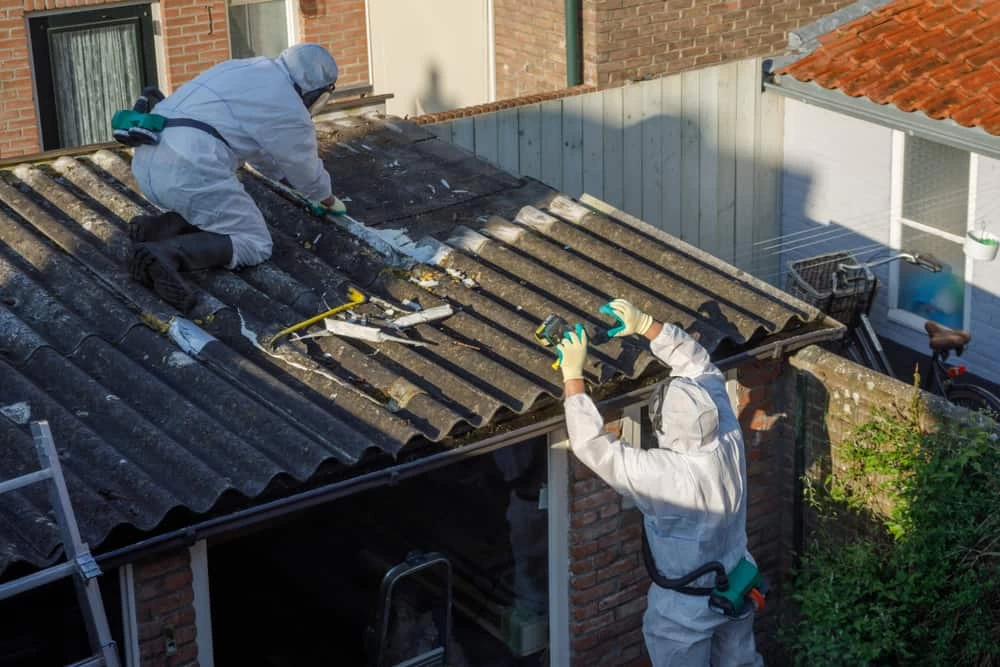
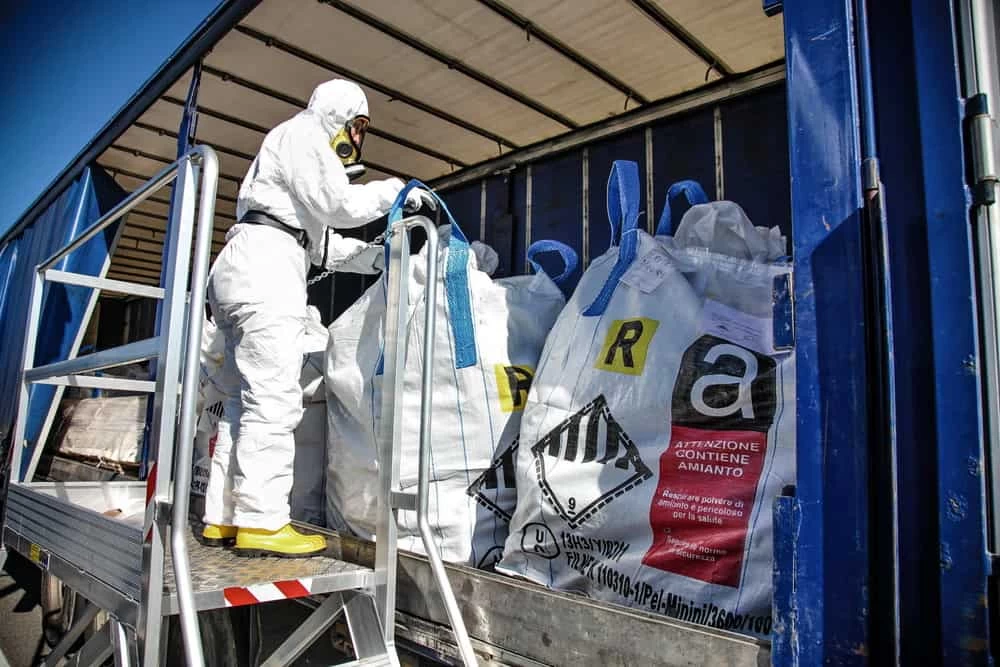
Yes and in older Financial District buildings, it’s a question worth asking before you hire anyone. Many of the residential buildings in Lower Manhattan were originally constructed as commercial office towers, and buildings built before 1980 frequently contain asbestos in floor tiles, pipe insulation, and joint compound. When you open walls for a kitchen renovation, you can encounter materials that require proper testing and abatement before construction can continue. In New York City, asbestos abatement must be performed by a licensed contractor following EPA and NYC Department of Environmental Protection protocols it’s not something that can be handled informally.
Our background in restoration including environmental remediation means we can identify and handle asbestos in-house without stopping the project or handing it off to a separate contractor you’ve never worked with. That continuity matters. When abatement is subcontracted to an unfamiliar crew, you lose visibility into the timeline, the quality of the work, and how it connects to the renovation that follows. Keeping it under one contractor relationship keeps the project on track and keeps accountability clear.
Does Green Island Group work in co-op and condo buildings along Trinity Place?
Yes and the majority of the residential buildings in and around Trinity Place are co-ops or condos, so this is the standard operating environment, not the exception. Working in these buildings means coordinating directly with the management company, scheduling freight elevator windows in advance, complying with weekday working-hour restrictions, and making sure every piece of contractor paperwork insurance certificates, license documentation, permit filings is complete before submitting the alteration agreement for board review. We handle that coordination as part of the job, not as an add-on.
For residents in buildings like those near Rector Street, 77 Greenwich, or One Wall Street, the renovation process involves more administrative steps than a typical residential remodel but none of those steps are obstacles if your contractor has done this before. We’ve navigated Manhattan’s co-op and condo board process, know what managing agents look for, and carry the coverage levels those buildings require. If you’ve been putting off a kitchen renovation because the process felt too complicated to start, that’s usually a contractor problem, not a you problem.