Prewar Kitchens in Washington Bridge Deserve More Than a Generic Contractor
Most kitchen remodelers aren’t ready for what’s inside a Washington Bridge apartment wall. We are and that changes everything about how your renovation goes.
I needed a professional consultation explanation of procedure for safe removal of Asbestos in my apartment complex. Without having an account yet, I was very impressed with the caring, knowledgeable and generous advice offered by Jessica, and will look forward to doing business in the future. Thank you so much! I feel much more informed about a sometimes scary endeavor. Peace. Nancy Silva Mineola, NY.
Mia Munoz
Used this company to clean up some water flood in my house. They were fast and easy to work with.very professional, Would recommend to anyone!
Nini Valle
Great company, had a flood and they responded quickly and efficiently. Billed my insurance company directly. I highly recommend this company!
joe colapietro, jr
I had pipe freeze in my basement right before a snow storm and they made to within an hour to help start the clean up process. They we by our side throughout the entire process and even helped with the insurance company. They did such a great job with the cleanup, repair, remidiation, I contracted them to perform the repairs and finishes in the basement. They came with enough manpower and material to get the job done. Leo and Jessica were nothing but a pleasure to deal with!!
Cristian Arredondo c
I had some water damage in my home and Green Island was able to take care of my issue quickly and effectively. I am very pleased with the work they did. They responded quickly and were very professional.
Michael M
Outstanding service! From the office to the field crew everyone was friendly, helpful and responsive. I highly recommend Green Island Group.
What Changes When the Right Crew Opens Your Walls in Washington Bridge
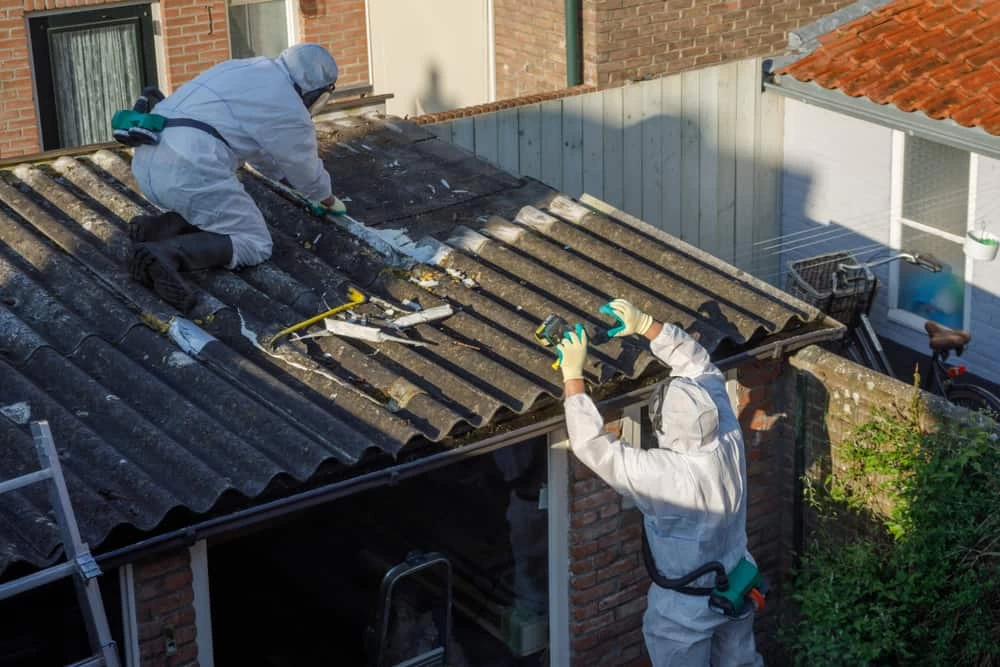
Washington Bridge sits at the northern edge of Manhattan, where the housing stock tells a different story than anywhere else in the city. The buildings along Fort Washington Avenue, Bennett Avenue, and the corridors near 181st Street were built between 1910 and 1945. That’s not a selling point it’s a reality check. Behind your kitchen cabinets, there’s a real chance you’ll find cloth wiring, galvanized pipes, asbestos insulation, or moisture that’s been sitting there for decades. Most contractors find that stuff and stop. We find it and handle it because we’re also licensed in asbestos abatement and mold remediation, not just tile and cabinetry.
What that means for you is a renovation that doesn’t stall at the worst possible moment. No scrambling to find a second contractor. No surprise invoices because someone “couldn’t have known.” The scope gets assessed honestly upfront, and the work moves forward on a real timeline. That’s not a small thing when you’re living in your apartment through the process, coordinating with your building’s super, and waiting on a co-op board that has its own timeline and its own requirements.
The result on the other side of all that? A kitchen that actually works for how you live modern layout, real storage, finishes that hold up in a building with bones that most contractors aren’t equipped to touch.
Built for Washington Bridge's Prewar Buildings, Not Just NYC Budgets
We’ve been operating since 2012 with over 5,000 completed projects across New York State. We’re licensed, insured, and hold an H13 specialty license for kitchens and baths plus New York State MWBE certification, which means we’ve been vetted at an institutional level that goes beyond a standard contractor registration.
What sets us apart in the Washington Bridge area specifically is our restoration background. We’re not a showroom company that learned how to swing a hammer. We came up doing water damage recovery, mold remediation, and structural repair in the kinds of buildings that line the streets of Washington Heights prewar co-ops and apartment buildings with histories as long as the neighborhood itself. That background matters when your kitchen renovation reveals something no one planned for.
The team is real, responsive, and reachable. Clients across verified reviews call out Leo and Jessica by name not because it’s scripted, but because those are the people who actually pick up the phone. In a neighborhood that runs on relationships and community trust, that’s worth something.
From Co-op Board Approval to Final Grout Here's the Real Process for Washington Bridge Residents
It starts with a walkthrough and honest conversation about what you want, what your building allows, and what’s realistic given the age and layout of your apartment. For most Washington Bridge kitchens galley layouts, separate windowed eat-in alcoves, older plumbing stacks the design phase matters more than people expect. We use 3D modeling to show you exactly what the finished kitchen looks like before a single cabinet comes down. That’s not a luxury add-on. In a small prewar kitchen, it’s how you avoid expensive mistakes.
From there, we handle the regulatory side and in a Washington Bridge co-op or condo, that means two parallel tracks running at the same time. The NYC Department of Buildings requires an Alteration Type 2 permit for any kitchen work involving plumbing or electrical changes. Your co-op board requires a separate alteration agreement with contractor licensing documentation, certificates of insurance, architect-stamped plans, and a work schedule that complies with building rules. We manage both. You don’t have to figure out which form goes where or why your filing got kicked back.
Once approvals are in place, the build follows a clear sequence: demo, rough-in work (plumbing and electrical), any remediation that’s needed, cabinetry installation, countertops, backsplash, lighting, and final finishes. Work happens within your building’s approved hours, the hallways stay clean, and the super stays informed. When it’s done, it’s done right inspected, permitted, and signed off.
Kitchen Cabinet Renovation and Remodeling Services
Everything Your Washington Bridge Kitchen Remodel Actually Needs
A kitchen renovation in a Washington Bridge apartment isn’t a one-trade job. It’s cabinetry, countertops, tile, plumbing, electrical, lighting, flooring and in most prewar buildings, at least one thing behind the wall that wasn’t on the original plan. We handle all of it under one contract. Custom soft-close cabinetry, quartz and granite countertop installation, subway tile and mosaic backsplashes, under-cabinet lighting, sink and dishwasher plumbing modifications, open-concept layout conversions where the building allows it’s a full-service kitchen remodel, not a handoff to four different subs.
For apartments in the Audubon Park Historic District or buildings with landmark status, we understand the additional sensitivity that comes with that designation. Not every contractor does. And for residents near the Hudson Heights corridor where prewar co-ops along Fort Washington Avenue command premium values and buyer expectations are high the design quality of the finished kitchen matters as much as the construction quality behind it.
If your renovation is connected to a water damage or mold event which happens more often than people expect in buildings with aging plumbing we can bill your insurance directly for the covered portion and transition seamlessly from remediation into the full kitchen rebuild. You don’t need two contractors, two timelines, or two sets of approvals. One team handles it start to finish.
Do I need co-op board approval before starting a kitchen remodel in Washington Bridge?
Yes and this is one of the most important things to understand before you hire anyone. In most Washington Bridge co-ops, you need board approval before you can even file with the NYC Department of Buildings. The board’s alteration agreement governs everything: contractor licensing requirements, insurance minimums, approved work hours, noise restrictions, how debris gets removed, and whether your planned plumbing changes comply with the building’s wet-area stacking rules. Skipping this step or hiring a contractor who doesn’t know how to put the package together can result in a stop-work order, fines, or a forced restoration of work that was already done.
We prepare the full alteration agreement package as part of our standard process. That means your board gets what it needs in the format it expects, and your DOB filing goes in correctly the first time. It’s not a special service it’s how we work in Washington Bridge apartment buildings, because there’s no other way to do it right.
How much does a kitchen remodel typically cost in a Washington Bridge apartment?
Kitchen remodel costs in Manhattan run significantly higher than national or suburban averages, and Washington Bridge is no exception. A mid-range full kitchen renovation in a NYC apartment covering new cabinetry, countertops, backsplash, updated plumbing and electrical, and new flooring typically starts around $50,000 to $75,000 and can go higher depending on the scope, the materials, and what’s discovered once demo begins. In prewar buildings, the “what’s discovered” part is where budgets can shift, which is why an honest upfront assessment matters more than a low opening number.
The good news is that the investment is well-supported by Washington Bridge property values. Median home prices in the neighborhood reached approximately $550,000 in 2025, up 11% year-over-year. A well-executed kitchen remodel is one of the highest-return improvements you can make to a co-op or condo in this market and a 3D design walkthrough before construction starts means you’re spending intentionally, not reacting to surprises.
What hidden problems should I expect when remodeling a prewar kitchen in Washington Bridge?
In an honest answer: probably at least one thing. Washington Bridge apartment buildings were constructed primarily between 1910 and 1945, and the kitchens in those buildings have had decades of patching, updating, and neglect sometimes all three. The most common discoveries during demo are cloth or knob-and-tube wiring that predates modern grounding standards, galvanized or lead-based plumbing that needs replacement before new fixtures can go in, asbestos-containing materials in pipe insulation or floor tile adhesive, and moisture damage from slow leaks that were never properly addressed.
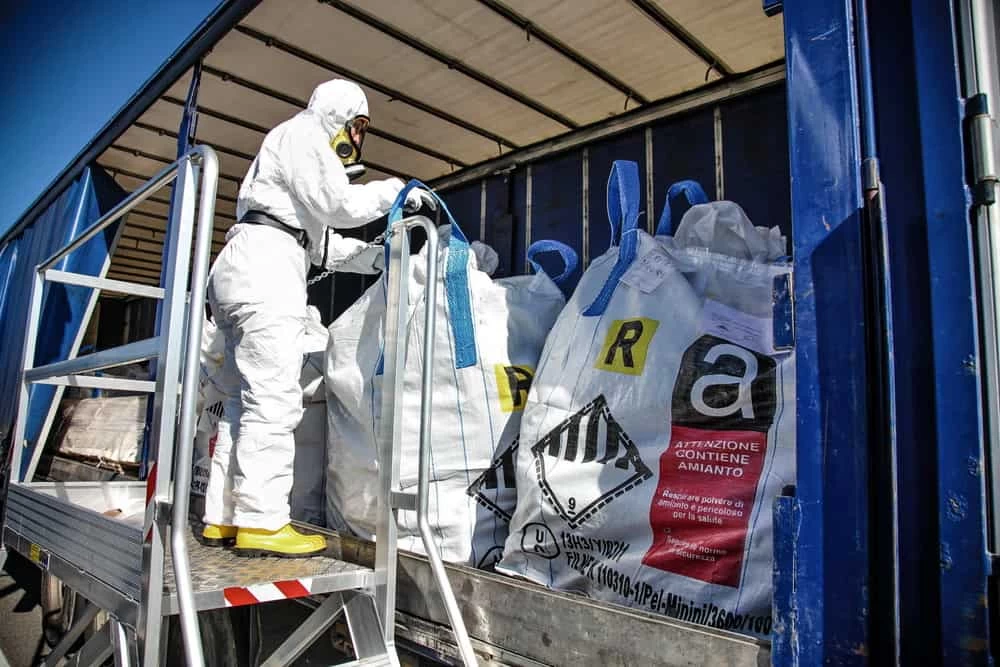
The difference between a contractor who handles this and one who doesn’t is significant. A standard kitchen remodeler who finds asbestos has to stop work and bring in a separate abatement company which means delays, additional contracts, and a gap in your project timeline. We’re licensed for asbestos abatement and mold remediation in-house. When something turns up behind the wall, the same team that’s doing your kitchen handles it and keeps the project moving.
How long does a kitchen remodel take in a Washington Bridge co-op or condo?
The timeline has two parts: approvals and construction. The approval phase getting your co-op board’s alteration agreement signed and your DOB permit issued can take anywhere from four to eight weeks depending on your building’s board schedule and how quickly the DOB processes the filing. This is why starting the approval process before you’re ready to demo is important. A contractor who files late or submits an incomplete package adds weeks to a timeline that’s already tight.
The construction phase for a full kitchen renovation in a prewar apartment typically runs four to eight weeks as well, depending on scope. Galley kitchens and smaller layouts can move faster. Projects that involve plumbing relocation, electrical panel upgrades, or remediation of hidden conditions take longer. Your building’s work-hour restrictions most Washington Bridge co-ops limit construction to Monday through Friday, roughly 8 AM to 5 PM also factor into the overall schedule. We build those constraints into the project plan from day one, so the timeline you’re given reflects reality, not optimism.
Can a kitchen remodel in Washington Bridge be done without moving out of the apartment?
For most people, yes though it requires some planning and realistic expectations about what living through a renovation actually looks like. In a Washington Bridge apartment where the kitchen is a separate windowed room (a common prewar layout), the disruption is more contained than in an open-concept space. Dust, noise during work hours, and limited kitchen access are the main day-to-day realities. Most residents set up a temporary kitchen area in another room a hot plate, a mini fridge, and a coffee maker and manage for the duration of the build.
The bigger consideration is the building’s work-hour rules. Because construction is limited to weekday daytime hours in most Washington Bridge co-ops, the project doesn’t run on weekends or evenings, which gives you real recovery time between work days. We communicate the daily schedule clearly so you’re not caught off guard. If your project involves asbestos abatement or significant mold remediation, temporary relocation for that specific phase may be recommended but that’s typically a short window, not the full project duration.
Does Green Island Group handle kitchen remodels that started as water or mold damage claims?
Yes and this is actually one of the more common ways kitchen renovations get started in Washington Bridge. The neighborhood’s prewar buildings have aging plumbing systems, and slow leaks behind kitchen walls or from the unit above are a recurring issue. When water damage or mold is the starting point, most homeowners end up managing two separate contractors: one for remediation and one for the rebuild. That means two timelines, two sets of approvals, and two insurance negotiations.
We handle both sides under one engagement. We can assess the damage, perform the licensed remediation work, coordinate directly with your insurance company for the covered portion, and transition into the full kitchen renovation without a gap in the project. If the damage is extensive enough to justify a full kitchen rebuild new cabinetry, countertops, flooring, updated plumbing that conversation happens early, so the insurance claim and the renovation scope are aligned from the start. It’s a cleaner process, and it’s one fewer thing you have to manage in the middle of what’s already a stressful situation.