I needed a professional consultation explanation of procedure for safe removal of Asbestos in my apartment complex. Without having an account yet, I was very impressed with the caring, knowledgeable and generous advice offered by Jessica, and will look forward to doing business in the future. Thank you so much! I feel much more informed about a sometimes scary endeavor. Peace. Nancy Silva Mineola, NY.
Mia Munoz
Used this company to clean up some water flood in my house. They were fast and easy to work with.very professional, Would recommend to anyone!
Nini Valle
Great company, had a flood and they responded quickly and efficiently. Billed my insurance company directly. I highly recommend this company!
joe colapietro, jr
I had pipe freeze in my basement right before a snow storm and they made to within an hour to help start the clean up process. They we by our side throughout the entire process and even helped with the insurance company. They did such a great job with the cleanup, repair, remidiation, I contracted them to perform the repairs and finishes in the basement. They came with enough manpower and material to get the job done. Leo and Jessica were nothing but a pleasure to deal with!!
Cristian Arredondo c
I had some water damage in my home and Green Island was able to take care of my issue quickly and effectively. I am very pleased with the work they did. They responded quickly and were very professional.
Michael M
Outstanding service! From the office to the field crew everyone was friendly, helpful and responsive. I highly recommend Green Island Group.
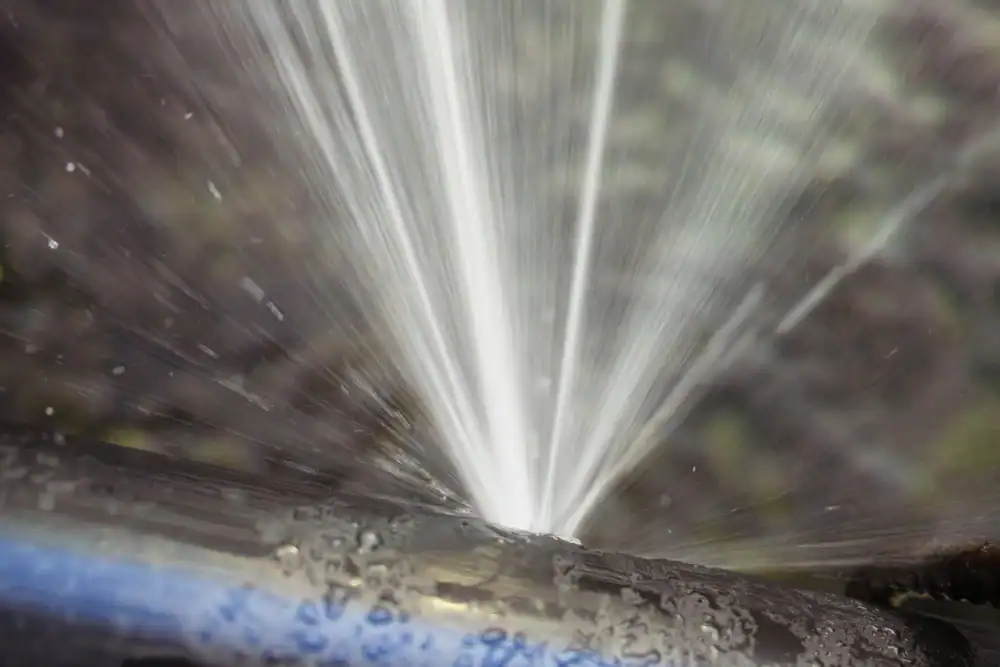
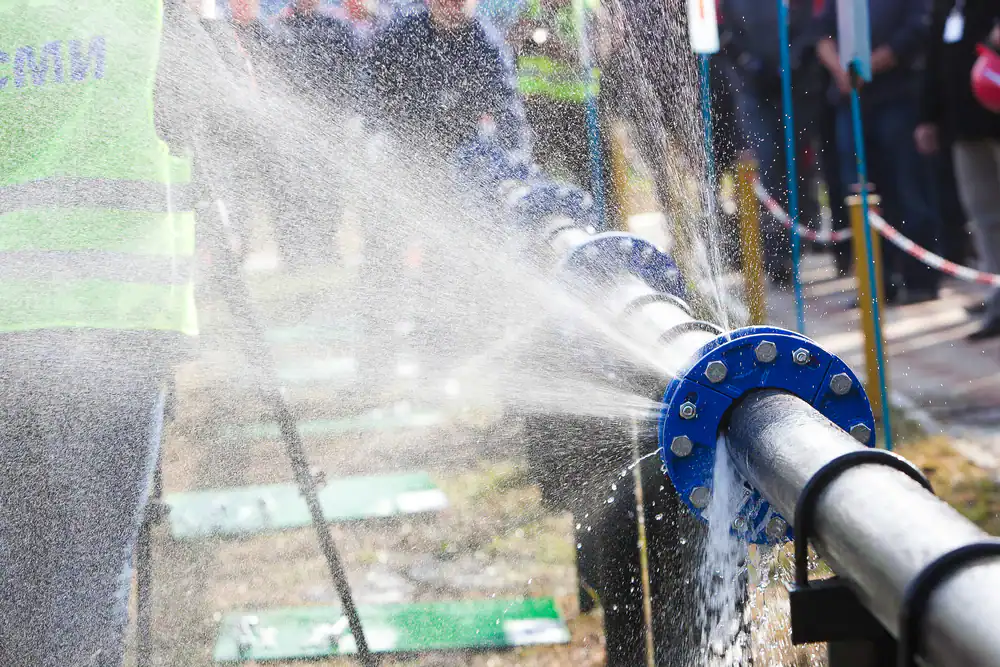
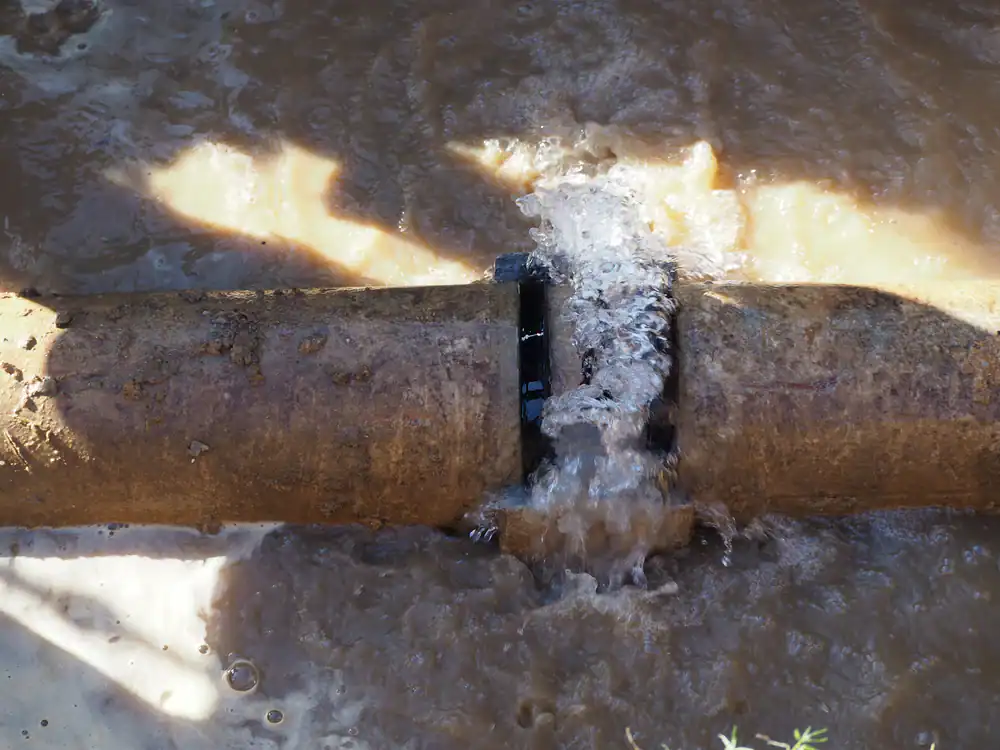
When a pipe bursts in your Bay Wood home, every minute counts. Water doesn’t wait, and neither do we. You get your floors dry, your belongings protected, and your normal life back. Our certified technicians arrive with industrial-grade equipment that extracts standing water, identifies hidden moisture, and begins the drying process before mold can take hold.
Your property gets restored to its pre-damage condition, and you get your peace of mind back knowing the job was done right the first time. The longer water sits, the more damage it causes and the higher your restoration costs become. That’s why we focus on stopping damage in its tracks, not just cleaning up after it spreads.
Green Island Group has been serving Suffolk County with deep local knowledge of the unique challenges Long Island homeowners face. Bay Wood sits in the Town of Islip, where Long Island’s weather throws real challenges at plumbing systems, especially during winter months when pipes freeze in older homes.
We’re known for being responsive, professional, and always answering the phone with a great attitude. When customers have floods, we respond quickly and efficiently, billing insurance companies directly. Our customers tell us we stay by their side throughout the entire process, even helping with insurance companies, and they’re pleased enough to contract us for additional repairs.
First, we respond immediately to your call. Our technicians arrive with advanced moisture detection equipment to assess not just what you can see, but what’s hidden behind walls and under floors. We inspect the area to understand the extent of damage and plan the restoration approach.
Next, we remove standing water using powerful extraction equipment and begin structural drying. We set up industrial dehumidifiers and air movers to eliminate moisture from affected materials. Our team removes standing water and addresses moisture to prevent further problems.
Finally, we restore damaged areas to their original condition. This isn’t just about removing visible water—it’s about preventing mold growth that can start within 24-48 hours and repairing damaged areas to make your space usable again.
Our water damage restoration covers everything from emergency water removal to full reconstruction. You get 24/7 emergency response, advanced moisture detection using thermal imaging, and industrial-grade drying equipment that most companies don’t have access to.
In Bay Wood and throughout Suffolk County, we see water damage from burst pipes in older buildings, coastal flooding from storms, and basement flooding due to Long Island’s high water table. Each situation requires different approaches, which is why our technicians are trained in the latest IICRC standards. We handle insurance paperwork, provide detailed documentation of damages, and work directly with your insurance company to remove stress from your situation.
Bay Wood homes face unique challenges beyond obvious culprits like storms and burst pipes—aging infrastructure means older homes can have leaky pipes or outdated plumbing that’s prone to failure. We see burst pipes from old galvanized steel pipes that finally give out, usually in homes built before 1970, which are reaching the end of their lifespan.
How quickly can you respond to a burst pipe emergency in Bay Wood?
We provide 24/7 emergency response throughout Suffolk County and typically arrive within one hour of your call. The worst burst pipe calls happen at 2 AM during blizzards when frozen pipes finally crack and start flooding basements. If this happens to you, don’t panic—turn off your main water valve immediately and call us. We’re available 24/7 for emergency burst pipe repair.
We understand that pipe emergencies don’t happen during business hours. That’s why our team is available around the clock to respond quickly and efficiently to your call. We know that every minute counts when it comes to water damage, which is why we offer rapid response times throughout Long Island.
What should I do immediately after discovering a burst pipe?
First thing—shut off your water at the main valve. Next, turn on all your faucets to drain remaining water from the system. This prevents more water from pouring out of the burst pipe. Take pictures of any damage for insurance purposes, then call us right away.
Ensure your safety by avoiding areas with standing water if there’s any possibility of electrical hazards. Turn off electricity to affected areas if you can do so safely. If the water is from a clean source like a burst pipe, you can begin removing standing water with towels or a wet vacuum, then contact us immediately for professional assessment. Move valuable items to dry areas if possible, but don’t risk your safety attempting to salvage belongings in dangerous conditions.
How much does burst pipe repair typically cost in Bay Wood?
Burst pipe repair costs average between $400 to $2,000, depending on the damage, with most homeowners spending in this range including materials and labor to fix or replace the damaged pipe. On average, burst water pipe repair costs between $150 and $250 per linear foot for labor and materials, with typical jobs costing $400 to $1,500, plus an additional $1,000 to $2,000 for water damage cleanup.
On the high end, costs can exceed $5,000 if you need to install new pipes underground or take care of extensive related water damage. The amount of pipe requiring repairs affects the cost significantly. The good news is that water damage restoration is often covered by homeowner’s insurance. We’ll work with your insurance company to help you navigate the claims process and discuss payment options.
Will my homeowner's insurance cover burst pipe damage in Bay Wood?
Most homeowner’s and commercial insurance policies cover sudden and accidental water damage, such as burst pipes, appliance failures, or storm damage. However, coverage varies depending on the cause of the damage and your specific policy terms. We work with all major insurance companies and handle direct billing in most cases.
Our team documents all damage thoroughly and provides detailed reports that insurance companies require. We also help you navigate the claims process and communicate directly with your adjuster to ensure you receive fair compensation for your losses. Sudden events like a burst pipe are usually covered, while flooding and gradual leaks often require additional coverage. We’ll review your specific situation and work directly with your insurance company to maximize your coverage.
How long does the water damage restoration process take?
The timeline depends on the extent of damage, the type of water involved, and the materials affected. Minor water damage from a small leak might be resolved in 3-5 days, while major flooding can take several weeks for complete restoration. The drying process typically takes 3-7 days, depending on humidity levels.
The time is determined by the location of the leak, the extent of the damage, and complexity of repairs needed. Leaks from exposed pipes should only take an hour or so, but that can increase to several hours if a significant section of pipe needs replacement. Pipes in walls or ceilings will take two to six hours, while complex underground pipe repairs can take multiple days. Most jobs take 3–5 days to fully dry, depending on the extent of damage and materials affected. We monitor moisture daily to ensure complete drying.
What makes Bay Wood homes particularly susceptible to burst pipes?
Long Island’s weather throws real challenges at plumbing systems. During winter months, pipes freeze when temperatures drop below 20 degrees—especially in older homes. But freezing isn’t the only culprit. We see burst pipes from old galvanized steel pipes that finally give out, usually in homes built before 1970.
Suffolk County buildings present unique challenges for water damage restoration. Many buildings are older with aging plumbing systems that are more prone to failure. Our area’s high water table means basements are particularly susceptible to flooding. Homes that are poorly insulated or left vacant with no furnace to regulate heat can be common culprits of frozen water pipes in wintertime. These breaks are often hard to notice immediately because they commonly occur in basements where heat isn’t well regulated.