I needed a professional consultation explanation of procedure for safe removal of Asbestos in my apartment complex. Without having an account yet, I was very impressed with the caring, knowledgeable and generous advice offered by Jessica, and will look forward to doing business in the future. Thank you so much! I feel much more informed about a sometimes scary endeavor. Peace. Nancy Silva Mineola, NY.
Mia Munoz
Used this company to clean up some water flood in my house. They were fast and easy to work with.very professional, Would recommend to anyone!
Nini Valle
Great company, had a flood and they responded quickly and efficiently. Billed my insurance company directly. I highly recommend this company!
joe colapietro, jr
I had pipe freeze in my basement right before a snow storm and they made to within an hour to help start the clean up process. They we by our side throughout the entire process and even helped with the insurance company. They did such a great job with the cleanup, repair, remidiation, I contracted them to perform the repairs and finishes in the basement. They came with enough manpower and material to get the job done. Leo and Jessica were nothing but a pleasure to deal with!!
Cristian Arredondo c
I had some water damage in my home and Green Island was able to take care of my issue quickly and effectively. I am very pleased with the work they did. They responded quickly and were very professional.
Michael M
Outstanding service! From the office to the field crew everyone was friendly, helpful and responsive. I highly recommend Green Island Group.
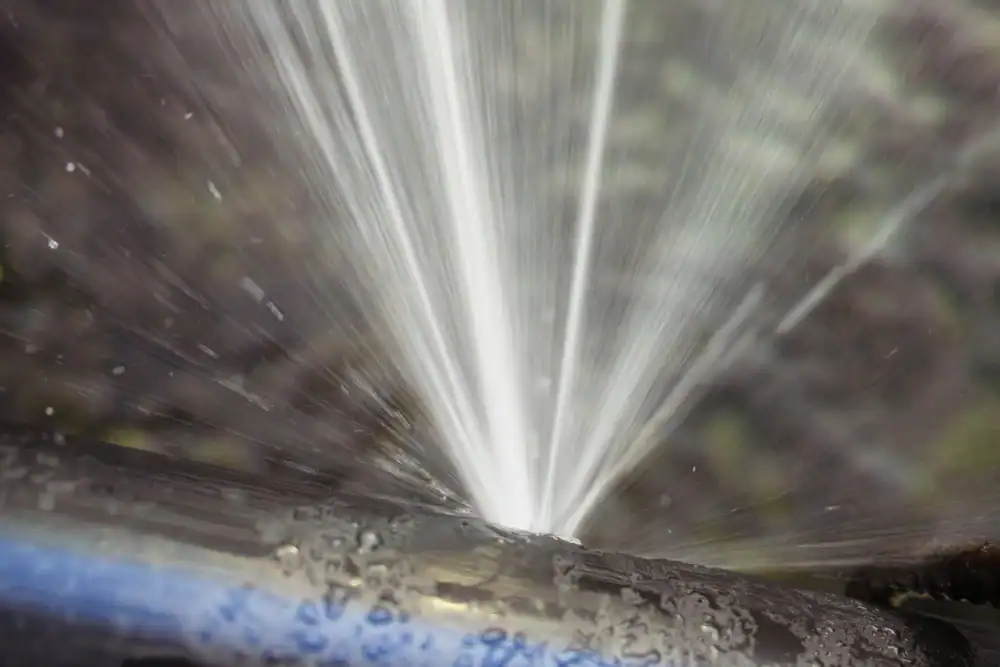
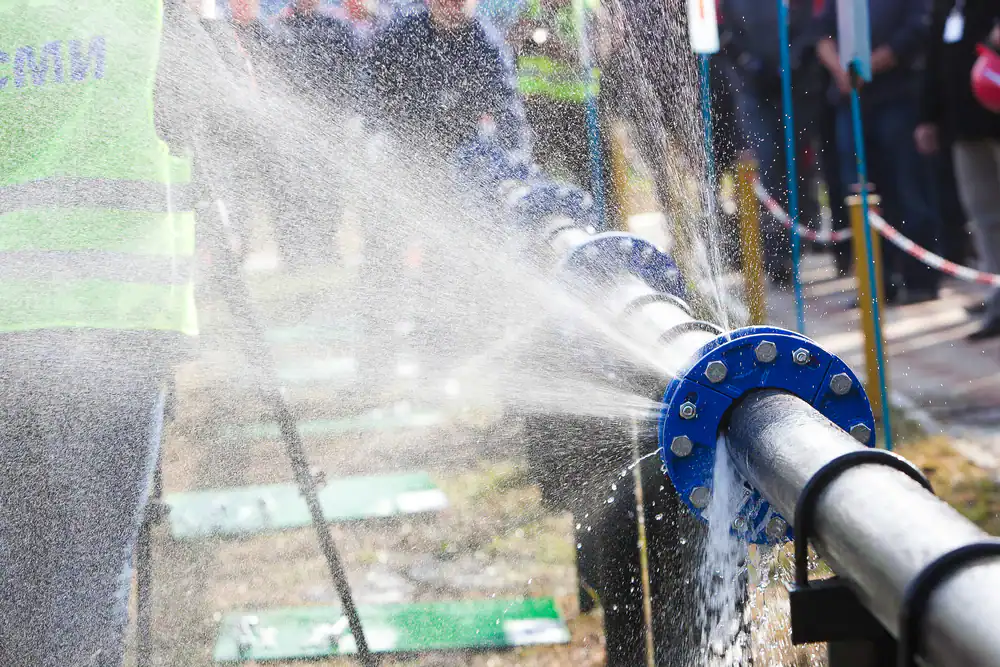
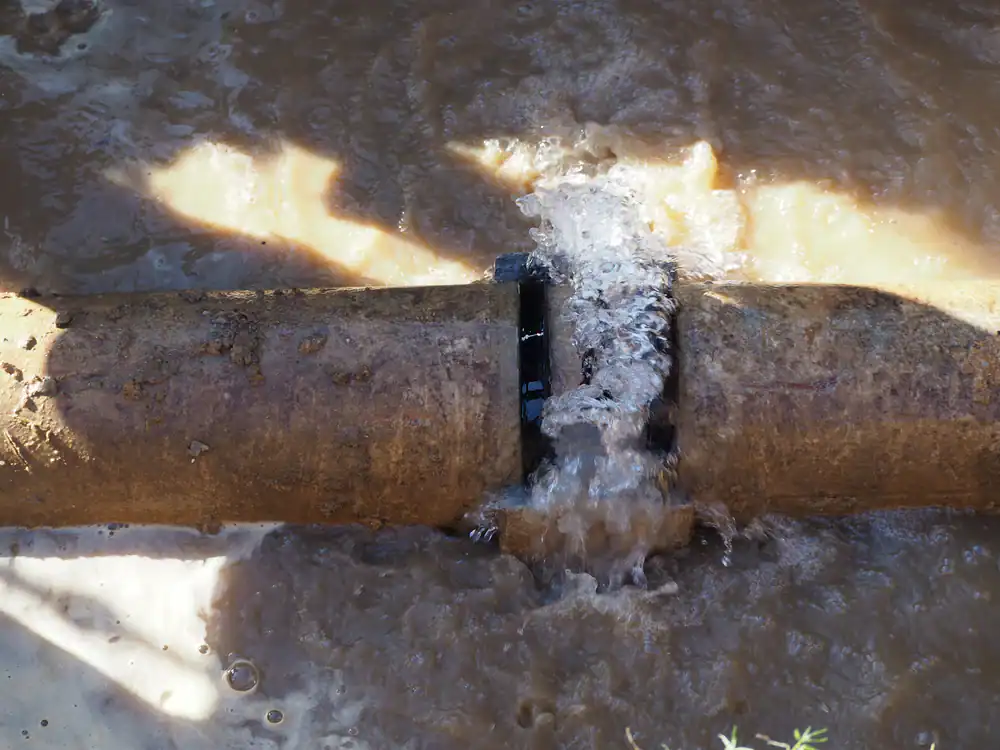
Your burst pipe gets fixed right the first time. No more water pooling in your basement or seeping through your walls. No more wondering if mold is growing behind the scenes.
You get your peace of mind back. The industrial-grade equipment stops working, the dehumidifiers get packed up, and your home feels like home again. Your insurance paperwork gets handled without you having to become an expert in claims processing.
Most importantly, you get back to your life instead of managing a water disaster. That’s what professional burst pipe repair looks like in Bayside Hills.
We’ve been handling water emergencies across Queens for years. We understand what makes Bayside Hills unique—from the aging infrastructure in older homes to the high water tables that make basements vulnerable to flooding.
We’ve seen it all: burst radiator lines in Bayside Hills homes, sewer backups along Bell Boulevard, and flooding from nor’easters that roll through Little Neck Bay. Our team knows the difference between tide-driven seepage and a simple pipe leak, and we bring the right equipment for each situation.
When your neighbors need burst pipe repair that actually works, they call us because we’ve proven ourselves in the toughest situations Queens can throw at us.
First, we shut off your water supply and assess the damage. Our certified technicians arrive with industrial-grade equipment—not basic shop vacuums—and start extracting standing water immediately. We identify hidden moisture using thermal imaging because water loves to hide behind walls and under flooring.
Next comes the drying process. We set up high-powered dehumidifiers and air movers to pull moisture from every surface. This isn’t a quick fix—proper drying takes time, and we monitor moisture levels until everything reads normal.
Finally, we repair the burst pipe and restore any damaged areas. We handle the insurance documentation, provide detailed photos of the damage, and work directly with your insurance company. You get updates throughout the process, so you always know what’s happening and what comes next.
Your burst pipe repair includes emergency water extraction, complete moisture removal, and professional pipe replacement or repair. We bring specialized equipment designed for Bayside Hills’ unique challenges—equipment that handles everything from basement flooding to water damage in co-op units near Bay Terrace.
You also get antimicrobial treatments to prevent mold growth, content salvaging when possible, and thorough documentation for your insurance claim. Our team maps hidden moisture behind plaster walls and under hardwood floors using thermal imaging, so nothing gets missed.
In Bayside Hills, we see specific patterns: frozen pipes in poorly insulated basements during winter, aging clay drainage systems that fail during heavy rains, and water main issues related to the area’s infrastructure. We’ve equipped our service specifically for these local challenges, which means faster diagnosis and more effective repairs for your property.
How quickly can you respond to a burst pipe emergency in Bayside Hills?
We provide 24/7 emergency response and typically arrive within one hour of your call in Bayside Hills. When a pipe bursts, every minute counts—water damage gets exponentially worse the longer it sits, and mold can start growing within 24-48 hours.
Our emergency response team is always on standby with fully equipped vehicles. We don’t just send someone to look at the problem—our technicians arrive with water extraction equipment, industrial dehumidifiers, and everything needed to stop the damage immediately. The faster we get there, the less damage you’ll have to deal with later.
What's the average cost to repair a burst pipe in Bayside Hills?
Burst pipe repair costs in Bayside Hills typically range from $200 to $3,000, depending on the location and severity of the damage. Simple repairs on accessible pipes might cost $200-600, while pipes behind walls or under concrete can reach $4,500.
The biggest cost factor is usually labor, which runs $150-250 per linear foot for most repairs. Water damage cleanup adds another $1,000-2,000 depending on how much water escaped. We provide upfront estimates and work directly with your insurance company to minimize your out-of-pocket costs. Most homeowners insurance covers burst pipe damage when it’s not due to neglect.
Do you handle the insurance paperwork for burst pipe claims?
Yes, we handle all insurance documentation and work directly with your insurance company throughout the entire process. We provide detailed photos of the damage, moisture readings, and comprehensive reports that insurance adjusters need to process your claim quickly.
We also offer direct billing to your insurance company, so you don’t have to pay upfront and wait for reimbursement. Our team knows exactly what documentation insurance companies require for burst pipe claims, and we make sure everything is properly recorded from day one. This saves you time, reduces stress, and typically results in faster claim approval.
What makes burst pipes so common in Bayside Hills specifically?
Bayside Hills has two main factors that contribute to burst pipe problems: aging infrastructure and high water tables. Many homes in the area were built decades ago with plumbing systems that are reaching the end of their useful life, making them more prone to sudden failures.
The high water table in this part of Queens also puts extra pressure on basement and foundation plumbing. During heavy rains or when the ground is saturated, this pressure can cause weak points in older pipes to fail. We also see seasonal patterns—frozen pipes are common in winter when poorly insulated basements don’t maintain adequate temperatures. Understanding these local factors helps us respond more effectively to each situation.
How do you prevent mold growth after a burst pipe?
Mold prevention starts with immediate water extraction and proper drying techniques. We use industrial-grade dehumidifiers and air movers to remove moisture from all surfaces, not just the obvious wet areas. Mold can start growing within 24-48 hours, so speed is critical.
We also use thermal imaging to find hidden moisture behind walls and under flooring—areas where mold loves to start growing unnoticed. After extraction and drying, we apply EPA-registered antimicrobial treatments to prevent mold spores from taking hold. We monitor moisture levels throughout the drying process and don’t consider the job complete until everything reads normal. This comprehensive approach prevents the secondary damage that often costs more than the original pipe repair.
What should I do immediately when I discover a burst pipe?
First, shut off your main water supply immediately—this stops additional water from flooding your property. The main shutoff is usually located near where the water line enters your home, often in the basement or near the water meter. If you can’t find it quickly, call your water company.
Next, move any valuables or furniture away from the affected area if it’s safe to do so. Take photos of the damage for insurance purposes, but don’t delay calling for professional help. The longer water sits, the more damage it causes to your structure and belongings. Call us immediately at our 24/7 emergency line—we’ll walk you through any additional steps while we’re on our way to your property.