I needed a professional consultation explanation of procedure for safe removal of Asbestos in my apartment complex. Without having an account yet, I was very impressed with the caring, knowledgeable and generous advice offered by Jessica, and will look forward to doing business in the future. Thank you so much! I feel much more informed about a sometimes scary endeavor. Peace. Nancy Silva Mineola, NY.
Mia Munoz
Used this company to clean up some water flood in my house. They were fast and easy to work with.very professional, Would recommend to anyone!
Nini Valle
Great company, had a flood and they responded quickly and efficiently. Billed my insurance company directly. I highly recommend this company!
joe colapietro, jr
I had pipe freeze in my basement right before a snow storm and they made to within an hour to help start the clean up process. They we by our side throughout the entire process and even helped with the insurance company. They did such a great job with the cleanup, repair, remidiation, I contracted them to perform the repairs and finishes in the basement. They came with enough manpower and material to get the job done. Leo and Jessica were nothing but a pleasure to deal with!!
Cristian Arredondo c
I had some water damage in my home and Green Island was able to take care of my issue quickly and effectively. I am very pleased with the work they did. They responded quickly and were very professional.
Michael M
Outstanding service! From the office to the field crew everyone was friendly, helpful and responsive. I highly recommend Green Island Group.
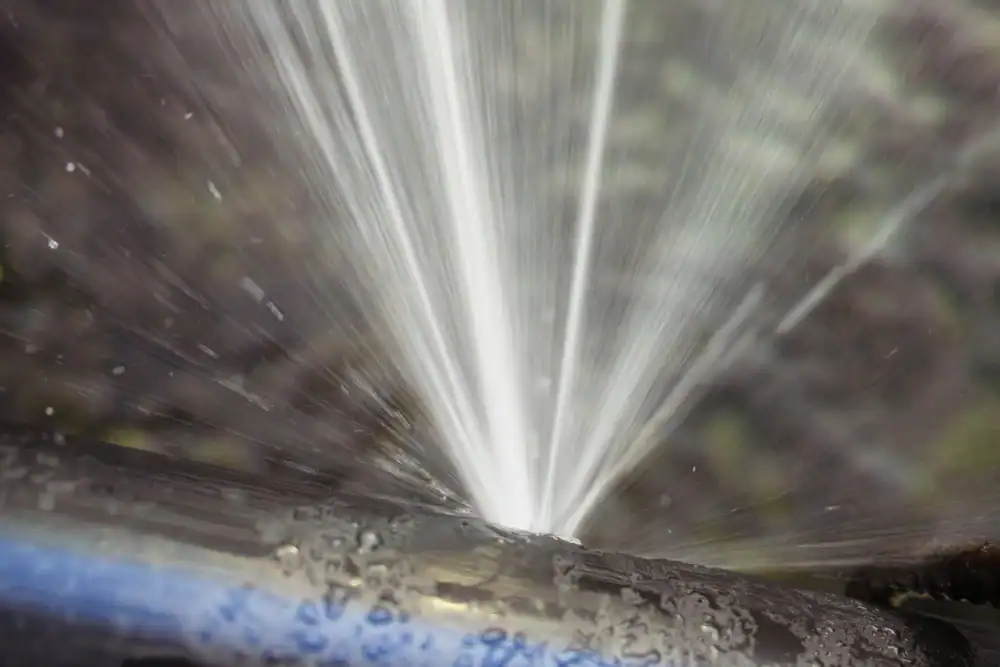
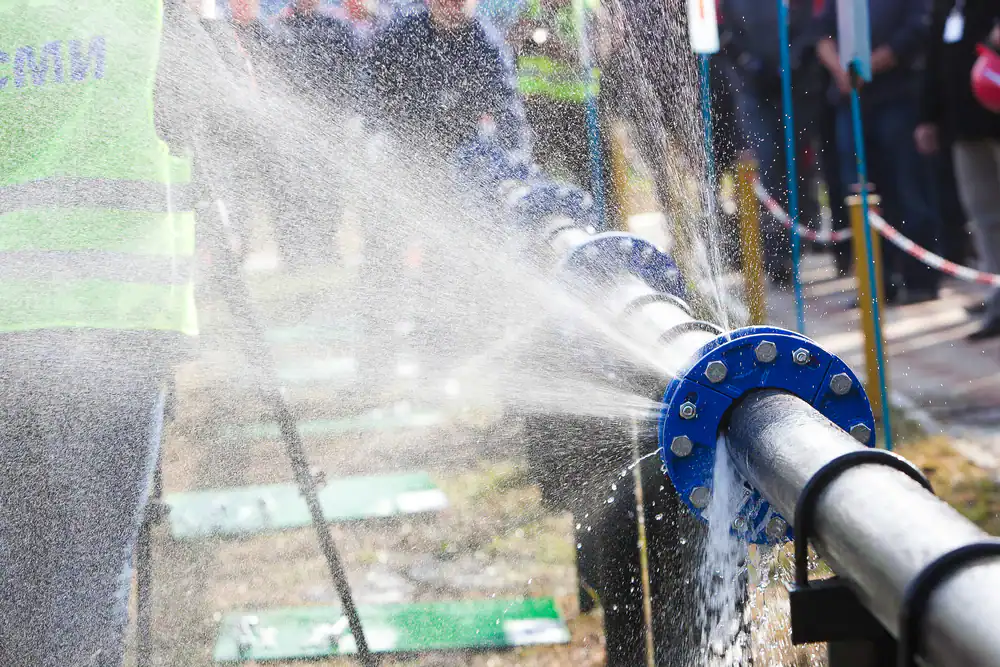
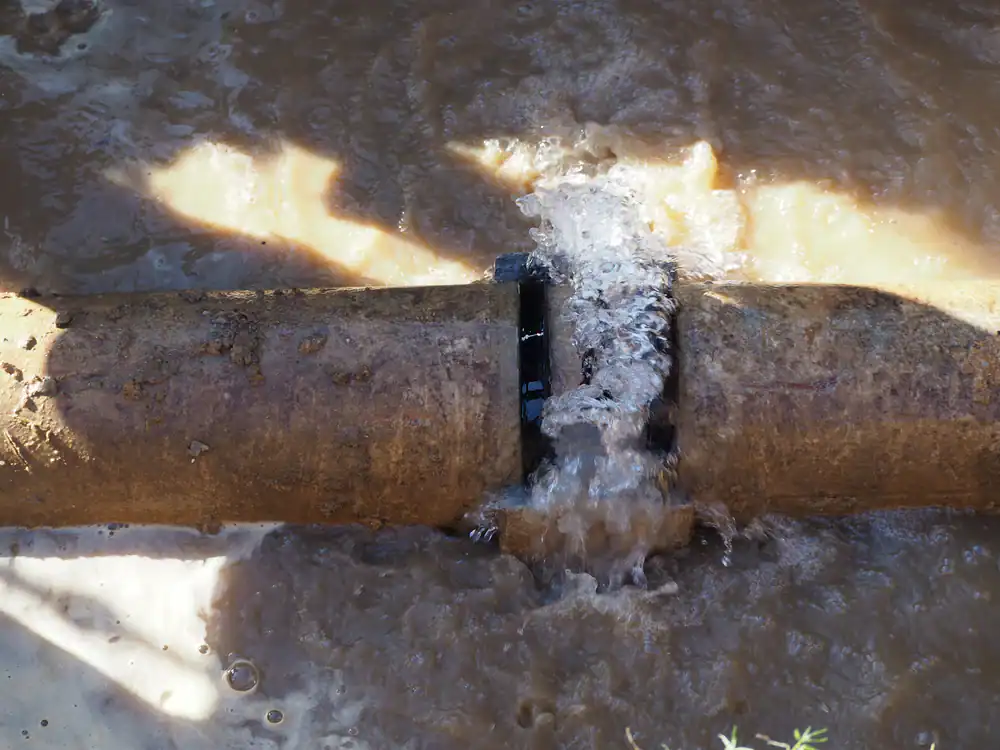
A burst pipe at 2 AM doesn’t have to ruin your month. You get immediate water extraction, structural drying, and complete restoration when our emergency team responds within the hour.
The difference between a $3,000 repair and a $30,000 disaster often comes down to response time. Water spreads fast through Belle Harbor’s older homes, seeping into walls, floors, and foundations. But when we arrive with industrial extraction equipment and moisture detection tools, we stop the damage before it becomes overwhelming.
You’re dealing with insurance paperwork instead of finding temporary housing because we contain the problem immediately. Your hardwood floors stay intact. Your family photos remain safe. Your life gets back to normal.
Green Island Group has been protecting Belle Harbor properties from water emergencies since before most restoration companies knew this neighborhood existed. We understand what makes homes here vulnerable – from 1930s plumbing in historic colonials to coastal flooding risks that affect 99% of local properties.
Our technicians have restored water damage in hundreds of Belle Harbor homes. We know which streets flood first during storms, which home styles have the most vulnerable plumbing, and exactly how Belle Harbor’s unique geography affects water damage patterns.
When your neighbors need emergency water restoration, they call us because we’ve proven ourselves reliable during their worst moments.
We answer your emergency call immediately and dispatch our nearest team – usually arriving within an hour. Our technicians bring professional water extraction equipment, thermal imaging cameras, and moisture detection tools to assess both visible and hidden damage throughout your Belle Harbor home.
Water removal starts immediately using powerful extraction equipment that removes thousands of gallons per hour. We then position industrial dehumidifiers and air movers to eliminate moisture from walls, floors, and hidden spaces before mold can establish. This critical 24-48 hour window determines whether you face minor repairs or major reconstruction.
Restoration begins once everything is completely dry. We repair or replace damaged drywall, flooring, and structural elements. Throughout the process, we document everything for your insurance claim and handle direct billing so you’re not paying upfront during an emergency.
Our burst pipe service handles every aspect of water damage recovery in Belle Harbor homes. You get immediate water extraction, structural drying, mold prevention, insurance documentation, and complete restoration of affected areas.
Belle Harbor’s housing presents unique challenges we’re equipped to handle. Nearly 70% of homes here were built before 1939 with plumbing systems more prone to freezing and failure. Coastal salt air accelerates pipe corrosion. Hurricane Sandy showed how quickly water can devastate this low-lying peninsula between Jamaica Bay and the Atlantic.
We factor these local conditions into every restoration project. Our process includes preventative recommendations specific to Belle Harbor’s climate and housing stock, helping protect your investment from future water damage.
How fast can you respond to burst pipe emergencies in Belle Harbor?
We provide 24/7 emergency response throughout Belle Harbor with typical arrival times under one hour. Speed matters because water damage accelerates rapidly – mold begins growing within 24-48 hours, and structural damage compounds every hour water remains.
Our emergency teams carry professional water extraction equipment, thermal imaging cameras, and industrial drying equipment in every truck. We begin water removal and damage mitigation immediately upon arrival, not after returning to get equipment. This immediate response often prevents minor pipe bursts from becoming major reconstruction projects.
Belle Harbor’s location means we keep crews positioned strategically throughout Queens to ensure rapid response times even during storms or high-demand periods.
Does homeowners insurance cover burst pipe damage in Belle Harbor?
Most homeowners policies cover sudden, accidental water damage from burst pipes, including cleanup and repairs to your home and belongings. However, insurance typically doesn’t cover the cost to repair or replace the actual burst pipe – only the resulting water damage.
We work directly with all major insurance companies and handle direct billing in most cases, eliminating upfront costs during emergencies. Our technicians document all damage thoroughly with photos, moisture readings, and detailed reports insurance adjusters require. We’ve processed hundreds of water damage claims in Belle Harbor and know exactly what documentation insurance companies need.
Coverage can vary based on the cause of the burst pipe. Pipes that burst due to freezing are usually covered, but claims may be denied if you turned off heat while away or failed to maintain proper indoor temperatures.
What causes pipes to burst in Belle Harbor homes?
Freezing temperatures cause most burst pipes in Belle Harbor, especially in older homes where pipes aren’t adequately insulated. When water freezes, it expands and cracks pipes, which then flood when temperatures rise and ice melts.
Belle Harbor’s housing stock compounds this risk – nearly 70% of homes were built before 1939 with plumbing that predates modern insulation standards. Coastal conditions also accelerate pipe deterioration through salt air corrosion and ground shifting from storm surge and tidal changes.
Other common causes include aging pipes with rust or mineral buildup, high water pressure, and damage from previous flooding events like Hurricane Sandy. Our technicians inspect your entire plumbing system during repairs to identify and address potential failure points before they cause problems.
How do you prevent mold after water damage in Belle Harbor?
Mold prevention requires complete moisture elimination within 24-48 hours of water exposure. We use industrial dehumidifiers, high-velocity air movers, and thermal imaging to remove water from all affected areas, including hidden spaces inside walls and under floors.
Belle Harbor’s coastal humidity makes mold prevention especially critical. We treat all affected surfaces with EPA-approved antimicrobial solutions and monitor moisture levels continuously using professional-grade meters until readings confirm complete dryness.
Our process includes removing water-damaged materials that can’t be adequately dried, such as soaked insulation or severely damaged drywall. We also address ventilation issues that might contribute to ongoing moisture problems, especially important in Belle Harbor’s humid environment where poor air circulation can lead to chronic mold issues.
What should I do immediately when I discover a burst pipe?
Shut off your main water supply immediately – this is usually located where the service line enters your house, often in the basement or crawl space. If you can’t locate it quickly, call us at 631-256-5711 and we’ll guide you while dispatching our emergency team.
Document the damage with photos for insurance purposes, but prioritize safety over documentation. Move valuable items away from water if possible, but don’t risk injury. Don’t use regular household fans or equipment to dry areas – this can actually spread contamination and make problems worse.
Call us immediately rather than waiting to see if the situation improves. In Belle Harbor’s older homes, water can quickly spread through walls and floors to areas you can’t see. The sooner we begin professional water extraction, the less damage your home will sustain and the lower your total repair costs will be.
How much does burst pipe repair cost in Belle Harbor?
Pipe repair costs range from $200-500 for simple fixes on exposed pipes to $3,000-4,000 for complex repairs involving pipes behind walls or underground. However, water damage from burst pipes often costs significantly more than the pipe repair itself.
In Belle Harbor homes, water damage restoration typically costs $3,000-15,000 depending on the extent of flooding and materials affected. Hardwood floor replacement runs $5-15 per square foot, drywall repairs $250-1,300, and complete room renovations can reach $20,000-50,000 for severe damage.
Insurance usually covers water damage costs but not the pipe repair itself. We provide detailed estimates upfront and work directly with your insurance company to minimize out-of-pocket expenses. Most importantly, immediate response dramatically reduces total costs – every hour of delay increases damage and repair expenses.