I needed a professional consultation explanation of procedure for safe removal of Asbestos in my apartment complex. Without having an account yet, I was very impressed with the caring, knowledgeable and generous advice offered by Jessica, and will look forward to doing business in the future. Thank you so much! I feel much more informed about a sometimes scary endeavor. Peace. Nancy Silva Mineola, NY.
Mia Munoz
Used this company to clean up some water flood in my house. They were fast and easy to work with.very professional, Would recommend to anyone!
Nini Valle
Great company, had a flood and they responded quickly and efficiently. Billed my insurance company directly. I highly recommend this company!
joe colapietro, jr
I had pipe freeze in my basement right before a snow storm and they made to within an hour to help start the clean up process. They we by our side throughout the entire process and even helped with the insurance company. They did such a great job with the cleanup, repair, remidiation, I contracted them to perform the repairs and finishes in the basement. They came with enough manpower and material to get the job done. Leo and Jessica were nothing but a pleasure to deal with!!
Cristian Arredondo c
I had some water damage in my home and Green Island was able to take care of my issue quickly and effectively. I am very pleased with the work they did. They responded quickly and were very professional.
Michael M
Outstanding service! From the office to the field crew everyone was friendly, helpful and responsive. I highly recommend Green Island Group.
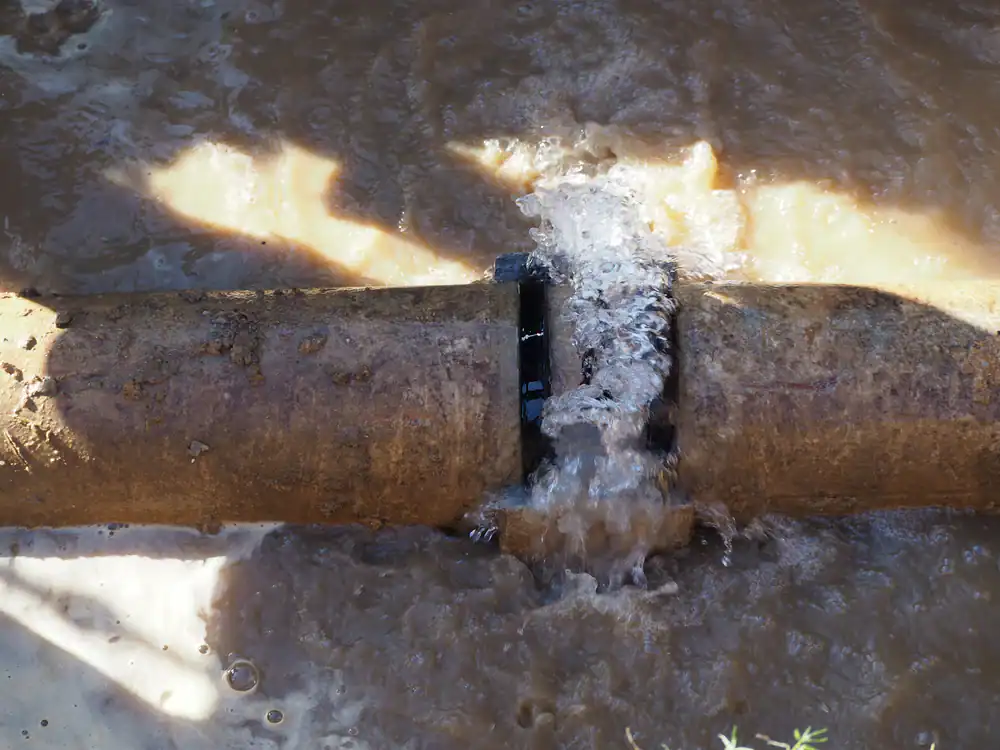
When we fix your burst pipe and the water is gone, you get your home back exactly as it was. No lingering moisture hiding behind walls. No mold growing in places you can’t see. No insurance headaches dragging on for months.
Your floors are dry, your walls are solid, and your peace of mind is restored. You can walk through your home knowing the job was done right the first time by professionals who understand Nassau County’s unique challenges.
The emergency is over, but more importantly, you’re protected against future problems with proper repairs that last.
We’ve been handling water emergencies across Nassau County for years, and we know Great Neck Plaza inside and out. We understand how Long Island’s weather patterns affect your plumbing, why certain neighborhoods flood during storms, and which insurance companies work best with local homeowners.
Our team responds from right here in Nassau County, not from some distant location. When you call, you’re getting people who live and work in your community, who understand that your Great Neck Plaza home represents a significant investment that deserves professional protection.
We’ve built our reputation one emergency at a time, helping neighbors recover from burst pipes, basement floods, and storm damage with the kind of thorough work that actually solves problems instead of just covering them up.
First, we respond immediately to stop the water and assess the damage. Our technicians arrive with industrial-grade water extraction equipment and advanced moisture detection tools to find hidden water behind walls and under floors.
Next, we remove all standing water and begin structural drying using powerful dehumidifiers and air movers. This isn’t just about removing visible water – it’s about eliminating moisture that could cause mold growth within 24-48 hours.
Finally, we restore damaged areas to their original condition, handling everything from pipe repairs to drywall replacement. We work directly with your insurance company throughout the process, providing detailed documentation and managing claims so you can focus on getting your life back to normal.
Your burst pipe repair includes immediate water shutoff, complete water extraction, structural drying, and full restoration of damaged areas. We handle pipe replacement, wall repairs, flooring restoration, and mold prevention – everything needed to return your property to pre-damage condition.
In Great Neck Plaza, we see burst pipes most often during winter months when temperatures drop below freezing. Many homes in Nassau County have older plumbing systems that become vulnerable when Long Island’s harsh weather hits. Our local experience means we know exactly where problems typically occur and how to prevent them from happening again.
We also manage your insurance claim from start to finish, providing detailed damage documentation and working directly with adjusters. Most homeowner policies cover burst pipe damage when basic preventive measures were taken, and we help ensure you receive full coverage for restoration work.
How quickly can you respond to a burst pipe emergency in Great Neck Plaza?
We provide 24/7 emergency response throughout Nassau County and typically arrive within one hour of your call. When a pipe bursts, every minute counts – water can cause extensive damage to floors, walls, and belongings in a very short time.
Our emergency trucks are strategically located across Long Island, and we maintain full crews around the clock specifically for these urgent situations. We understand that burst pipes don’t happen during convenient business hours, which is why we answer our phones and respond to emergencies 365 days a year.
During severe weather events or when multiple emergencies occur simultaneously, response times might extend slightly, but we’ll keep you updated and provide guidance on minimizing damage while you wait for our arrival.
Will my insurance cover burst pipe damage and water restoration in Nassau County?
Most homeowner insurance policies cover burst pipe damage when basic preventive measures were taken, such as maintaining heat during winter months. If your pipes froze and burst because you had the heat on but temperatures were simply too extreme, you’re typically covered for both the pipe repair and resulting water damage restoration.
Coverage usually includes water extraction, structural drying, damaged material removal and replacement, and restoration of affected areas. However, every policy is different, and insurance companies often ask detailed technical questions about the cause and extent of damage.
We work directly with insurance companies and handle most of the paperwork for you. Our experience with Nassau County claims means we know how to document damage properly and communicate effectively with adjusters, helping ensure you receive the full coverage you’re entitled to under your policy.
What causes pipes to burst in Great Neck Plaza homes during winter?
Long Island’s winter temperatures often drop below 20 degrees, causing water inside pipes to freeze and expand. When water freezes, it can create pressure exceeding 3,000 psi, which is enough to crack or split even strong pipes, especially in areas like basements, crawl spaces, and exterior walls where heating is less effective.
Many Great Neck Plaza homes were built decades ago with older copper, galvanized steel, or PVC pipes that become more vulnerable over time. High mineral content in local water can also corrode pipes from the inside, creating weak points that rupture when pressure builds up from freezing.
The most vulnerable pipes are those in unheated areas, against exterior walls, or in spaces where insulation is inadequate. Even a small crack from freezing can turn into a major flood when temperatures rise and the ice melts, releasing hundreds of gallons of water into your home.
How do you prevent mold growth after water damage from burst pipes?
Mold can begin growing within 24-48 hours after water damage occurs, which is why rapid response and thorough drying are critical. We use industrial-grade dehumidifiers, air movers, and moisture detection equipment to eliminate all water and humidity from affected areas, including hidden moisture behind walls and under floors.
Our process includes treating all affected surfaces with antimicrobial solutions and ensuring complete structural drying before any restoration work begins. We monitor moisture levels throughout the drying process using specialized meters to confirm that all materials have returned to normal moisture content.
If we discover existing mold growth during our assessment, we handle complete mold remediation as part of the restoration process. Our team is trained in proper containment procedures and uses HEPA filtration to prevent mold spores from spreading to unaffected areas of your home during cleanup.
What's included in complete burst pipe repair and water damage restoration?
Complete restoration includes emergency water shutoff, pipe repair or replacement, water extraction, structural drying, damaged material removal, and full restoration of affected areas. We handle everything from the initial plumbing repair through final cleanup, so you don’t need to coordinate multiple contractors.
Our water extraction removes all standing water using powerful pumps and vacuums, followed by structural drying with industrial dehumidifiers and air movers. We remove and replace damaged drywall, insulation, flooring, and other materials that can’t be properly dried or may harbor mold growth.
The final phase includes repairing and repainting walls, installing new flooring where needed, and ensuring all plumbing connections are secure and properly insulated to prevent future problems. We also provide a detailed report for your insurance company documenting all work performed and materials used during restoration.
How can I prevent burst pipes in my Great Neck Plaza home?
The most effective prevention is maintaining adequate heat throughout your home, especially in basements, crawl spaces, and areas with exterior walls. Set your thermostat to at least 60 degrees when traveling during winter months – we’ve seen too many vacation disasters where people turned off heat to save money and returned to extensive flood damage.
Insulate pipes in vulnerable areas using foam pipe insulation, and seal air leaks around pipes where they pass through walls or floors. Allow faucets to drip slightly during extreme cold snaps to keep water moving through pipes, and open cabinet doors under sinks to allow warm air circulation around plumbing.
Consider upgrading old plumbing if your home was built before 1975 and still has original pipes. Older galvanized steel and copper pipes become more vulnerable to freezing and bursting over time, and replacement might be more cost-effective than dealing with multiple emergency repairs over the coming years.