I needed a professional consultation explanation of procedure for safe removal of Asbestos in my apartment complex. Without having an account yet, I was very impressed with the caring, knowledgeable and generous advice offered by Jessica, and will look forward to doing business in the future. Thank you so much! I feel much more informed about a sometimes scary endeavor. Peace. Nancy Silva Mineola, NY.
Mia Munoz
Used this company to clean up some water flood in my house. They were fast and easy to work with.very professional, Would recommend to anyone!
Nini Valle
Great company, had a flood and they responded quickly and efficiently. Billed my insurance company directly. I highly recommend this company!
joe colapietro, jr
I had pipe freeze in my basement right before a snow storm and they made to within an hour to help start the clean up process. They we by our side throughout the entire process and even helped with the insurance company. They did such a great job with the cleanup, repair, remidiation, I contracted them to perform the repairs and finishes in the basement. They came with enough manpower and material to get the job done. Leo and Jessica were nothing but a pleasure to deal with!!
Cristian Arredondo c
I had some water damage in my home and Green Island was able to take care of my issue quickly and effectively. I am very pleased with the work they did. They responded quickly and were very professional.
Michael M
Outstanding service! From the office to the field crew everyone was friendly, helpful and responsive. I highly recommend Green Island Group.
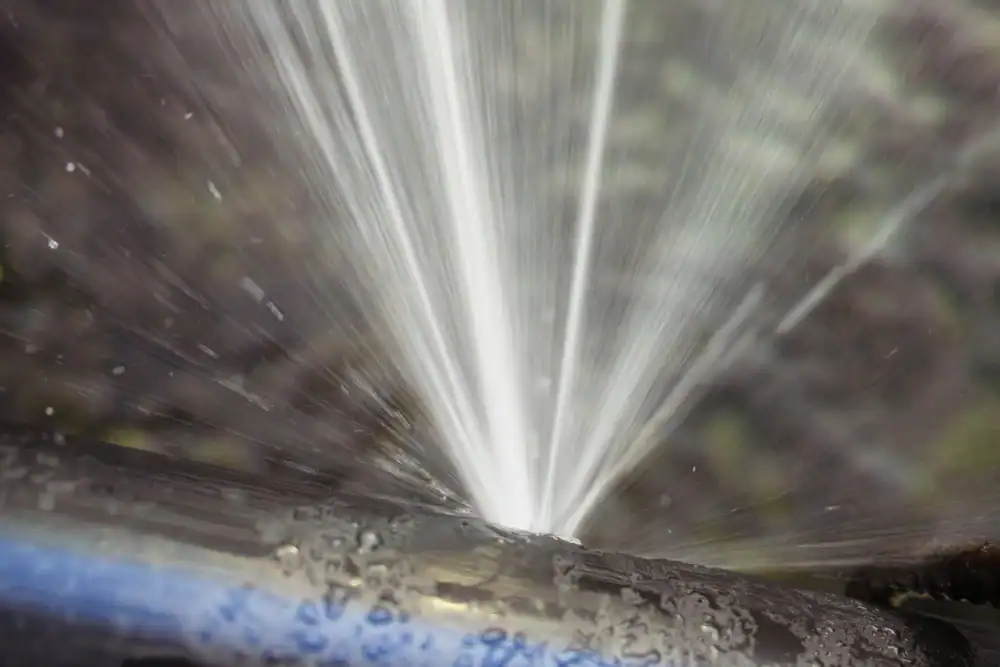
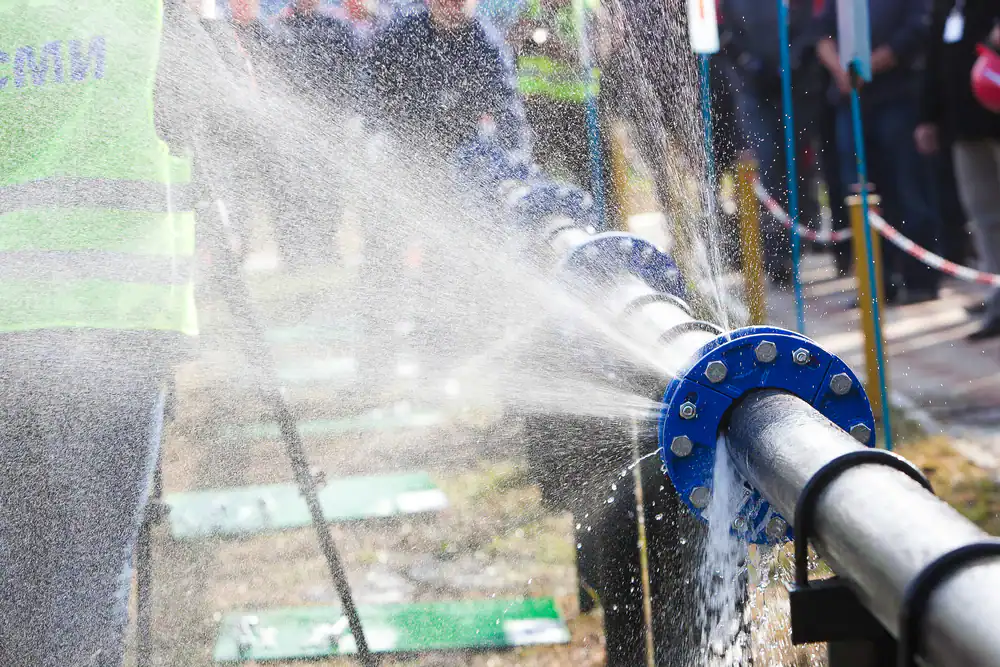
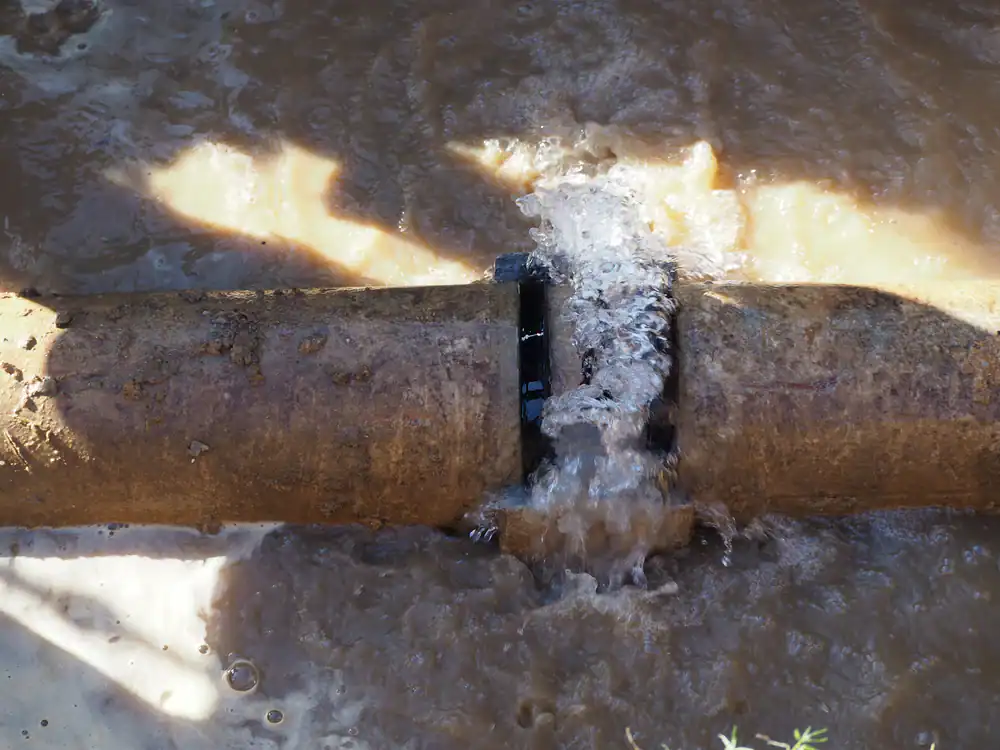
When a pipe bursts in your Holbrook home, every minute counts. Water doesn’t wait for business hours, and neither do we.
You get immediate water extraction using industrial-grade equipment that most companies don’t have access to. We stop the water, assess the damage, and start the drying process within an hour of your call. Our thermal imaging technology finds moisture you can’t see, preventing mold growth that could cost thousands more down the road.
The result? Your property restored to pre-damage condition, your insurance claim handled professionally, and your life back to normal faster than you thought possible.
We’ve been serving Holbrook and Suffolk County families through water emergencies for years. We understand Long Island’s unique challenges – from aging infrastructure in older neighborhoods to the high water table that makes basements particularly vulnerable to flooding.
Our IICRC-certified technicians know how Holbrook’s winter conditions affect plumbing systems. We’ve seen how January temperatures dropping below 20°F can freeze pipes in just hours, especially in the many pre-1960 homes throughout the area.
You’re not getting a faceless corporate response team. You’re getting neighbors who live and work in this community, understand local building codes, and have relationships with area insurance adjusters.
First, we secure the scene and stop the water source. Our technicians assess the damage using advanced moisture detection equipment to map exactly where water has traveled – including areas you might not see.
Next comes water extraction using powerful pumps and vacuums, followed by strategic placement of industrial dehumidifiers and air movers. We monitor moisture levels daily until your property reaches safe drying goals.
Finally, we handle repairs and restoration. This includes everything from replacing damaged drywall to coordinating with your insurance company. We document everything thoroughly, provide detailed reports, and communicate directly with your adjuster so you don’t have to navigate the claims process alone.
Our burst pipe repair service covers the entire restoration process. You get emergency water removal, structural drying, mold prevention, and complete reconstruction when needed.
In Holbrook specifically, we see burst pipes most often in basement areas where Suffolk County’s high water table creates additional moisture challenges. Many homes in the area were built before modern insulation standards, making pipes more vulnerable during Long Island’s harsh winters.
We provide specialized services for these local conditions, including pipe insulation recommendations and preventive maintenance plans designed for Long Island’s climate. Our team understands how coastal humidity affects drying times and adjusts our equipment accordingly.
How quickly can you respond to a burst pipe emergency in Holbrook?
We provide 24/7 emergency response and typically arrive within one hour of your call. Water damage spreads rapidly – within minutes, it can reach areas far from the original leak source.
Our rapid response team carries all necessary equipment to immediately stop water flow and begin extraction. The faster we can start the mitigation process, the less damage you’ll experience and the lower your restoration costs will be. We understand that burst pipes don’t happen during convenient business hours, which is why our emergency technicians are always on standby.
Will my homeowner's insurance cover burst pipe repair and water damage?
Most homeowner’s insurance policies cover sudden and accidental water damage from burst pipes, but coverage varies depending on the cause and your specific policy terms. We work directly with all major insurance companies and handle the paperwork for you.
Our team documents all damage thoroughly with photos and detailed reports that insurance companies require. We communicate directly with your adjuster throughout the process and can often arrange direct billing so you don’t need to pay upfront costs. We’ll help you understand what’s covered and advocate for fair compensation for your losses.
What causes pipes to burst most often in Holbrook homes?
In Holbrook, freezing temperatures are the primary cause of burst pipes, especially in older homes built before 1960. When temperatures drop below 20°F – which happens 15-25 nights per year on Long Island – water inside pipes can freeze and expand, creating over 3,000 psi of pressure that cracks pipe walls.
Aging infrastructure is another major factor. Many Holbrook homes have original plumbing that’s more prone to failure under pressure. Pipes in uninsulated basements, crawl spaces, or exterior walls are particularly vulnerable. We also see issues related to Suffolk County’s high water table, which can cause additional stress on underground pipes during freeze-thaw cycles.
How long does the water damage restoration process take?
The timeline depends on the extent of damage and materials affected. Minor water damage from a small pipe leak might be resolved in 3-5 days, while major flooding can take several weeks for complete restoration.
The drying process typically takes 3-7 days, depending on humidity levels and the amount of water involved. We monitor moisture levels daily using specialized equipment until everything reaches safe drying goals. Reconstruction work – like replacing drywall, flooring, or fixtures – happens after drying is complete and can add additional time depending on the scope of damage.
Can you prevent future burst pipes in my Holbrook home?
Yes, we provide preventive maintenance recommendations specifically designed for Long Island’s climate conditions. This includes pipe insulation in vulnerable areas like basements and crawl spaces, sealing air leaks that let cold air reach pipes, and installing freeze alarms in high-risk areas.
For Holbrook homes, we often recommend keeping cabinet doors open during cold snaps to allow warm air to circulate around under-sink pipes, maintaining consistent indoor temperatures even when away, and having annual plumbing inspections before winter. We can also install pipe heating cables in extremely vulnerable areas and provide guidance on proper winterization techniques.
What should I do immediately when I discover a burst pipe?
First, shut off your main water supply immediately to stop additional water flow. The main shutoff is typically located near where the water line enters your home or by your water meter. Next, turn off electricity to affected areas if you can do so safely – never walk through standing water if electrical outlets or appliances might be energized.
Move valuable items to dry areas if possible, but don’t risk your safety. Take photos of the damage for your insurance claim, but don’t delay calling professionals. The longer water sits, the more damage it causes and the higher your restoration costs will be. Call us immediately for emergency response – we’ll walk you through any additional steps while our team is en route.