I needed a professional consultation explanation of procedure for safe removal of Asbestos in my apartment complex. Without having an account yet, I was very impressed with the caring, knowledgeable and generous advice offered by Jessica, and will look forward to doing business in the future. Thank you so much! I feel much more informed about a sometimes scary endeavor. Peace. Nancy Silva Mineola, NY.
Mia Munoz
Used this company to clean up some water flood in my house. They were fast and easy to work with.very professional, Would recommend to anyone!
Nini Valle
Great company, had a flood and they responded quickly and efficiently. Billed my insurance company directly. I highly recommend this company!
joe colapietro, jr
I had pipe freeze in my basement right before a snow storm and they made to within an hour to help start the clean up process. They we by our side throughout the entire process and even helped with the insurance company. They did such a great job with the cleanup, repair, remidiation, I contracted them to perform the repairs and finishes in the basement. They came with enough manpower and material to get the job done. Leo and Jessica were nothing but a pleasure to deal with!!
Cristian Arredondo c
I had some water damage in my home and Green Island was able to take care of my issue quickly and effectively. I am very pleased with the work they did. They responded quickly and were very professional.
Michael M
Outstanding service! From the office to the field crew everyone was friendly, helpful and responsive. I highly recommend Green Island Group.
When we’re done, you’re not just getting your pipes fixed—you’re getting your life back. No more standing water threatening your floors. No more worrying about mold growing behind your walls where you can’t see it.
Your insurance company gets handled directly by us, so you’re not stuck making phone calls while dealing with an emergency. Your home gets dried properly with industrial equipment, not fans from the hardware store that leave moisture trapped in places that matter.
You get to sleep at night knowing the job was done right the first time, by people who understand that Long Island homes face unique challenges most contractors don’t even think about.
We’ve been restoring Long Island properties for years, and we’ve seen what happens when burst pipes aren’t handled properly. We know that Islip Terrace homes, like many in Suffolk County, deal with aging infrastructure and high water tables that make basements particularly vulnerable.
We’re not some national chain that treats every job the same. We understand that your 1950s ranch house has different plumbing challenges than a newer construction, and we know which insurance adjusters actually understand Long Island property values.
Our team responds fast because we’re local, and we work with equipment that actually removes moisture from places other contractors miss—behind walls, under subfloors, in insulation that looks dry but isn’t.
First, we shut off your water and assess the damage with moisture detection equipment that finds problems you can’t see. We’re not guessing—we’re measuring moisture levels behind walls and under floors to map out exactly what needs attention.
Next, we extract standing water with powerful pumps, not shop vacuums. Then we set up industrial dehumidifiers and air movers positioned based on airflow science, not wherever there’s an outlet. We monitor moisture levels daily and adjust equipment until everything meets industry standards for dry.
Finally, we repair the pipe properly and restore any damaged areas to pre-loss condition. We document everything for your insurance company and handle the paperwork so you don’t have to become a claims expert overnight.
Your burst pipe repair includes emergency water extraction, structural drying, moisture monitoring, and full restoration of damaged areas. We don’t just fix the pipe and leave—we handle the water damage that comes with it.
In Islip Terrace, we see a lot of basement flooding from burst pipes, especially during winter months when pipes freeze. Suffolk County’s high water table means water doesn’t just disappear—it needs professional extraction and drying to prevent long-term problems.
We also handle the insurance side. Most homeowners insurance covers burst pipe water damage, and we work directly with adjusters who know our work. You get upfront pricing, direct billing when possible, and documentation that actually helps your claim instead of creating more paperwork.
How quickly can you respond to a burst pipe emergency in Islip Terrace?
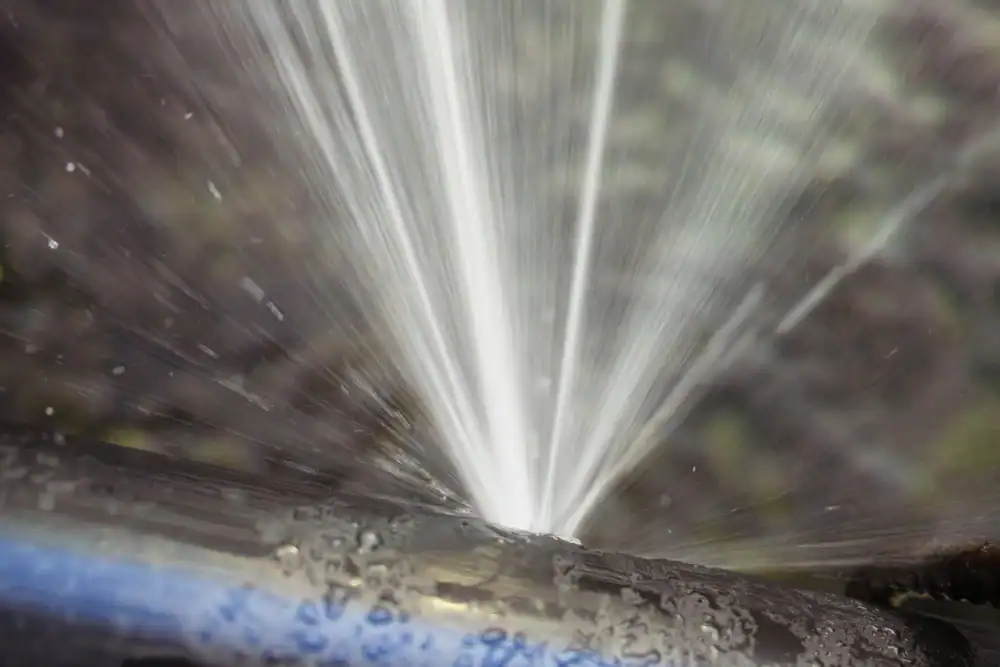
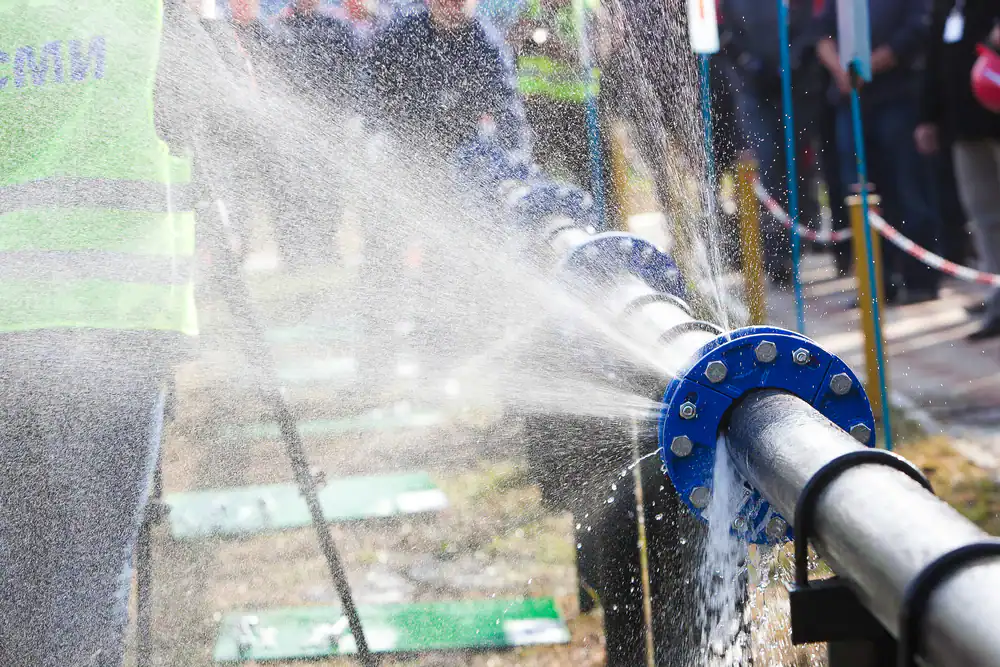
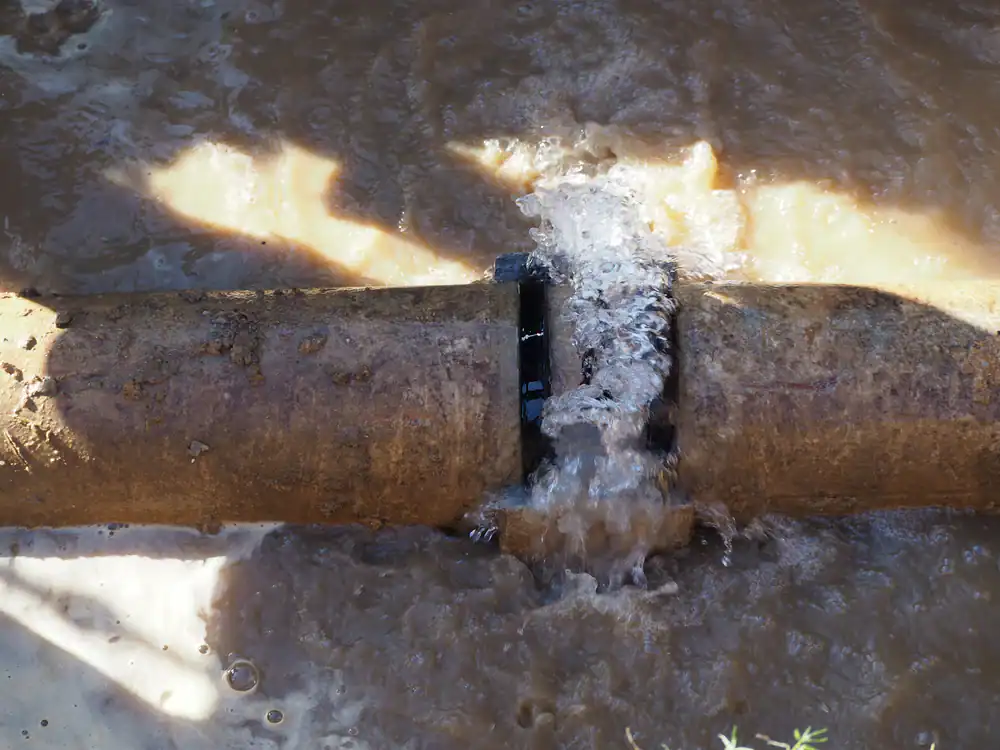
We provide 24/7 emergency response throughout Suffolk County, typically arriving within an hour of your call. Time matters with burst pipes because they can release up to 10 gallons of water per minute into your home.
Our local presence in the Long Island area means we’re not driving from Manhattan or waiting for someone to get dispatched from another county. We keep emergency equipment ready and technicians on standby specifically for situations like this.
The faster we can shut off water flow and begin extraction, the less damage you’ll face overall. Every minute counts when it comes to preventing secondary damage like mold growth or structural issues.
What does burst pipe repair cost in Islip Terrace, NY?
Burst pipe repair typically costs $150-$250 per linear foot of pipe, but the total project cost depends on water damage extent and accessibility. Simple repairs on exposed pipes cost less than pipes inside walls that require drywall removal.
Most homeowners insurance policies cover both the pipe repair and resulting water damage, which is why we handle insurance billing directly. The biggest cost factor is usually water damage cleanup, not the actual pipe repair.
We provide upfront pricing before starting work and document everything for your insurance claim. Our goal is to minimize your out-of-pocket costs while ensuring the job is done properly to prevent future problems.
Will my homeowners insurance cover burst pipe water damage?
Most homeowners insurance policies cover sudden and accidental burst pipe damage, including both the pipe repair and resulting water damage to your property. This typically includes damage to walls, floors, ceilings, and belongings.
We work directly with insurance companies and can handle the billing process for you. Our team documents damage thoroughly with photos and moisture readings that adjusters need for claims processing.
The key is acting quickly and using professional restoration services. Insurance companies want to see that you took immediate action to prevent further damage, which is exactly what our emergency response provides.
How long does burst pipe repair and water damage restoration take?
Simple pipe repairs on accessible lines take 30 minutes to 2 hours. However, complete water damage restoration typically takes 3-5 days depending on the extent of flooding and materials affected.
The drying process can’t be rushed—moisture needs to be completely removed from all affected materials to prevent mold growth. We use industrial equipment and monitor moisture levels daily until everything meets industry standards.
If extensive reconstruction is needed, that adds time to the process. But we work to get your home livable as quickly as possible while ensuring the job is done properly for long-term results.
Can you prevent mold after a burst pipe floods my home?
Yes, but only if water damage restoration begins within 24-48 hours of the incident. After that timeframe, mold spores begin growing rapidly, especially in Long Island’s humid climate.
We use industrial dehumidifiers and air movers to remove moisture from all affected materials, including hidden areas behind walls and under floors. Our moisture detection equipment finds water you can’t see, which is where mold problems typically start.
We also apply antimicrobial treatments to affected surfaces as part of the restoration process. The key is thorough drying and proper airflow management, not just removing visible water.
Why do pipes burst more often in Long Island homes?
Long Island homes face unique challenges that increase burst pipe risk. Many homes have aging infrastructure from the 1950s-70s with original plumbing that’s reaching end of life. Our high water table also puts extra pressure on basement and foundation plumbing.
Winter freeze-thaw cycles are particularly hard on pipes here, especially in unheated basements or crawl spaces. Pipes that work fine in summer can fail when temperatures drop and water expands inside them.
Suffolk County’s soil conditions can also shift over time, putting stress on underground water lines. We see this frequently in areas like Islip Terrace where homes are 50+ years old and original plumbing hasn’t been updated.