I needed a professional consultation explanation of procedure for safe removal of Asbestos in my apartment complex. Without having an account yet, I was very impressed with the caring, knowledgeable and generous advice offered by Jessica, and will look forward to doing business in the future. Thank you so much! I feel much more informed about a sometimes scary endeavor. Peace. Nancy Silva Mineola, NY.
Mia Munoz
Used this company to clean up some water flood in my house. They were fast and easy to work with.very professional, Would recommend to anyone!
Nini Valle
Great company, had a flood and they responded quickly and efficiently. Billed my insurance company directly. I highly recommend this company!
joe colapietro, jr
I had pipe freeze in my basement right before a snow storm and they made to within an hour to help start the clean up process. They we by our side throughout the entire process and even helped with the insurance company. They did such a great job with the cleanup, repair, remidiation, I contracted them to perform the repairs and finishes in the basement. They came with enough manpower and material to get the job done. Leo and Jessica were nothing but a pleasure to deal with!!
Cristian Arredondo c
I had some water damage in my home and Green Island was able to take care of my issue quickly and effectively. I am very pleased with the work they did. They responded quickly and were very professional.
Michael M
Outstanding service! From the office to the field crew everyone was friendly, helpful and responsive. I highly recommend Green Island Group.
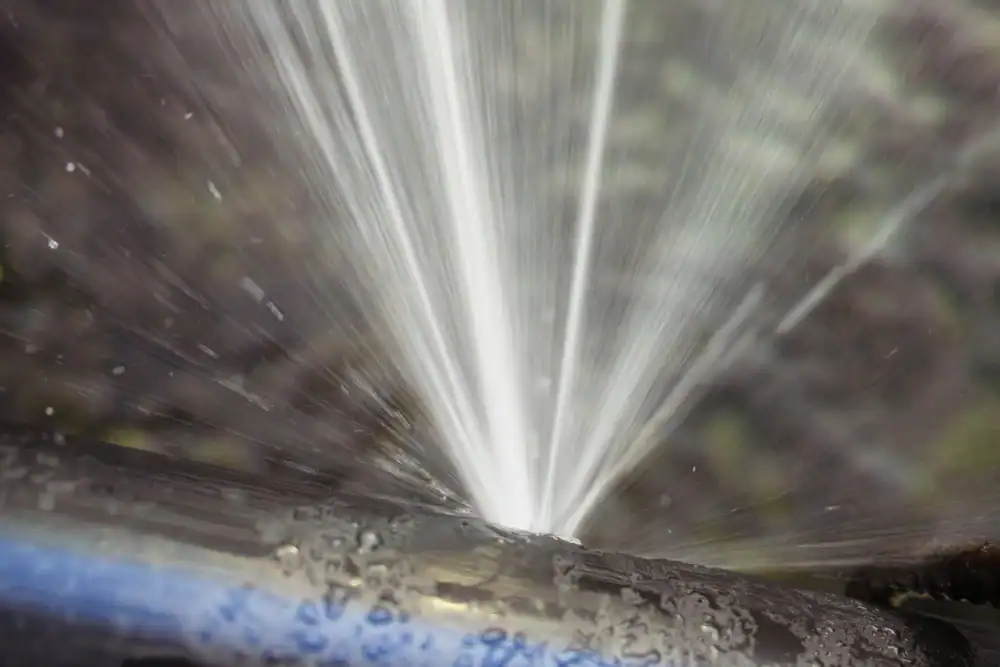
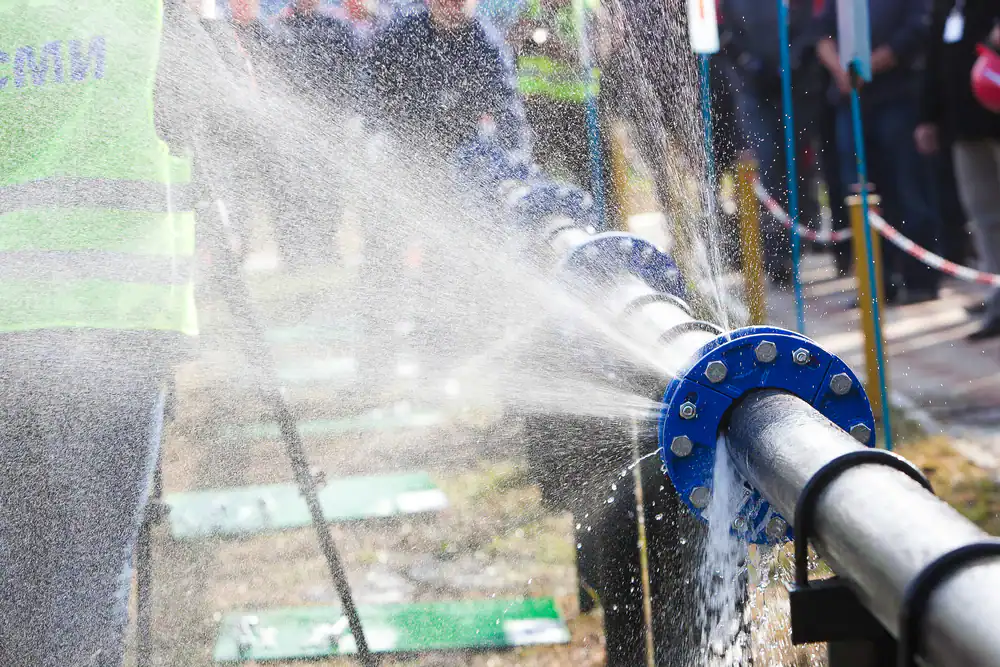
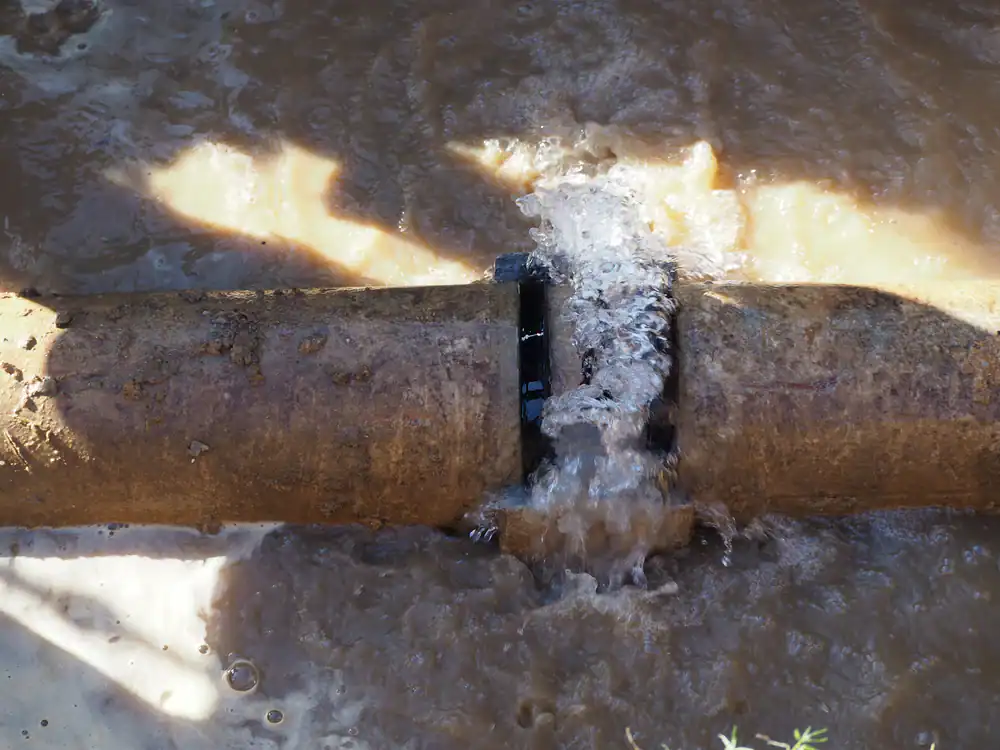
When a pipe bursts in your Mastic home, every minute counts. Water doesn’t wait—it spreads through walls, soaks into floors, and creates the perfect conditions for mold growth that can threaten your family’s health.
You get your property back to its original condition, sometimes even better. No lingering moisture hiding in walls. No musty odors months later. No surprise mold discoveries that turn into expensive remediation projects.
The chaos stops. Your normal routine returns. Your home becomes the safe, comfortable space your family deserves again.
We’ve been helping Long Island families recover from water emergencies for years. We understand the unique challenges that Mastic homeowners face—from aging infrastructure in older homes to the high water table that makes basements particularly vulnerable to flooding.
Our team knows Suffolk County properties inside and out. We’ve seen how quickly water damage can escalate in homes built decades ago, and we’ve developed proven methods to stop damage fast and restore properties completely.
When Mastic residents need water damage restoration that actually works, they call us because we’ve earned our reputation through consistent results and genuine care for our community.
First, we arrive fast—typically within an hour of your call. Our certified technicians assess the damage, locate the water source, and immediately begin water extraction using industrial-grade equipment. We don’t just remove standing water; we use advanced moisture detection technology to find hidden water that could cause problems later.
Next, we dry everything thoroughly. Our industrial dehumidifiers and air movers work around the clock to eliminate moisture from walls, floors, and structural materials. We monitor moisture levels continuously until everything meets industry standards for dryness.
Finally, we restore your property to its pre-damage condition. This includes repairing damaged materials, sanitizing affected areas, and ensuring no trace of water damage remains. Throughout the entire process, we handle your insurance paperwork and keep you informed every step of the way.
Your burst pipe repair service includes immediate emergency response, complete water extraction, structural drying, mold prevention treatment, and full property restoration. We don’t just clean up the visible water—we address the hidden moisture that causes long-term problems.
In Mastic, we see burst pipes most commonly during winter months when temperatures drop below freezing. Older homes in the area often have pipes in unheated spaces that are vulnerable to freezing. We also handle water damage from aging plumbing systems, appliance failures, and the basement flooding that’s common here due to our high water table.
Every service includes insurance claim assistance, detailed documentation of damages, and direct communication with your insurance company. Our goal is removing the stress from your situation while ensuring your property is restored properly and safely.
How quickly can you respond to a burst pipe emergency in Mastic?
We typically arrive within one hour of your call, 24/7. Water damage gets worse by the minute, so our rapid response is designed to minimize damage and start the restoration process immediately.
Our emergency response team is always on standby, equipped with industrial-grade water extraction equipment, moisture detection tools, and everything needed to stop water damage in its tracks. The faster we can begin water removal and drying, the less damage your property will sustain and the lower your overall restoration costs will be.
Will my homeowner's insurance cover burst pipe water damage repair?
Most homeowner’s insurance policies cover burst pipe damage as long as basic preventive measures were taken. We work directly with all major insurance companies and handle the entire claims process for you.
Our team provides detailed documentation, photos, and reports that insurance companies need to process your claim quickly. We understand exactly what insurers require and present your claim in a way that maximizes your coverage. Many of our customers pay little to nothing out of pocket because we know how to work with insurance companies effectively.
What's the difference between water damage cleanup and full restoration?
Cleanup just removes visible water and damaged materials. Full restoration returns your property to its pre-damage condition—or better. There’s a big difference, and it matters for your family’s safety and your property’s value.
Proper restoration includes moisture detection to find hidden water, industrial drying to prevent mold growth, antimicrobial treatments to eliminate bacteria, and complete repair of damaged structures. We don’t just make it look good; we make it safe and ensure the damage won’t cause problems months or years later. Many companies only do cleanup, leaving you vulnerable to mold and structural issues down the road.
How long does burst pipe water damage restoration take?
Most residential water damage restoration takes 3-7 days, depending on the extent of damage and materials affected. Emergency water removal starts immediately, but complete drying and restoration take time to do properly.
We monitor moisture levels throughout the process and won’t consider the job complete until everything meets industry standards for dryness. Rushing the drying process leads to mold problems later, so we take the time needed to do it right. We’ll keep you informed throughout the process and work around your schedule as much as possible to minimize disruption to your family’s routine.
Can you prevent mold growth after water damage?
Yes, when water damage is addressed properly within 24-48 hours, mold growth can be prevented. Our rapid response and thorough drying process are specifically designed to eliminate the conditions mold needs to grow.
We use industrial dehumidifiers, air movers, and antimicrobial treatments to ensure affected areas are completely dry and sanitized. Our moisture detection equipment finds hidden water that could cause mold problems weeks later. If we find existing mold during our assessment, we’re also licensed for mold remediation and can handle that as part of your restoration project.
Why do burst pipes happen so often in Mastic homes?
Mastic has many older homes with aging plumbing systems, and our Long Island location means pipes freeze during winter months. Many homes here have pipes in unheated basements, crawl spaces, or exterior walls that are vulnerable when temperatures drop.
The high water table in our area also puts extra pressure on underground pipes, and decades of freeze-thaw cycles can weaken pipe joints and connections. We see burst pipes most commonly from December through March, but aging infrastructure means pipe failures can happen any time of year. Regular plumbing inspections and proper insulation can help prevent many burst pipe emergencies.