I needed a professional consultation explanation of procedure for safe removal of Asbestos in my apartment complex. Without having an account yet, I was very impressed with the caring, knowledgeable and generous advice offered by Jessica, and will look forward to doing business in the future. Thank you so much! I feel much more informed about a sometimes scary endeavor. Peace. Nancy Silva Mineola, NY.
Mia Munoz
Used this company to clean up some water flood in my house. They were fast and easy to work with.very professional, Would recommend to anyone!
Nini Valle
Great company, had a flood and they responded quickly and efficiently. Billed my insurance company directly. I highly recommend this company!
joe colapietro, jr
I had pipe freeze in my basement right before a snow storm and they made to within an hour to help start the clean up process. They we by our side throughout the entire process and even helped with the insurance company. They did such a great job with the cleanup, repair, remidiation, I contracted them to perform the repairs and finishes in the basement. They came with enough manpower and material to get the job done. Leo and Jessica were nothing but a pleasure to deal with!!
Cristian Arredondo c
I had some water damage in my home and Green Island was able to take care of my issue quickly and effectively. I am very pleased with the work they did. They responded quickly and were very professional.
Michael M
Outstanding service! From the office to the field crew everyone was friendly, helpful and responsive. I highly recommend Green Island Group.
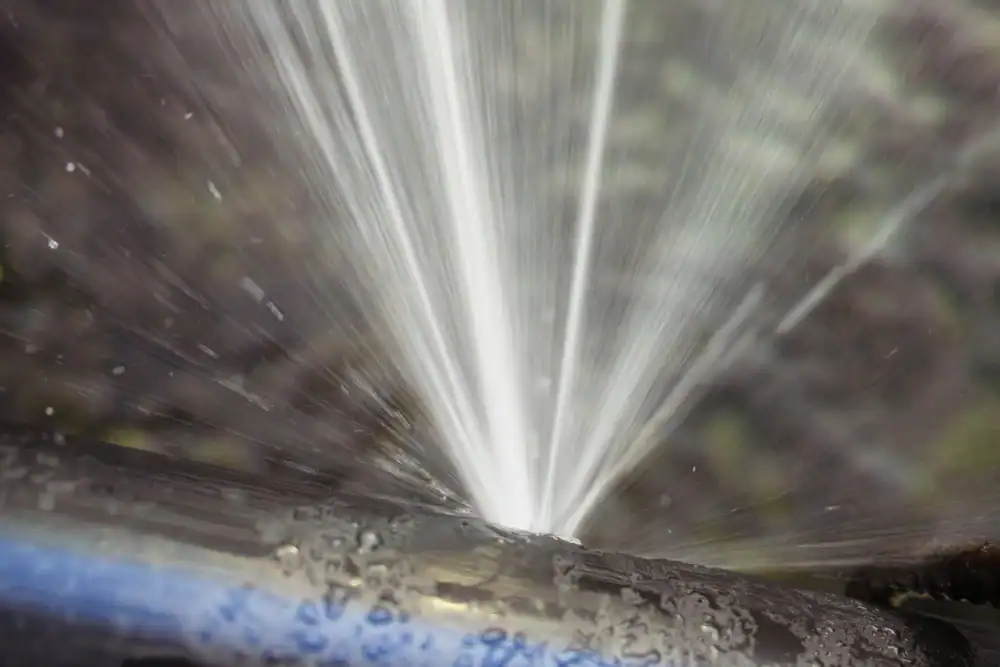
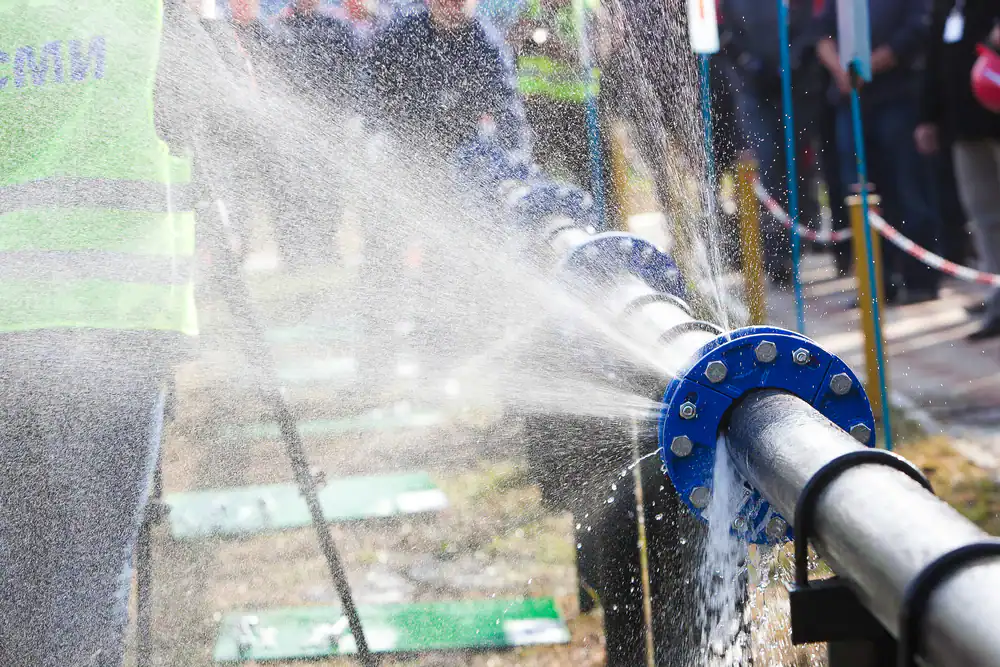
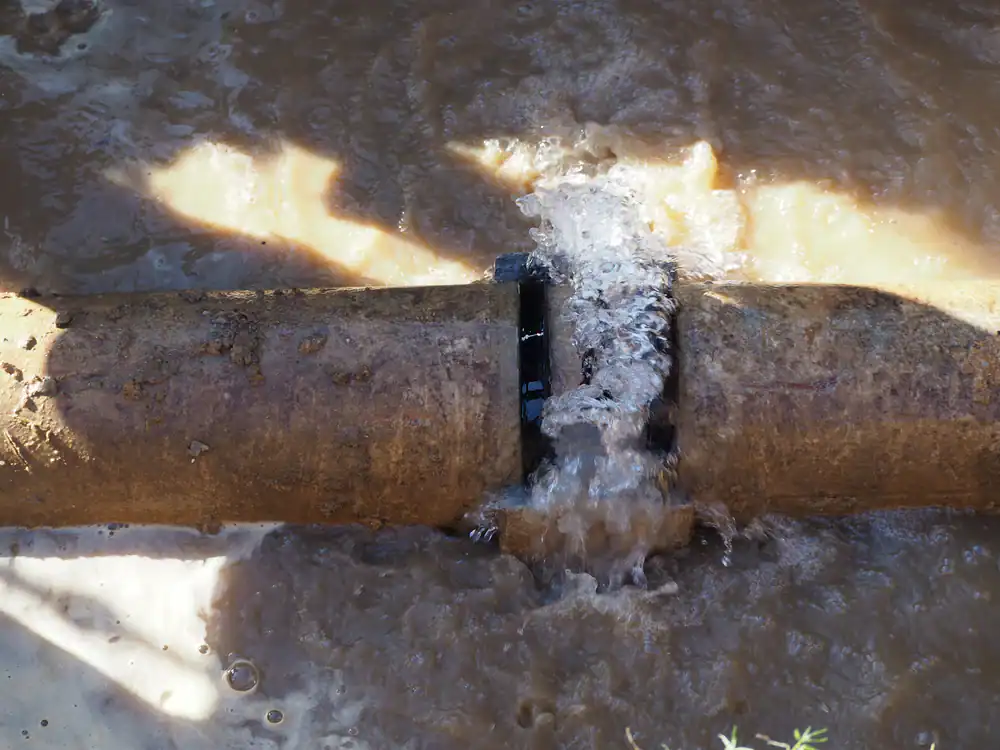
A burst pipe doesn’t have to ruin your week. You get your space back, dry and safe, without the lingering moisture that breeds mold or the structural damage that comes from waiting.
Your floors stay solid. Your walls stay intact. Your belongings stay salvageable.
Most importantly, you avoid the expensive nightmare of hidden water damage that shows up months later as rotting wood, buckled floors, or black mold growing behind your walls.
Green Island Group has handled water emergencies across Long Island for years. We understand what Mitchell Field homeowners face – from aging infrastructure in older homes to the high water tables that make basements particularly vulnerable to flooding.
Our team arrives with industrial-grade equipment, not basic shop vacuums. We work directly with insurance companies and handle the paperwork, so you don’t get stuck with surprise bills during an emergency.
When Mitchell Field residents need water damage restoration that actually works, they call us because we’ve proven ourselves in the toughest situations.
First, we stop the water source and secure the area. No point in cleanup if water keeps flowing.
Next comes extraction – we remove standing water using high-powered pumps and industrial vacuums. Then we identify hidden moisture with thermal imaging technology that shows us exactly where water has traveled, even behind walls and under floors.
The drying process uses commercial-grade dehumidifiers and air movers positioned strategically throughout your space. We monitor moisture levels daily and adjust equipment as needed until everything reads completely dry.
Finally, we clean, disinfect, and restore damaged areas back to their original condition.
Your burst pipe repair includes complete water extraction, structural drying, and restoration work. We handle everything from emergency response to final repairs.
Mitchell Field homes face unique challenges. The area’s older housing stock often has plumbing that’s decades old, making burst pipes more likely during temperature swings. Our high water table means basement flooding can happen even from small leaks.
We arrive typically within an hour of your call, equipped with moisture meters, thermal imaging cameras, and industrial drying equipment. You get detailed documentation for insurance claims, direct billing when possible, and a team that understands Long Island properties inside and out.
How quickly can you respond to a burst pipe emergency in Mitchell Field?
We typically arrive within one hour of your call, often sooner for emergencies. Time matters with burst pipes because water damage gets exponentially worse the longer it sits.
Every minute counts when you’re dealing with hundreds of gallons of water flooding your home. Our trucks are equipped and ready to go 24/7, and we understand that pipe bursts don’t wait for convenient business hours.
The faster we can stop the source, extract the water, and begin the drying process, the more of your property we can save and the less expensive your restoration becomes.
Will my homeowners insurance cover burst pipe damage in Mitchell Field?
Most homeowners insurance policies cover sudden, unexpected water damage from burst pipes. The key word is “sudden” – if you knew about a slow leak and didn’t fix it, coverage might be denied.
We work directly with insurance companies and handle the documentation process. This includes detailed moisture readings, photos of affected areas, and equipment logs that insurers require for claims processing.
Our experience with Long Island insurance companies means we know exactly what documentation they need, which speeds up your claim approval and gets you back to normal faster.
What causes pipes to burst in Mitchell Field homes?
Mitchell Field’s older housing stock makes burst pipes more common than in newer developments. Aging copper and galvanized steel pipes corrode over time, weakening at joints and connections.
Temperature fluctuations cause the biggest problems. When pipes freeze during cold snaps, ice expansion creates pressure that cracks or bursts the pipe completely. Even pipes in heated areas can freeze if they’re near exterior walls or in poorly insulated spaces.
High water pressure is another culprit. Many Long Island homes have water pressure above 60 PSI, which puts constant stress on aging pipe systems and eventually causes failures at weak points.
How do you prevent mold growth after water damage?
Mold prevention starts with complete moisture removal within 24-48 hours. We use industrial dehumidifiers and air movers to create airflow that pulls moisture from materials before mold can establish itself.
Our thermal imaging cameras detect hidden moisture in walls, under floors, and in ceiling cavities where mold typically starts growing. We don’t just dry surfaces – we ensure structural materials like wood framing and insulation are completely dry.
If materials are too saturated to dry properly, we remove and replace them. This includes drywall, insulation, and flooring that’s absorbed too much water to salvage safely.
What's the difference between water damage restoration and just cleaning up?
Cleanup removes visible water and damaged materials. Restoration addresses the hidden problems that cause expensive issues later – moisture trapped in walls, contaminated air systems, and structural damage you can’t see.
Professional restoration uses specialized equipment like moisture meters, thermal imaging, and commercial-grade drying systems. We monitor humidity levels, test for complete dryness, and ensure your property is actually restored to pre-damage condition.
DIY cleanup might seem cheaper initially, but hidden moisture leads to mold growth, wood rot, and structural problems that cost far more to fix months later than proper restoration costs upfront.
How long does burst pipe restoration take in Mitchell Field?
Most burst pipe restoration takes 3-5 days for the drying process, plus additional time for any reconstruction work needed. The timeline depends on how much water was released and which materials were affected.
Emergency water extraction happens immediately – usually within hours of our arrival. Structural drying with industrial equipment typically takes 72-120 hours, depending on humidity levels and the extent of water penetration.
If reconstruction is needed – replacing drywall, flooring, or other damaged materials – that adds another few days to a week. We coordinate all phases so you’re not waiting around between steps, and we work with your schedule to minimize disruption.