I needed a professional consultation explanation of procedure for safe removal of Asbestos in my apartment complex. Without having an account yet, I was very impressed with the caring, knowledgeable and generous advice offered by Jessica, and will look forward to doing business in the future. Thank you so much! I feel much more informed about a sometimes scary endeavor. Peace. Nancy Silva Mineola, NY.
Mia Munoz
Used this company to clean up some water flood in my house. They were fast and easy to work with.very professional, Would recommend to anyone!
Nini Valle
Great company, had a flood and they responded quickly and efficiently. Billed my insurance company directly. I highly recommend this company!
joe colapietro, jr
I had pipe freeze in my basement right before a snow storm and they made to within an hour to help start the clean up process. They we by our side throughout the entire process and even helped with the insurance company. They did such a great job with the cleanup, repair, remidiation, I contracted them to perform the repairs and finishes in the basement. They came with enough manpower and material to get the job done. Leo and Jessica were nothing but a pleasure to deal with!!
Cristian Arredondo c
I had some water damage in my home and Green Island was able to take care of my issue quickly and effectively. I am very pleased with the work they did. They responded quickly and were very professional.
Michael M
Outstanding service! From the office to the field crew everyone was friendly, helpful and responsive. I highly recommend Green Island Group.
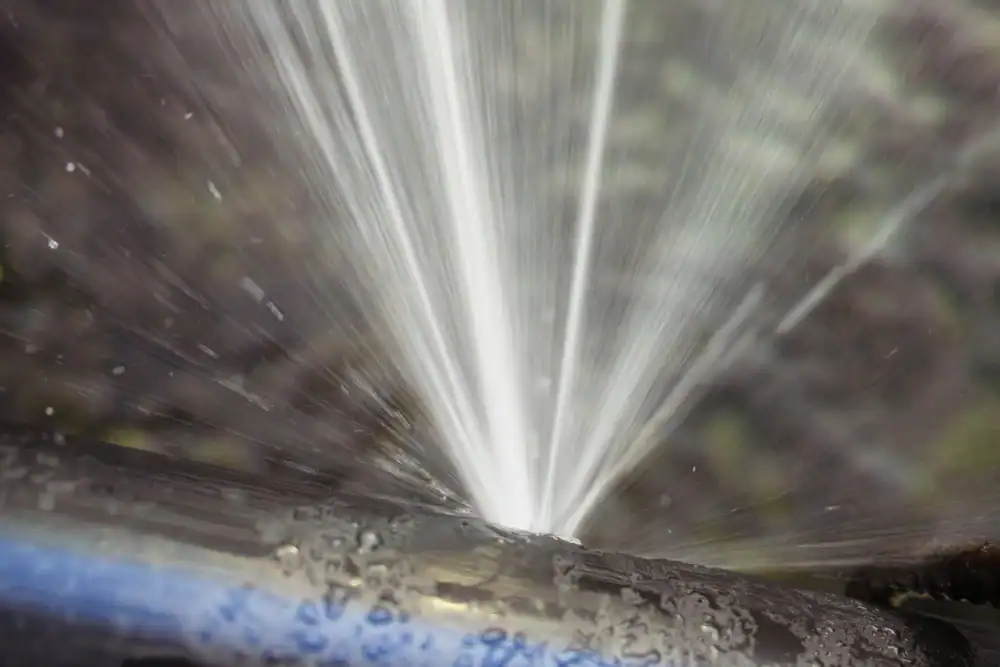
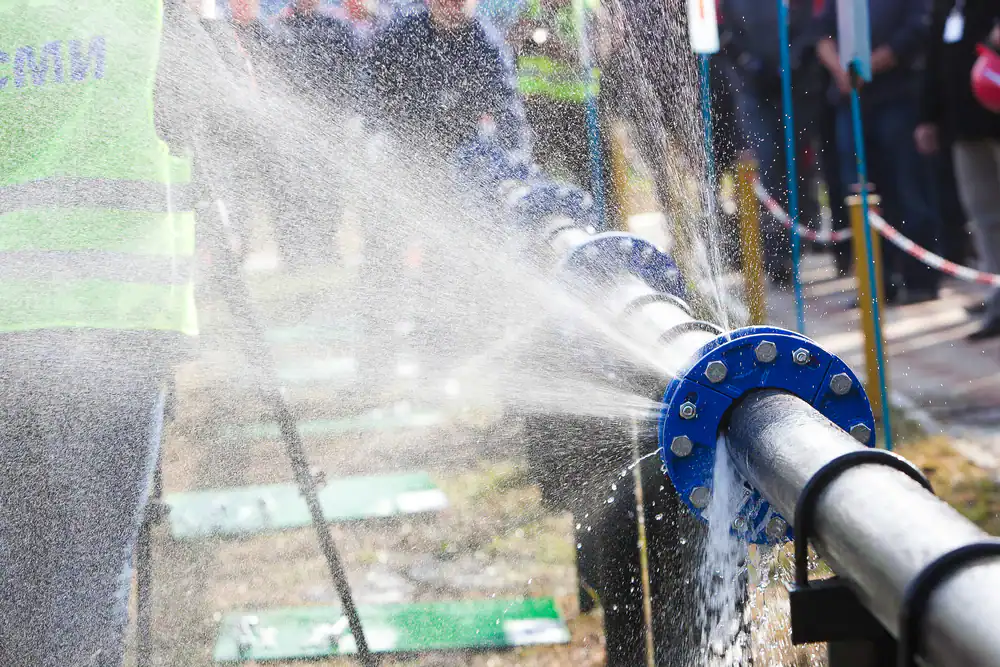
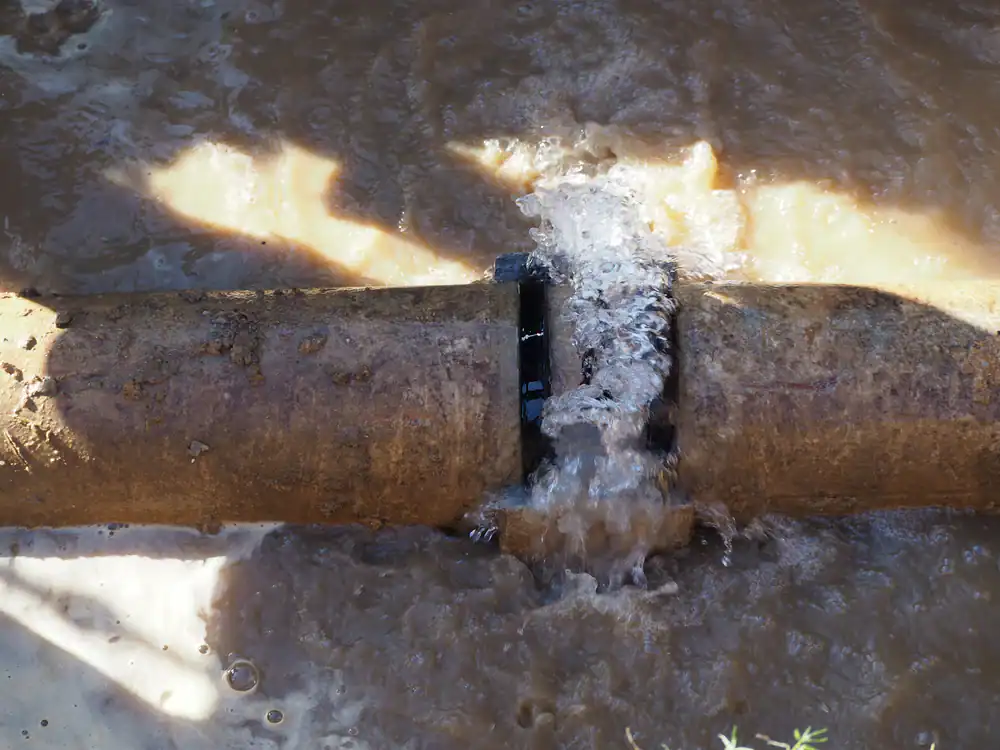
When pipes burst in your St. James home, every minute counts. Water spreads fast, soaking into walls, floors, and everything you care about. Mold starts growing within 24-48 hours if moisture isn’t completely removed.
You get immediate water extraction that stops the destruction in its tracks. Our certified technicians arrive with industrial-grade equipment—not basic shop vacuums—and restore your property to pre-damage condition. You avoid the costly mistakes that come with DIY attempts and get your life back to normal without wrestling with insurance companies alone.
We’ve handled water emergencies across Long Island for years. We understand what makes St. James homes vulnerable: aging infrastructure, harsh winters, and the high water table that makes basements flood-prone.
We’ve seen it all—from frozen pipes in poorly insulated basements to burst water lines during nor’easters. Our team knows how to navigate the complexities of Long Island properties, from older homes with original plumbing to newer constructions with modern systems. We work directly with all major insurance companies and handle the paperwork so you can focus on getting your life back together.
First, we respond immediately—usually within an hour for St. James calls. Our technicians arrive with advanced moisture detection equipment that finds hidden water behind walls and under floors that you can’t see but will cause problems later.
Next, we remove standing water using powerful extraction equipment, then deploy industrial dehumidifiers and air movers throughout affected areas. This isn’t just about getting visible water out—it’s about eliminating every trace of moisture before mold has a chance to start growing.
Finally, we restore damaged areas to their original condition. Drywall, flooring, trim work—whatever gets damaged gets repaired or replaced. You’re not left with a half-finished job or lingering moisture problems.
St. James winters are tough on plumbing. When temperatures drop below freezing, water expands inside pipes and creates pressure that cracks even sturdy copper lines. Older homes in the area—especially those built before 1980—face higher risks because of aging pipe materials and insufficient insulation.
Our complete service handles everything from the initial emergency response to final restoration. We extract standing water, dry all affected materials, prevent mold growth, and repair structural damage. Most importantly, we file insurance claims directly so you’re not stuck paying thousands upfront during an already stressful situation.
Long Island’s coastal location and changing weather patterns make water damage unfortunately common here. That’s exactly why we’ve built our entire operation around fast response times and comprehensive restoration that gets the job done right the first time.
How quickly can you respond to a burst pipe emergency in St. James?
We guarantee response within one hour for emergency calls in St. James and surrounding Nassau County areas. Our technicians are on call 24/7, including holidays and weekends, because burst pipes don’t wait for convenient times.
Time is absolutely critical with burst pipes. Severe water damage can occur within 48 hours, and mold starts growing even sooner in Long Island’s humid climate. The faster we can stop the water flow and start extraction, the less damage you’ll face and the lower your repair costs will be. We’ve responded to pipe emergencies during blizzards, at 3 AM, and during major storms—whenever you need us, we’ll be there.
Will my homeowner's insurance cover burst pipe repair and water damage?
Most homeowner’s insurance policies cover burst pipes and resulting water damage, as long as you took basic preventive measures like keeping your heat on during winter. Coverage typically includes water extraction, drying, and replacement of damaged materials like drywall, flooring, and personal belongings.
We handle all the insurance paperwork and work directly with your carrier, so you don’t pay anything upfront during the emergency. Our team knows exactly what documentation insurance companies need and how to present your claim for maximum coverage. We’ve filed thousands of water damage claims across Long Island and know how to get you the settlement you deserve.
What should I do immediately when I discover a burst pipe?
Shut off your main water valve immediately—this is usually located where the water line enters your house, often in the basement or near your water meter outside. Then turn on all faucets to drain remaining water from the pipes and prevent more water from pouring out of the burst section.
If water is near electrical outlets, turn off electricity to those areas for safety. Take photos of the damage for insurance purposes, then call us right away. Don’t try to fix the pipe yourself unless it’s a tiny pinhole leak you can temporarily patch. Professional repair is almost always necessary, and attempting DIY fixes often makes the problem worse and can void your insurance coverage.
How do you prevent mold growth after water damage from burst pipes?
Mold prevention starts with speed and thoroughness. We use industrial-grade dehumidifiers, air movers, and moisture meters to ensure every trace of water is eliminated from walls, floors, and other materials. Mold can start growing within 24-48 hours in Long Island’s humid climate, so we implement aggressive drying techniques immediately.
We also use EPA-approved antimicrobial treatments on all affected surfaces to kill any existing mold spores and prevent future growth. Our moisture detection equipment finds hidden water that you can’t see but that will cause mold problems later if not properly addressed. The key is complete moisture elimination—not just surface drying.
What makes Long Island homes particularly vulnerable to burst pipes?
Long Island’s harsh winters combined with aging infrastructure create perfect conditions for pipe failures. Many homes in St. James were built before modern insulation standards, leaving pipes in basements, crawl spaces, and exterior walls vulnerable to freezing temperatures.
The area’s high water table also means basements stay damp and cold, increasing freeze risk for pipes running through foundation walls. Add in the fact that many homes still have original plumbing from the 1960s and 70s, and you’ve got a recipe for winter pipe emergencies. Coastal storms and power outages that knock out heating systems make the problem even worse during severe weather events.
How much does burst pipe repair typically cost in the St. James area?
Burst pipe repair costs vary significantly based on location and pipe material. Simple repairs to accessible copper or PVC pipes typically run $150-500, while pipes behind walls or in difficult locations can cost $500-1,500 including drywall repair and restoration.
Emergency calls during nights, weekends, or storms cost more than regular business hours, but the extra expense is usually worth it to prevent extensive water damage. Most importantly, if your insurance covers the damage—which it usually does—you won’t pay these costs out of pocket. We work directly with insurance companies and handle billing, so your main concern is getting your home back to normal, not managing repair expenses.