I needed a professional consultation explanation of procedure for safe removal of Asbestos in my apartment complex. Without having an account yet, I was very impressed with the caring, knowledgeable and generous advice offered by Jessica, and will look forward to doing business in the future. Thank you so much! I feel much more informed about a sometimes scary endeavor. Peace. Nancy Silva Mineola, NY.
Mia Munoz
Used this company to clean up some water flood in my house. They were fast and easy to work with.very professional, Would recommend to anyone!
Nini Valle
Great company, had a flood and they responded quickly and efficiently. Billed my insurance company directly. I highly recommend this company!
joe colapietro, jr
I had pipe freeze in my basement right before a snow storm and they made to within an hour to help start the clean up process. They we by our side throughout the entire process and even helped with the insurance company. They did such a great job with the cleanup, repair, remidiation, I contracted them to perform the repairs and finishes in the basement. They came with enough manpower and material to get the job done. Leo and Jessica were nothing but a pleasure to deal with!!
Cristian Arredondo c
I had some water damage in my home and Green Island was able to take care of my issue quickly and effectively. I am very pleased with the work they did. They responded quickly and were very professional.
Michael M
Outstanding service! From the office to the field crew everyone was friendly, helpful and responsive. I highly recommend Green Island Group.
You walk into a dry, safe space where the flood never happened. Your floors are solid again. The air smells clean, not musty. Your basement is usable storage, not a health hazard waiting to happen.
That’s what proper flood restoration looks like. No lingering moisture hiding behind walls. No mold growing in places you can’t see. No structural damage that costs you thousands down the road.
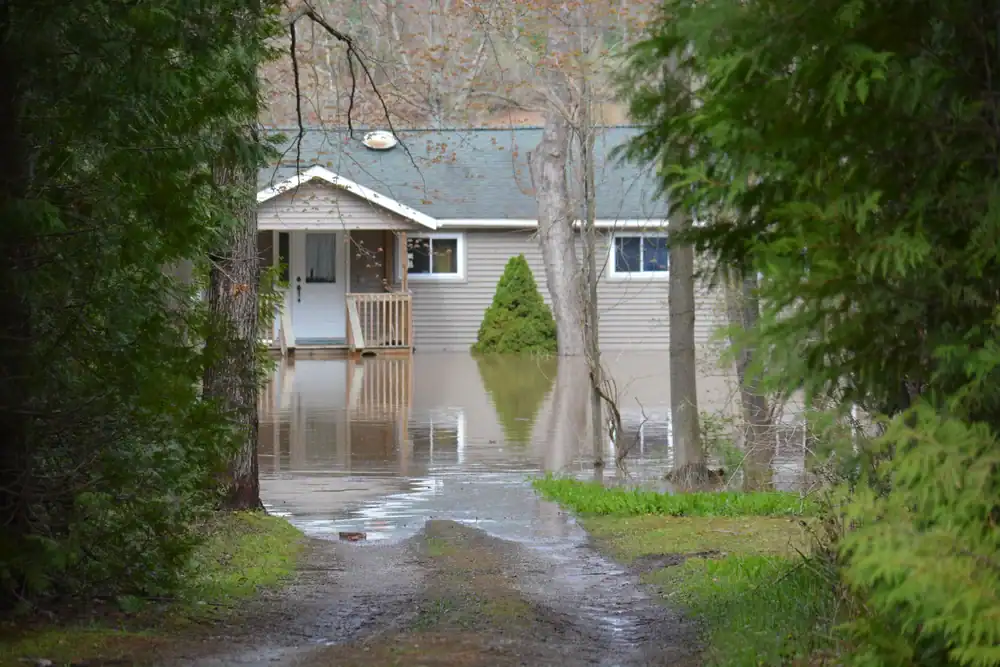
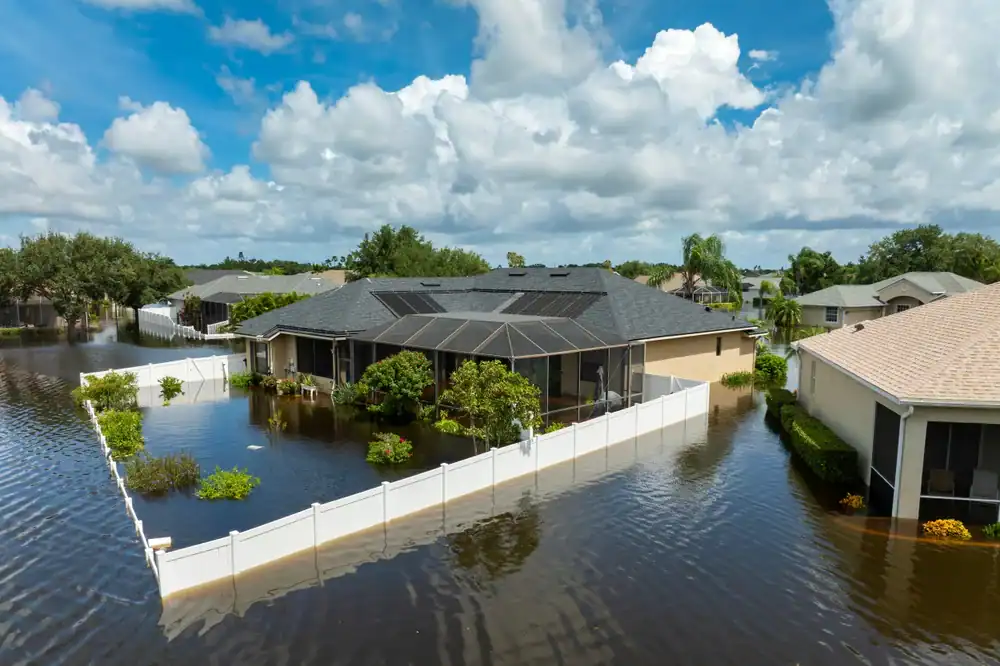
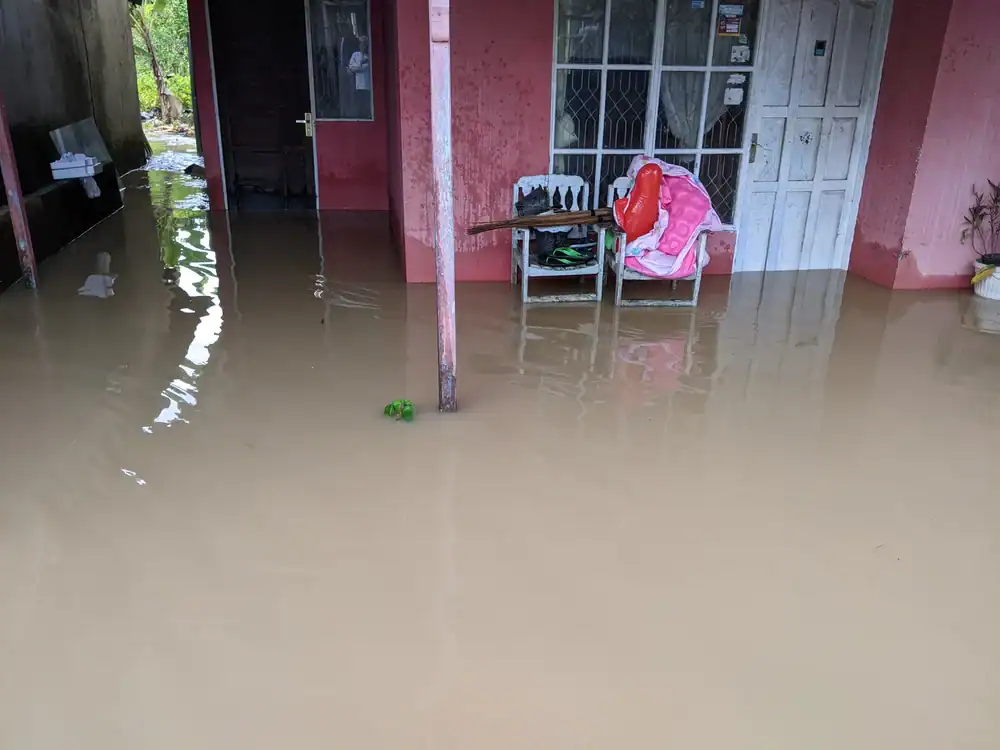
When water invades your Addisleigh Park home, every hour counts. The difference between a quick cleanup and months of headaches comes down to one thing: getting the right team there fast with the right equipment.
We’ve been handling water emergencies in Addisleigh Park and Queens for years. Over 5,000 restoration projects across New York State have taught us something: every flood is different, but the solution is always the same—act fast, do it right, and don’t leave until it’s done.
Queens has unique challenges. Older homes with aging plumbing. High water tables that make basements vulnerable. Storm systems that can overwhelm drainage in minutes. We’ve seen it all, and we know exactly how to handle what Addisleigh Park throws at us.
Our trucks are stocked with industrial-grade equipment that most companies don’t have. Our technicians know the difference between surface water and the moisture that hides in walls. And when your insurance company needs documentation, we speak their language.
First, we assess the damage. Not just what you can see—we use moisture detection equipment to find water that’s hiding in walls, under floors, and in spaces you’d never think to check. This tells us exactly what we’re dealing with.
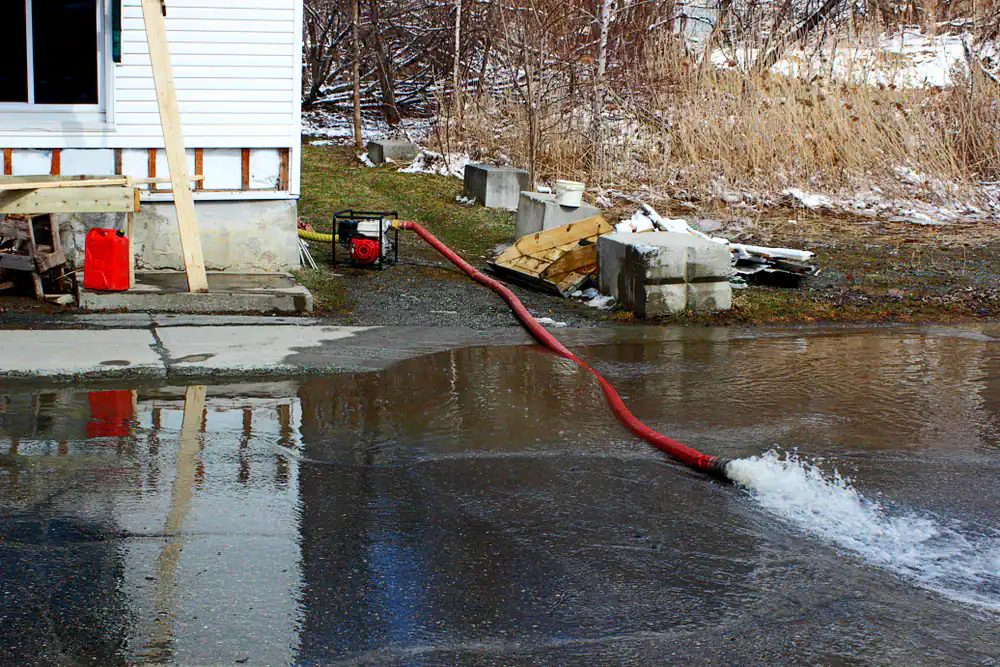
Next comes water extraction. We bring in powerful pumps and vacuums designed for rapid removal. But it’s not just about getting standing water out—we’re targeting the moisture that causes long-term problems.
Then we dry everything thoroughly. Industrial-grade dehumidifiers and air movers run until our moisture meters confirm every affected area is completely dry. This is where most DIY attempts fail and where cheap restoration companies cut corners.
Finally, we restore damaged areas. Depending on what the water damaged, this might mean replacing drywall, treating affected wood, or handling more extensive repairs. We don’t consider the job done until your property is back to its pre-damage condition.
Every flood restoration job includes complete water extraction using professional-grade equipment, thorough moisture detection to find hidden water, and industrial drying that prevents mold growth. We document everything for your insurance claim and handle the paperwork so you don’t have to.
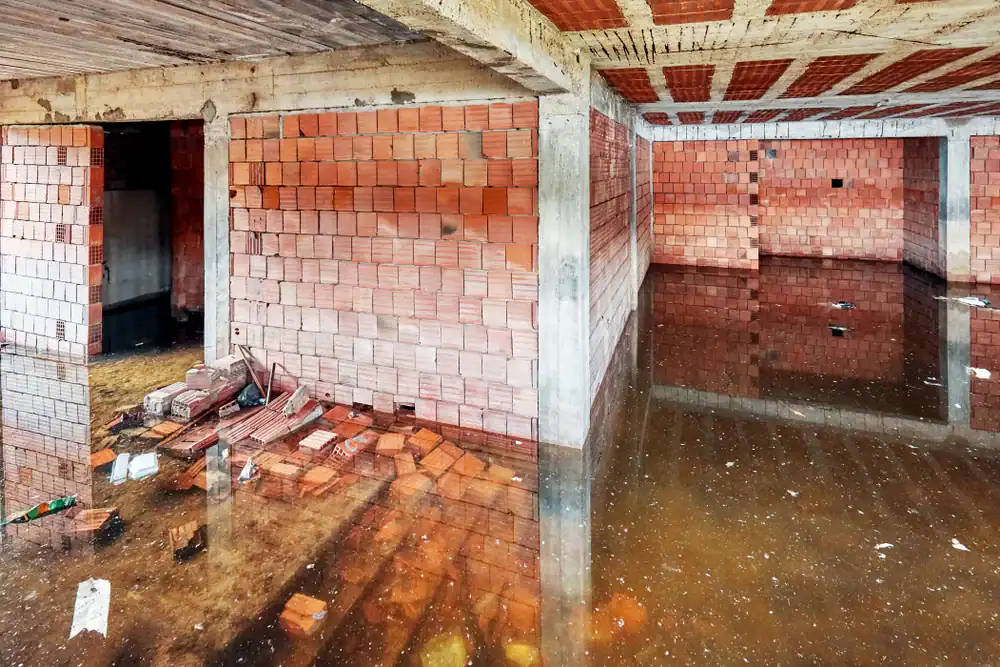
In Addisleigh Park, we see basement flooding from heavy rains, pipe bursts in older homes, and drainage backups during storms. Each situation requires different equipment and techniques. That’s why we stock our trucks with everything from submersible pumps for deep water to specialized drying mats for hardwood floors.
Queens homeowners deal with unique challenges. The high water table means basement moisture can return if not handled properly. Older building materials absorb water differently than modern construction. We adjust our approach based on your specific situation and the type of property you have.
You’ll get 24/7 emergency response, direct insurance billing when possible, and clear communication about what we’re doing and why. No surprises, no hidden costs, and no leaving the job half-finished.
How quickly can you respond to a flood emergency in Addisleigh Park?
We’re available 24/7 and typically arrive within an hour of your call. Speed matters in flood situations—the longer water sits, the more damage it causes and the higher your restoration costs become.
Our trucks are already stocked with equipment, so we can start water extraction immediately upon arrival. We don’t need to go back to the shop for supplies or wait until business hours. When you call, we roll.
For Addisleigh Park residents, this quick response is critical. Queens’ high water table and older infrastructure mean water damage can escalate fast. Getting professional help immediately can save thousands in additional damage and prevent mold growth that creates health risks.
Will my insurance cover flood restoration services in my home?
Most homeowner’s insurance policies cover sudden water damage from things like burst pipes, appliance failures, or roof leaks. However, flood damage from external sources like heavy rains or storm surge typically requires separate flood insurance.
We handle insurance claims regularly and can work directly with your insurance company when coverage applies. We document everything, take photos, and provide the detailed reports adjusters need to process claims quickly.
If you’re not sure about your coverage, we can help you understand what’s covered and what isn’t. We’ve worked with virtually every insurance company and know how to present claims in a way that maximizes your benefits. Many customers are surprised to learn their coverage is better than they thought.
What's the difference between water damage and flood damage restoration?
Water damage typically refers to clean water from sources like burst pipes, leaking appliances, or roof leaks. Flood damage involves water that’s been contaminated—either from external flooding, sewage backups, or water that’s been sitting long enough to become contaminated.
The restoration process is different for each type. Clean water damage focuses on extraction and drying. Flood damage requires additional sanitization and often involves removing contaminated materials that can’t be safely cleaned.
In Addisleigh Park, we handle both situations regularly. Storm flooding brings contaminated water that requires special handling. Basement flooding from heavy rains often involves sewage contamination. We have the equipment and training to handle whatever type of water damage you’re facing safely and effectively.
How do you prevent mold growth after flood damage?
Mold prevention starts with rapid water extraction and thorough drying. Mold can begin growing within 24-48 hours in the right conditions, so speed is essential. We use industrial dehumidifiers and air movers to remove moisture from the air and affected materials.
But surface drying isn’t enough. We use moisture meters to check inside walls, under flooring, and in other hidden areas where moisture can linger. If we find elevated moisture levels, we continue drying until readings return to normal.
In Queens’ humid climate, this process is especially important. The combination of high humidity and older construction materials creates ideal conditions for mold growth. We don’t consider a job complete until moisture levels are documented as safe throughout the affected area.
What should I do immediately after discovering flood damage?
First, ensure your safety. Turn off electricity to affected areas if you can do so safely from your circuit breaker. Don’t wade through standing water if electrical outlets might be submerged.
Next, try to stop the water source if possible. For burst pipes, locate your main water shutoff valve. For appliance leaks, turn off the appliance and its water supply. Document the damage with photos for your insurance claim, but don’t delay calling professionals.
Call us immediately at 631-256-5711. The sooner we can start water extraction, the less damage you’ll have. While you wait for our arrival, move valuable items to dry areas if you can do so safely, but don’t risk injury trying to salvage belongings in dangerous conditions.
How long does the flood restoration process typically take?
The timeline depends on the extent of damage, the type of water involved, and the materials affected. Minor water damage from a small leak might be resolved in 3-5 days, while major flooding can take several weeks for complete restoration.
The drying process typically takes 3-7 days, depending on humidity levels and the amount of water involved. After that, any necessary repairs or reconstruction begins. We provide timeline estimates after our initial assessment so you know what to expect.
For Addisleigh Park homes, factors like basement flooding, older construction materials, and the extent of contamination all affect the timeline. We work as quickly as possible while ensuring the job is done properly. Rushing the drying process to meet artificial deadlines often leads to mold problems later.