I needed a professional consultation explanation of procedure for safe removal of Asbestos in my apartment complex. Without having an account yet, I was very impressed with the caring, knowledgeable and generous advice offered by Jessica, and will look forward to doing business in the future. Thank you so much! I feel much more informed about a sometimes scary endeavor. Peace. Nancy Silva Mineola, NY.
Mia Munoz
Used this company to clean up some water flood in my house. They were fast and easy to work with.very professional, Would recommend to anyone!
Nini Valle
Great company, had a flood and they responded quickly and efficiently. Billed my insurance company directly. I highly recommend this company!
joe colapietro, jr
I had pipe freeze in my basement right before a snow storm and they made to within an hour to help start the clean up process. They we by our side throughout the entire process and even helped with the insurance company. They did such a great job with the cleanup, repair, remidiation, I contracted them to perform the repairs and finishes in the basement. They came with enough manpower and material to get the job done. Leo and Jessica were nothing but a pleasure to deal with!!
Cristian Arredondo c
I had some water damage in my home and Green Island was able to take care of my issue quickly and effectively. I am very pleased with the work they did. They responded quickly and were very professional.
Michael M
Outstanding service! From the office to the field crew everyone was friendly, helpful and responsive. I highly recommend Green Island Group.
You’re not just getting water removed. You’re getting your life back on track without the headaches most restoration jobs create.
We handle everything from the initial emergency call to the final walkthrough. Your insurance paperwork gets filed correctly the first time. Hidden moisture gets found and eliminated before it becomes a mold problem. And your property gets restored to better condition than before the flood hit.
Most importantly, you don’t have to become an expert in flood restoration overnight. We’ve been doing this in Suffolk County long enough to know exactly what works and what doesn’t.
Green Island Group has been serving Amityville and Suffolk County for years, building our reputation one successful restoration at a time. We’re not the biggest company, but we’re the one your neighbors recommend when disaster strikes.
Our technicians live and work in this community. We understand how Long Island’s coastal location and aging infrastructure create unique flood risks. More importantly, we know how to fix the problems quickly and correctly.
When you call us, you’re working with people who’ve seen every type of flood damage this area can produce – and know exactly how to handle it.
First, we assess the damage within an hour of your call. Our technicians use thermal imaging and moisture meters to find water you can’t see – the kind that causes expensive problems later if missed.
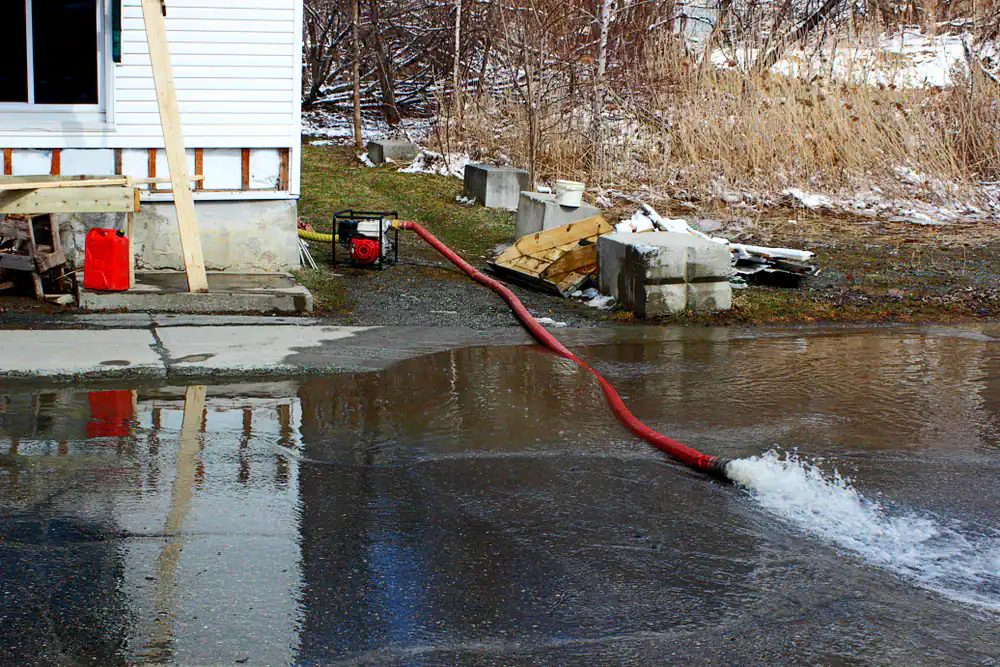
Next, we remove all standing water and begin the drying process. Industrial-grade dehumidifiers and air movers work around the clock to eliminate moisture from walls, floors, and hidden spaces. We monitor progress daily until everything tests completely dry.
Finally, we restore damaged areas to their original condition. Drywall, flooring, trim – whatever needs repair or replacement gets done right. You get detailed documentation for your insurance claim and a property that’s ready for normal use.
Your flood restoration service covers emergency water extraction, structural drying, moisture monitoring, mold prevention, and complete repairs. We also handle all insurance documentation and work directly with your carrier to streamline the claims process.
Amityville’s location on Long Island’s South Shore means properties face unique challenges from coastal storms, high water tables, and aging infrastructure. Our equipment and techniques are specifically chosen for these local conditions.
You get 24/7 emergency response, advanced moisture detection using thermal imaging, and industrial-grade drying equipment that most companies don’t have access to. Every technician is IICRC-trained and follows the latest industry standards for safe, effective restoration.
How quickly can you respond to flood damage in Amityville?
We typically arrive within one hour of your call, 24 hours a day, 7 days a week. Emergency response time is critical because every hour of delay allows water to penetrate deeper into building materials and increases your restoration costs.
Our emergency response includes immediate water extraction, moisture assessment using thermal imaging, and placement of drying equipment to prevent secondary damage. We’ve responded to flood emergencies during severe weather conditions, including snowstorms, because we understand that disasters don’t wait for convenient timing.
The faster we can begin water removal and drying, the more of your property we can save and the lower your overall restoration costs will be.
How long does flood restoration take from start to finish?
Most flood restoration projects in Amityville take 3-7 days for complete drying, depending on the extent of water damage and local humidity conditions. Minor flooding from a burst pipe might be resolved in 3-5 days, while major flooding can take several weeks for complete restoration.
The drying phase is the most critical and typically takes 3-7 days with our industrial equipment running continuously. Once everything tests completely dry, repairs and reconstruction can begin. We provide daily moisture readings so you can track progress throughout the process.
We never rush the drying process because inadequate drying leads to mold growth and structural problems later. Your timeline depends on thorough completion of each phase, not artificial deadlines.
Will you work directly with my insurance company?
Yes, we handle all insurance paperwork and work directly with your insurance company throughout the claims process. We provide detailed documentation of damages, moisture readings, and restoration progress that insurance companies require for claim approval.
Our team photographs all damage, creates detailed estimates, and communicates directly with insurance adjusters to ensure your claim is processed efficiently. We’ve worked with every major insurance carrier and understand their specific documentation requirements.
This direct billing arrangement means you don’t have to pay upfront and wait for reimbursement. We handle the financial coordination so you can focus on getting your life back to normal.
What equipment do you use for flood damage restoration?
We use industrial-grade water extraction equipment, high-powered dehumidifiers, air movers, and thermal imaging cameras for moisture detection. Our equipment is specifically designed for the humid conditions common in Long Island’s coastal climate.
Thermal imaging allows us to find hidden moisture in walls and ceilings that standard moisture meters might miss. Our dehumidifiers and air movers create controlled drying conditions that prevent mold growth while thoroughly removing moisture from all affected materials.
All equipment is regularly maintained and calibrated to ensure maximum effectiveness. We use the same professional-grade equipment that large national restoration companies use, but with the personal service of a local team.
How do you prevent mold growth after flood damage?
Mold prevention starts with immediate water removal and controlled drying within the first 24-48 hours after flood damage occurs. We use industrial dehumidifiers, air movers, and continuous moisture monitoring to create conditions where mold cannot grow.
Our technicians monitor humidity levels and moisture content in affected materials daily until everything tests completely dry. We also apply antimicrobial treatments to affected areas when necessary to prevent mold spores from developing.
Long Island’s humid climate makes mold prevention especially important. Our drying process is designed specifically for coastal conditions where humidity levels can interfere with natural drying. We don’t consider a job complete until all materials test below industry standards for moisture content.
What types of flood damage do you handle in Amityville?
We handle all types of flood damage including burst pipes, basement flooding, storm surge damage, sewage backups, and appliance leaks. Each type of water damage requires different treatment approaches and safety protocols.
Clean water damage from burst pipes requires different handling than contaminated water from sewage backups or storm flooding. Our technicians are trained to identify contamination levels and use appropriate safety equipment and cleaning procedures for each situation.
Amityville’s coastal location means we frequently handle storm surge damage and basement flooding from high water tables. We understand the unique challenges these situations create and have the specialized equipment and experience to handle them safely and effectively.