I needed a professional consultation explanation of procedure for safe removal of Asbestos in my apartment complex. Without having an account yet, I was very impressed with the caring, knowledgeable and generous advice offered by Jessica, and will look forward to doing business in the future. Thank you so much! I feel much more informed about a sometimes scary endeavor. Peace. Nancy Silva Mineola, NY.
Mia Munoz
Used this company to clean up some water flood in my house. They were fast and easy to work with.very professional, Would recommend to anyone!
Nini Valle
Great company, had a flood and they responded quickly and efficiently. Billed my insurance company directly. I highly recommend this company!
joe colapietro, jr
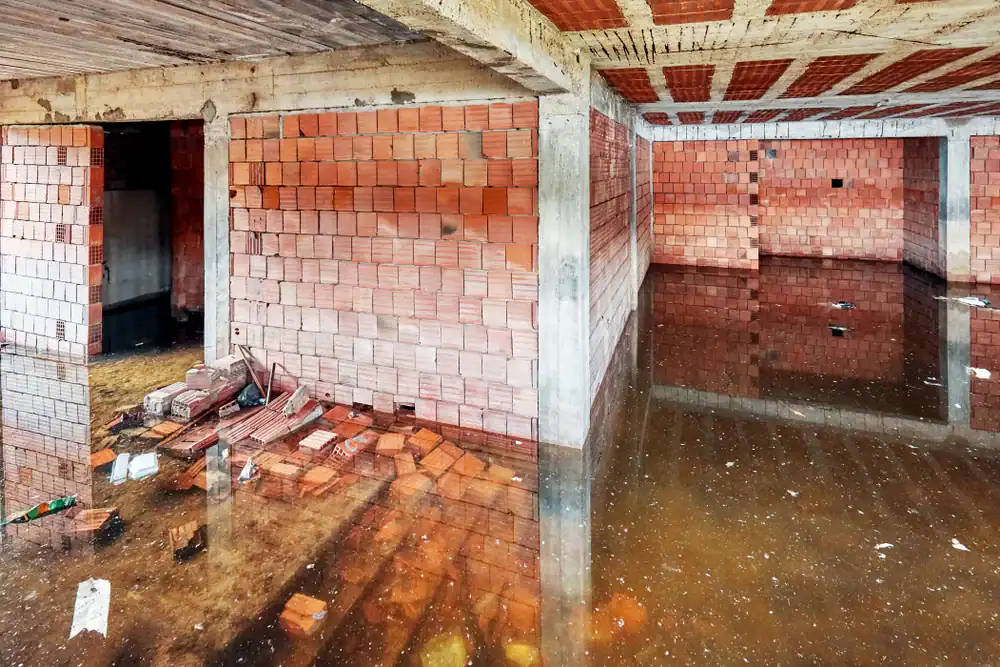
I had pipe freeze in my basement right before a snow storm and they made to within an hour to help start the clean up process. They we by our side throughout the entire process and even helped with the insurance company. They did such a great job with the cleanup, repair, remidiation, I contracted them to perform the repairs and finishes in the basement. They came with enough manpower and material to get the job done. Leo and Jessica were nothing but a pleasure to deal with!!
Cristian Arredondo c
I had some water damage in my home and Green Island was able to take care of my issue quickly and effectively. I am very pleased with the work they did. They responded quickly and were very professional.
Michael M
Outstanding service! From the office to the field crew everyone was friendly, helpful and responsive. I highly recommend Green Island Group.
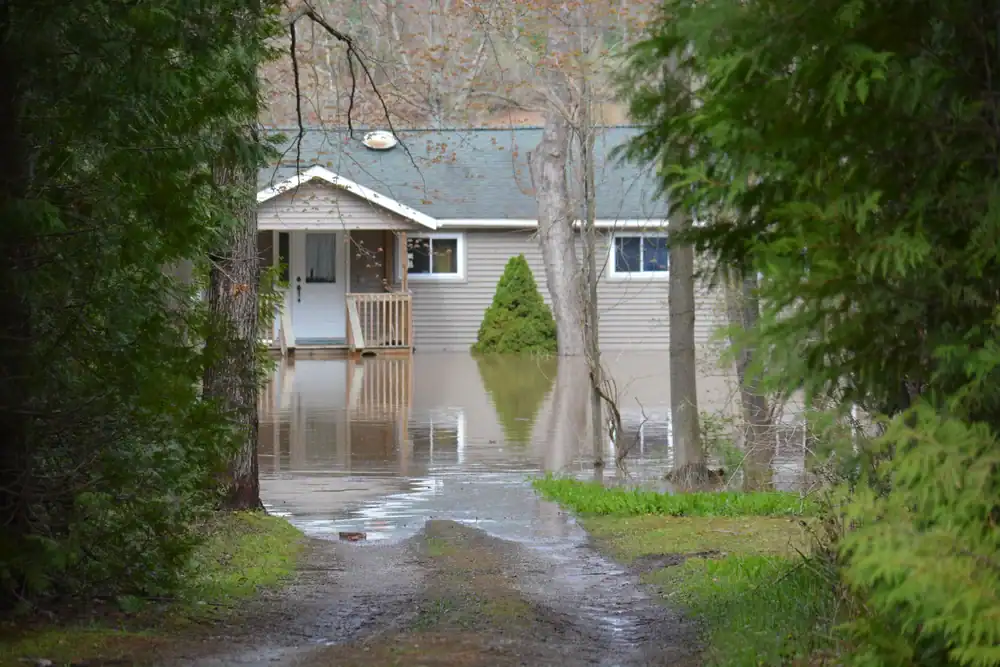
You walk back into a home that’s completely dry, structurally sound, and safe for your family. No lingering moisture hiding in walls. No mold starting to grow in corners you can’t see. No insurance paperwork nightmares because we handled everything properly from day one.
Your floors feel solid underfoot again. The air smells clean, not musty. Your basement becomes usable space again, not a source of constant worry about what’s growing behind the walls or under the flooring.
This is what professional flood restoration actually delivers—your property returned to pre-damage condition, often with improvements that make it more resilient than before. You get your peace of mind back, knowing the work was done right the first time with equipment and expertise that prevent future problems.
We’ve been helping College Point families recover from water emergencies for years. We know this neighborhood inside and out—from the older homes near the East River waterfront that face unique drainage challenges to the apartment complexes where water damage spreads fast between units through shared walls and aging plumbing.
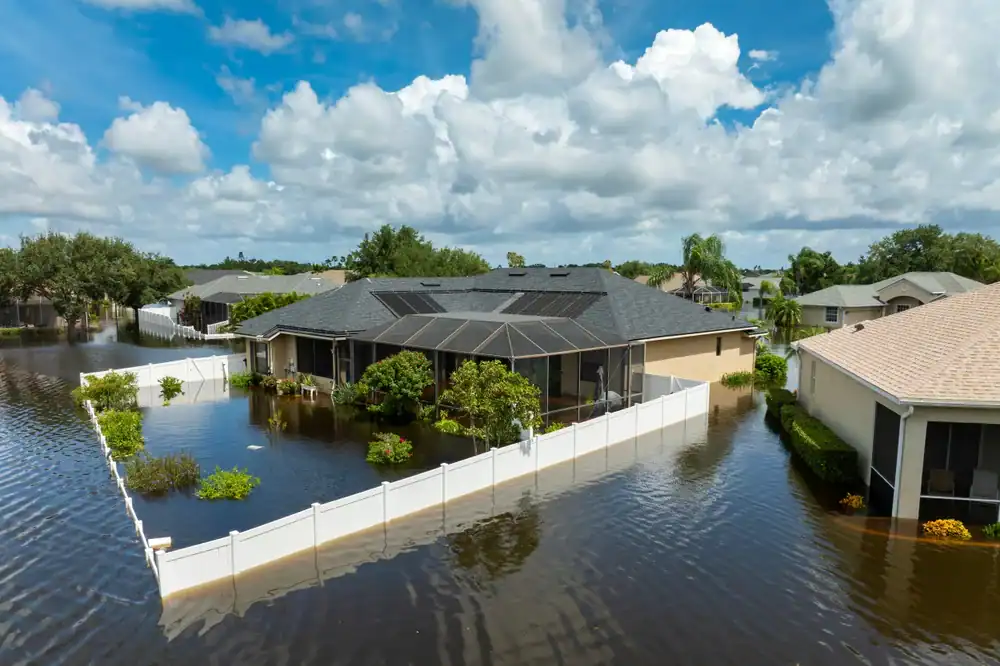
College Point sits right between the East River and Flushing Bay, which means flooding isn’t just a remote possibility here—it’s something many residents deal with regularly. We’ve restored homes after Hurricane Sandy, handled countless basement floods from high water tables, and seen how quickly a single burst pipe in these older buildings can become a multi-unit disaster.
When you call us, you get a team that knows College Point’s streets, understands the specific building challenges in this area, and has established relationships with the insurance companies that actually cover properties in Queens. We’re not learning about your neighborhood during your emergency—we already know it.
We arrive within the hour, not tomorrow morning when it’s convenient. Our team shows up with industrial-grade water extraction equipment—the kind that removes thousands of gallons per hour, not the shop vacuums other companies use. We immediately assess the full scope of damage and start removing standing water before it spreads to unaffected areas.
Next comes the detective work that separates professional restoration from amateur attempts. We use thermal imaging to identify hidden moisture that’s already traveled through walls, under floors, or into adjacent rooms. In College Point’s older buildings, water follows paths you’d never expect, seeping through original hardwood, behind plaster walls, and via outdated drainage systems that connect units in ways modern buildings don’t.
The critical phase is complete structural drying. We strategically position commercial dehumidifiers and air movers throughout affected areas, creating controlled airflow that eliminates moisture at the molecular level. This isn’t about making things look dry—it’s about removing moisture at levels that would otherwise guarantee mold growth within 24-48 hours. We monitor moisture readings continuously until everything tests completely dry, not just surface dry.
Your flood restoration service includes complete water extraction, structural drying, mold prevention, and full insurance coordination—not just the obvious cleanup work. We handle the insurance documentation that Queens residents know becomes a bureaucratic nightmare, especially when dealing with older buildings that have complicated ownership structures or multiple affected units.
College Point properties face specific restoration challenges that generic companies don’t understand. Many homes here were built before modern drainage codes, with basement foundations that weren’t designed for today’s weather patterns. The area’s proximity to water means high water tables that can cause flooding from storms that barely register in other neighborhoods. Our equipment and methods are specifically chosen for these local conditions.
You get direct insurance billing in most cases, which eliminates the cash flow problem of paying thousands upfront and waiting months for reimbursement. We work directly with every major insurer covering College Point properties and know exactly what documentation they require for Queens flood damage claims. When insurance adjusters ask questions, we have the answers and the paperwork ready.
How fast can you respond to flood emergencies in College Point?
We typically arrive within one hour of your call, available 24/7 including holidays and weekends. College Point’s location between waterways means flood damage escalates quickly here, especially in basement apartments or older buildings where water spreads between units through shared infrastructure.
Our response trucks are strategically positioned to serve Queens, and we understand that in College Point, waiting until morning or the next business day often means the difference between manageable water damage and a complete mold remediation project that costs ten times more and takes weeks to complete.
Speed matters because mold growth begins within 24-48 hours in New York’s humid climate, and once it starts, you’re dealing with a health hazard that requires specialized remediation beyond basic flood cleanup. Getting our industrial extraction equipment working in that first critical hour prevents most secondary damage that makes restoration expensive and disruptive.
Do you work directly with insurance companies for College Point claims?
Yes, we bill most major insurance carriers directly, which means you typically won’t pay out of pocket and wait months for reimbursement. We handle this for most College Point flood damage claims because we’re familiar with the specific documentation requirements and procedures that Queens adjusters expect.
We know the paperwork requirements for different types of College Point properties—from single-family homes to co-ops to rental buildings—and we document everything properly from the start. This includes detailed moisture readings, photographic evidence, and the specific damage assessments that insurance companies require for flood claims in older buildings.
If your situation involves complex coverage issues—like water damage affecting multiple apartments or building-wide problems that involve both individual unit coverage and building insurance—we coordinate with all parties and make sure nothing falls through the cracks that could delay your claim or leave you responsible for costs that should be covered.
Can you handle water damage in College Point's older apartment buildings?
Absolutely. College Point has many pre-war and mid-century buildings that present unique restoration challenges, and we’re specifically experienced with the plumbing systems, building materials, and structural complications common in this neighborhood’s older properties.
Water damage in older buildings often spreads in ways that surprise property owners—through original hardwood floors that weren’t sealed properly, behind plaster walls that absorb moisture differently than modern drywall, or via interconnected drainage systems that can carry water between units. Our thermal imaging equipment tracks water movement through these older structures so we don’t miss moisture pockets that would cause problems later.
We also understand College Point’s building codes and work with local inspectors when restoration work requires permits. Many older properties here need specific approaches during the drying process to maintain structural integrity, and we adjust our methods based on the building’s age, construction type, and current condition rather than using one-size-fits-all approaches.
Why is flood damage potentially worse in College Point than other NYC areas?
College Point’s geography creates a perfect storm of flood risks that most NYC neighborhoods don’t face. The area sits between the East River and Flushing Bay with a high water table, which means basement flooding can happen from storms that barely affect other areas. Even moderate rainfall can overwhelm the older drainage infrastructure here.
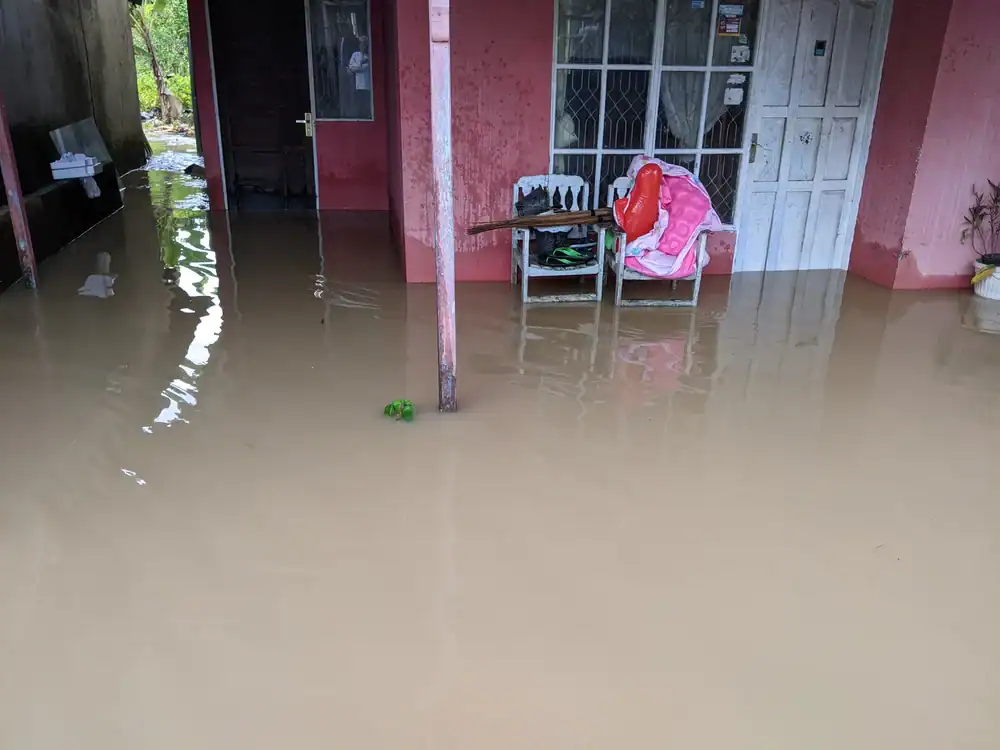
The neighborhood’s building mix also complicates water damage response. You have single-family homes next to apartment complexes, often with shared walls or connected basements where water from one property quickly spreads to others. We regularly see single pipe bursts in College Point that become multi-building emergencies because of how these older properties were constructed.
Storm surge from the waterfront pushes inland during major weather events, affecting properties that wouldn’t normally flood and bringing contaminated water that requires specialized cleanup procedures. This combination means College Point residents need restoration teams who understand these specific local risks and have the equipment positioned nearby to respond before damage spreads beyond the original affected area.
How do you actually prevent mold growth after flood damage?
Mold prevention requires eliminating moisture at levels that support growth, not just making surfaces look dry. We use industrial dehumidifiers and air movers positioned strategically to create controlled airflow that removes moisture from materials at the molecular level—wood framing, insulation, subfloors, and wall cavities where mold typically starts.
In Queens’ humid climate, especially during summer months, mold can begin growing within 24 hours if moisture levels aren’t properly controlled. We monitor humidity and moisture content continuously using calibrated professional meters, not guesswork or visual inspection. The drying process isn’t complete until moisture readings throughout the entire affected area test at levels that won’t support mold growth.
We also apply EPA-approved antimicrobial treatments to all surfaces that were exposed to flood water, which is particularly important in College Point where flood water often contains contaminants from street drainage, sewer backup, or tidal surge. These treatments create an additional protective barrier against mold growth during the critical first few weeks when materials are most vulnerable.
What should I do immediately when I discover flood damage?
Call us immediately at 631-613-8945, then safely shut off the water source if possible. Don’t wait to see how bad it gets—in College Point’s older buildings, water damage spreads quickly through pathways you can’t see, and what looks manageable often isn’t.
Avoid walking through standing water, especially in basements where electrical hazards are common in older College Point properties. Take photos for insurance if you can do so safely, but don’t spend time on extensive documentation while water continues spreading. Professional documentation comes later—stopping the damage comes first.
Don’t attempt to dry the area with household fans or portable dehumidifiers. College Point’s building types, local humidity levels, and the types of flooding common here require industrial-grade equipment to prevent mold growth. Every hour you wait increases the likelihood you’ll need full mold remediation on top of flood restoration, which costs significantly more and can make your home uninhabitable for weeks.