I needed a professional consultation explanation of procedure for safe removal of Asbestos in my apartment complex. Without having an account yet, I was very impressed with the caring, knowledgeable and generous advice offered by Jessica, and will look forward to doing business in the future. Thank you so much! I feel much more informed about a sometimes scary endeavor. Peace. Nancy Silva Mineola, NY.
Mia Munoz
Used this company to clean up some water flood in my house. They were fast and easy to work with.very professional, Would recommend to anyone!
Nini Valle
Great company, had a flood and they responded quickly and efficiently. Billed my insurance company directly. I highly recommend this company!
joe colapietro, jr
I had pipe freeze in my basement right before a snow storm and they made to within an hour to help start the clean up process. They we by our side throughout the entire process and even helped with the insurance company. They did such a great job with the cleanup, repair, remidiation, I contracted them to perform the repairs and finishes in the basement. They came with enough manpower and material to get the job done. Leo and Jessica were nothing but a pleasure to deal with!!
Cristian Arredondo c
I had some water damage in my home and Green Island was able to take care of my issue quickly and effectively. I am very pleased with the work they did. They responded quickly and were very professional.
Michael M
Outstanding service! From the office to the field crew everyone was friendly, helpful and responsive. I highly recommend Green Island Group.
You get your life back without the lingering worry about hidden moisture or future mold problems. Your basement becomes a safe, dry space again instead of a constant source of anxiety every time it rains.
The water’s gone, the air smells clean, and your property value stays protected. Most importantly, you can sleep soundly knowing the job was done right the first time with industrial-grade equipment that actually works.
Elmhurst's Flood Restoration Specialists Since Day One
We’ve been helping Elmhurst families recover from flooding for years, and we understand exactly what you’re dealing with. We know how East Elmhurst’s aging infrastructure and high water table create perfect conditions for basement flooding.
We’ve seen the aftermath of Hurricane Ida, the 2023 storms, and countless burst pipes that turned basements into lakes overnight. That’s why we respond within the hour and bring equipment that can handle Queens’ toughest flood situations.
Your neighbors trust us because we live here too, and we treat every flood emergency like it’s happening in our own basement.
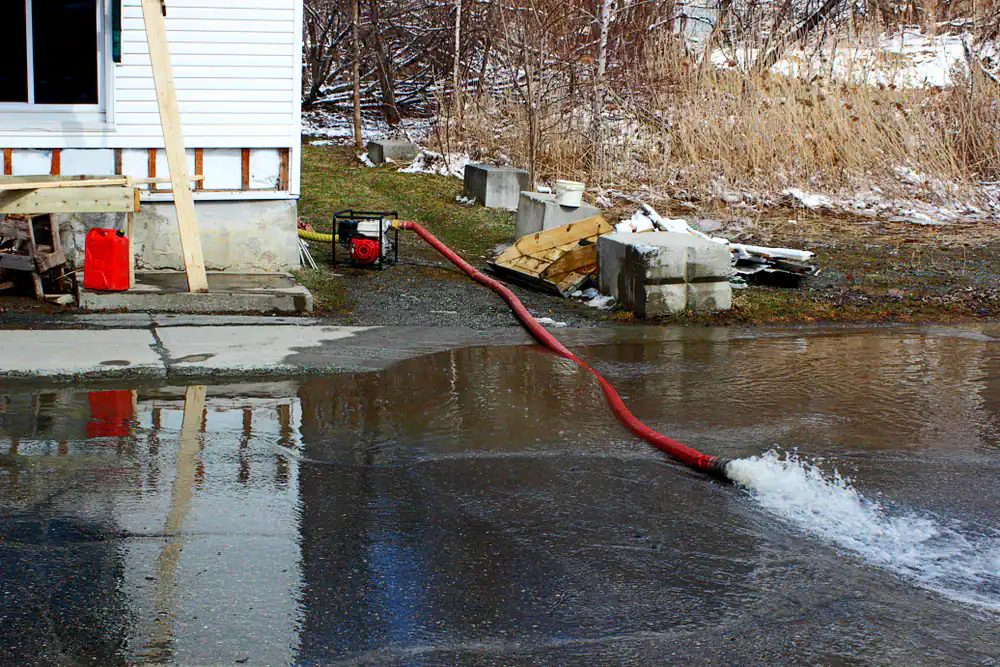
We start with immediate water extraction using industrial pumps that remove standing water fast, not the small shop vacuums that barely make a dent. Our team arrives with moisture detection equipment to find hidden water that could cause mold problems later.
Next comes the thorough drying process using commercial dehumidifiers and air movers that work together to pull moisture from walls, floors, and everything else water touched. We monitor moisture levels constantly until everything reads completely dry.
Finally, we handle the cleanup, sanitization, and any repairs needed to get your space back to how it was before the flood hit. You get documentation for insurance and peace of mind knowing the job meets all safety standards.
Your flood restoration includes emergency water extraction, complete structural drying, mold prevention treatment, and full cleanup of affected areas. We handle everything from sewage contamination to clean water floods with the right equipment for each situation.
In Elmhurst, we see basement flooding from sewer backups during heavy rains, burst pipes in older buildings, and storm surge from major weather events. Each requires different approaches, which is why our team knows how to handle Queens’ unique flooding challenges.
We also manage your insurance claim paperwork, provide detailed damage documentation, and work directly with your insurance company so you don’t have to navigate that process alone during an already stressful time.
How quickly can you respond to flood emergencies in Elmhurst?
We provide 24/7 emergency response throughout Elmhurst and typically arrive within one hour of your call. Time is critical with flooding because mold and bacteria can start growing within 24 hours, and water keeps spreading to cause more damage the longer it sits.
Our rapid response team is equipped with industrial water extraction equipment and can begin removing standing water immediately upon arrival. We understand that flooding doesn’t wait for business hours, which is why our emergency line is always staffed and our crews are ready to mobilize quickly.
The faster we can start the water removal process, the more of your property we can save and the lower your overall restoration costs will be.
Do you handle insurance claims for flood restoration work?
Yes, we work directly with insurance companies and can bill them directly in many cases, which reduces your out-of-pocket expenses during an already stressful time. We provide detailed documentation of all damage, take photos throughout the restoration process, and create the paperwork insurance companies need to process your claim efficiently.
Our team understands what insurance adjusters look for and can help explain the restoration process to ensure you get fair coverage for the work needed. We’ve worked with virtually every major insurance company serving the Elmhurst area.
Keep in mind that standard homeowners insurance typically covers sudden water damage from burst pipes but doesn’t cover flood damage from storms or sewer backups, which requires separate flood insurance.
What's the difference between water damage and flood damage restoration?
Water damage restoration typically involves clean water from sources like burst pipes, leaking appliances, or roof leaks. Flood restoration often involves contaminated water from storms, sewer backups, or ground water that contains bacteria, sewage, and other hazardous materials.
Flood restoration requires more extensive safety protocols, specialized equipment for handling contaminated water, and thorough sanitization of all affected areas. The drying process is also more complex because flood water often affects larger areas and penetrates deeper into building materials.
In Elmhurst, we frequently handle both types of situations, but flood restoration from sewer backups during heavy rains requires the most careful handling due to health risks from contaminated water.
How do you prevent mold growth after flood restoration?
Mold prevention starts with rapid water removal and thorough drying of all affected materials within the first 24-48 hours after flooding. We use industrial dehumidifiers, air movers, and moisture meters to ensure everything reaches proper dryness levels, not just what looks dry on the surface.
Our team monitors moisture levels in walls, floors, and other materials throughout the drying process and doesn’t consider the job complete until everything reads completely dry on our professional moisture detection equipment. We also apply antimicrobial treatments to affected areas when appropriate.
If mold has already started growing, we can handle mold remediation as part of the restoration process, but the key is acting fast enough to prevent mold from taking hold in the first place.
What should I do immediately after discovering flooding in my basement?
First, ensure your safety by staying out of standing water if there’s any chance of electrical hazards, and shut off electricity to affected areas if you can do so safely. Don’t enter a flooded basement if the water level is high or if you’re unsure about electrical safety.
Call us immediately at 631-256-5711 for emergency response, then contact your insurance company to report the damage. If it’s safe to do so, try to move valuable items out of the water’s path, but don’t risk your safety attempting to remove heavy items or entering dangerous areas.
Avoid using regular household vacuums on standing water, as this can create electrical hazards and damage the equipment. The sooner professional water extraction begins, the better your chances of saving more of your property and preventing mold growth.
How much does flood restoration typically cost in Elmhurst?
Flood restoration costs vary significantly based on the extent of damage, type of water involved, and size of affected area. Simple clean water removal might cost $4-8 per square foot, while extensive basement flooding with contaminated water can range from $4,700 to $5,500 or more depending on the situation.
Factors affecting cost include the category of water (clean, gray, or black water), how long water has been sitting, what materials are affected, and whether mold remediation is needed. Sewage backups and contaminated flood water cost more to clean because they require specialized handling and disposal.
We provide free estimates and work with your insurance company to help minimize your out-of-pocket costs. In many cases, insurance covers sudden water damage, though flood damage from storms typically requires separate flood insurance coverage.