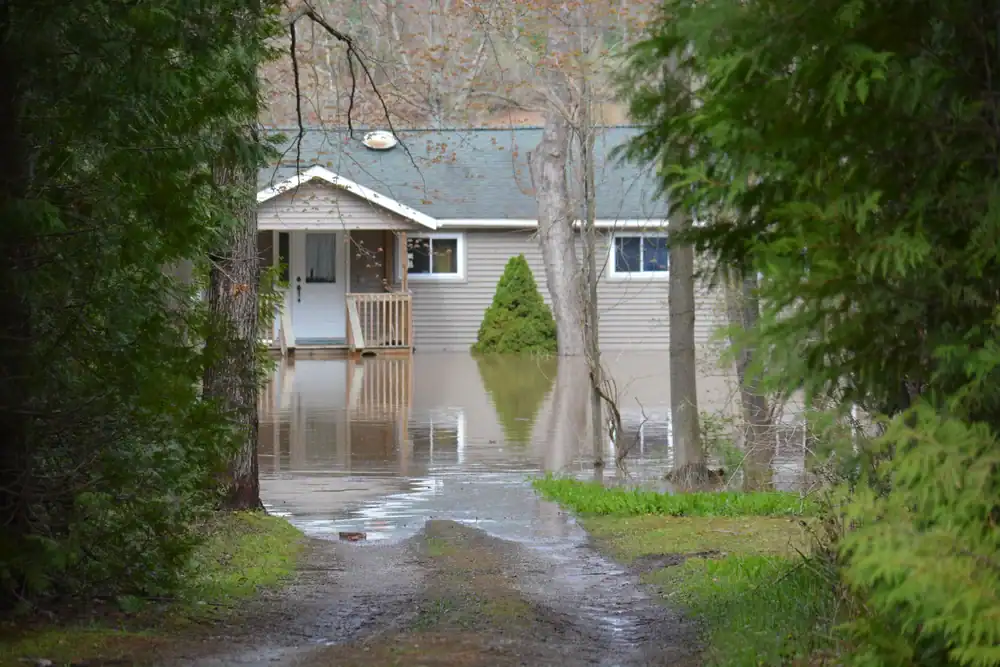
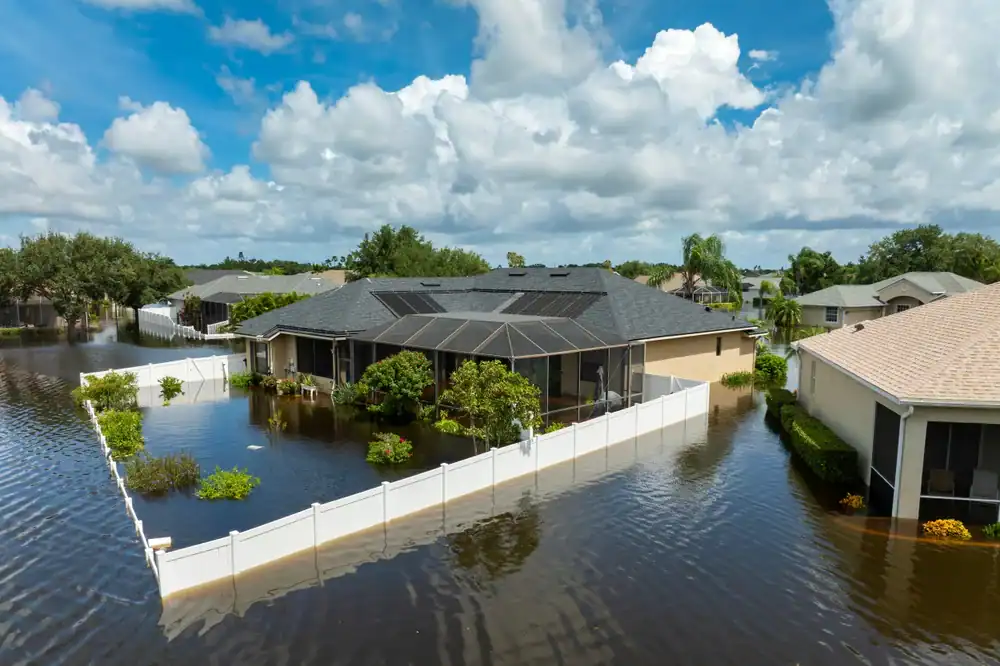
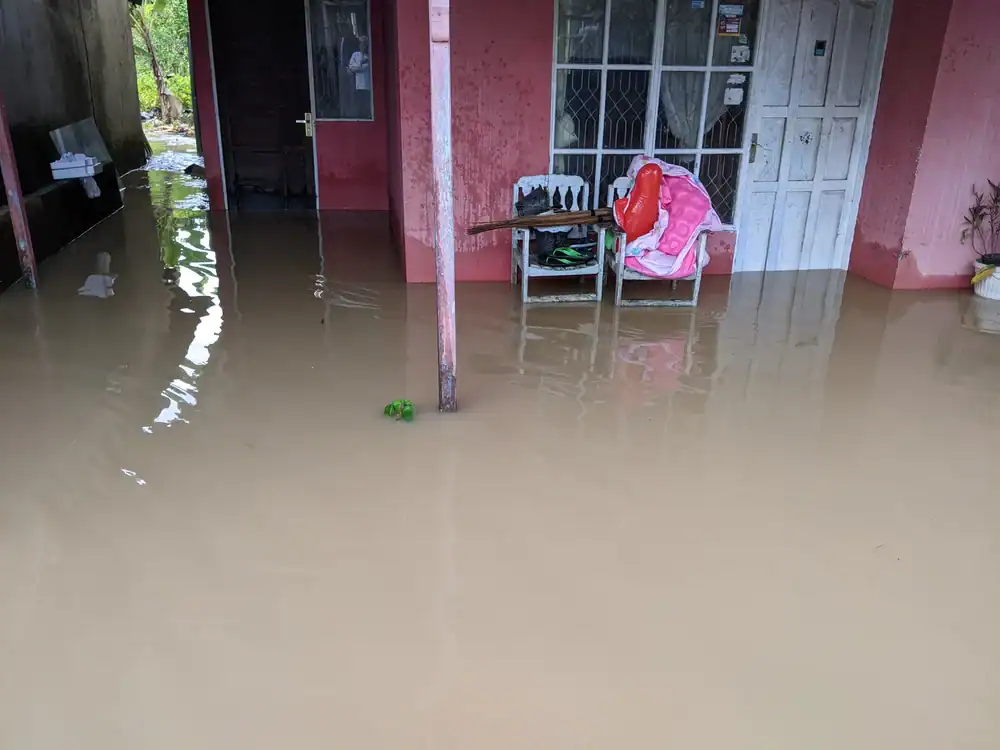
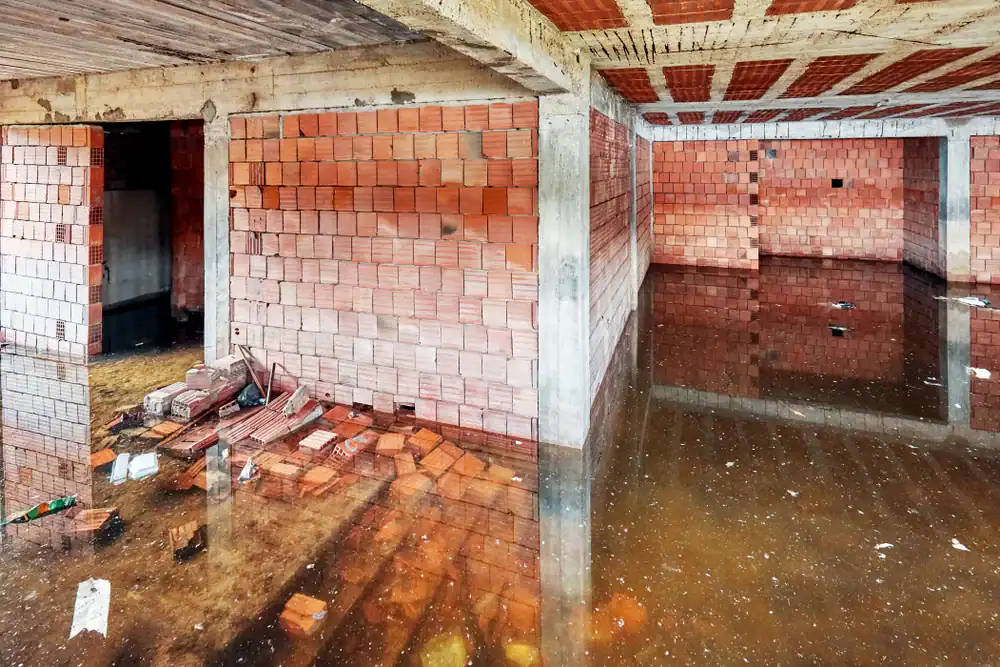
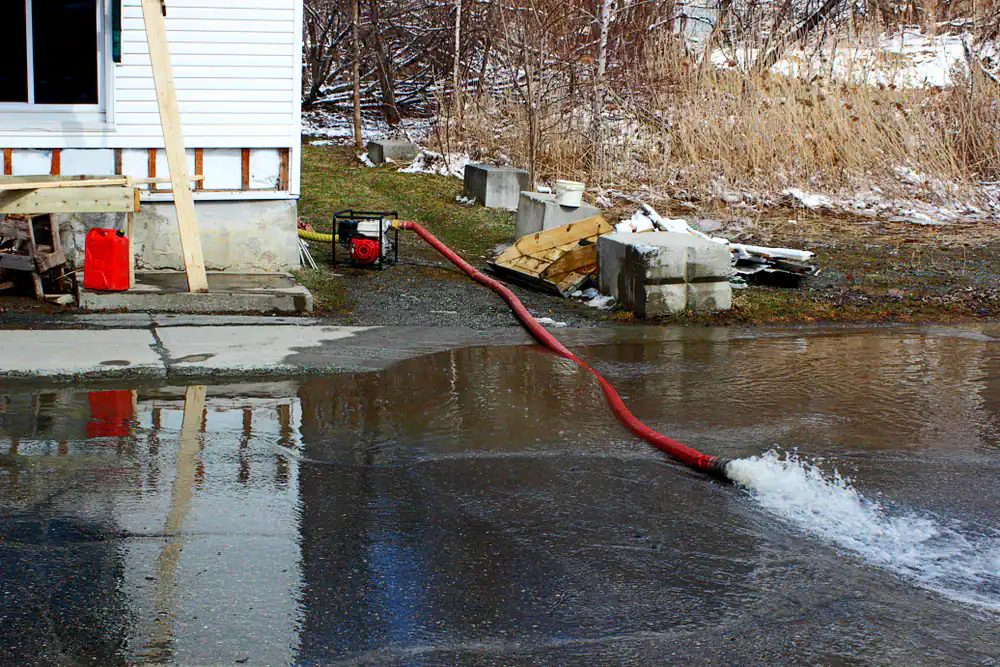
When flood water invades your Elwood home, you need complete water removal and proper drying – not surface cleanup that leaves moisture hiding where mold grows.
I needed a professional consultation explanation of procedure for safe removal of Asbestos in my apartment complex. Without having an account yet, I was very impressed with the caring, knowledgeable and generous advice offered by Jessica, and will look forward to doing business in the future. Thank you so much! I feel much more informed about a sometimes scary endeavor. Peace. Nancy Silva Mineola, NY.
Mia Munoz
Used this company to clean up some water flood in my house. They were fast and easy to work with.very professional, Would recommend to anyone!
Nini Valle
Great company, had a flood and they responded quickly and efficiently. Billed my insurance company directly. I highly recommend this company!
joe colapietro, jr
I had pipe freeze in my basement right before a snow storm and they made to within an hour to help start the clean up process. They we by our side throughout the entire process and even helped with the insurance company. They did such a great job with the cleanup, repair, remidiation, I contracted them to perform the repairs and finishes in the basement. They came with enough manpower and material to get the job done. Leo and Jessica were nothing but a pleasure to deal with!!
Cristian Arredondo c
I had some water damage in my home and Green Island was able to take care of my issue quickly and effectively. I am very pleased with the work they did. They responded quickly and were very professional.
Michael M
Outstanding service! From the office to the field crew everyone was friendly, helpful and responsive. I highly recommend Green Island Group.
You walk back into rooms that feel normal again. No musty basement smell that never goes away. No soft spots in your flooring that make you wonder what’s growing underneath. No worrying about whether your family is breathing mold spores.
Real flood restoration means getting water out of places you can’t see. Behind walls. Under flooring. Inside structural cavities where moisture turns into expensive problems months later. When we’re done, your property is actually dry – not just surface dry.
The difference shows up in what doesn’t happen next. No mold appearing weeks later. No warped floors or peeling paint. No insurance headaches from damage that should have been prevented during the initial cleanup.
We at Green Island Group know Elwood flooding. We’ve restored properties here through the August 2024 thousand-year storm that devastated Suffolk County’s North Shore. We’ve handled basement floods, burst pipes, and storm damage that seemed impossible to fix.
Based in Elwood, NY, we understand how water moves through local soil conditions and why certain neighborhoods flood repeatedly. We know which foundation types are most vulnerable and how Long Island’s humidity affects drying times.
Suffolk County properties face unique restoration challenges. Many homes weren’t built for today’s extreme weather patterns. Older foundations, inadequate drainage, and proximity to water sources create conditions where standard cleanup isn’t enough. We’ve adapted our restoration process specifically for these local realities.
We arrive with industrial water extraction equipment – not household wet vacs that can’t handle real flooding. Our team stops active water sources, removes standing water completely, and starts the drying process immediately. Speed matters because mold begins growing within 24-48 hours in Suffolk County’s humid climate.
Proper drying requires opening up walls where water has penetrated and using commercial dehumidifiers that actually remove moisture from structural materials. We use moisture meters to check inside wall cavities, under flooring, and in other hidden areas where water likes to hide. Surface drying isn’t enough.
Once everything is genuinely dry – not just surface dry – we begin restoration. We replace damaged materials, sanitize affected areas, and restore your Elwood, NY property to pre-flood condition. Throughout the process, we document everything for insurance claims and explain what we’re doing and why it matters.
Our flood restoration covers everything from emergency water removal to complete property reconstruction. We handle basement flooding, burst pipe cleanup, storm damage, and sewage backups that are unfortunately common in older Suffolk County neighborhoods.
Elwood’s location near Long Island Sound creates higher humidity that complicates drying. Many local homes have foundation issues that make them more susceptible to water intrusion. The August 2024 flooding showed how quickly Suffolk County properties can sustain severe damage when storms overwhelm local drainage systems.
We work directly with insurance companies to handle claims properly. Most flood restoration requires specific documentation and protocols that adjusters expect. Our team knows exactly what insurance companies need to approve claims quickly, whether you have flood insurance through FEMA or coverage through your homeowners policy for internal water damage.
How fast should I call for flood restoration in Elwood, NY?
Call within the first hour if possible. Every hour you wait increases damage and costs significantly. Mold starts growing within 24-48 hours in Long Island’s humid climate, and water continues spreading into materials that are expensive to replace.
Water doesn’t just sit on surfaces – it seeps into wall cavities, under flooring, and into structural materials where it becomes much harder to remove. What could be manageable water damage restoration turns into major reconstruction when you delay professional help.
The recent Suffolk County flooding events showed the difference clearly. Properties that got professional water removal within hours had far less structural damage than those that waited even until the next day. Time literally costs money in flood restoration.
Does homeowners insurance cover flood damage in Elwood, NY?
Standard homeowners insurance typically excludes flood damage – you need separate flood insurance through FEMA’s National Flood Insurance Program for storm-related flooding. However, water damage from burst pipes, appliance failures, or roof leaks is usually covered by homeowners policies.
The distinction matters for your claim. Rising floodwater, storm surge, or groundwater seepage requires flood insurance. Internal water sources like plumbing failures, water heater leaks, or appliance overflows fall under homeowners coverage in most cases.
We handle both types of claims regularly and document everything properly regardless of which policy applies. Our team knows what each type of insurance requires for approval and can help you understand what coverage you have for your specific situation.
How long does complete flood restoration take in Elwood?
Complete restoration typically takes 5-10 days for moderate flooding, but extensive damage can require 2-3 weeks. The timeline depends on how much water entered your property, what materials were affected, and how quickly we can achieve complete drying in Suffolk County’s humid climate.
Proper drying takes the longest because we can’t rush this critical phase. Any remaining moisture will cause mold problems later, so we use moisture meters to verify that structural materials are completely dry before beginning reconstruction. Long Island’s humidity means this process takes longer than in drier climates.
Once drying is complete, reconstruction moves efficiently. We stock common materials needed for Suffolk County properties, so we don’t waste time waiting for supplies. Most homeowners can return to normal use of their property within a week of completing the drying phase.
What should I do immediately after discovering flood damage in my Elwood home?
Ensure safety first – turn off electricity to flooded areas and avoid standing water. Don’t use household equipment like shop vacs for major water removal, as this can be dangerous and ineffective for real flooding situations.
Take photos of damage for insurance documentation, but don’t delay calling professionals. Remove valuable items from affected areas if you can do so safely, but don’t attempt to move heavy furniture or appliances through standing water.
Call Green Island Group immediately at 631-256-5711. Our emergency team responds 24/7 and can typically reach Elwood, NY properties within an hour. We’ll handle proper water extraction, damage assessment, and begin the drying process while helping you start your insurance claim correctly.
Can you guarantee mold prevention after flooding in Elwood?
We can prevent mold growth when restoration starts quickly and follows proper protocols. Mold prevention requires eliminating all moisture – not just surface water – and treating affected areas with antimicrobial solutions. This requires commercial equipment and expertise you can’t replicate with household tools.
We use industrial dehumidifiers, air movers, and moisture detection equipment to ensure complete drying. Hidden moisture in wall cavities or under flooring is where mold problems typically start, so we check these areas thoroughly with specialized instruments.
Suffolk County’s humid climate makes mold prevention more challenging than drier regions. We often remove materials that can’t be adequately dried rather than risk mold growth later. It’s more cost-effective to replace some drywall during initial restoration than deal with mold remediation months later.
Do you handle insurance claims for flood restoration in Elwood?
Yes, we manage insurance claims daily and communicate directly with adjusters to ensure proper coverage and faster approval. We document all damage with detailed photos, moisture readings, and written reports that insurance companies require for flood restoration claims.
Different insurance policies have specific requirements for water damage documentation. We follow these protocols exactly, whether you have FEMA flood insurance or homeowners coverage for internal water damage. This attention to detail prevents claim delays and denials.
We can often bill insurance companies directly, eliminating large upfront costs for you. Our team knows what restoration work different policies typically cover, so we help set realistic expectations from the beginning and avoid surprises during the claims process.