I needed a professional consultation explanation of procedure for safe removal of Asbestos in my apartment complex. Without having an account yet, I was very impressed with the caring, knowledgeable and generous advice offered by Jessica, and will look forward to doing business in the future. Thank you so much! I feel much more informed about a sometimes scary endeavor. Peace. Nancy Silva Mineola, NY.
Mia Munoz
Used this company to clean up some water flood in my house. They were fast and easy to work with.very professional, Would recommend to anyone!
Nini Valle
Great company, had a flood and they responded quickly and efficiently. Billed my insurance company directly. I highly recommend this company!
joe colapietro, jr
I had pipe freeze in my basement right before a snow storm and they made to within an hour to help start the clean up process. They we by our side throughout the entire process and even helped with the insurance company. They did such a great job with the cleanup, repair, remidiation, I contracted them to perform the repairs and finishes in the basement. They came with enough manpower and material to get the job done. Leo and Jessica were nothing but a pleasure to deal with!!
Cristian Arredondo c
I had some water damage in my home and Green Island was able to take care of my issue quickly and effectively. I am very pleased with the work they did. They responded quickly and were very professional.
Michael M
Outstanding service! From the office to the field crew everyone was friendly, helpful and responsive. I highly recommend Green Island Group.
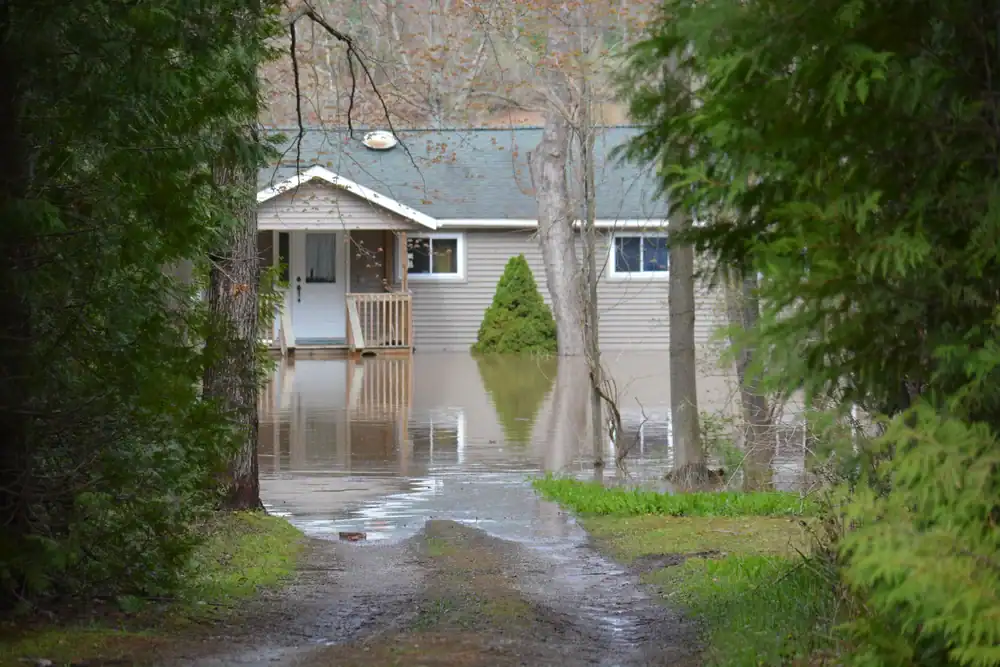
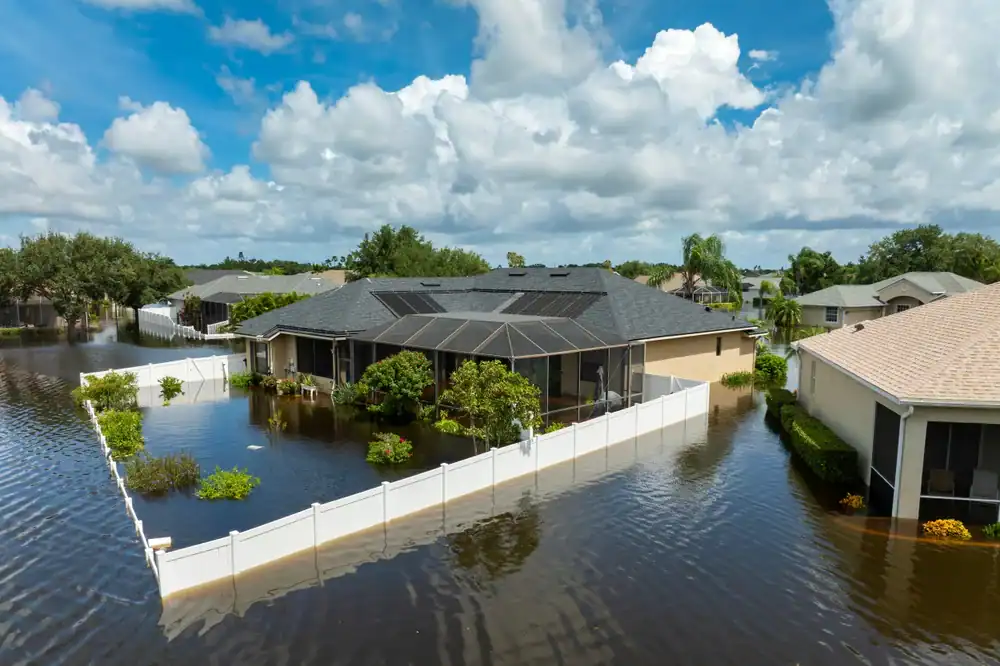
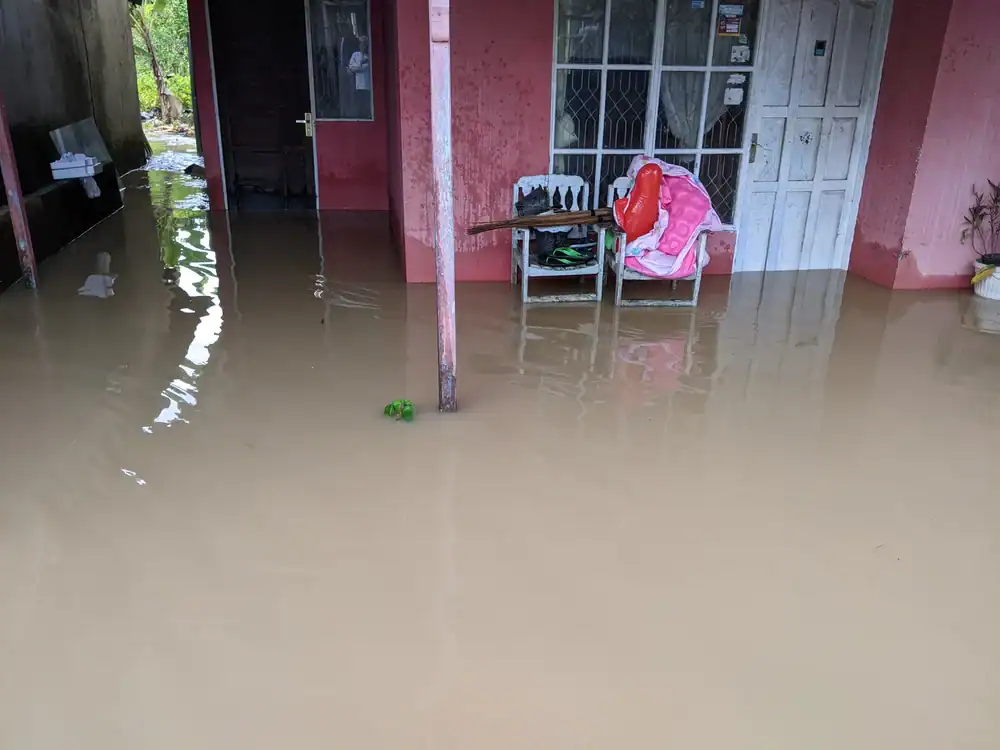
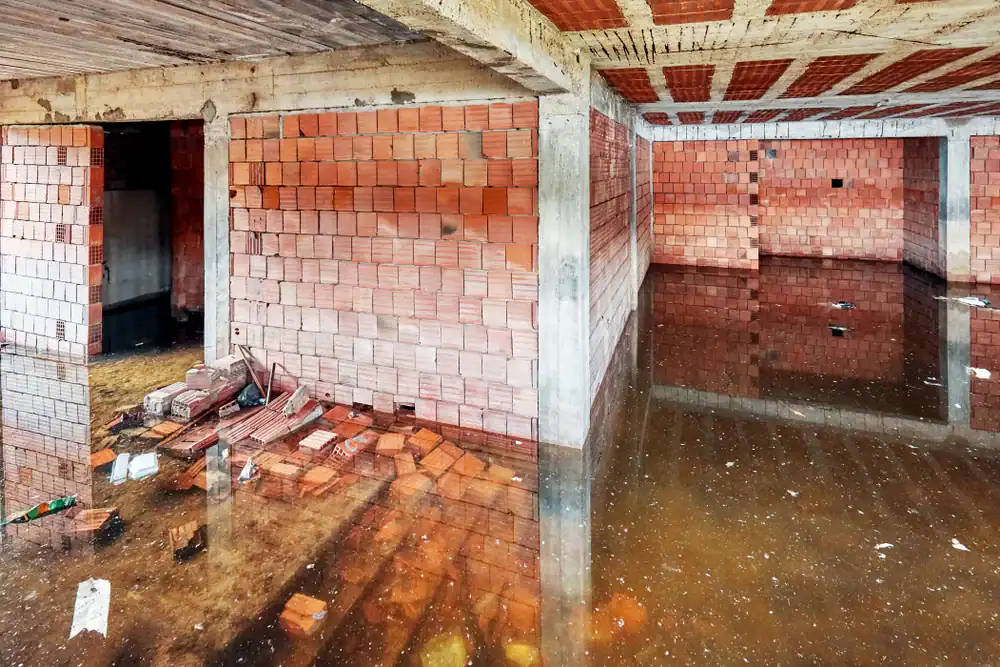
When flood water recedes, you’re left staring at a mess that feels impossible to fix. Your basement that was dry yesterday now holds standing water. Your floors are warped. The smell is starting.
Here’s what happens when the job is done right. You walk into a space that’s completely dry. The air smells fresh, not musty. Your floors are solid under your feet again. The humidity levels are back to normal, which means mold won’t be growing behind your walls six months from now.
You’re not wondering if the problem will come back. You’re not dealing with insurance companies alone. You’re not discovering hidden damage weeks later because someone missed a spot during the initial assessment.
Far Rockaway sits in one of NYC’s highest flood risk areas. We’ve been responding to water emergencies here long enough to understand what that means for your property.
When storm surge pushes water up from Jamaica Bay, when heavy rains overwhelm the drainage systems, when pipes burst during freeze-thaw cycles—we’re the team property owners call. Not because we’re the loudest or the cheapest, but because we show up fast and get the job done completely.
We know which neighborhoods flood first during high tides. We understand how quickly basements can fill when Beach Channel Drive starts backing up. Most importantly, we know the difference between getting water out and actually restoring your property so the problem doesn’t come back.
First, we assess what happened and what needs to happen next. This isn’t a quick walk-through. We’re checking moisture levels in places you wouldn’t think to look, identifying what can be saved versus what needs to go, and planning the fastest path to get your property completely dry.
Next comes water extraction. We remove standing water first, then go after the moisture that’s soaked into materials. This step determines whether you’ll have mold problems later, so we use professional-grade equipment that pulls moisture from places towels and shop vacs can’t reach.
Then we dry and monitor everything until moisture readings hit normal levels. We don’t pack up and leave when things look dry. We stay until our instruments confirm that humidity levels are where they need to be to prevent secondary damage.
Finally, we restore what was damaged. Drywall, flooring, whatever needs to be replaced to get your space back to the way it was before the water came in.
Complete flood restoration means handling everything from the initial emergency response through the final repairs. You get 24/7 availability because floods don’t wait for business hours. You get direct insurance billing so you’re not fronting thousands of dollars while waiting for reimbursement.
In Far Rockaway, flood restoration also means understanding the specific challenges your property faces. Properties near the bay deal with salt water, which requires different treatment than fresh water flooding. Basement apartments common in this area need special attention to prevent mold in below-grade spaces.
We handle moisture detection in wall cavities, subfloor drying, dehumidification, antimicrobial treatment, and reconstruction. The goal isn’t just to remove water—it’s to prevent the secondary problems that show up weeks or months later when the job isn’t done thoroughly the first time.
How quickly can you respond to flood damage in Far Rockaway?
We provide 24/7 emergency response throughout Far Rockaway and typically arrive within one hour of your call. Speed matters with flood damage because every hour water sits increases the scope of damage and the likelihood of mold growth.
Our trucks are equipped with water extraction equipment, moisture detection tools, and emergency supplies needed to start the restoration process immediately. We don’t schedule appointments for flood emergencies—we dispatch the nearest available crew as soon as you call.
The faster we can start removing water and controlling moisture levels, the more of your property we can save and the lower your total restoration costs will be.
Will my insurance cover flood restoration services in Far Rockaway?
Most homeowner’s insurance policies cover sudden water damage from sources like burst pipes, appliance malfunctions, or roof leaks. However, flood damage from storms or rising water typically requires separate flood insurance coverage.
We work directly with insurance companies and can bill them directly in most cases, so you don’t have to pay out of pocket and wait for reimbursement. Our team documents everything thoroughly and provides the detailed reports insurance adjusters need to process claims quickly.
We’ll review your policy with you and help determine what’s covered before starting work. If you’re not sure about your coverage, we can often get preliminary approval from your insurance company before beginning the restoration process.
How do you prevent mold growth after flood damage?
Mold prevention starts with complete moisture removal within the first 24-48 hours after flooding. We use professional-grade dehumidifiers, air movers, and moisture meters to ensure materials reach safe moisture levels before we consider the drying process complete.
We also remove any materials that can’t be properly dried, like soaked insulation or severely damaged drywall. These materials will grow mold even if they appear dry on the surface. We treat remaining surfaces with antimicrobial solutions to eliminate mold spores that may already be present.
Throughout the process, we monitor humidity levels and moisture content in structural materials. We don’t consider the job finished until our instruments confirm that conditions won’t support mold growth.
What makes flood damage different from other types of water damage?
Flood water is typically contaminated with sewage, chemicals, debris, and bacteria, making it much more hazardous than clean water from a burst pipe. This contamination requires specialized cleaning and disinfection procedures to make your property safe for occupancy.
Flood water also tends to affect larger areas and penetrate deeper into building materials. It can compromise structural elements, electrical systems, and HVAC equipment in ways that clean water damage typically doesn’t. The restoration process is more complex and often takes longer.
In Far Rockaway, flood water often contains salt from storm surge, which can cause additional corrosion problems if not properly addressed. We have specialized equipment and techniques for dealing with these unique challenges that coastal properties face.
How long does the flood restoration process typically take?
The timeline depends on the extent of damage, but most residential flood restoration projects in Far Rockaway take 3-7 days for the drying phase, followed by 1-2 weeks for repairs and reconstruction. Severe damage can extend this timeline significantly.
The drying phase can’t be rushed—materials need time to release moisture completely, and we monitor this process continuously. Attempting to speed up drying often results in incomplete moisture removal and mold problems later.
We provide daily updates on progress and realistic timelines based on moisture readings and the scope of repairs needed. Our goal is to get you back in your property as quickly as possible while ensuring the work is done properly to prevent future problems.
Do you work with properties that have flooded multiple times?
Yes, we frequently work with properties in Far Rockaway that have experienced repeated flooding. These properties often require additional waterproofing measures and flood-resistant materials to minimize damage from future events.
We can recommend and install flood barriers, sump pumps, backflow preventers, and other protective measures based on your property’s specific vulnerabilities. We also use flood-resistant materials during reconstruction when possible.
For properties with chronic flooding issues, we develop long-term strategies that go beyond just repairing current damage. This might include elevating utilities, waterproofing basements, or installing early warning systems to help you respond more quickly to future flood events.