I needed a professional consultation explanation of procedure for safe removal of Asbestos in my apartment complex. Without having an account yet, I was very impressed with the caring, knowledgeable and generous advice offered by Jessica, and will look forward to doing business in the future. Thank you so much! I feel much more informed about a sometimes scary endeavor. Peace. Nancy Silva Mineola, NY.
Mia Munoz
Used this company to clean up some water flood in my house. They were fast and easy to work with.very professional, Would recommend to anyone!
Nini Valle
Great company, had a flood and they responded quickly and efficiently. Billed my insurance company directly. I highly recommend this company!
joe colapietro, jr
I had pipe freeze in my basement right before a snow storm and they made to within an hour to help start the clean up process. They we by our side throughout the entire process and even helped with the insurance company. They did such a great job with the cleanup, repair, remidiation, I contracted them to perform the repairs and finishes in the basement. They came with enough manpower and material to get the job done. Leo and Jessica were nothing but a pleasure to deal with!!
Cristian Arredondo c
I had some water damage in my home and Green Island was able to take care of my issue quickly and effectively. I am very pleased with the work they did. They responded quickly and were very professional.
Michael M
Outstanding service! From the office to the field crew everyone was friendly, helpful and responsive. I highly recommend Green Island Group.
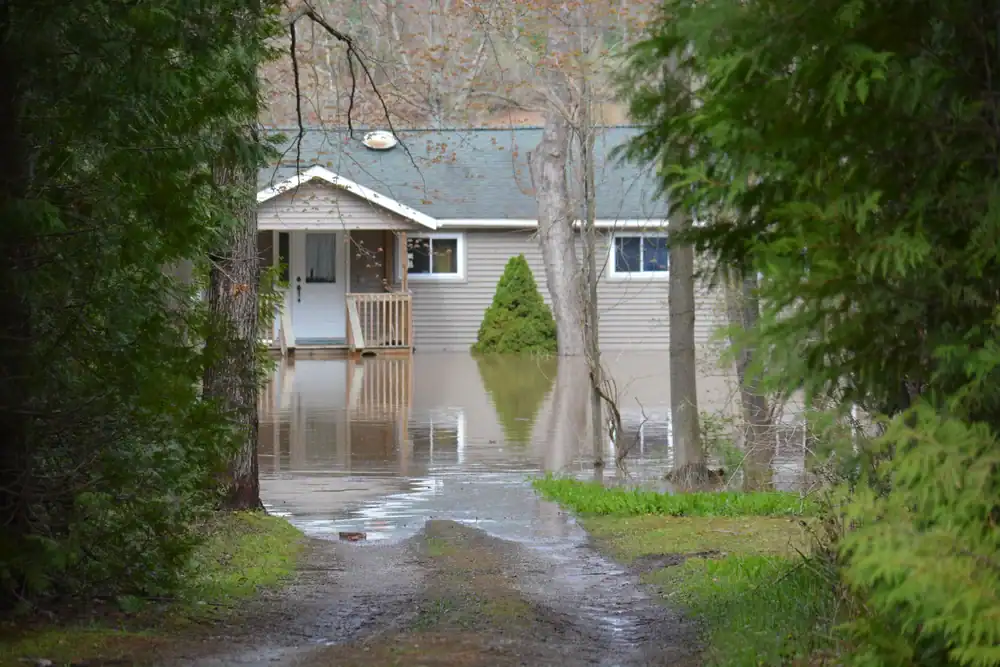
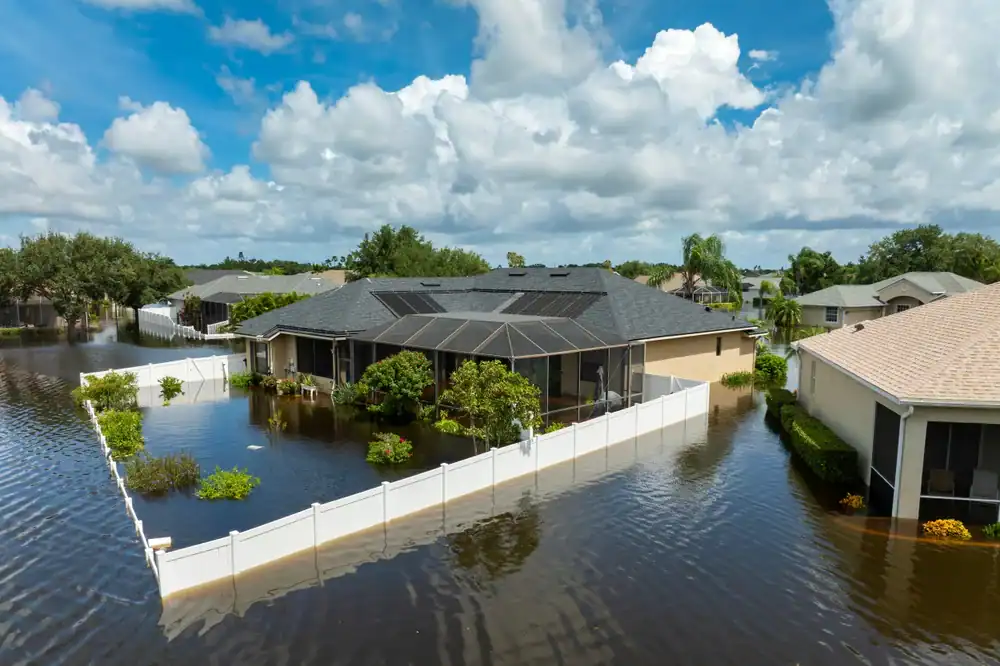
When flood water hits your Fire Island Pines property, every hour counts. You’re not just dealing with standing water—you’re racing against mold growth, structural damage, and the headache of insurance claims.
Our water damage restoration process gets your property completely dry within days, not weeks. We extract every drop of standing water, set up industrial dehumidifiers, and monitor moisture levels until your home is bone dry.
You’ll have your space back without the lingering dampness, musty odors, or worry about hidden moisture causing problems later. Most clients are surprised how quickly we can get their property back to pre-flood condition.
Green Island Group has been handling flood restoration across Long Island for years, and we understand Fire Island Pines’ unique challenges. Getting equipment to your property requires ferry coordination and careful planning—something we’ve mastered.
We’ve restored everything from weekend cottages to year-round homes after nor’easters, hurricane storm surge, and heavy rainfall events. Our team knows how coastal flooding behaves differently than inland water damage.
You’re working with technicians who’ve seen every type of flood scenario Fire Island can throw at a property. We bring the right equipment on the first trip and work efficiently to minimize disruption to your life.
First, we assess the damage and identify all affected areas—including spaces you might not realize have water infiltration. We document everything for your insurance claim while setting up extraction equipment.
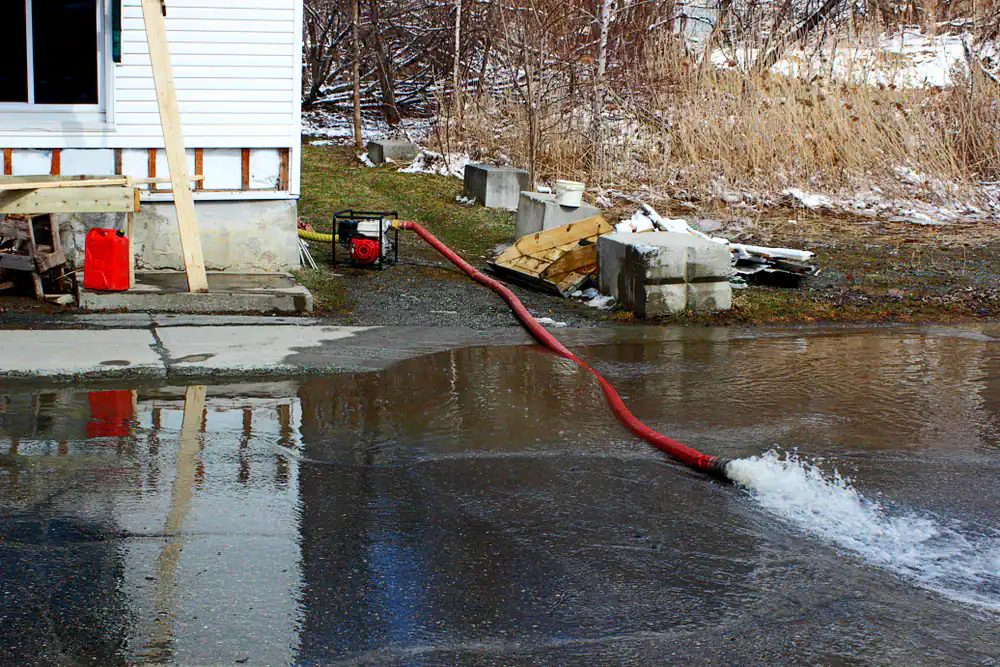
Next comes complete water removal using truck-mounted extractors and specialized pumps. We pull water from carpets, hardwood floors, and any structural materials that absorbed moisture.
Then we position industrial dehumidifiers and air movers throughout your property. These run continuously while we monitor moisture levels in walls, floors, and the air itself. We don’t consider the job done until moisture readings return to normal levels—typically 3-5 days depending on the extent of flooding.
Our flood restoration service covers complete water extraction, structural drying, and mold prevention. You get industrial-grade dehumidifiers, air movers, and moisture monitoring throughout the drying process.
We handle content cleaning for salvageable belongings, hardwood floor drying and restoration, and carpet cleaning or replacement recommendations. All work meets IICRC standards and insurance company requirements.
Fire Island properties face unique challenges with salt air and limited access, so we coordinate ferry schedules and bring everything needed in one trip. You won’t deal with multiple contractors or repeated disruptions—we manage the entire restoration from water extraction to final walkthrough.
How quickly can you respond to flood damage in Fire Island Pines?
We typically respond within 2-4 hours of your call, but Fire Island requires ferry coordination which can add time depending on weather and ferry schedules. We maintain emergency equipment on Long Island specifically for faster Fire Island response.
During major storm events, we pre-position crews and equipment to minimize response delays. We’ll give you an accurate arrival time when you call and keep you updated if ferry conditions cause any delays.
The key is calling immediately when flooding occurs—even if we can’t physically arrive for several hours, we can guide you through immediate steps to minimize damage while we’re en route.
Will my insurance cover flood restoration and water damage cleanup?
Most homeowner’s insurance policies cover sudden water damage from burst pipes, appliance failures, or storm-related roof leaks. However, flood insurance (a separate policy) is typically required for storm surge or rising water damage.
We document all damage with photos and moisture readings that insurance companies require. Our technicians know exactly what information adjusters need and can communicate directly with your insurance company if needed.
We’ll help you understand what’s covered under your specific policy and can work with both homeowner’s insurance and flood insurance claims. Many clients are surprised to learn their coverage is better than they initially thought.
How do you prevent mold growth after flood damage?
Mold prevention starts with complete moisture removal within 24-48 hours of flooding. We use moisture meters to verify that all materials are thoroughly dried, not just visibly dry on the surface.
Our industrial dehumidifiers pull moisture from the air while air movers create airflow that helps materials dry from the inside out. We monitor humidity levels continuously and don’t remove equipment until readings confirm everything is completely dry.
If we discover materials that can’t be adequately dried (like soaked insulation or severely damaged drywall), we’ll recommend removal and replacement. It’s better to replace compromised materials than risk mold growth later.
Can hardwood floors be saved after flood damage?
Many hardwood floors can be restored if we start the drying process quickly enough. We use specialized floor drying systems that pull moisture from beneath the flooring without removing individual boards.
The key factors are how long water sat on the floor and what type of wood and finish you have. Engineered hardwood is often more challenging to save than solid wood, and floors with polyurethane finishes typically respond better to restoration.
We assess each floor individually and give you honest recommendations. If restoration isn’t viable, we’ll explain why and help coordinate replacement. But you’d be surprised how many floors we can save with proper drying techniques.
How long does the flood restoration process take?
Most residential flood restoration takes 3-7 days for the drying process, depending on how much water was involved and what materials were affected. We typically see normal moisture levels within this timeframe.
The timeline can extend if we discover hidden moisture in wall cavities or if humid weather slows the drying process. We monitor progress daily and adjust equipment positioning as needed to maintain efficient drying.
Any reconstruction work (like replacing drywall or flooring) happens after the drying phase is complete. We coordinate these phases so you’re not dealing with extended disruption to your property.
Do you work directly with insurance companies for billing?
Yes, we can bill your insurance company directly in most cases, which eliminates the need for you to pay upfront and wait for reimbursement. We handle all the paperwork and communication with adjusters.
We provide detailed documentation that insurance companies require, including photos, moisture readings, and equipment logs. This typically speeds up the claims process and reduces back-and-forth between you and your adjuster.
You’ll still need to pay your deductible, but we can often arrange payment timing that works with your insurance company’s payment schedule. We want to make the financial side as smooth as possible during an already stressful situation.