I needed a professional consultation explanation of procedure for safe removal of Asbestos in my apartment complex. Without having an account yet, I was very impressed with the caring, knowledgeable and generous advice offered by Jessica, and will look forward to doing business in the future. Thank you so much! I feel much more informed about a sometimes scary endeavor. Peace. Nancy Silva Mineola, NY.
Mia Munoz
Used this company to clean up some water flood in my house. They were fast and easy to work with.very professional, Would recommend to anyone!
Nini Valle
Great company, had a flood and they responded quickly and efficiently. Billed my insurance company directly. I highly recommend this company!
joe colapietro, jr
I had pipe freeze in my basement right before a snow storm and they made to within an hour to help start the clean up process. They we by our side throughout the entire process and even helped with the insurance company. They did such a great job with the cleanup, repair, remidiation, I contracted them to perform the repairs and finishes in the basement. They came with enough manpower and material to get the job done. Leo and Jessica were nothing but a pleasure to deal with!!
Cristian Arredondo c
I had some water damage in my home and Green Island was able to take care of my issue quickly and effectively. I am very pleased with the work they did. They responded quickly and were very professional.
Michael M
Outstanding service! From the office to the field crew everyone was friendly, helpful and responsive. I highly recommend Green Island Group.
When flood water hits your Franklin Square home, you’re not just dealing with soggy carpets and damaged drywall. You’re looking at potential mold growth, structural damage, and health risks that can spiral out of control fast.
Here’s what happens when we handle your flood restoration properly. Your basement stays dry. Your family stays healthy. Your home value stays protected. No lingering moisture means no mold colonies setting up shop in your walls six months from now.
The difference between a quick cleanup and real restoration is simple: we don’t just remove the water and call it done. We track moisture levels until they’re completely normal, sanitize everything that got wet, and make sure the damage stops spreading.
We’ve been handling flood restoration in Franklin Square and Nassau County for years. We understand how Long Island’s geography creates unique flooding challenges—from coastal storms that push water inland to aging infrastructure that can’t handle heavy rainfall.
Franklin Square sits in Nassau County where basement flooding is unfortunately common. The combination of older homes, changing weather patterns, and our proximity to water means residents here face flood risks that many restoration companies don’t fully understand.
We’re based right here in Franklin Square, so we’ve seen it all. Storm surge from hurricanes. Burst pipes in century-old homes. Sump pump failures during nor’easters. Each situation requires a different approach, and local experience matters when your home is underwater.
First, we assess the damage within an hour of your call. Our team identifies the water source, measures affected areas, and creates a plan that stops further damage immediately. No guesswork, no delays.
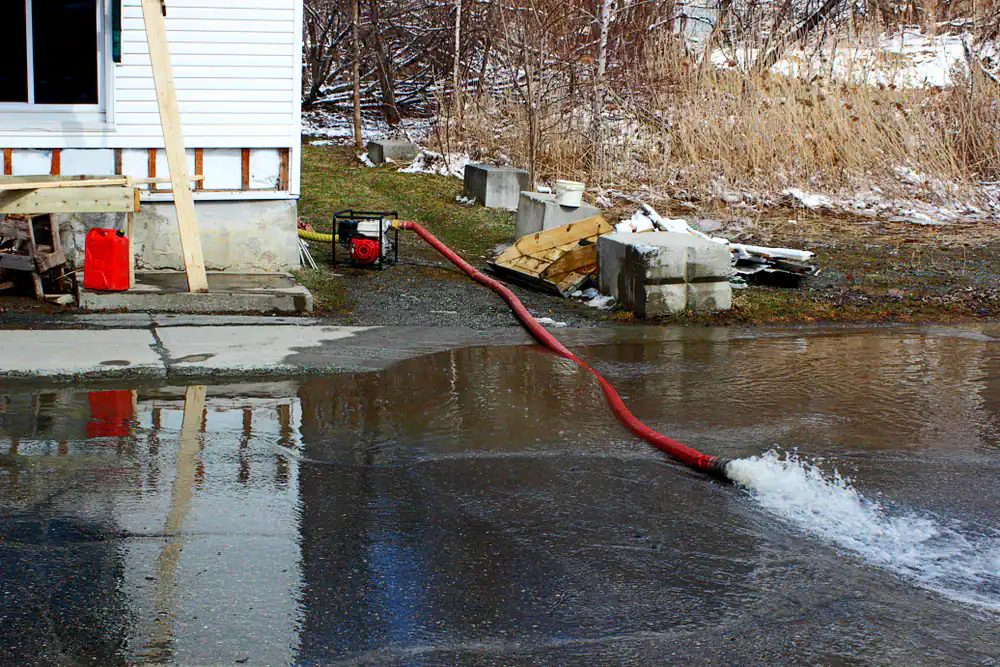
Next comes water extraction using industrial pumps and vacuums. We’re not talking about shop vacs here—we use truck-mounted equipment that can remove thousands of gallons per hour. Standing water disappears fast.
Then we set up drying equipment: commercial dehumidifiers, air movers, and moisture monitoring systems. This isn’t the “point some fans at it” approach. We track humidity levels and moisture content in walls, floors, and ceilings until everything reads normal.
Finally, we handle cleanup, sanitization, and restoration. Damaged materials get replaced. Salvageable items get properly cleaned and disinfected. Your home gets returned to pre-flood condition, or better.
Our flood restoration covers everything from emergency water removal to complete reconstruction. You get 24/7 emergency response, advanced moisture detection, and industrial-grade drying equipment that most companies don’t have access to.
In Franklin Square, we see water damage from burst pipes in older buildings, coastal flooding from storms, and basement flooding due to Nassau County’s geography. Each situation requires different approaches, which is why our technicians are trained in the latest restoration standards and equipped with specialized tools.
We handle the insurance paperwork, provide detailed documentation of damages, and work directly with your insurance company. Our goal is to remove the stress from your situation while ensuring your property is restored properly and safely. Most Franklin Square residents don’t realize how quickly water damage can escalate—mold can start growing within 24-48 hours, and structural damage gets worse every day water sits.
How quickly can you respond to flood emergencies in Franklin Square?
We typically arrive within one hour of your call, 24/7. Speed matters with flood damage because every hour water sits in your home increases the damage and restoration cost.
Our trucks are equipped with everything needed to start water extraction immediately—we don’t need to go back to the shop for equipment. The faster we can remove standing water and start the drying process, the more of your home and belongings we can save.
Franklin Square’s location means we can reach most properties quickly, and because we’re based locally, we know the fastest routes even during storms when main roads might be flooded.
What's the difference between water damage and flood damage restoration?
Water damage usually comes from internal sources like burst pipes, leaking appliances, or roof leaks. Flood damage involves external water sources—storm surge, overflowing rivers, or groundwater seepage.
The restoration approach differs significantly. Flood water often contains contaminants, bacteria, and debris that require specialized cleaning and sanitization. Materials that might be salvageable with clean water damage often need complete replacement with flood damage.
Insurance coverage also varies. Standard homeowner’s policies typically cover sudden water damage but exclude flood damage, which requires separate flood insurance. We help navigate these distinctions and work with both types of coverage.
How do you prevent mold growth after flood damage?
Mold prevention starts with rapid water removal and thorough drying. We use industrial dehumidifiers and air movers to reduce humidity levels below 60%, which prevents mold spores from growing.
We also apply antimicrobial treatments to affected surfaces and monitor moisture levels in walls, floors, and ceilings using specialized meters. Areas that can’t be completely dried within 48-72 hours typically need to be removed and replaced.
Nassau County’s humidity makes mold growth particularly aggressive after flooding. Our experience with local conditions means we know which materials can be saved and which need immediate removal to prevent mold colonies from establishing.
Will my insurance cover flood restoration in Franklin Square?
Coverage depends on your specific policy and the water source. Standard homeowner’s insurance typically covers sudden, accidental water damage like burst pipes but excludes flood damage from external sources.
We work directly with insurance companies and provide detailed documentation, photos, and moisture readings to support your claim. Our team understands what insurers require and can help expedite the claims process.
For flood damage, you’ll need separate flood insurance through FEMA’s National Flood Insurance Program. Many Franklin Square residents don’t realize they need this coverage until it’s too late, but we can help you understand your options for future protection.
How long does flood restoration take in Nassau County?
Timeline depends on the extent of damage and the type of water involved. Minor water damage from clean sources might be resolved in 3-5 days, while major flooding can take several weeks for complete restoration.
The drying process typically takes 3-7 days, depending on humidity levels and the amount of water involved. Reconstruction work—replacing drywall, flooring, or structural elements—adds additional time based on the scope of damage.
Nassau County’s coastal climate can extend drying times, especially during humid summer months. Our monitoring equipment tracks progress and ensures we don’t rush the process, which could lead to mold problems later.
Can you save hardwood floors after basement flooding in Franklin Square?
Sometimes, but it depends on how long the floors were wet and what type of water caused the damage. Hardwood can often be saved if we start the drying process within 24-48 hours and the water was from a clean source.
We use specialized hardwood floor drying systems that extract moisture from between boards and the subfloor. Cupping and minor warping often resolves as the wood dries, but floors exposed to contaminated flood water usually need replacement.
Franklin Square’s older homes often have solid hardwood that’s more resilient than engineered flooring. Our local experience helps us make accurate assessments about what can be saved versus what needs replacement, potentially saving you thousands in unnecessary replacement costs.