I needed a professional consultation explanation of procedure for safe removal of Asbestos in my apartment complex. Without having an account yet, I was very impressed with the caring, knowledgeable and generous advice offered by Jessica, and will look forward to doing business in the future. Thank you so much! I feel much more informed about a sometimes scary endeavor. Peace. Nancy Silva Mineola, NY.
Mia Munoz
Used this company to clean up some water flood in my house. They were fast and easy to work with.very professional, Would recommend to anyone!
Nini Valle
Great company, had a flood and they responded quickly and efficiently. Billed my insurance company directly. I highly recommend this company!
joe colapietro, jr
I had pipe freeze in my basement right before a snow storm and they made to within an hour to help start the clean up process. They we by our side throughout the entire process and even helped with the insurance company. They did such a great job with the cleanup, repair, remidiation, I contracted them to perform the repairs and finishes in the basement. They came with enough manpower and material to get the job done. Leo and Jessica were nothing but a pleasure to deal with!!
Cristian Arredondo c
I had some water damage in my home and Green Island was able to take care of my issue quickly and effectively. I am very pleased with the work they did. They responded quickly and were very professional.
Michael M
Outstanding service! From the office to the field crew everyone was friendly, helpful and responsive. I highly recommend Green Island Group.
You get your property back exactly how it was before the flood—sometimes even better. No lingering moisture, no hidden damage, no mold threats down the road.
Most property owners don’t realize that proper flood restoration goes way beyond just pumping out water. The real work happens in the drying, dehumidification, and reconstruction phases that prevent future problems.
When we’re done, you’ll have documentation for your insurance company, peace of mind about structural integrity, and a space that’s safe for your family or customers to return to.
We’ve handled over 5,000 restoration projects across New York State, and we understand exactly what Nassau County properties face during flood events.
Living on Long Island means dealing with coastal storms, aging infrastructure, and the unique challenges that come with our geography. When storms funnel water into New York Harbor, communities like Hewlett Bay feel the impact.
Our team knows which basements flood first, how salt water affects different building materials, and what insurance companies require for proper documentation in this area.
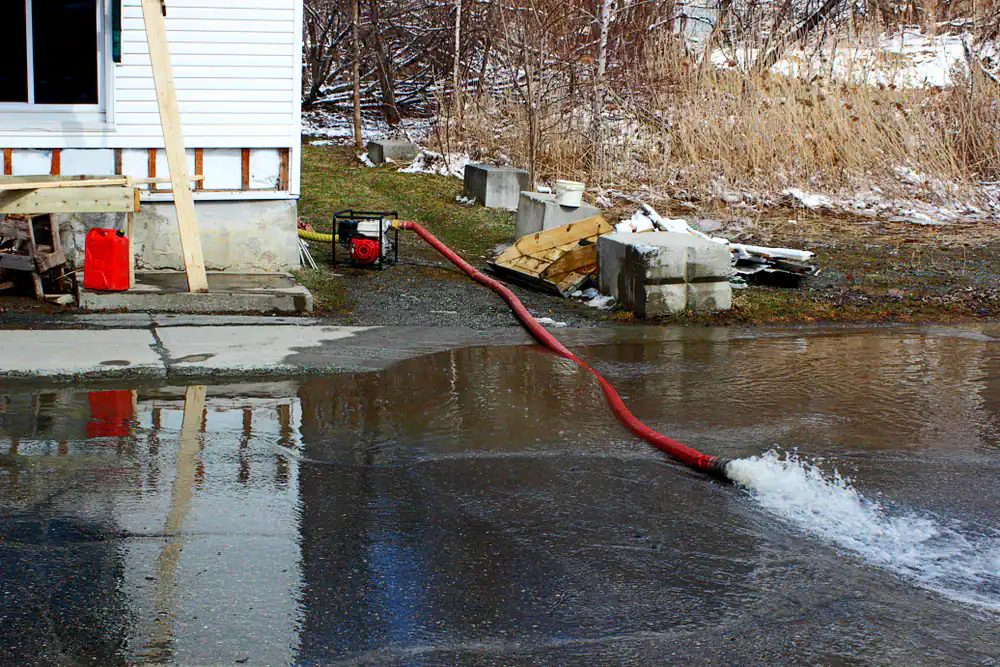
We arrive within an hour of your call with industrial-grade equipment most companies don’t have access to. First, we stop the source and extract standing water using powerful pumps and extraction units.
Next comes the critical drying phase. We use thermal imaging to detect hidden moisture, then deploy commercial dehumidifiers and air movers to dry everything thoroughly—including inside walls and subflooring where problems hide.
The final phase involves cleaning, sanitizing, and rebuilding damaged areas. We handle all insurance paperwork, provide detailed documentation with photos, and work directly with your insurance company so you don’t have out-of-pocket expenses.
Your flood restoration covers everything from emergency water extraction to full reconstruction of damaged areas. You get 24/7 emergency response, advanced moisture detection, and industrial-grade drying equipment.
In Nassau County, we see specific patterns: basement flooding from high water tables, coastal surge damage from nor’easters, and burst pipe incidents in older homes. Each situation requires different approaches and equipment.
We follow all NYS, NYC, and EPA regulations for proper restoration work. This includes proper disposal of contaminated materials, mold prevention protocols, and building code compliance for any reconstruction work.
How quickly should I call for flood restoration services?
Call immediately—within the first hour if possible. Water damage becomes exponentially more expensive and destructive the longer it sits.
After 24-48 hours, you’re looking at potential mold growth, structural damage, and contamination issues that turn a manageable situation into a major reconstruction project. Insurance companies also look more favorably on claims where mitigation started quickly.
We provide 24/7 emergency response specifically because timing matters so much in flood situations. The difference between calling today versus waiting until tomorrow can literally be thousands of dollars in additional damage.
Will my insurance cover flood restoration costs?
Most homeowner’s insurance policies cover sudden water damage from burst pipes, appliance failures, and storm damage—but not flood insurance claims, which require separate flood insurance.
We handle all insurance paperwork and bill your insurance company directly when coverage applies. Our team documents everything with photos and moisture readings that insurance adjusters need to process claims quickly.
The key is understanding what caused the flooding. Storm surge and rising water typically require flood insurance, while burst pipes and appliance failures fall under standard homeowner’s policies.
How long does complete flood restoration take?
Most residential flood restoration takes 5-10 days, depending on the extent of damage and materials affected. The drying phase alone typically requires 3-7 days with professional equipment.
Minor water damage from a small leak might be resolved in 3-5 days, while major flooding can take several weeks for complete restoration. The timeline depends on humidity levels, the amount of water involved, and whether reconstruction is needed.
We never rush the drying process because hidden moisture leads to mold growth and structural problems later. Our moisture meters confirm everything is completely dry before we move to reconstruction.
Can you prevent mold growth after flooding?
Yes, but only if restoration starts quickly and follows proper drying protocols. Mold can begin growing within 24-48 hours in the right conditions.
We use industrial-grade dehumidifiers, air movers, and moisture meters to ensure all affected materials are completely dried. This includes checking inside wall cavities, under flooring, and in other hidden areas where moisture accumulates.
Our process follows IICRC standards for water damage restoration, which includes specific protocols for mold prevention. If we find existing mold growth, we handle the remediation as part of the restoration process.
What should I do while waiting for help to arrive?
Turn off electricity to affected areas if you can do so safely, and start removing standing water if it’s from a clean source like a burst pipe.
Take photos of all damage for your insurance claim, but don’t delay calling professionals. Move valuable items to dry areas if possible, but never risk your safety attempting to salvage belongings in dangerous conditions.
Don’t use regular household fans or dehumidifiers for serious flooding—they’re not powerful enough and can actually spread contamination. Professional equipment makes a huge difference in preventing secondary damage.
Do you work with all insurance companies?
Yes, we work with all major insurance companies and many regional carriers. We’re familiar with their documentation requirements and claims processes.
We handle all communication with your insurance company, provide detailed estimates, and submit all required paperwork. Most of our customers pay nothing out of pocket when insurance coverage applies.
Our team knows exactly what insurance adjusters need to see—proper moisture documentation, photos of damage progression, and detailed scope of work for repairs. This streamlines the claims process and gets you paid faster.