I needed a professional consultation explanation of procedure for safe removal of Asbestos in my apartment complex. Without having an account yet, I was very impressed with the caring, knowledgeable and generous advice offered by Jessica, and will look forward to doing business in the future. Thank you so much! I feel much more informed about a sometimes scary endeavor. Peace. Nancy Silva Mineola, NY.
Mia Munoz
Used this company to clean up some water flood in my house. They were fast and easy to work with.very professional, Would recommend to anyone!
Nini Valle
Great company, had a flood and they responded quickly and efficiently. Billed my insurance company directly. I highly recommend this company!
joe colapietro, jr
I had pipe freeze in my basement right before a snow storm and they made to within an hour to help start the clean up process. They we by our side throughout the entire process and even helped with the insurance company. They did such a great job with the cleanup, repair, remidiation, I contracted them to perform the repairs and finishes in the basement. They came with enough manpower and material to get the job done. Leo and Jessica were nothing but a pleasure to deal with!!
Cristian Arredondo c
I had some water damage in my home and Green Island was able to take care of my issue quickly and effectively. I am very pleased with the work they did. They responded quickly and were very professional.
Michael M
Outstanding service! From the office to the field crew everyone was friendly, helpful and responsive. I highly recommend Green Island Group.
When flood damage hits your Madison Square, NY property, you’re not just dealing with standing water. You’re racing against mold growth, structural damage, and costs that multiply by the hour.
Here’s what happens when you call Green Island Group. Your property gets completely dried using industrial-grade equipment that most companies don’t have access to. We extract every drop of standing water, identify hidden moisture with thermal imaging, and begin the drying process before mold has a chance to take hold.
You get your space back to its pre-damage condition. Not patched up or “good enough” – actually restored. Your insurance paperwork gets handled directly by our team, removing that stress from your plate while you focus on getting back to normal.
Green Island Group has been handling water emergencies across New York City for years, and we understand what makes Madison Square, NY properties unique. The aging infrastructure in this area means pipes fail more frequently. The high water table makes basements particularly vulnerable to flooding.
We’ve seen how water travels through older apartment buildings around Madison Square, making it difficult to trace the original source. Our certified technicians know NYC building codes, permit requirements, and the specific restoration approaches that work in this dense urban environment.
When you call us, you’re getting a team that’s navigated insurance claims with every major carrier, worked in buildings from pre-war walk-ups to modern high-rises, and understands the urgency that comes with Manhattan real estate.
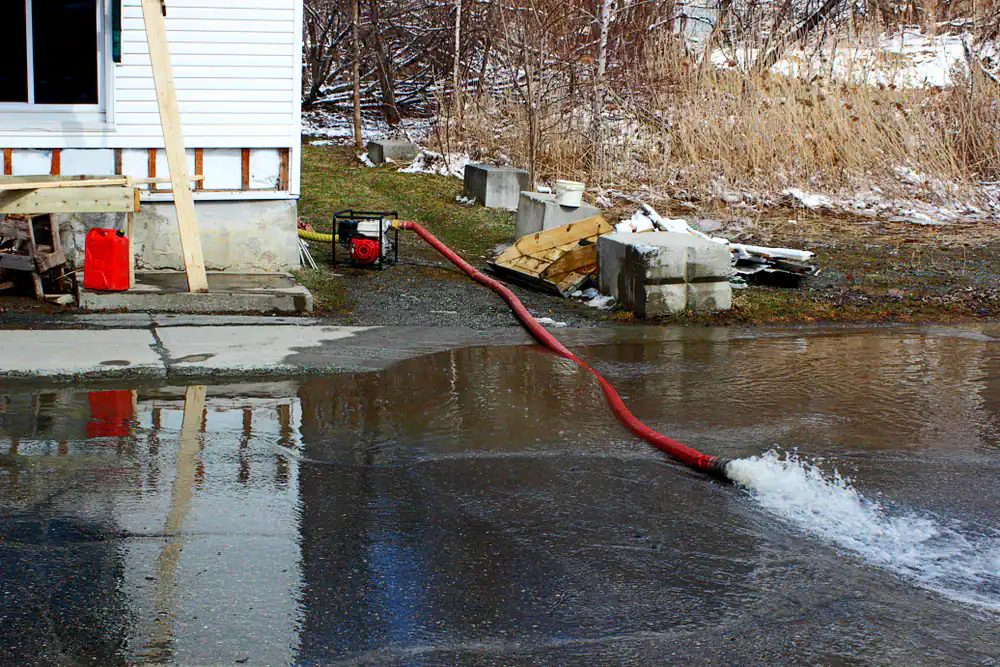
First, we arrive within an hour of your call with industrial-grade water removal equipment. Our team assesses the damage, identifies the water source, and begins immediate water extraction. We’re not showing up with shop vacuums – we bring truck-mounted pumps and professional-grade extraction equipment.
Next, we use thermal imaging to find hidden moisture in walls, ceilings, and floors. Water travels in ways you can’t see, especially in Madison Square’s older buildings where it can seep between units. Our moisture detection technology finds every wet spot so nothing gets missed.
Then comes the drying phase. We set up industrial dehumidifiers and air movers to create the right environment for complete drying. This typically takes 3-7 days depending on the extent of damage, but we monitor moisture levels throughout to ensure everything is completely dry.
Finally, we handle the restoration work. This includes repairing damaged drywall, replacing flooring, and rebuilding anything that couldn’t be saved. You get your property back in better condition than before the flood hit.
What's Included in Madison Square Flood Restoration
Your flood restoration service includes emergency water extraction, structural drying, mold prevention, and complete rebuilding when needed. We handle everything from initial assessment to final cleanup, working directly with your insurance company to streamline the claims process.
Madison Square, NY properties face specific challenges that require specialized approaches. The area’s older buildings often have outdated plumbing systems prone to failure, especially during freezing winter temperatures. The high water table means basements are particularly susceptible to flooding, and the coastal location increases the risk of storm surge damage.
Our restoration process is designed for these local conditions. We understand how water moves through pre-war buildings, where moisture typically gets trapped, and which materials perform best in NYC’s climate. Every restoration meets current building standards and improves your property’s resilience against future water damage.
How quickly can you respond to flood damage in Madison Square?
We provide 24/7 emergency response throughout Madison Square, NY and typically arrive within one hour of your call. Time is critical with water damage because mold can start growing within 24-48 hours, and structural damage worsens the longer water sits.
Our rapid response team is always ready with truck-mounted extraction equipment, industrial dehumidifiers, and moisture detection technology. We don’t wait for business hours when your property is flooding – we’re available nights, weekends, and holidays because water damage doesn’t follow a schedule.
The faster we can begin water extraction and drying, the more of your property we can save and the lower your restoration costs will be.
Will my insurance cover flood restoration in Madison Square?
Coverage depends on the source of the water damage and your specific policy. Most homeowner’s insurance covers sudden water damage from burst pipes, appliance malfunctions, or plumbing failures. However, flood damage from storms or rising groundwater typically requires separate flood insurance.
We work directly with insurance companies and handle all the paperwork for you. Our team documents everything thoroughly, provides detailed damage assessments, and communicates directly with adjusters to ensure you get the coverage you’re entitled to.
We can also bill your insurance company directly in many cases, so you only pay your deductible upfront. This removes the financial stress of paying large restoration bills while waiting for insurance reimbursement.
How long does flood restoration take in Manhattan buildings?
The timeline depends on the extent of damage, the type of water involved, and the materials affected. Minor water damage from a small leak might be resolved in 3-5 days, while major flooding can take several weeks for complete restoration.
The drying process typically takes 3-7 days, depending on humidity levels and the amount of water involved. Manhattan’s older buildings often require additional time because water can travel through multiple units and get trapped in walls or structural elements.
We monitor moisture levels throughout the process and won’t move to the rebuilding phase until everything is completely dry. Rushing this step leads to mold problems later, so we take the time needed to do it right the first time.
What makes NYC flood restoration different from other areas?
New York City properties present unique restoration challenges that require specialized expertise. Many buildings are older with aging plumbing systems that are more prone to failure. In apartment buildings, water can travel through multiple units, making it difficult to trace the original source.
Our city’s high water table means basements are particularly susceptible to flooding, and our coastal location increases the risk of storm surge damage. Additionally, NYC building codes and regulations require specific procedures for restoration work.
We’re experienced with these local challenges and follow all NYS, NYC, and EPA regulations to ensure proper restoration and worker safety. We understand how to navigate complex apartment building scenarios and work with building management, co-op boards, and multiple insurance policies when water affects several units.
How do you prevent mold growth after flood damage?
Preventing mold growth requires immediate action and thorough drying. Mold can start growing within 24-48 hours in wet conditions, so time is critical. We use industrial-grade dehumidifiers, air movers, and moisture meters to ensure all affected materials are completely dried.
Our process includes removing standing water immediately, then using thermal imaging to identify hidden moisture in walls, ceilings, and structural elements. We monitor humidity levels throughout the drying process and don’t consider the job complete until moisture readings return to normal levels.
If mold growth has already started, we have certified mold remediation specialists who can safely remove contaminated materials and treat affected areas. The key is acting fast – the longer water sits, the more likely mold becomes a secondary problem that significantly increases restoration costs.
What should I do immediately after discovering flood damage?
First, ensure your safety by turning off electricity to affected areas if you can do so safely. Don’t enter rooms with standing water until power is shut off. If the water is from a clean source like a burst pipe, you can begin removing standing water with towels or a wet vacuum.
Contact us immediately for professional assessment and mitigation. Take photos of the damage for your insurance claim, but don’t delay calling professionals. The longer water sits, the more damage it causes and the higher your restoration costs will be.
Move valuable items to dry areas if possible, but don’t risk your safety attempting to salvage belongings in dangerous conditions. Our emergency team will guide you through immediate steps while we’re en route to your property.