I needed a professional consultation explanation of procedure for safe removal of Asbestos in my apartment complex. Without having an account yet, I was very impressed with the caring, knowledgeable and generous advice offered by Jessica, and will look forward to doing business in the future. Thank you so much! I feel much more informed about a sometimes scary endeavor. Peace. Nancy Silva Mineola, NY.
Mia Munoz
Used this company to clean up some water flood in my house. They were fast and easy to work with.very professional, Would recommend to anyone!
Nini Valle
Great company, had a flood and they responded quickly and efficiently. Billed my insurance company directly. I highly recommend this company!
joe colapietro, jr
I had pipe freeze in my basement right before a snow storm and they made to within an hour to help start the clean up process. They we by our side throughout the entire process and even helped with the insurance company. They did such a great job with the cleanup, repair, remidiation, I contracted them to perform the repairs and finishes in the basement. They came with enough manpower and material to get the job done. Leo and Jessica were nothing but a pleasure to deal with!!
Cristian Arredondo c
I had some water damage in my home and Green Island was able to take care of my issue quickly and effectively. I am very pleased with the work they did. They responded quickly and were very professional.
Michael M
Outstanding service! From the office to the field crew everyone was friendly, helpful and responsive. I highly recommend Green Island Group.
You’re not looking for a band-aid fix. You want your property completely restored—dry, safe, and ready for life to resume.
That means professional water extraction that gets every drop, not just the obvious puddles. Advanced drying equipment that prevents mold growth in hidden spaces where moisture loves to hide. And restoration work that brings your property back to its original condition, not some patched-up version.
When the job’s done right, you won’t see traces of what happened. Your floors won’t buckle next month. Your walls won’t develop mystery stains. You’ll have a property that’s genuinely restored, not just dried out.
We’ve completed over 5,000 restoration projects across New York State, and we know Nassau County properties inside and out. We understand how Massapequa Park’s proximity to South Oyster Bay and local waterways creates unique flood challenges.
We’re not the company that shows up, pumps out water, and calls it finished. We handle everything from emergency water extraction through complete structural restoration. Our team works directly with your insurance company, so you’re not stuck managing claims while dealing with flood damage.
When neighbors recommend us, it’s because we’ve earned their trust through consistent results, not sales pitches.
First, we assess the full scope of damage—not just what’s visible. Water travels through walls, under floors, and into spaces you can’t see. Our evaluation identifies every affected area so nothing gets missed.
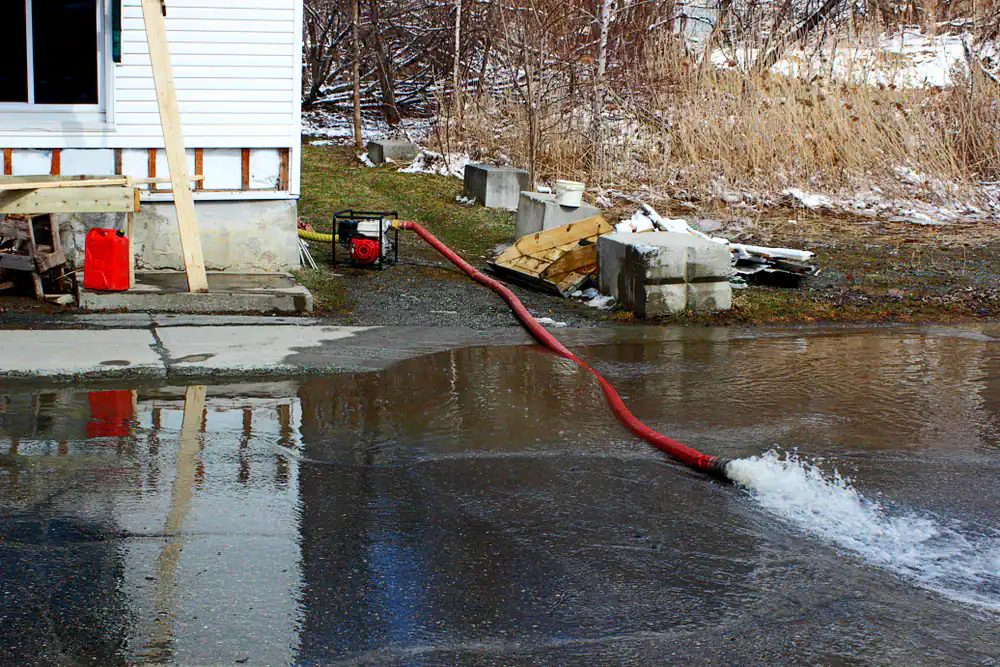
Next comes immediate water extraction using professional-grade equipment. We’re removing standing water, extracting moisture from carpets and padding, and setting up drying systems that work around the clock. This isn’t a shop-vac operation—we use industrial equipment designed for serious water removal.
Then we handle the restoration work. Damaged materials get replaced, affected surfaces get properly treated, and everything gets restored to pre-flood condition. We coordinate all the trades needed, so you’re not juggling multiple contractors while dealing with insurance adjusters.
Complete water extraction from all affected areas, including hidden moisture in walls and subfloors. Professional-grade drying equipment that stays on-site until moisture levels return to normal. Antimicrobial treatment to prevent mold growth during the drying process.
Massapequa Park properties face unique challenges due to the area’s water table and coastal location. We understand how storm surge affects South Shore properties differently than inland flooding. Our approach accounts for the specific moisture patterns and drainage issues common in Nassau County.
All damaged materials get properly removed and disposed of according to local regulations. Structural repairs are completed by licensed professionals. We handle permits when needed and coordinate inspections to ensure everything meets code requirements.
How quickly can you respond to flood damage in Massapequa Park?
We provide 24/7 emergency response throughout Nassau County, typically arriving on-site within an hour of your call. Quick response matters because water damage accelerates rapidly—what starts as standing water becomes structural damage and potential mold growth within 24-48 hours.
Our emergency response includes immediate water extraction, moisture assessment, and placement of drying equipment. We don’t just schedule an appointment for next week when you’re dealing with active flooding. Time-sensitive situations get immediate attention because we understand that delays cost you money and create bigger problems.
The sooner we start the extraction and drying process, the more of your property we can save and the faster you can get back to normal operations.
Will my insurance cover flood restoration services?
Insurance coverage depends on your specific policy and the source of water damage. Standard homeowners insurance typically covers sudden internal water damage like burst pipes, but excludes flood damage from external sources like storm surge or heavy rainfall.
We work directly with insurance companies and can bill them directly when coverage applies. Our team documents all damage thoroughly and provides detailed reports that insurance adjusters need for claims processing. We’ve handled thousands of insurance claims and understand what documentation is required.
For flood damage specifically, you’ll need separate flood insurance through NFIP or private carriers. We help you navigate the claims process regardless of your coverage type, ensuring you get maximum benefits available under your policy.
What's the difference between water damage and flood damage restoration?
Water damage restoration typically involves clean water from sources like burst pipes, leaking appliances, or plumbing failures. This water is generally clean and poses fewer health risks, making restoration more straightforward.
Flood damage involves contaminated water from external sources—storm surge, overflowing rivers, or sewage backups. This water carries bacteria, chemicals, and debris that create health hazards. Flood restoration requires specialized equipment, antimicrobial treatments, and often replacement of porous materials that can’t be safely cleaned.
The restoration process for flood damage is more intensive because contaminated water affects materials differently than clean water. We follow strict protocols for handling contaminated materials and use appropriate safety equipment to protect both our workers and your family’s health.
How long does complete flood restoration take?
Timeline depends on the extent of damage, but most residential flood restoration projects take 3-7 days for the drying phase, followed by 1-3 weeks for reconstruction work. Severe damage involving structural repairs can take longer.
The drying process can’t be rushed—materials need time to release moisture properly, and we monitor progress with professional moisture meters until levels return to normal. Attempting to speed up drying often leads to problems later, like warped floors or mold growth in incompletely dried areas.
Reconstruction timeline varies based on the scope of work needed. Simple repairs like replacing drywall and flooring happen quickly. Extensive structural work, electrical repairs, or permit requirements extend the timeline. We provide realistic schedules upfront and keep you updated throughout the process.
Do you handle sewage cleanup and contaminated water?
Yes, we specialize in category 2 and category 3 water damage, including sewage backups and contaminated floodwater. This type of cleanup requires specialized training, equipment, and safety protocols that most general contractors don’t have.
Contaminated water cleanup involves complete removal of affected porous materials, antimicrobial treatment of all surfaces, and proper disposal of contaminated materials according to health department regulations. We use professional-grade disinfectants and follow IICRC standards for contaminated water restoration.
Our technicians wear appropriate protective equipment and follow strict containment procedures to prevent cross-contamination to unaffected areas of your property. We also handle the documentation required by insurance companies for contaminated water claims, which often have different coverage terms than clean water damage.
What should I do immediately after discovering flood damage?
First, ensure everyone’s safety—avoid standing water if there’s any possibility of electrical hazards, and don’t enter areas with structural damage. Turn off electricity to affected areas if you can do so safely from a dry location.
Contact us immediately for emergency water extraction. The faster water removal begins, the more property we can save and the lower your overall restoration costs. Don’t wait to call your insurance company first—start the mitigation process immediately and handle insurance paperwork afterward.
Take photos and videos of damage for insurance documentation, but don’t delay starting the restoration process. Remove valuable items from affected areas if you can do so safely. Avoid using regular household fans or equipment for drying—improper drying techniques often cause more problems than they solve.