I needed a professional consultation explanation of procedure for safe removal of Asbestos in my apartment complex. Without having an account yet, I was very impressed with the caring, knowledgeable and generous advice offered by Jessica, and will look forward to doing business in the future. Thank you so much! I feel much more informed about a sometimes scary endeavor. Peace. Nancy Silva Mineola, NY.
Mia Munoz
Used this company to clean up some water flood in my house. They were fast and easy to work with.very professional, Would recommend to anyone!
Nini Valle
Great company, had a flood and they responded quickly and efficiently. Billed my insurance company directly. I highly recommend this company!
joe colapietro, jr
I had pipe freeze in my basement right before a snow storm and they made to within an hour to help start the clean up process. They we by our side throughout the entire process and even helped with the insurance company. They did such a great job with the cleanup, repair, remidiation, I contracted them to perform the repairs and finishes in the basement. They came with enough manpower and material to get the job done. Leo and Jessica were nothing but a pleasure to deal with!!
Cristian Arredondo c
I had some water damage in my home and Green Island was able to take care of my issue quickly and effectively. I am very pleased with the work they did. They responded quickly and were very professional.
Michael M
Outstanding service! From the office to the field crew everyone was friendly, helpful and responsive. I highly recommend Green Island Group.
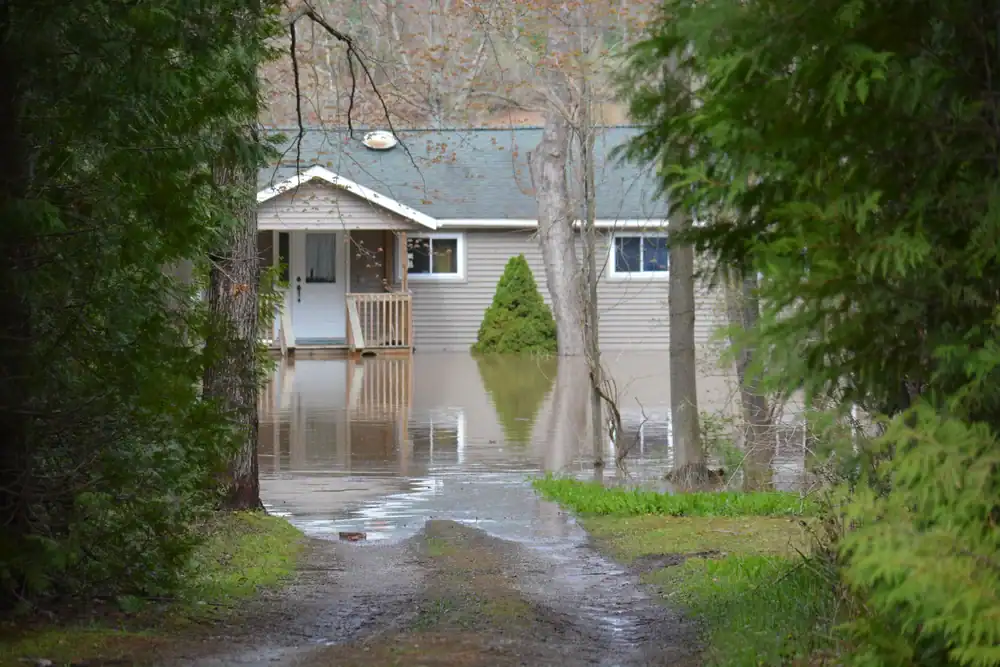
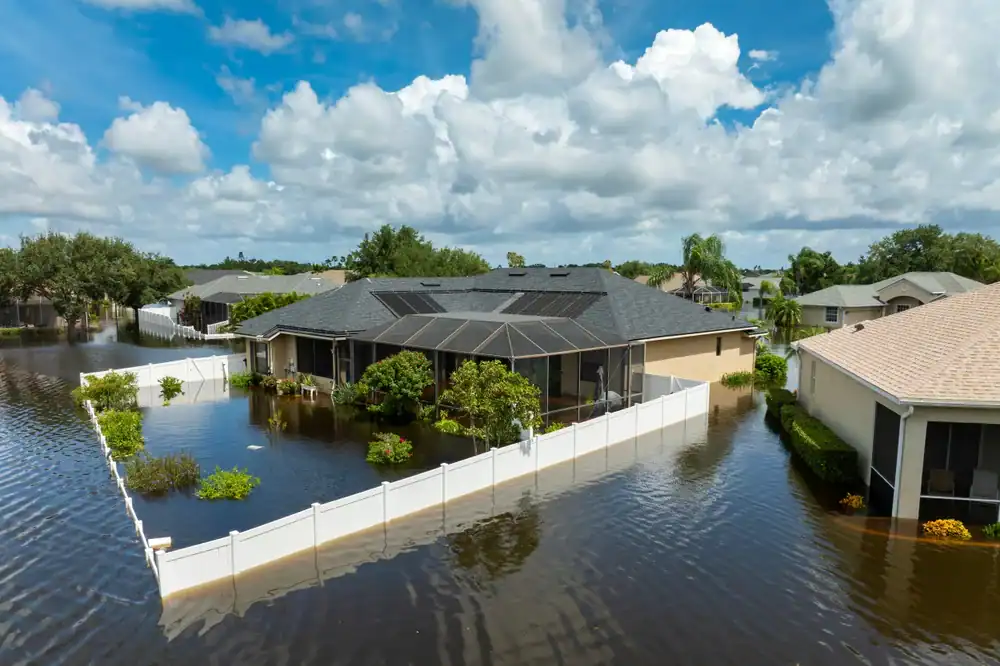
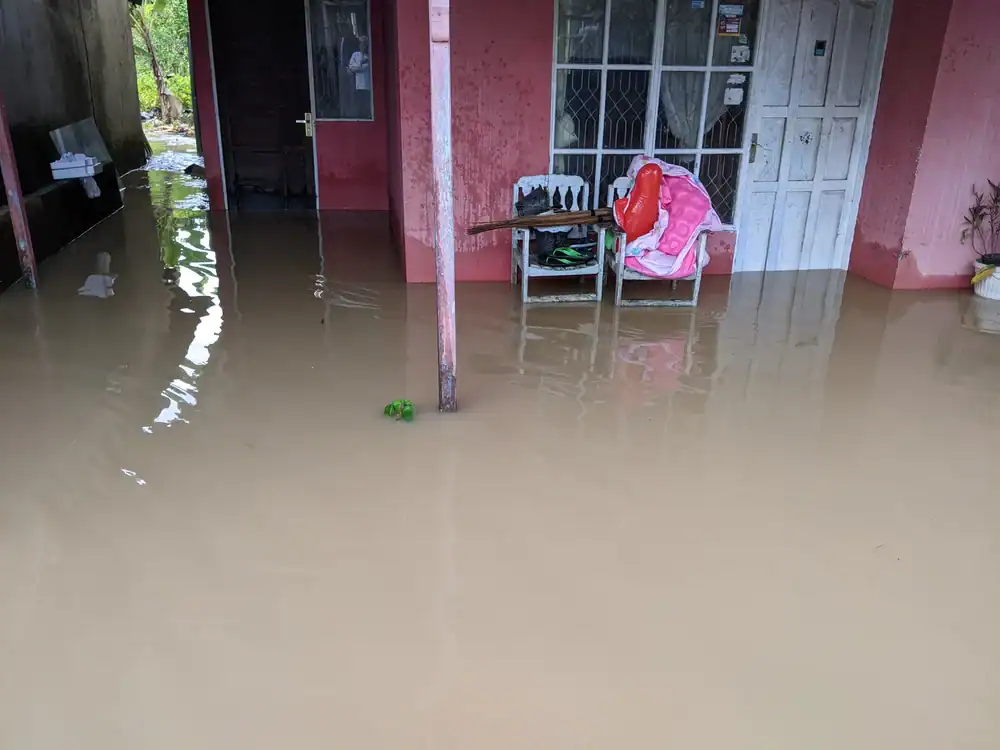
You’re dealing with standing water, soaked belongings, and the clock ticking toward permanent damage. We get it.
Within an hour of your call, our crew arrives with industrial-grade extraction equipment and moisture detection technology. We don’t just remove water—we eliminate hidden moisture that causes mold, structural damage, and health hazards weeks later.
Your insurance handles the paperwork while we handle the restoration. No upfront costs, no claim headaches, just your property restored to pre-flood condition.
We’ve been restoring flood-damaged properties across Queens for years, and we understand Rockaway Point’s unique challenges.
Living on the peninsula means dealing with storm surge, aging infrastructure, and basement flooding that can happen without warning. We’ve seen how quickly water damage escalates in this area—and more importantly, we know how to stop it.
Our technicians live and work in Queens. When your neighbors need flood restoration, they call us because we respond fast and restore properties right the first time.
First, we assess the full scope of damage using thermal imaging to detect hidden moisture in walls, floors, and structural materials. This prevents surprises later and ensures nothing gets missed.
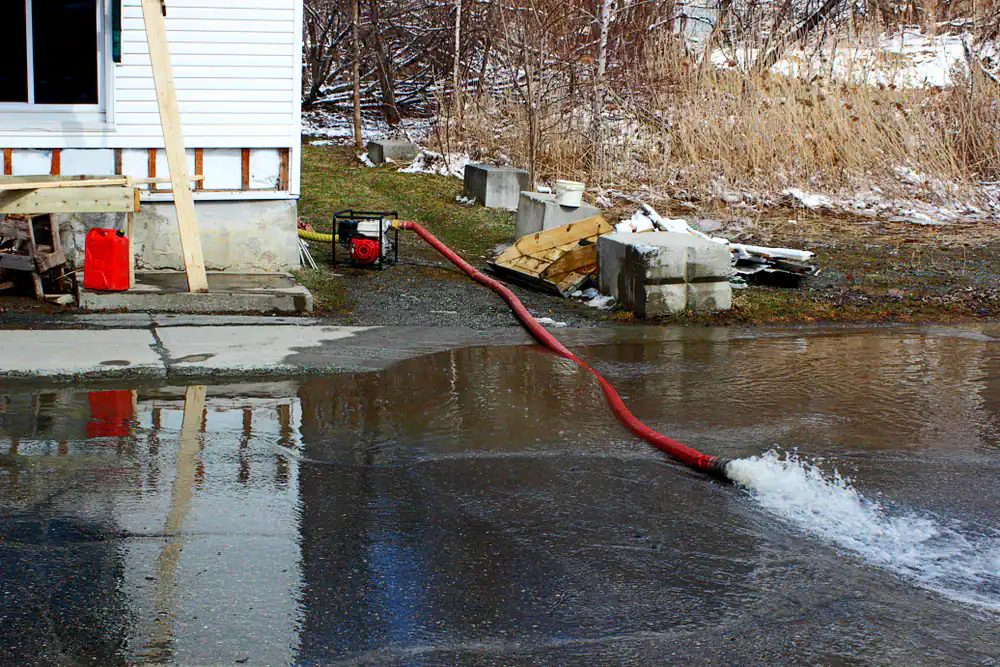
Next comes water extraction and emergency drying. Our industrial pumps remove standing water while high-powered air movers and dehumidifiers eliminate moisture from every surface. We monitor humidity levels continuously until your property is completely dry.
Finally, we restore damaged areas back to their original condition. Damaged drywall gets replaced, flooring gets restored, and we handle any reconstruction needed. You get your home back, not a reminder of the flood.
Your flood restoration includes water extraction, structural drying, mold prevention, and complete reconstruction services. We handle everything from emergency board-up to final paint touch-ups.
Rockaway Point’s coastal location means flood damage often involves salt water, which is more corrosive than fresh water. Our process includes specialized cleaning and treatment to prevent long-term corrosion damage to metal fixtures and electrical components.
We also understand the area’s basement flooding issues. Many Rockaway Point homes have below-grade spaces that flood during heavy rains or storm surge. Our basement restoration process includes waterproofing recommendations to help prevent future flooding.
How quickly can you respond to flood damage in Rockaway Point?
We provide 24/7 emergency response to Rockaway Point and typically arrive within one hour of your call. Flood damage gets worse every hour, so immediate response is critical.
Our emergency crews are stationed throughout Queens, which means we can reach Rockaway Point quickly even during storms or heavy traffic. We understand that flood emergencies don’t wait for business hours, so neither do we.
When you call, we dispatch immediately and begin coordinating with your insurance company before we even arrive. This saves valuable time and gets the restoration process started faster.
Will my insurance cover flood restoration services in Rockaway Point?
Most homeowner’s insurance policies cover sudden water damage from burst pipes, appliance failures, and storm damage. We work directly with all major insurance companies and handle the paperwork for you.
We document everything with photos, moisture readings, and detailed reports that insurance companies need for claims processing. Our team knows exactly what information adjusters require, which speeds up approval and payment.
For flood damage from storm surge or rising water, you’ll need separate flood insurance through FEMA. We’re experienced with flood insurance claims and can help navigate that process as well.
What's the difference between water damage and flood damage restoration?
Water damage typically comes from internal sources like burst pipes, leaking appliances, or roof leaks. Flood damage involves external water entering your home from storm surge, heavy rains, or sewer backups.
Flood water often contains contaminants, bacteria, and debris that require specialized cleaning and disinfection. Our flood restoration process includes antimicrobial treatment and air scrubbing to ensure your home is safe.
The restoration timeline is usually longer for flood damage because contaminated materials often need complete replacement rather than cleaning. We handle both types of damage but adjust our process based on the water source and contamination level.
How do you prevent mold growth after flood damage?
Mold prevention starts with rapid water extraction and complete drying within 48-72 hours. We use industrial dehumidifiers, air movers, and moisture meters to ensure every surface reaches safe moisture levels.
Our process includes removing any materials that can’t be properly dried, like soaked insulation or severely damaged drywall. We also apply antimicrobial treatments to prevent mold spores from taking hold during the drying process.
After restoration is complete, we conduct final moisture testing and provide humidity monitoring recommendations. Proper ventilation and humidity control are key to preventing future mold problems in Rockaway Point’s coastal climate.
Do you handle basement flooding specifically in Rockaway Point?
Yes, basement flooding is one of our most common calls in Rockaway Point. The area’s location and aging infrastructure make basement flooding a frequent problem during heavy rains and storms.
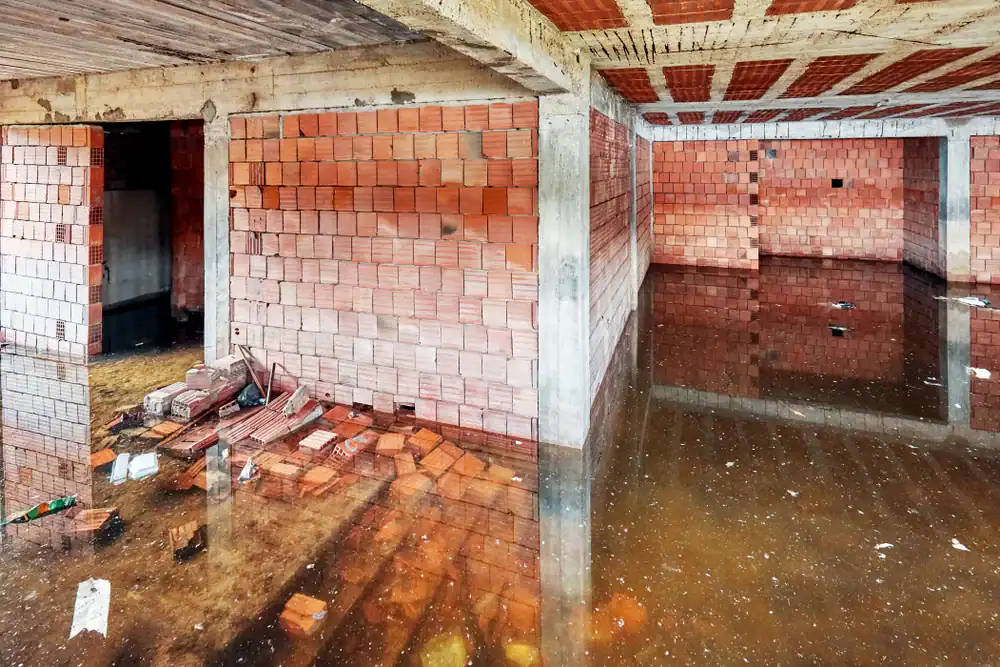
Our basement flood restoration includes specialized equipment for below-grade water extraction, sewage cleanup if needed, and structural drying techniques designed for basement environments. We also address foundation seepage issues that often contribute to recurring flooding.
After restoration, we provide recommendations for sump pump installation, drainage improvements, and waterproofing to help prevent future basement flooding. Many Rockaway Point homeowners benefit from these preventive measures given the area’s flood risk.
What should I do immediately after discovering flood damage?
First, ensure your safety by turning off electricity to flooded areas if you can do so safely from a dry location. Don’t enter standing water if electrical outlets or appliances might be submerged.
Call us immediately for emergency response, then contact your insurance company to report the claim. Take photos of the damage for documentation, but don’t delay professional help to do extensive photography.
Move valuable items to dry areas if possible, but don’t risk your safety trying to salvage belongings in dangerous conditions. Our crew will assess what can be saved and what needs replacement when we arrive.