I needed a professional consultation explanation of procedure for safe removal of Asbestos in my apartment complex. Without having an account yet, I was very impressed with the caring, knowledgeable and generous advice offered by Jessica, and will look forward to doing business in the future. Thank you so much! I feel much more informed about a sometimes scary endeavor. Peace. Nancy Silva Mineola, NY.
Mia Munoz
Used this company to clean up some water flood in my house. They were fast and easy to work with.very professional, Would recommend to anyone!
Nini Valle
Great company, had a flood and they responded quickly and efficiently. Billed my insurance company directly. I highly recommend this company!
joe colapietro, jr
I had pipe freeze in my basement right before a snow storm and they made to within an hour to help start the clean up process. They we by our side throughout the entire process and even helped with the insurance company. They did such a great job with the cleanup, repair, remidiation, I contracted them to perform the repairs and finishes in the basement. They came with enough manpower and material to get the job done. Leo and Jessica were nothing but a pleasure to deal with!!
Cristian Arredondo c
I had some water damage in my home and Green Island was able to take care of my issue quickly and effectively. I am very pleased with the work they did. They responded quickly and were very professional.
Michael M
Outstanding service! From the office to the field crew everyone was friendly, helpful and responsive. I highly recommend Green Island Group.
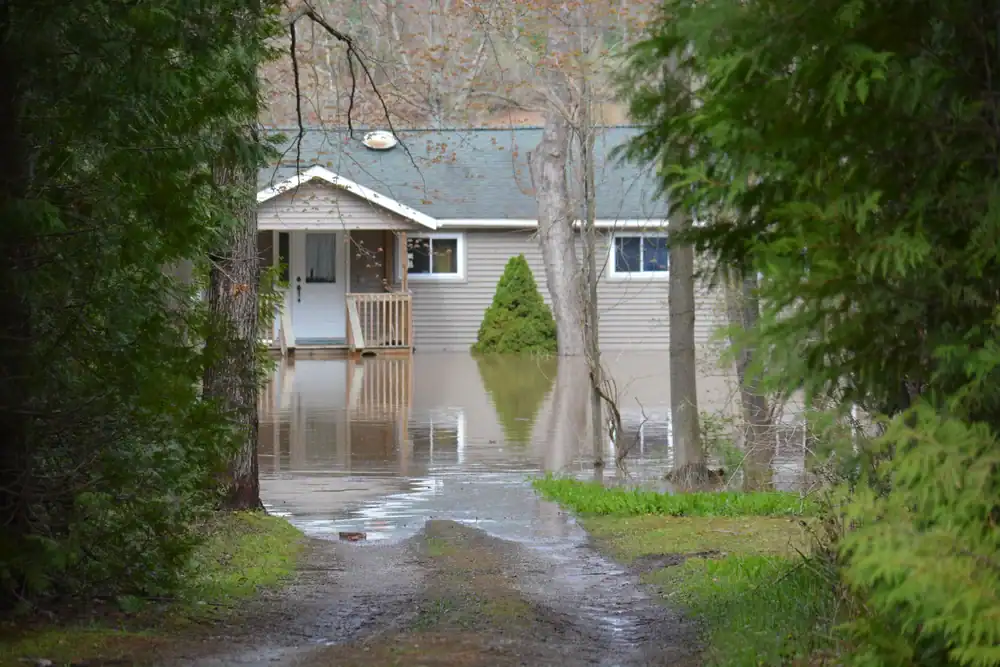
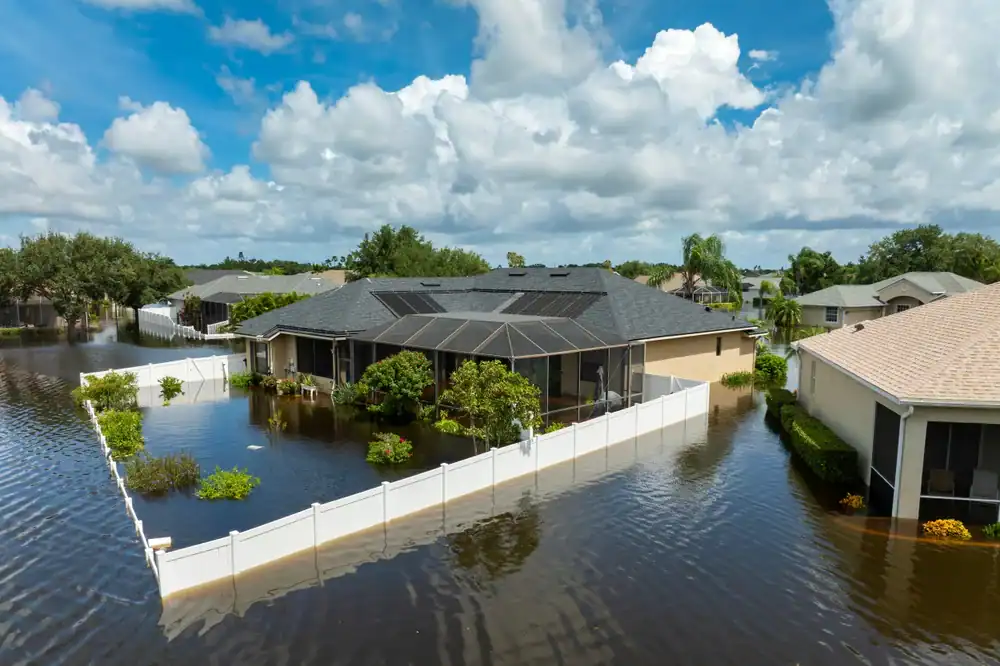
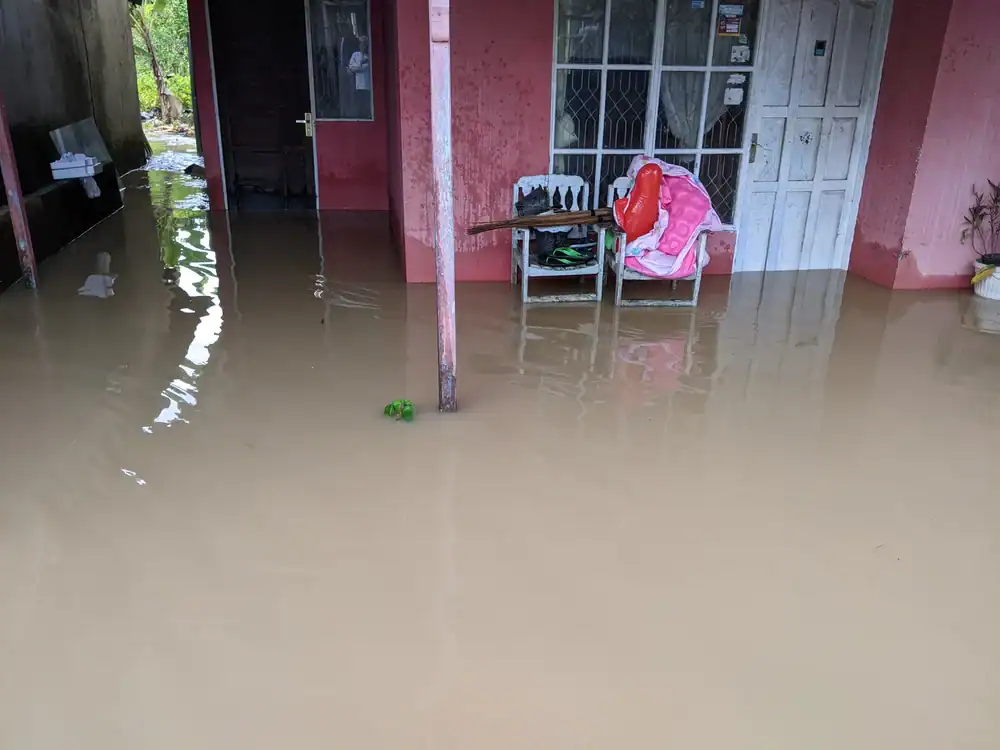
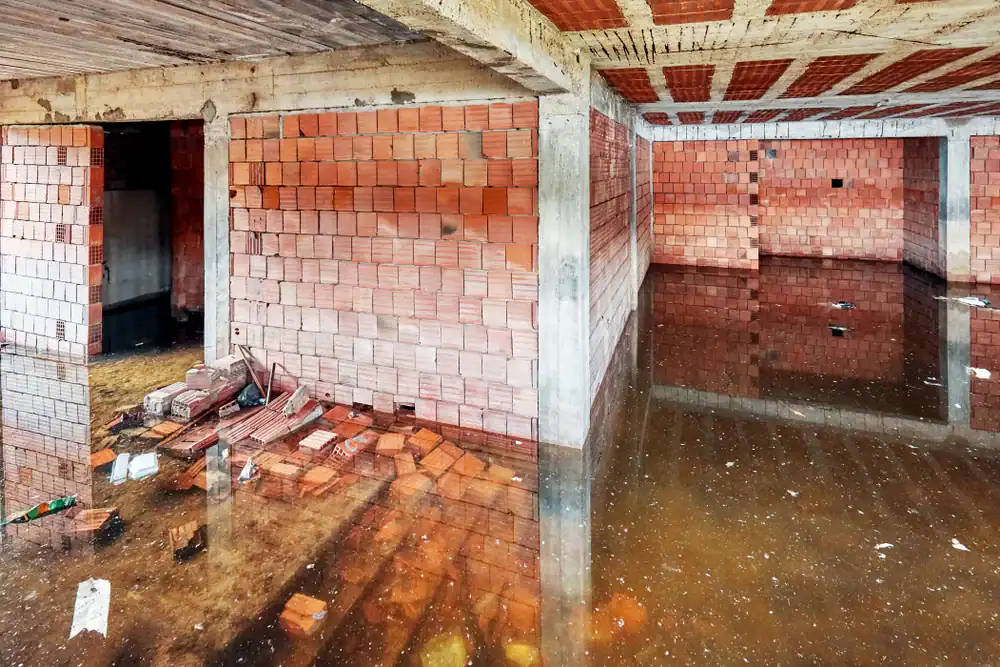
You’re dealing with standing water, soaked belongings, and the clock ticking toward mold growth. We get that. What you want is your life back to normal—without the runaround, without the guesswork, and without wondering if the job was done right.
When we’re finished, your property isn’t just dry. It’s restored to pre-damage condition, with every hidden pocket of moisture eliminated and every surface properly sanitized. You’ll have documentation for insurance, peace of mind about mold prevention, and confidence that the problem won’t resurface in six months.
That’s what professional flood restoration actually looks like. Not just removing the water you can see, but addressing the water you can’t—in wall cavities, under flooring, and behind baseboards where real problems develop.
We’ve been handling water emergencies across Suffolk County for years, and we’ve seen what happens when Saint James residents try to handle flood damage themselves or hire the wrong company. You end up with bigger problems.
We’re the team that shows up within an hour, works directly with your insurance company, and uses industrial-grade equipment most restoration companies don’t have. Our technicians are IICRC-trained and understand Long Island’s unique challenges—from aging plumbing systems to our high water table that makes basement flooding so common here.
You won’t find us cutting corners or leaving jobs half-finished. We’re local, we’re licensed, and we’re the company your neighbors call when they need flood restoration done right the first time.
First, we arrive fast—typically within an hour of your call. Our team immediately assesses the damage using thermal imaging to find hidden moisture you can’t see. We stop the water source if it’s still active and secure your property.
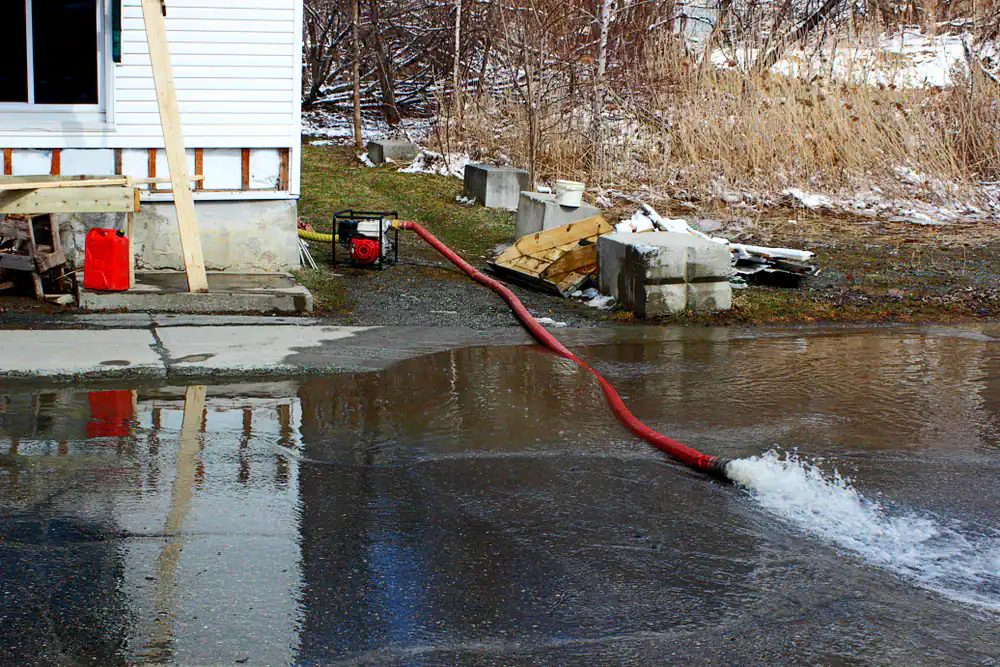
Next comes water extraction using powerful pumps and vacuums, followed by the critical drying phase. We position industrial-grade dehumidifiers and air movers strategically throughout the affected areas. This isn’t guesswork—we monitor moisture levels continuously until everything reads completely dry.
Finally, we handle sanitization, debris removal, and any necessary repairs to restore your property. Throughout the process, we document everything for your insurance claim and keep you informed at each step. Most minor flood damage takes 3-5 days to resolve completely, while major flooding may require several weeks depending on the extent of damage.
Your flood restoration includes 24/7 emergency response, complete water extraction, structural drying, mold prevention treatment, and full sanitization of affected areas. We handle everything from initial damage assessment to final restoration and work directly with your insurance company throughout the process.
Saint James properties face specific challenges due to our location on Long Island’s North Shore. The combination of older home construction, proximity to the water, and our area’s high water table means basement flooding is particularly common here. We understand these local factors and adjust our approach accordingly.
You also get detailed documentation of all work performed, moisture readings at each stage, and a guarantee that the job meets industry standards. We don’t consider a project complete until moisture levels are back to normal and you’re confident in the restoration quality.
How quickly can you respond to flood damage in Saint James?
We provide 24/7 emergency response and typically arrive within one hour of your call. Speed matters critically with flood damage because every hour delay increases both the extent of damage and your restoration costs.
The first 24-48 hours are crucial for preventing secondary damage like mold growth and structural issues. That’s why we maintain emergency crews ready to respond immediately, even during storms or overnight hours when most companies won’t answer their phones.
When you call, you’ll speak directly with our dispatch team who can mobilize equipment and technicians to your Saint James property immediately. No waiting until morning, no “we’ll call you back” responses—just immediate action when you need it most.
Will you work directly with my insurance company?
Yes, we handle all insurance coordination including direct billing, documentation, and communication with adjusters. Most of our customers never see a bill because we work directly with their insurance company throughout the entire process.
We provide detailed documentation of all damage, moisture readings, equipment used, and restoration work performed. This comprehensive record-keeping helps ensure your claim is processed quickly and completely, without the back-and-forth that often delays settlements.
Our team understands what insurance companies need to see and how to present damage assessments in ways that facilitate approval. We’ve worked with virtually every major insurance carrier and know how to navigate their specific requirements and procedures.
How do you prevent mold growth after flood damage?
Mold prevention requires immediate action and thorough drying using industrial-grade equipment. We use dehumidifiers, air movers, and moisture meters to ensure all affected materials reach completely dry conditions—not just surface-dry, but thoroughly dry throughout.
We also apply antimicrobial treatments to affected surfaces and monitor humidity levels continuously during the drying process. Our thermal imaging cameras detect hidden moisture in wall cavities and other areas where mold typically develops but goes unnoticed until it becomes a major problem.
The key is understanding that mold can begin growing within 24-48 hours in the right conditions. That’s why our emergency response and immediate moisture removal is so critical—we’re not just cleaning up water, we’re preventing the secondary damage that causes long-term problems and health concerns.
What makes Long Island flood damage different from other areas?
Long Island properties face unique challenges including aging infrastructure, high water tables, and coastal storm exposure. Many homes here were built decades ago with plumbing systems that are more prone to failure, and our proximity to water increases both storm surge risk and basement flooding potential.
The high water table in many Saint James areas means basement flooding can occur even without obvious water sources. During heavy rains or snow melts, groundwater can seep through foundation walls and floors, creating moisture problems that require specialized drying techniques.
We also deal with salt water intrusion during coastal storms, which requires different cleaning and restoration approaches than fresh water flooding. Our team understands these local factors and adjusts equipment, techniques, and timelines accordingly to ensure proper restoration.
How long does the flood restoration process typically take?
Timeline depends on the extent of damage and materials affected. Minor water damage from a small leak might be resolved in 3-5 days, while major flooding can take several weeks for complete restoration. The drying process alone typically requires 3-7 days depending on humidity levels and water volume involved.
We monitor moisture levels continuously and won’t consider the drying phase complete until readings show materials have returned to normal moisture content. Rushing this process leads to mold problems and structural issues later, so we take the time needed to do it properly.
Throughout the process, we keep you informed about progress and realistic timelines. If we encounter unexpected issues like hidden damage or complications with drying, we explain what’s happening and adjust our approach accordingly. The goal is thorough restoration, not just fast completion.
Should I try to clean up flood damage myself?
While you can remove standing water with towels or a wet vacuum if it’s from a clean source, professional restoration is essential for thorough drying and damage prevention. Flood damage restoration requires specialized equipment and knowledge that most homeowners don’t have access to.
The real problems with flood damage aren’t always visible. Water travels through wall cavities, under flooring, and into areas you can’t see or reach with household equipment. Without proper moisture detection and industrial drying equipment, you’re likely to miss hidden moisture that leads to mold growth and structural damage later.
Additionally, different types of water damage require different approaches. Clean water from a burst pipe is handled differently than contaminated water from sewage backups or storm flooding. Professional restoration ensures the right techniques and safety precautions are used based on your specific situation.