I needed a professional consultation explanation of procedure for safe removal of Asbestos in my apartment complex. Without having an account yet, I was very impressed with the caring, knowledgeable and generous advice offered by Jessica, and will look forward to doing business in the future. Thank you so much! I feel much more informed about a sometimes scary endeavor. Peace. Nancy Silva Mineola, NY.
Mia Munoz
Used this company to clean up some water flood in my house. They were fast and easy to work with.very professional, Would recommend to anyone!
Nini Valle
Great company, had a flood and they responded quickly and efficiently. Billed my insurance company directly. I highly recommend this company!
joe colapietro, jr
I had pipe freeze in my basement right before a snow storm and they made to within an hour to help start the clean up process. They we by our side throughout the entire process and even helped with the insurance company. They did such a great job with the cleanup, repair, remidiation, I contracted them to perform the repairs and finishes in the basement. They came with enough manpower and material to get the job done. Leo and Jessica were nothing but a pleasure to deal with!!
Cristian Arredondo c
I had some water damage in my home and Green Island was able to take care of my issue quickly and effectively. I am very pleased with the work they did. They responded quickly and were very professional.
Michael M
Outstanding service! From the office to the field crew everyone was friendly, helpful and responsive. I highly recommend Green Island Group.
No standing water. No soggy drywall. No musty basement smell that makes you wonder what’s growing behind the walls.
Your floors are completely dry and structurally sound. The moisture that could have turned into a mold problem next month? Gone. We found it with thermal imaging and eliminated it with industrial equipment that most companies don’t have.
You’re not dealing with insurance headaches because we billed them directly. You’re not losing sleep wondering if you’ll have bigger problems later. Your home is restored to exactly what it was before the flood hit.
We’ve completed over 5,000 flood restoration projects across New York State. We understand Suffolk County’s unique challenges – the high water table that makes Wildwood basements flood during storms, the aging infrastructure that fails at the worst times, the coastal location that brings storm surge risks.
We’re not just another restoration company. We’re your neighbors who’ve seen every type of flooding Long Island can throw at a property. Our IICRC-certified technicians follow all NYS and EPA regulations, and we’re available 24/7 because water damage doesn’t wait for convenient hours.
When you call us, you’re getting a team that knows exactly what they’re walking into.
You call our emergency line. We’re at your Wildwood property within an hour with industrial water extraction equipment, not basic shop vacuums.
First, we identify and stop the water source. Then we assess the full damage using thermal imaging that reveals hidden moisture in walls and subfloors. Our team immediately begins water extraction and sets up commercial-grade drying equipment.
We document everything for your insurance company with photos and moisture readings. Most of the time, we can bill your insurance directly so you don’t have to front the costs. You get regular updates, but you don’t have to manage the process – we handle that while you handle everything else in your life.
Our flood restoration services include emergency water removal, structural drying, dehumidification, sanitization, and full reconstruction. One team handles your entire project from the initial emergency through the final walkthrough.
Wildwood properties face specific challenges. Basement flooding from Long Island’s high water table requires different techniques than storm surge damage or burst pipe cleanup. Our technicians are trained for all scenarios and equipped with the right tools for each situation.
We also navigate Suffolk County’s building codes and insurance requirements. Your restoration meets all local standards, and we provide complete documentation for insurance claim approval. No surprises, no shortcuts, no problems down the road.
How fast can you get to my flooded property in Wildwood?
We provide 24/7 emergency response throughout Suffolk County and typically arrive within one hour of your call. Speed matters because every hour of standing water increases your damage and restoration costs.
Our emergency response isn’t just an inspection visit. We arrive with industrial water extraction equipment and begin removing water immediately. The faster we start controlling the moisture, the less damage you’ll have to your floors, walls, and belongings. We’ve seen too many situations where a few hours’ delay turned a manageable cleanup into a major reconstruction project.
Will my homeowner's insurance cover flood restoration in Wildwood?
Most homeowner’s insurance policies cover sudden water damage from burst pipes, appliance failures, roof leaks, or storm damage. We work directly with insurance companies and can bill them directly in most cases, so you don’t have to pay upfront costs.
We document all damage with detailed photos and moisture readings that insurance adjusters need for claim approval. Our team has processed thousands of insurance claims and knows exactly what documentation satisfies different carriers. We handle the paperwork and communicate directly with your adjuster throughout the process.
What makes flooding different in Suffolk County compared to other areas?
Long Island’s high water table means basement flooding happens even during moderate storms. Our coastal location brings storm surge risks that inland areas don’t face. Many Wildwood homes also have aging plumbing systems that are more prone to catastrophic failures.
We also deal with unique drainage patterns where water travels between properties during heavy rains, affecting multiple homes. Our team understands these local conditions and has specialized equipment for everything from minor basement seepage to major storm flooding. We follow all Suffolk County regulations and building codes specific to flood restoration work.
How do you prevent mold growth during water damage restoration?
Mold prevention starts with immediate water extraction and rapid drying within 24-48 hours. We use commercial dehumidifiers that remove hundreds of gallons of moisture daily, plus air movers that create proper drying conditions throughout your property.
Our thermal imaging cameras detect hidden moisture in wall cavities and subfloors that standard moisture meters miss. We monitor levels continuously and don’t consider drying complete until all materials test at normal moisture levels. If we discover existing mold growth, our certified technicians handle remediation using proper containment procedures and EPA-approved methods.
What type of equipment do you use for flood restoration?
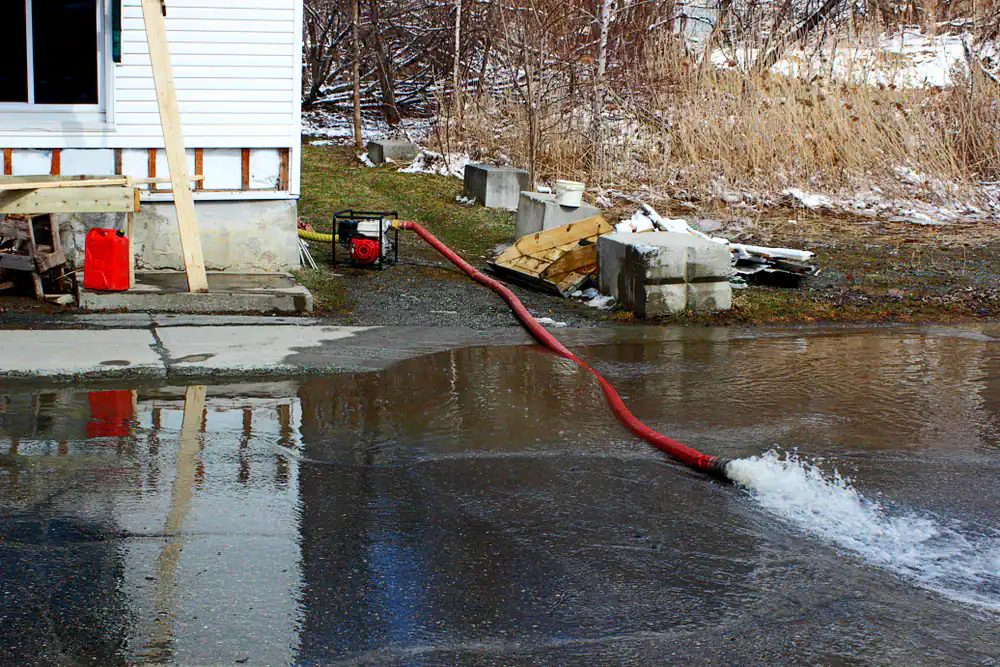
We use industrial-grade water extraction pumps capable of removing thousands of gallons, truck-mounted vacuum systems, and commercial dehumidifiers that outperform residential units by 10-to-1. Our thermal imaging cameras reveal moisture damage invisible to the naked eye.
For major flooding, we deploy trailer-mounted equipment that can handle large-scale water removal. Our air movement systems create scientifically designed airflow patterns for maximum drying efficiency. We also have specialized equipment for different materials – hardwood floor drying systems, carpet extraction tools, and wall cavity drying equipment. Everything is commercial-grade because residential equipment simply can’t handle serious flood damage effectively.
How long does the flood restoration process take in Wildwood?
Most flood restoration projects take 3-7 days depending on the extent of water damage and affected materials. Water extraction happens on day one, but proper structural drying takes time to prevent mold growth and ensure stability.
Different materials dry at different rates – concrete and tile dry faster than hardwood floors or drywall. We monitor moisture levels daily and adjust our equipment accordingly. The drying phase is complete when moisture readings return to normal levels for your specific building materials, not just when surfaces appear dry. Any necessary reconstruction begins only after we confirm complete drying and sanitization.