I needed a professional consultation explanation of procedure for safe removal of Asbestos in my apartment complex. Without having an account yet, I was very impressed with the caring, knowledgeable and generous advice offered by Jessica, and will look forward to doing business in the future. Thank you so much! I feel much more informed about a sometimes scary endeavor. Peace. Nancy Silva Mineola, NY.
Mia Munoz
Used this company to clean up some water flood in my house. They were fast and easy to work with.very professional, Would recommend to anyone!
Nini Valle
Great company, had a flood and they responded quickly and efficiently. Billed my insurance company directly. I highly recommend this company!
joe colapietro, jr
I had pipe freeze in my basement right before a snow storm and they made to within an hour to help start the clean up process. They we by our side throughout the entire process and even helped with the insurance company. They did such a great job with the cleanup, repair, remidiation, I contracted them to perform the repairs and finishes in the basement. They came with enough manpower and material to get the job done. Leo and Jessica were nothing but a pleasure to deal with!!
Cristian Arredondo c
I had some water damage in my home and Green Island was able to take care of my issue quickly and effectively. I am very pleased with the work they did. They responded quickly and were very professional.
Michael M
Outstanding service! From the office to the field crew everyone was friendly, helpful and responsive. I highly recommend Green Island Group.
Water doesn’t wait, and neither do we. You get your space dried, cleaned, and restored while we prevent the mold growth and structural damage that turn a manageable problem into a major headache.
Your floors stay solid. Your walls stay dry. Your insurance claim gets handled properly from day one.
The difference between calling us immediately versus waiting even a few hours? Thousands of dollars and weeks of disruption you’ll never have to deal with.
We at Green Island Group have been restoring Kenilworth properties when water damage strikes. We know Nassau County’s unique challenges—from winter pipe bursts to storm flooding that hits Long Island harder than most places.
Our licensed, insured team responds 24/7 because water damage doesn’t keep business hours. We handle everything from initial assessment to final repairs, working directly with your insurance company so you don’t have to navigate claims paperwork during a crisis.
When your neighbors need water damage restoration in Kenilworth, they call us because we show up fast, work efficiently, and get results that last.
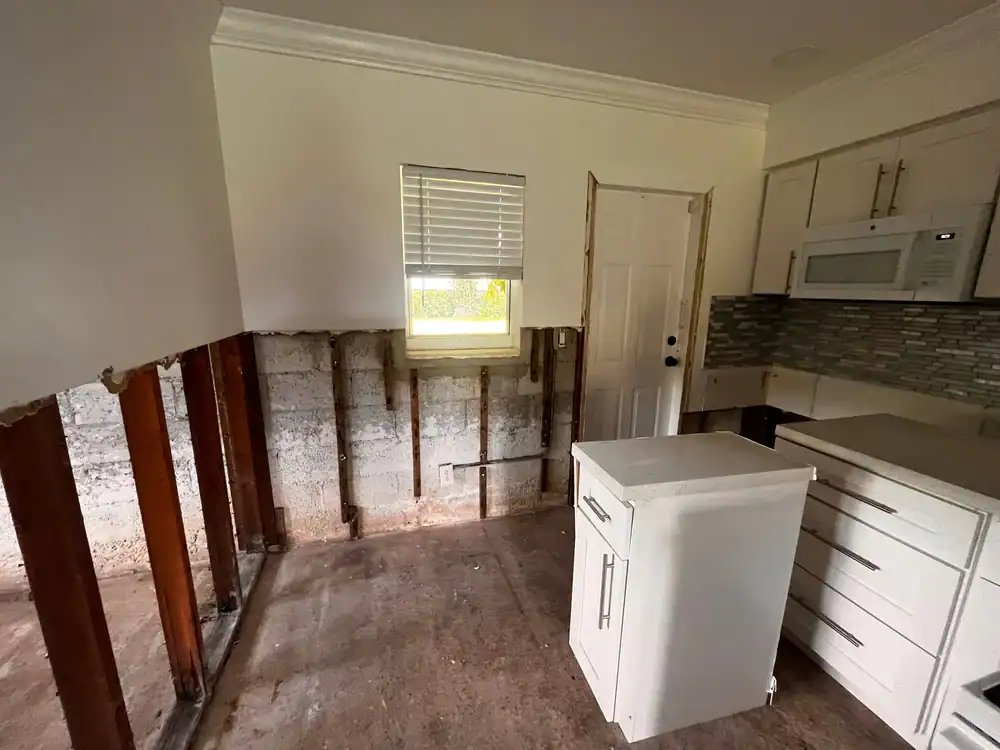
First, we assess the damage and create your restoration plan. No guesswork—we use moisture meters and thermal imaging to find every affected area, including water you can’t see behind walls or under floors.
Next comes water extraction using industrial pumps and vacuums that remove thousands of gallons quickly. The faster we get standing water out, the less damage spreads to your structure and belongings.
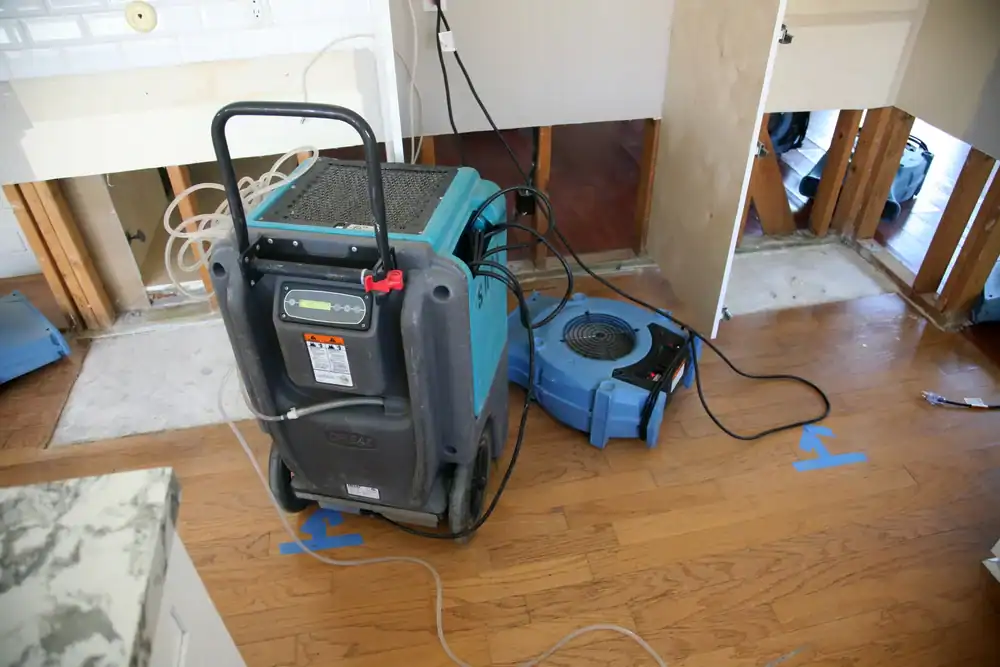
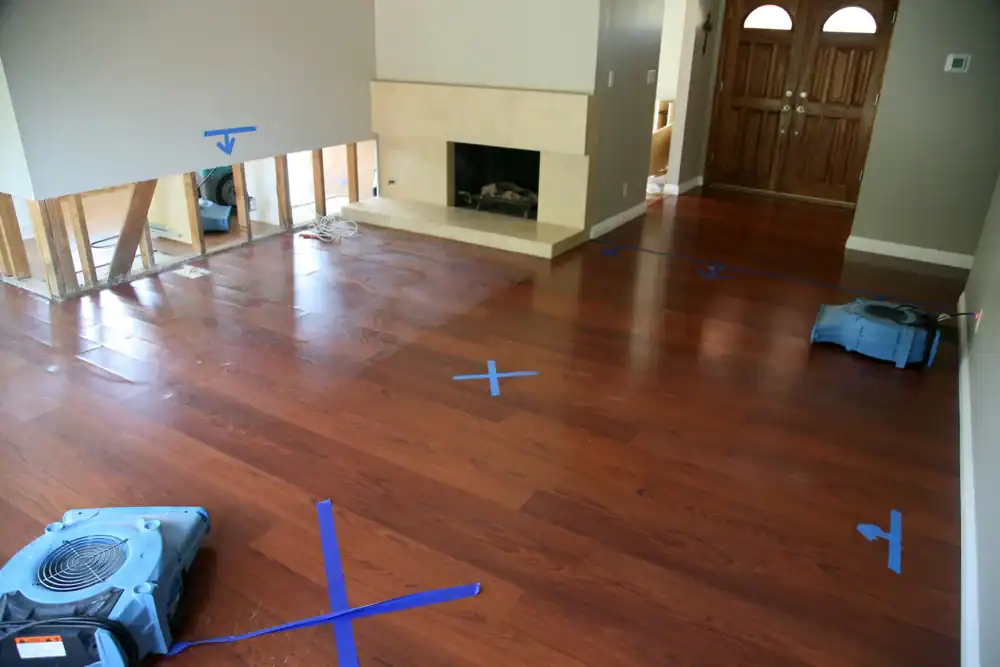
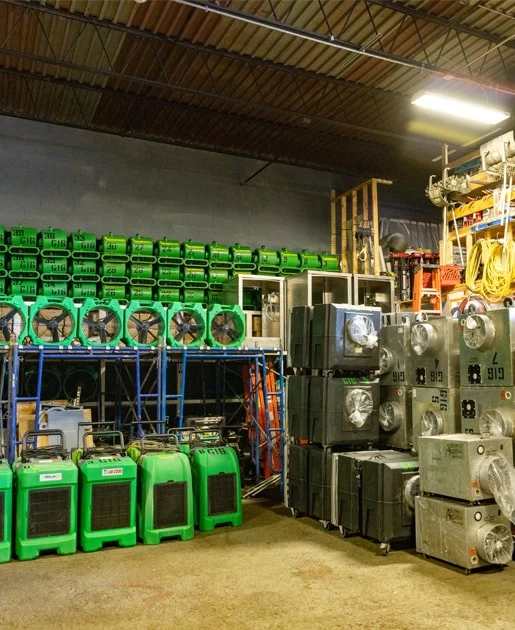
Then we dry and dehumidify everything with specialized equipment that pulls moisture from the air and materials. This prevents mold growth and stops warping, swelling, and other damage that happens when materials stay wet too long.
Finally, we clean, sanitize, and restore your space to pre-damage condition—or better.
Our water damage restoration covers everything from burst pipes to storm flooding. You get water extraction, structural drying, mold prevention, content cleaning, and full restoration services.
In Nassau County, we see everything from basement flooding during heavy rains to appliance failures that flood kitchens overnight. Each situation needs different equipment and techniques, which is why we bring industrial-grade pumps, dehumidifiers, air movers, and moisture detection tools to every job.
We also handle the insurance side—documenting damage, providing detailed estimates, and working directly with adjusters. Most insurance companies cover water damage restoration when it’s done properly and promptly, and we know exactly how to document everything they need.
Your restoration includes emergency board-up if needed, content pack-out and cleaning, antimicrobial treatment, and complete reconstruction when required.
How quickly should I call for water damage restoration in Kenilworth?
Call immediately—within the first hour if possible. Water damage spreads fast, and mold can start growing within 24-48 hours in Nassau County’s humid climate.
The longer water sits, the more it soaks into porous materials like drywall, insulation, and subflooring. What starts as surface water becomes structural damage that requires extensive reconstruction instead of simple drying and cleaning.
We’re available 24/7 because water emergencies don’t wait for convenient times. Even if it’s 2 AM on a weekend, calling right away can save thousands in damage and weeks of disruption.
Will my insurance cover water damage restoration costs?
Most homeowner’s insurance policies cover sudden, accidental water damage like burst pipes, appliance failures, or storm damage. However, coverage varies based on your specific policy and the water source.
We work directly with insurance companies and handle the claims documentation for you. This includes taking photos, providing moisture readings, creating detailed estimates, and communicating with adjusters throughout the process.
The key is acting fast and using a professional restoration company. Insurance companies want to see that damage was mitigated properly to prevent secondary issues like mold, which can complicate claims and increase costs significantly.
What's the difference between water damage and flood damage restoration?
Water damage typically comes from internal sources—burst pipes, leaking appliances, or roof leaks. Flood damage comes from external water sources like storms, rising groundwater, or sewer backups.
The restoration process is similar, but flood water often contains contaminants that require special cleaning and sanitization procedures. Floodwater can also affect electrical systems, HVAC equipment, and foundations in ways that clean water damage doesn’t.
In Kenilworth, we handle both types regularly. Storm flooding from heavy rains requires different safety protocols and equipment than a washing machine overflow, but both need immediate professional attention to prevent long-term damage.
How do you prevent mold growth during water damage restoration?
Mold prevention starts with speed—we begin water extraction and drying within hours of your call. Our industrial dehumidifiers and air movers create conditions where mold can’t establish itself.
We monitor moisture levels throughout the drying process using professional-grade meters. Materials must reach specific dryness levels before we consider the job complete. This isn’t something you can achieve with household fans and dehumidifiers.
We also apply antimicrobial treatments to affected areas and remove any materials that can’t be properly dried. Prevention is much less expensive and disruptive than mold remediation after the fact, which is why we focus on getting everything completely dry the first time.
Can I handle water damage cleanup myself to save money?
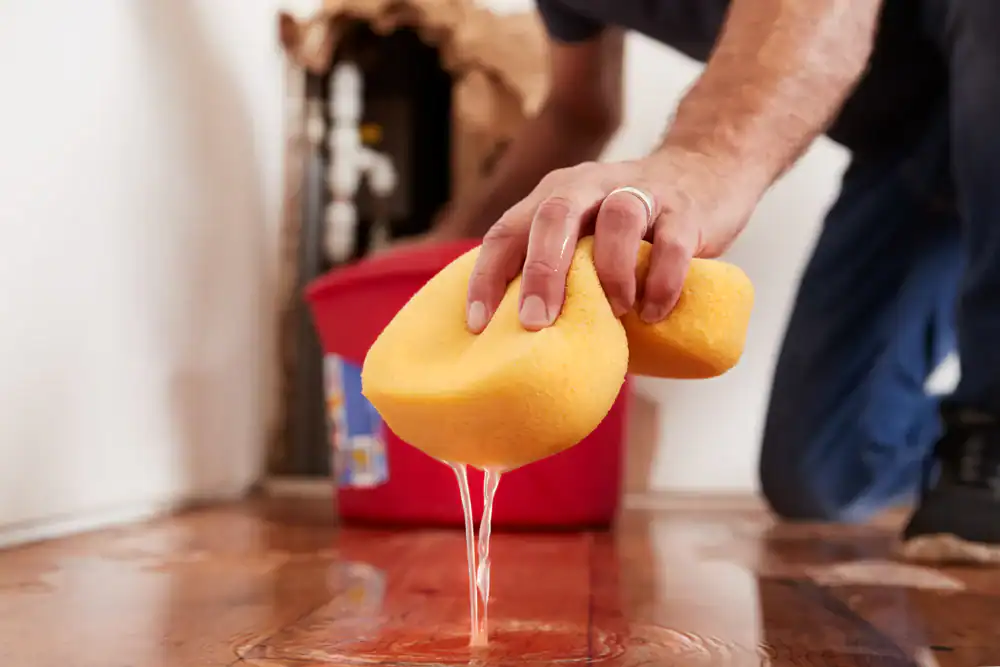
Small spills and minor leaks might be manageable with shop vacuums and fans, but significant water damage requires professional equipment and expertise. Attempting DIY restoration often leads to bigger problems and higher costs later.
Professional restoration involves more than just removing visible water. We extract moisture from inside walls, under flooring, and from building materials using specialized equipment. We also know which materials can be saved versus what needs replacement.
Insurance companies typically require professional restoration for coverage, and improper cleanup can void your claim. The cost of professional restoration is usually less than the cost of structural damage, mold remediation, and reconstruction that result from inadequate cleanup.
How long does water damage restoration take in Kenilworth homes?
Drying typically takes 3-5 days for most residential water damage, but this varies based on the amount of water, affected materials, and weather conditions. Large losses or situations involving multiple floors can take longer.
We monitor progress with moisture meters and thermal imaging throughout the process. Your property isn’t considered dry until it meets industry standards for moisture content, not just when it looks dry on the surface.
Reconstruction time depends on the extent of damage. Simple repairs like replacing drywall and flooring might add a few days, while major structural work can take weeks. We provide realistic timelines upfront and keep you updated as work progresses.