I needed a professional consultation explanation of procedure for safe removal of Asbestos in my apartment complex. Without having an account yet, I was very impressed with the caring, knowledgeable and generous advice offered by Jessica, and will look forward to doing business in the future. Thank you so much! I feel much more informed about a sometimes scary endeavor. Peace. Nancy Silva Mineola, NY.
Mia Munoz
Used this company to clean up some water flood in my house. They were fast and easy to work with.very professional, Would recommend to anyone!
Nini Valle
Great company, had a flood and they responded quickly and efficiently. Billed my insurance company directly. I highly recommend this company!
joe colapietro, jr
I had pipe freeze in my basement right before a snow storm and they made to within an hour to help start the clean up process. They we by our side throughout the entire process and even helped with the insurance company. They did such a great job with the cleanup, repair, remidiation, I contracted them to perform the repairs and finishes in the basement. They came with enough manpower and material to get the job done. Leo and Jessica were nothing but a pleasure to deal with!!
Cristian Arredondo c
I had some water damage in my home and Green Island was able to take care of my issue quickly and effectively. I am very pleased with the work they did. They responded quickly and were very professional.
Michael M
Outstanding service! From the office to the field crew everyone was friendly, helpful and responsive. I highly recommend Green Island Group.
You walk into a home that’s completely dry, structurally sound, and safe for your family. No lingering moisture, no mold concerns, no ongoing damage spreading through your walls or floors.
The air smells clean. Your belongings are salvaged where possible. Your basement isn’t a constant worry anymore.
That’s what proper water damage restoration delivers. Not just removing the water you can see, but eliminating the hidden moisture that causes real problems later.
We’ve been handling water emergencies throughout Nassau County for years. We know North Massapequa homes—the common basement flooding issues, the way storms hit this area, and exactly what it takes to get properties properly restored.
We’re not the cheapest option, and that’s intentional. You’re investing in industrial-grade equipment, IICRC-certified techniques, and technicians who understand that your home isn’t just a structure—it’s where your family lives.
When Long Island got hit with those record-breaking floods in 2024, we were there. When pipes burst during winter freezes, we respond within the hour. Because we live and work in this community too.
First, we assess everything. Not just the obvious water you can see, but hidden moisture in walls, under floors, and in spaces you can’t access. We use thermal imaging and moisture meters to map out the full scope.
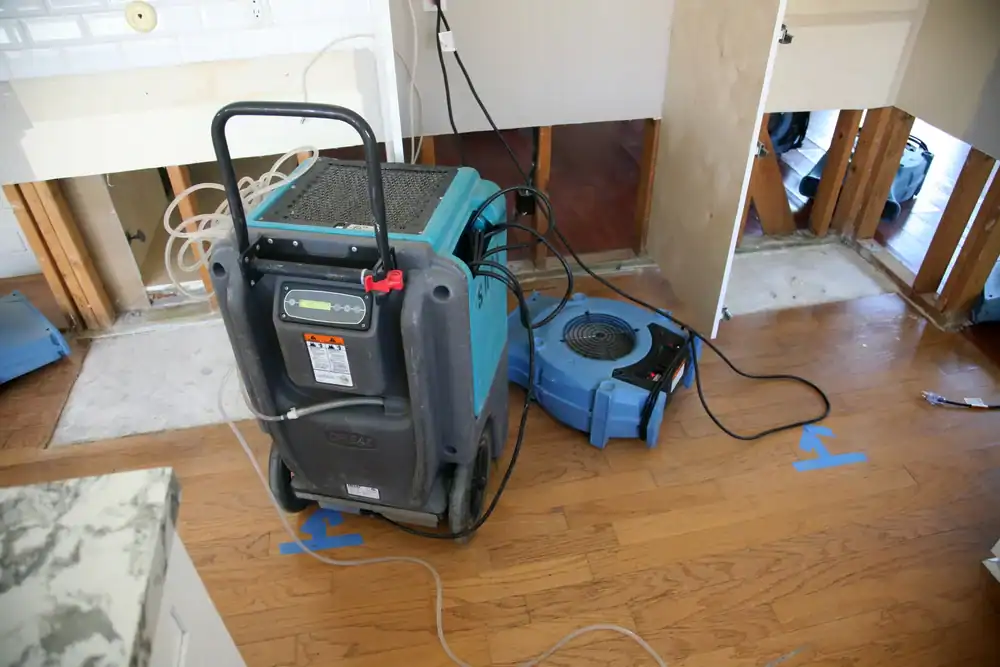
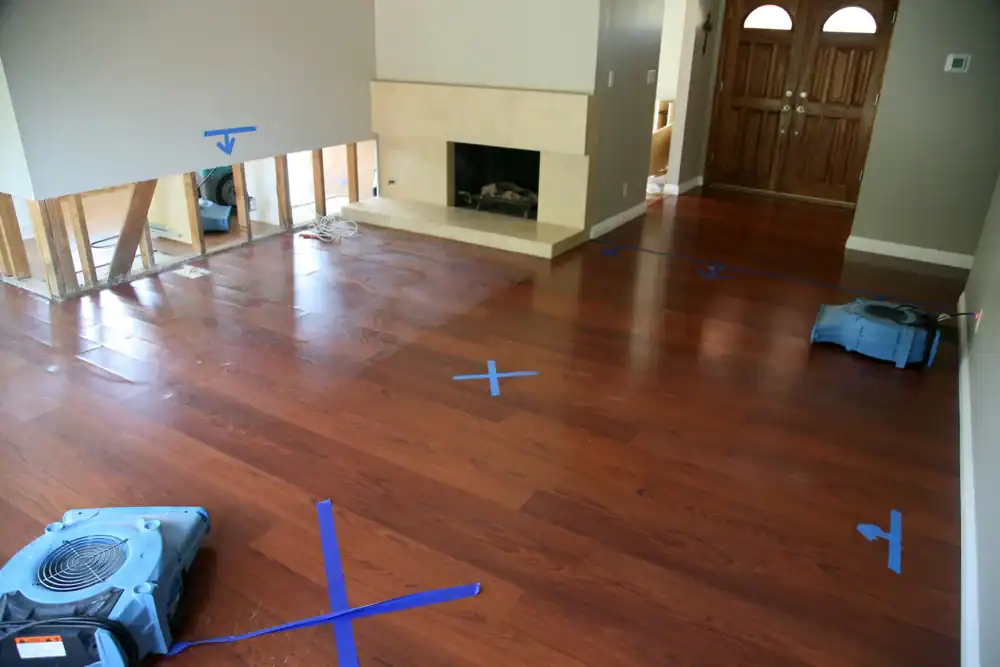
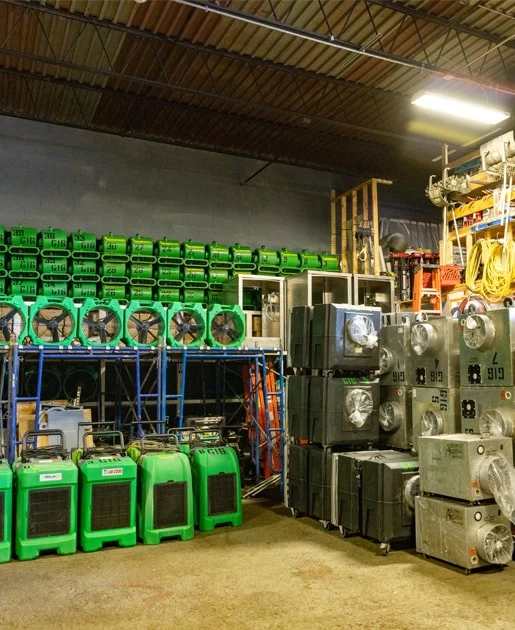
Next comes water removal. Industrial pumps and vacuums remove standing water quickly. Then we set up commercial-grade dehumidifiers and air movers to pull moisture from materials and air. This isn’t a few fans from Home Depot—this is equipment designed to dry structures completely.
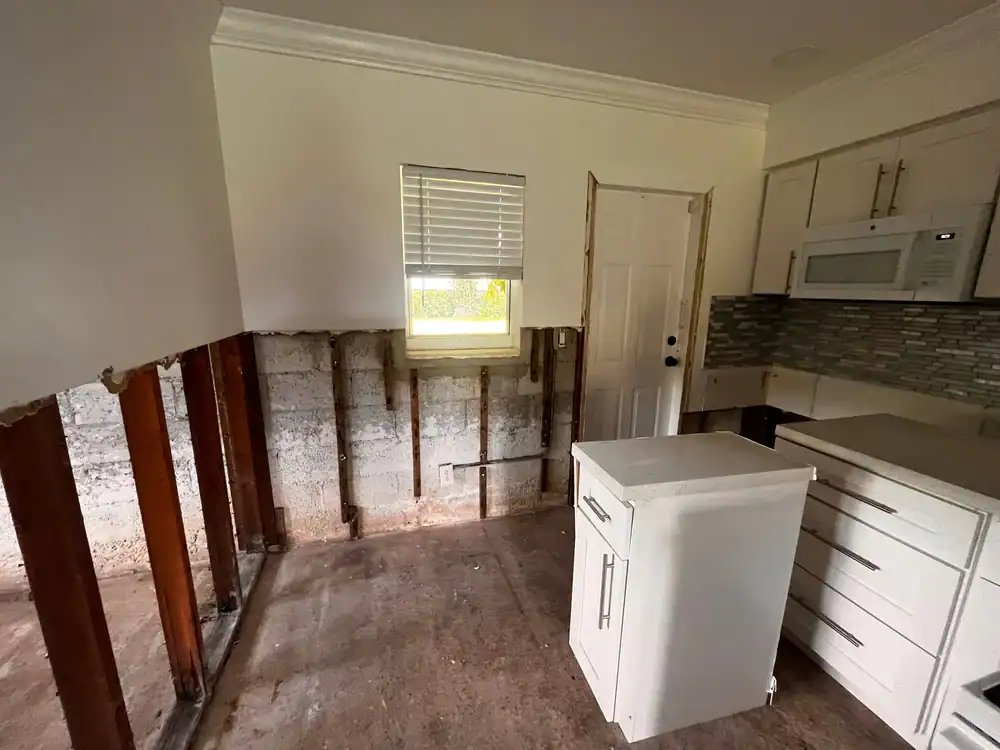
Finally, we restore and repair. Damaged materials get replaced, affected areas get sanitized, and everything gets returned to pre-loss condition. We handle the insurance paperwork, coordinate with adjusters, and keep you informed every step of the way.
Water extraction and flood damage restoration using industrial pumps and vacuums. Structural drying with commercial dehumidifiers and air circulation systems. Moisture detection using thermal imaging and precision meters to find hidden water.
Mold prevention through proper drying and antimicrobial treatments. Content cleaning and restoration for salvageable belongings. Complete reconstruction of damaged areas, from drywall to flooring.
In North Massapequa, we see everything from basement floods during heavy rains to burst pipes in winter. Long Island’s humid climate and recent extreme weather events make thorough drying critical—moisture that lingers becomes mold problems within days. Our water removal services and flood cleanup process are designed specifically for this environment and these challenges.
How quickly can you respond to water damage in North Massapequa?
We provide 24/7 emergency response and can typically reach North Massapequa properties within an hour of your call. Time is critical with water damage—every hour that water sits increases the damage and the cost of restoration.
Our emergency response includes immediate water extraction, damage assessment, and placement of drying equipment. We don’t wait until business hours or schedule you for next week. Water damage doesn’t follow a schedule, and neither do we.
The faster we start, the more of your property and belongings we can save. Within the first 24-48 hours, we can prevent most secondary damage like mold growth and structural weakening.
Will my homeowners insurance cover water damage repair costs?
Most homeowners insurance policies cover sudden and accidental water damage, like burst pipes, appliance malfunctions, or roof leaks. We work directly with insurance companies and handle the paperwork, documentation, and adjuster meetings for you.
What typically isn’t covered is gradual damage from poor maintenance or flooding from external sources (which requires separate flood insurance). We help determine if your situation is covered before starting work, so there are no surprises.
We’ve worked with every major insurance company serving Nassau County. Our detailed documentation and industry relationships help maximize your coverage and speed up the claims process. In many cases, you’ll only pay your deductible.
What's the difference between water damage cleanup and proper restoration?
Cleanup just removes the visible water and damaged materials. Restoration goes deeper—it eliminates all moisture, prevents mold growth, and returns your property to its original condition or better.
Proper restoration uses moisture meters and thermal imaging to find hidden water in walls, subfloors, and other spaces. We monitor moisture levels daily and don’t consider the job complete until everything reaches normal dry standards.
The difference shows up months later. Properties that get real restoration stay dry and problem-free. Properties that just get cleaned up often develop mold, odors, and structural issues that cost more to fix than doing it right the first time.
How long does water damage restoration take in North Massapequa homes?
Drying typically takes 3-5 days for most residential water damage, but this depends on the extent of damage, type of materials affected, and environmental conditions. Structural repairs and reconstruction can add additional time.
We monitor progress daily with moisture readings and adjust equipment as needed. We don’t rush the drying process—materials need time to release moisture properly, and cutting corners leads to problems later.
Small incidents like a bathroom overflow might be complete in 2-3 days. Major basement floods or multi-room damage can take 1-2 weeks for complete restoration. We provide realistic timelines upfront and keep you updated throughout the process.
Can you prevent mold growth after water damage in Long Island's climate?
Yes, but it requires proper equipment, techniques, and timing. Long Island’s humidity makes mold prevention critical—spores can start growing within 24-48 hours in the right conditions.
Our process includes antimicrobial treatments, controlled drying to prevent condensation, and continuous air filtration during restoration. We monitor humidity levels and use commercial dehumidifiers to maintain optimal conditions.
The key is thorough drying, not just surface drying. Moisture trapped in walls, under floors, or in materials will eventually cause mold problems. Our thermal imaging and moisture detection ensure we find and eliminate all water, not just what’s visible.
What should I do immediately after discovering water damage?
First, ensure safety—turn off electricity to affected areas if it’s safe to do so, and avoid standing water near electrical outlets. Then call us immediately for emergency response while documenting the damage with photos for insurance.
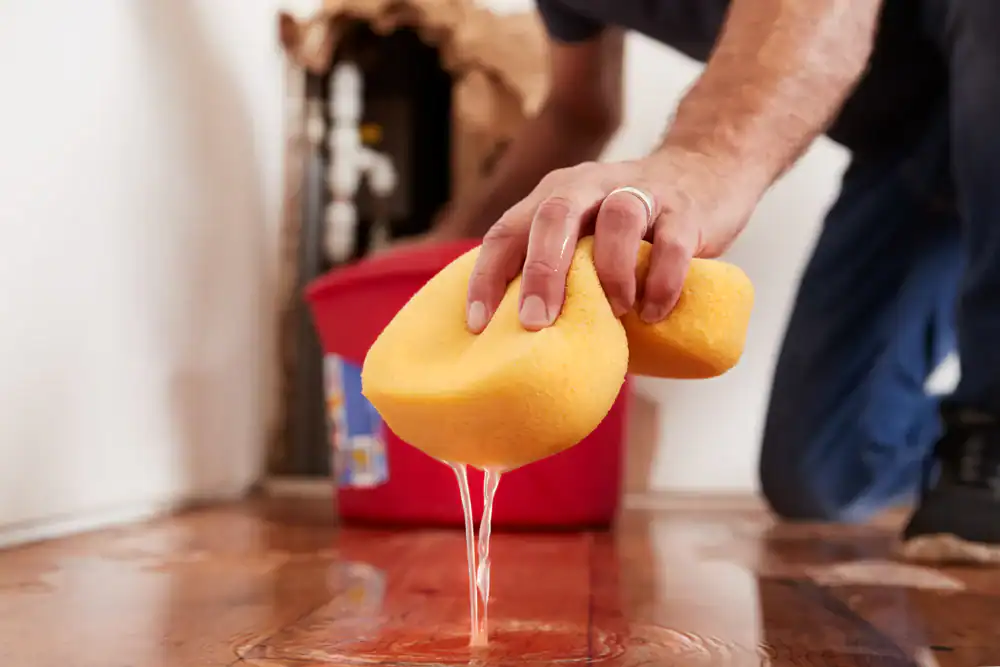
Don’t wait to see if it will dry on its own. Don’t use household fans or try to handle it yourself with shop vacuums. Water damage spreads quickly through building materials, and improper drying creates bigger problems.
Remove valuable items from affected areas if you can do so safely, but don’t try to clean or restore anything yourself. Professional assessment and equipment are necessary to prevent mold growth and structural damage that develop in the days following initial water intrusion.