I needed a professional consultation explanation of procedure for safe removal of Asbestos in my apartment complex. Without having an account yet, I was very impressed with the caring, knowledgeable and generous advice offered by Jessica, and will look forward to doing business in the future. Thank you so much! I feel much more informed about a sometimes scary endeavor. Peace. Nancy Silva Mineola, NY.
Mia Munoz
Used this company to clean up some water flood in my house. They were fast and easy to work with.very professional, Would recommend to anyone!
Nini Valle
Great company, had a flood and they responded quickly and efficiently. Billed my insurance company directly. I highly recommend this company!
joe colapietro, jr
I had pipe freeze in my basement right before a snow storm and they made to within an hour to help start the clean up process. They we by our side throughout the entire process and even helped with the insurance company. They did such a great job with the cleanup, repair, remidiation, I contracted them to perform the repairs and finishes in the basement. They came with enough manpower and material to get the job done. Leo and Jessica were nothing but a pleasure to deal with!!
Cristian Arredondo c
I had some water damage in my home and Green Island was able to take care of my issue quickly and effectively. I am very pleased with the work they did. They responded quickly and were very professional.
Michael M
Outstanding service! From the office to the field crew everyone was friendly, helpful and responsive. I highly recommend Green Island Group.
When sewage backup hits your Bayberry Point home, you’re not just dealing with a mess—you’re facing serious health risks and potential property damage that gets worse by the hour. Raw sewage contains dangerous bacteria, viruses, and pathogens that can make your family sick and contaminate everything it touches.
After our sewage cleanup, you get your safe, healthy environment back. No lingering odors, no hidden contamination, no worry about what might be growing behind your walls. Your property is thoroughly sanitized, completely dried, and restored to the condition it was in before the backup happened.
The relief you’ll feel knowing the job was done right by professionals who understand the health risks is worth everything. You can use your space again without fear, knowing every surface has been properly disinfected and every trace of contamination eliminated.
We’ve been handling sewage emergencies across Nassau County and Suffolk County for years. We understand the unique challenges that Bayberry Point properties face—from aging septic systems to the high water tables that make sewage backups more likely in this area.
Our technicians have seen every type of sewage situation Long Island can throw at us. We know how to work safely around contaminated materials, how to prevent cross-contamination, and how to restore your property without cutting corners.
When your neighbors need sewage cleanup they can trust, they call us because we’ve proven ourselves in this community. We’re not just another restoration company—we’re local professionals who understand what Long Island homeowners are dealing with.
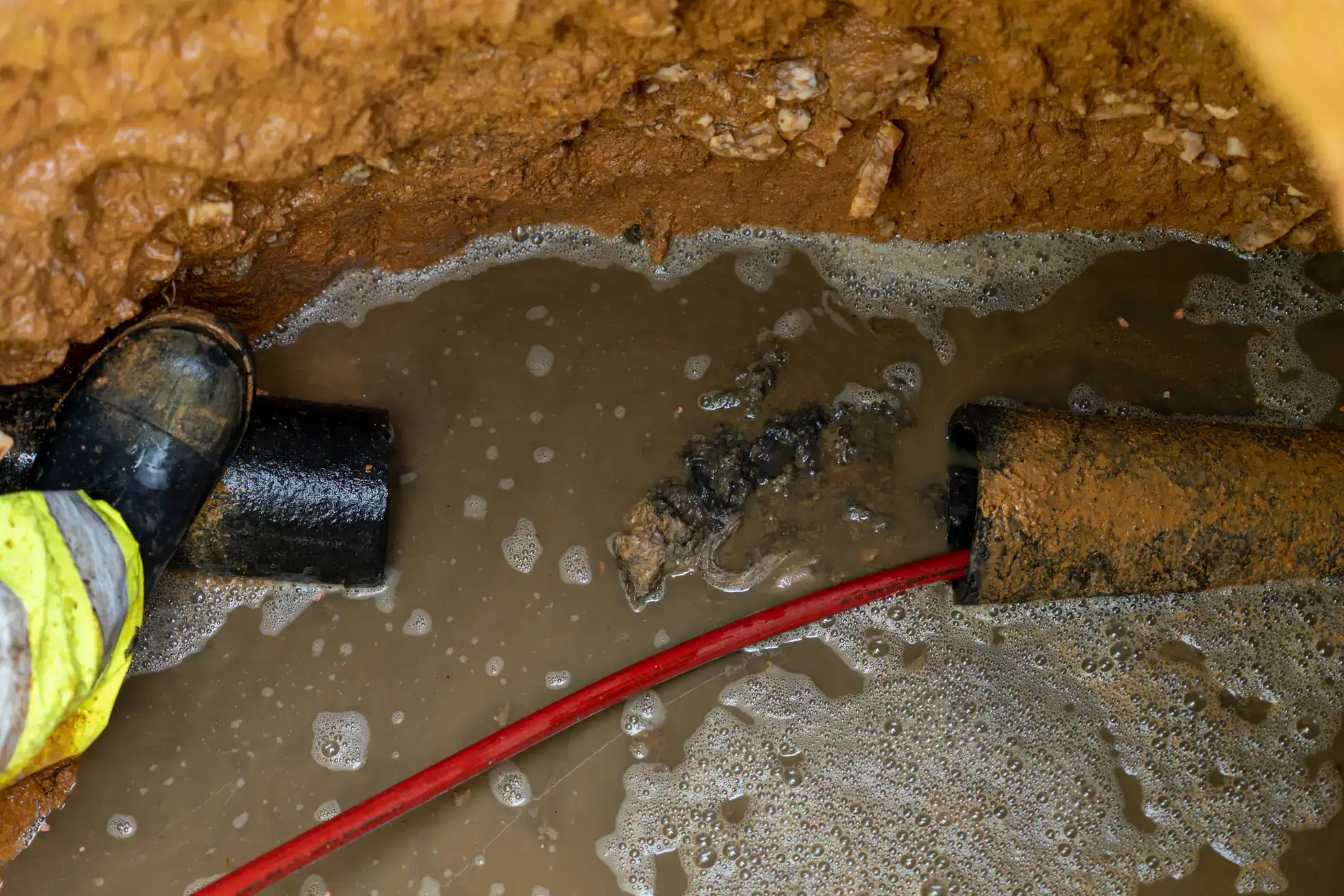
First, we assess the situation and stop the source of contamination if possible. Our technicians arrive wearing proper protective equipment and immediately contain the affected area to prevent sewage from spreading to clean areas of your property.
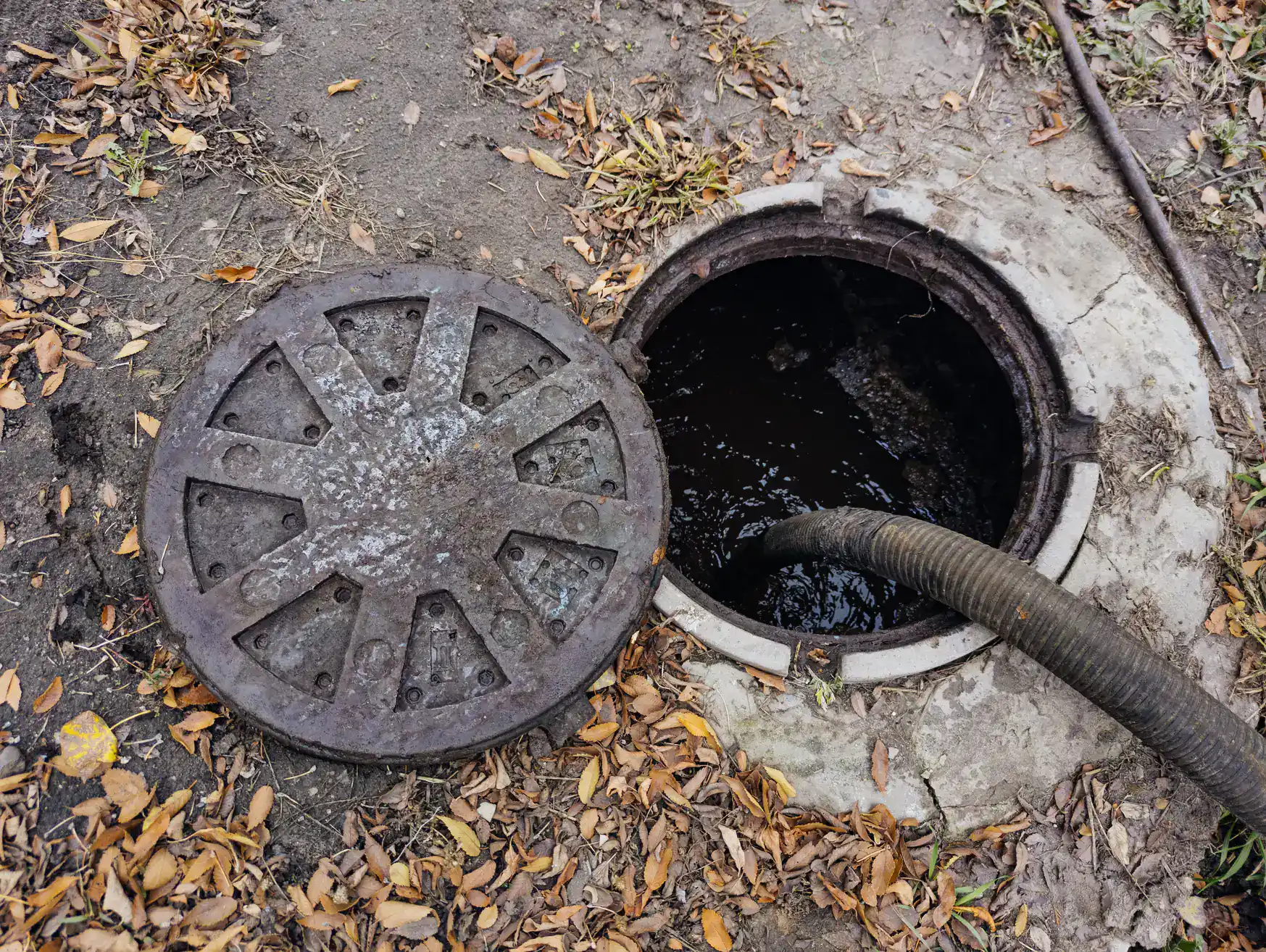
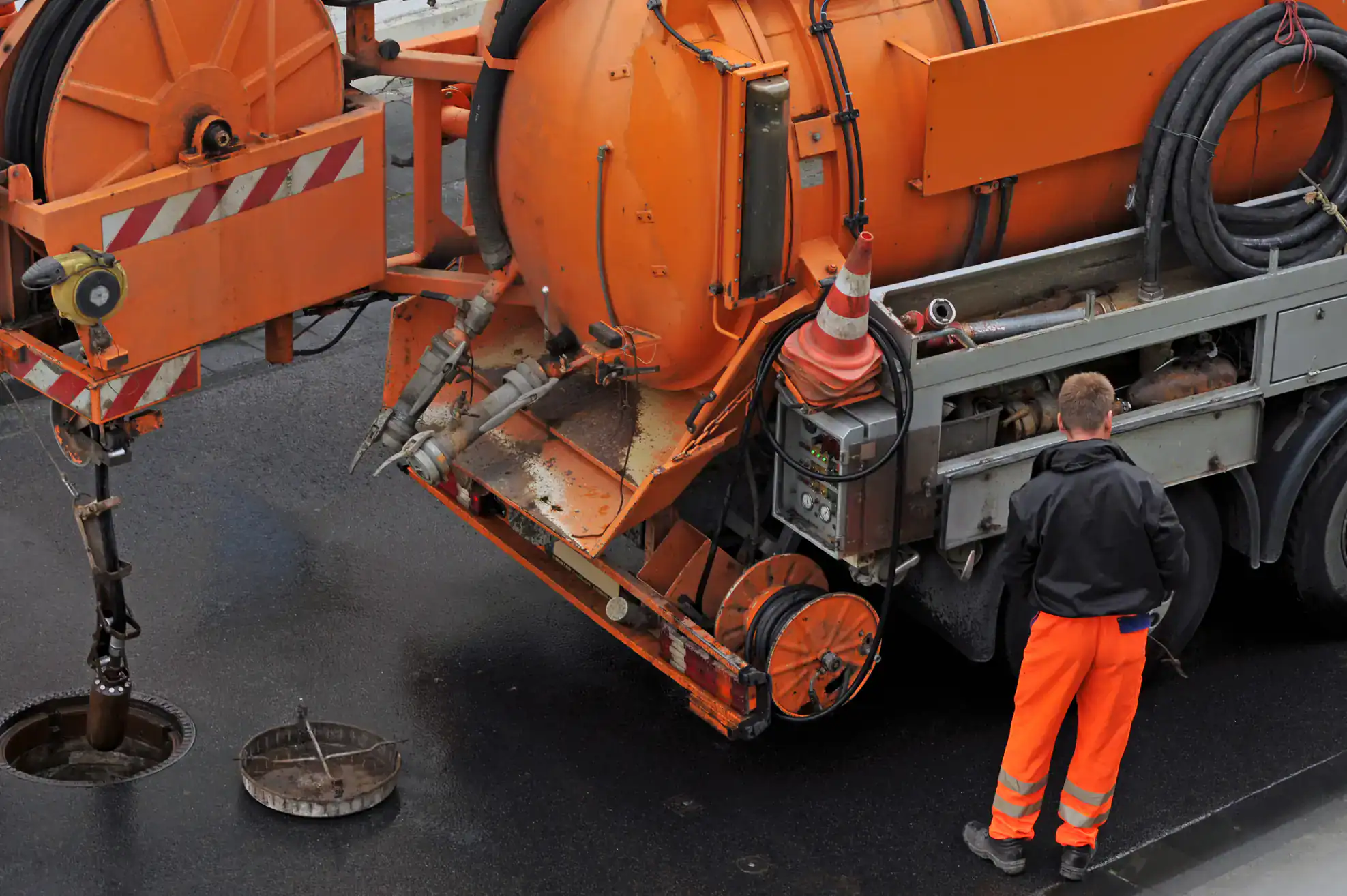
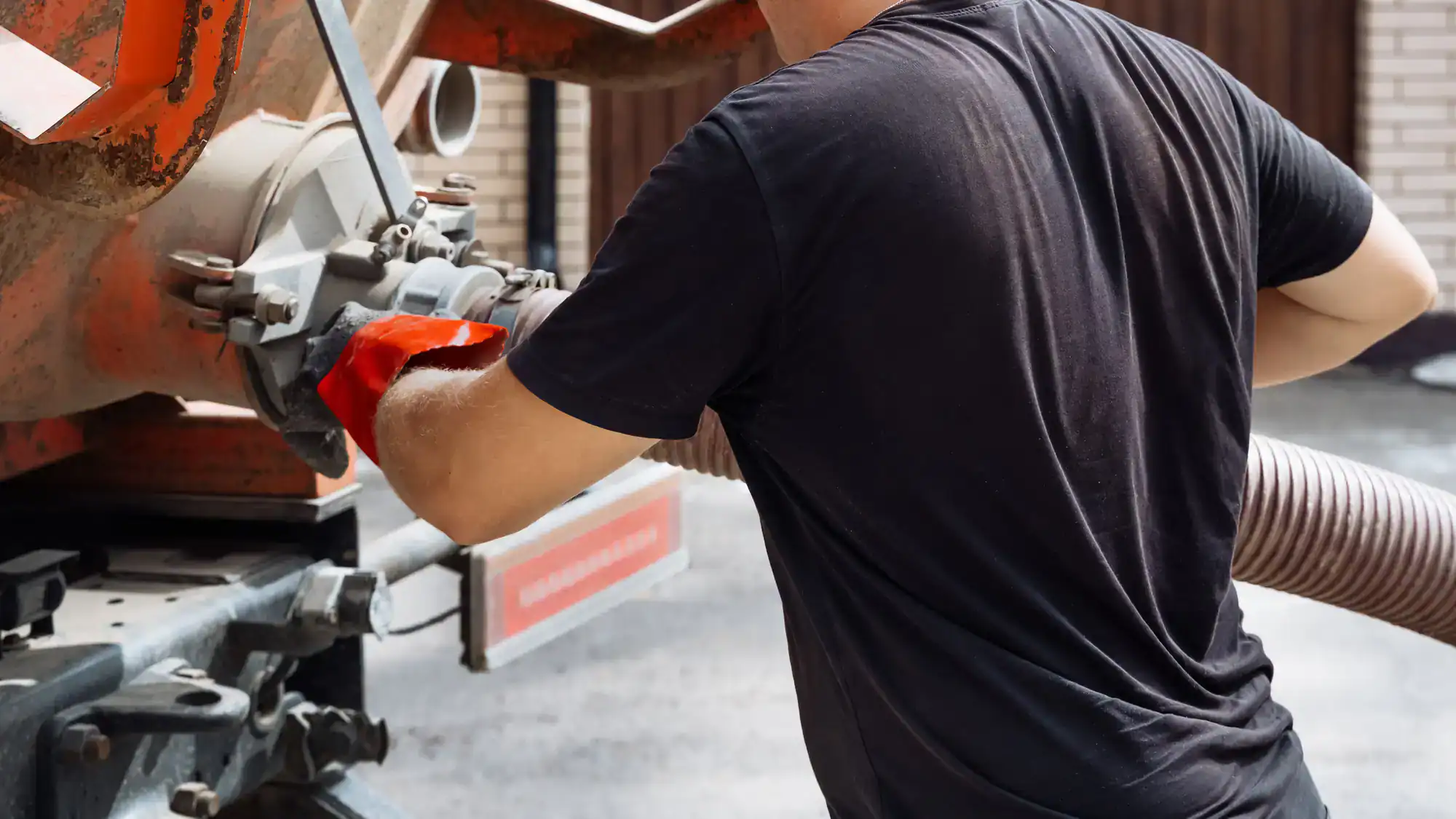
Next comes the extraction and removal phase. We use powerful truck-mounted equipment to remove all contaminated water and materials that can’t be properly sanitized. Everything that touched raw sewage and can’t be completely disinfected gets removed from your property.
Finally, we sanitize and restore. Every surface gets treated with professional-grade disinfectants that eliminate bacteria, viruses, and other pathogens. We thoroughly dry all affected areas using industrial dehumidifiers and air movers, then apply deodorization treatments to eliminate any lingering odors. Your property is restored to its pre-backup condition.
Our sewage cleanup service includes everything needed to make your Bayberry Point property safe and livable again. You get immediate water extraction using powerful pumps and vacuums, followed by structural drying with industrial-grade equipment to prevent mold growth.
We handle the complete sanitization process using EPA-approved disinfectants that eliminate all harmful microorganisms. Our deodorization treatments remove even the most stubborn sewage odors, and we perform any necessary minor repairs to damaged surfaces.
Long Island’s aging infrastructure means sewage backups often involve more than just removing waste—there’s usually significant water damage that needs professional attention. Our team understands how Bayberry Point’s soil conditions and water table issues can complicate sewage situations, which is why we take a comprehensive approach that addresses both the immediate contamination and the underlying water damage that often accompanies these emergencies.
How quickly can you respond to a sewage backup emergency in Bayberry Point?
We provide 24/7 emergency sewage cleanup services throughout Bayberry Point and typically arrive within one hour of your call. Sewage backups don’t wait for convenient times, and neither do we.
The faster we can get to your property, the less damage occurs and the lower your health risks become. Raw sewage contains bacteria and viruses that multiply quickly in warm conditions, so immediate professional response is crucial for protecting your family’s health and minimizing property damage.
What makes sewage cleanup different from regular water damage cleanup?
Sewage cleanup requires specialized equipment, training, and safety protocols that go far beyond standard water damage restoration. Raw sewage contains dangerous pathogens including E. coli, Hepatitis A, and other bacteria that can cause serious illness through direct contact or inhalation.
Our technicians use professional-grade protective equipment and follow strict containment procedures to prevent cross-contamination. We use EPA-approved disinfectants specifically designed to eliminate sewage-borne pathogens, not just regular cleaning products. The extraction, sanitization, and disposal processes all require specialized techniques that only trained professionals should handle.
Regular water damage cleanup focuses on drying and preventing mold. Sewage cleanup focuses on eliminating immediate health hazards while also addressing water damage and odor issues.
Will my insurance cover professional sewage cleanup in Bayberry Point?
Most homeowner’s insurance policies cover sudden and accidental sewage backups, but coverage varies depending on your specific policy and the cause of the backup. We work directly with all major insurance companies and handle the paperwork and billing process for you.
We document everything thoroughly with photos and detailed reports that insurance companies require for claims processing. Our team knows exactly what information adjusters need and how to present the scope of work in a way that supports your claim.
We recommend calling your insurance company as soon as possible after a sewage backup occurs, but don’t wait for insurance approval to start the cleanup process. The health risks are too serious, and delays often lead to more extensive damage that costs more to repair.
How do you eliminate sewage odors completely from my property?
Sewage odors aren’t just unpleasant—they indicate the presence of harmful bacteria and gases that can affect your health. Simply masking odors with air fresheners doesn’t eliminate the source of contamination.
We use a multi-step deodorization process that starts with removing all contaminated materials that can’t be properly sanitized. Then we treat all affected surfaces with antimicrobial solutions that eliminate odor-causing bacteria at the source. Finally, we use professional ozone generators and hydroxyl machines that break down odor molecules at the molecular level.
This process doesn’t just cover up sewage odors—it eliminates them completely by addressing both the contamination source and the chemical compounds that create the smell. The result is air that’s not just odor-free, but actually clean and safe to breathe.
What should I do immediately after discovering a sewage backup?
First, get everyone out of the contaminated area immediately, especially children and pets who are more vulnerable to sewage-borne illnesses. Don’t try to clean anything yourself—raw sewage requires professional handling with proper protective equipment.
If possible, locate and shut off the source of the backup, but only if you can do so safely without coming into contact with contaminated water. Take photos and videos of the damage for insurance documentation, but don’t enter contaminated areas without protective equipment.
Call us immediately for emergency sewage removal. The sooner professional cleanup begins, the less damage occurs and the lower your health risks become. Don’t wait to see if the situation improves on its own—sewage contamination always requires professional intervention to ensure complete sanitization.
How do you prevent mold growth after sewage cleanup in Bayberry Point?
Mold prevention is critical after sewage cleanup because the combination of moisture and organic matter creates perfect conditions for rapid mold growth. Mold can begin developing within 24-48 hours after sewage exposure, especially in Long Island’s humid climate.
We use industrial-grade dehumidifiers and air movers to thoroughly dry all affected materials and hidden moisture pockets that regular fans can’t reach. Our moisture detection equipment identifies water trapped behind walls, under flooring, and in other areas where mold typically starts growing.
We also apply antimicrobial treatments to all affected surfaces that prevent mold spores from taking hold during the drying process. Our structural drying process continues until moisture levels return to normal ranges throughout the affected area. This comprehensive approach eliminates the conditions mold needs to grow, preventing future problems that could require expensive mold remediation.